The First Friday Devotion Explained

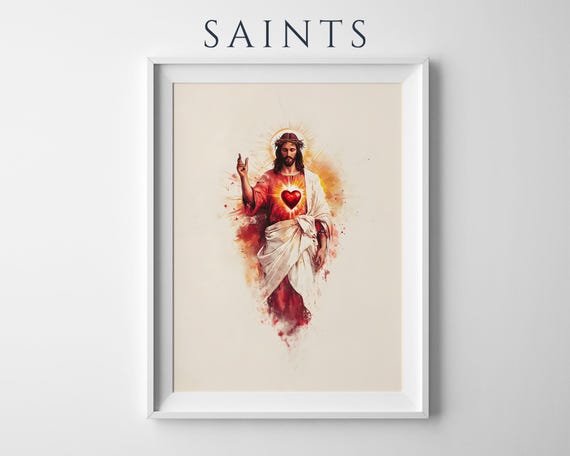
A vision at Paray-le-Monial
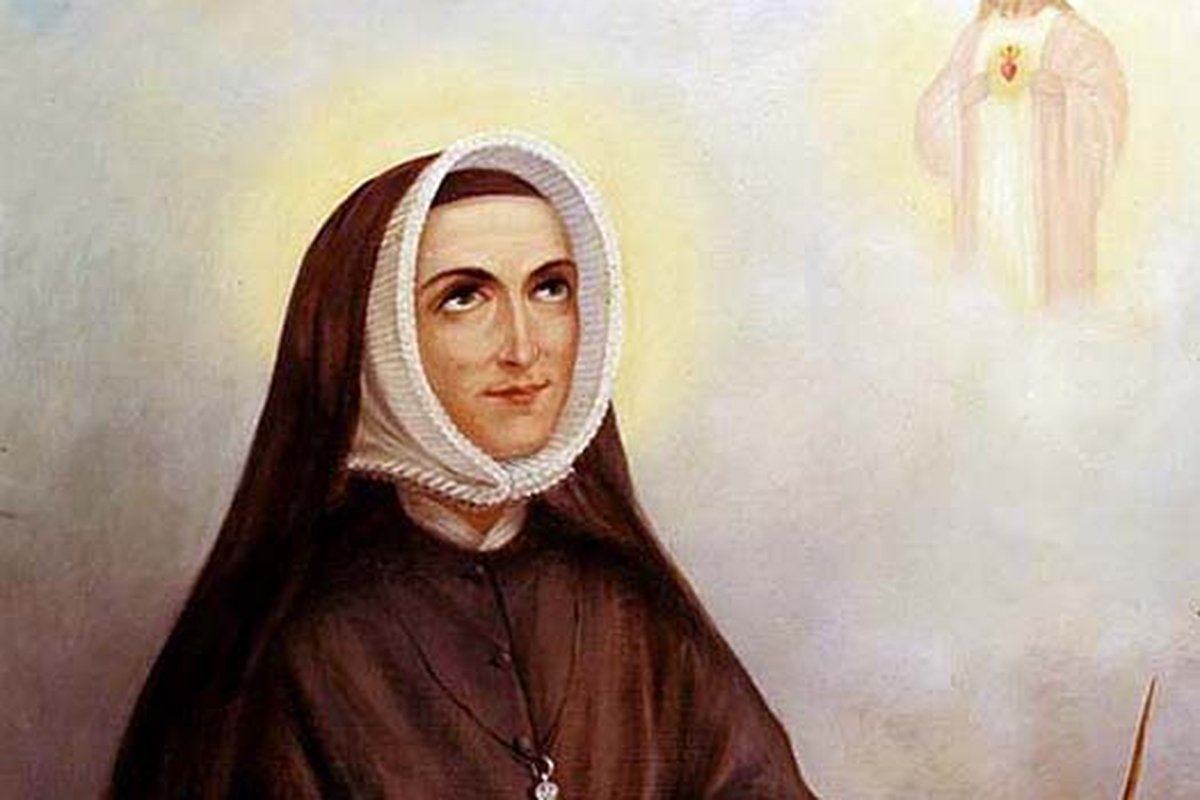
The devotion's roots trace to a specific person, place, and set of dates: Margaret Mary Alacoque, a nun of the Visitation order in France, reported a series of visions of Christ between 1673 and 1675 at the convent of Paray-le-Monial. These experiences form the historical foundation not just of the First Friday devotion specifically but of the much broader devotion to the Sacred Heart that shapes a great deal of later Catholic piety, imagery, and prayer. Margaret Mary was later canonized, and the Church has treated her reported revelations with considerable respect over the centuries — though it's worth being precise about what that respect does and doesn't require: Church approval of a private revelation, even one connected to a canonized saint, doesn't obligate Catholics to believe every detail as a matter of faith the way defined doctrine does.
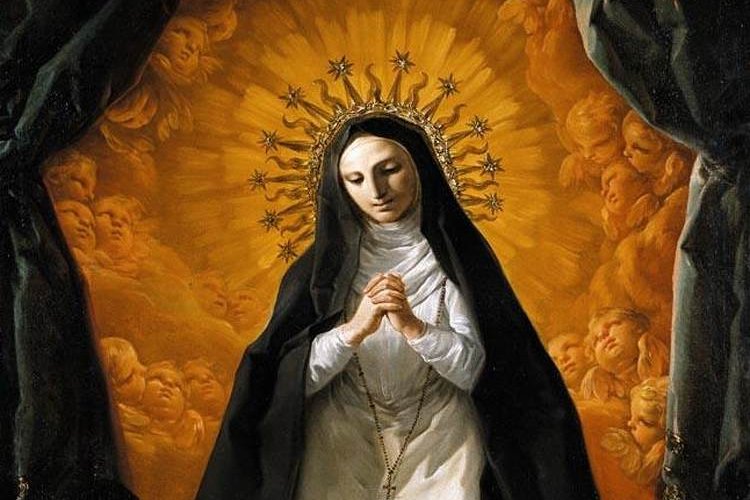
Corrado Giaquinto, St Margaret Mary Alacoque Contemplating the Sacred Heart of Jesus (1765), public domain via Wikimedia Commons
Nine Fridays, one specific promise
The structure of the devotion itself is simple to describe: a person attends Mass and receives Holy Communion on the first Friday of nine consecutive calendar months, without interruption. According to the content of the reported revelation, Christ attached a specific promise to this practice — what's generally called the Great Promise — assuring those who completed it "the grace of final penitence," meaning they would not die out of God's favor or without receiving the Church's sacraments, with the Sacred Heart itself serving as their refuge in that final moment of life. It's a promise concerned specifically with the end of life and the state of a soul at that moment, rather than with any particular earthly benefit along the way.
Part of a larger set of twelve
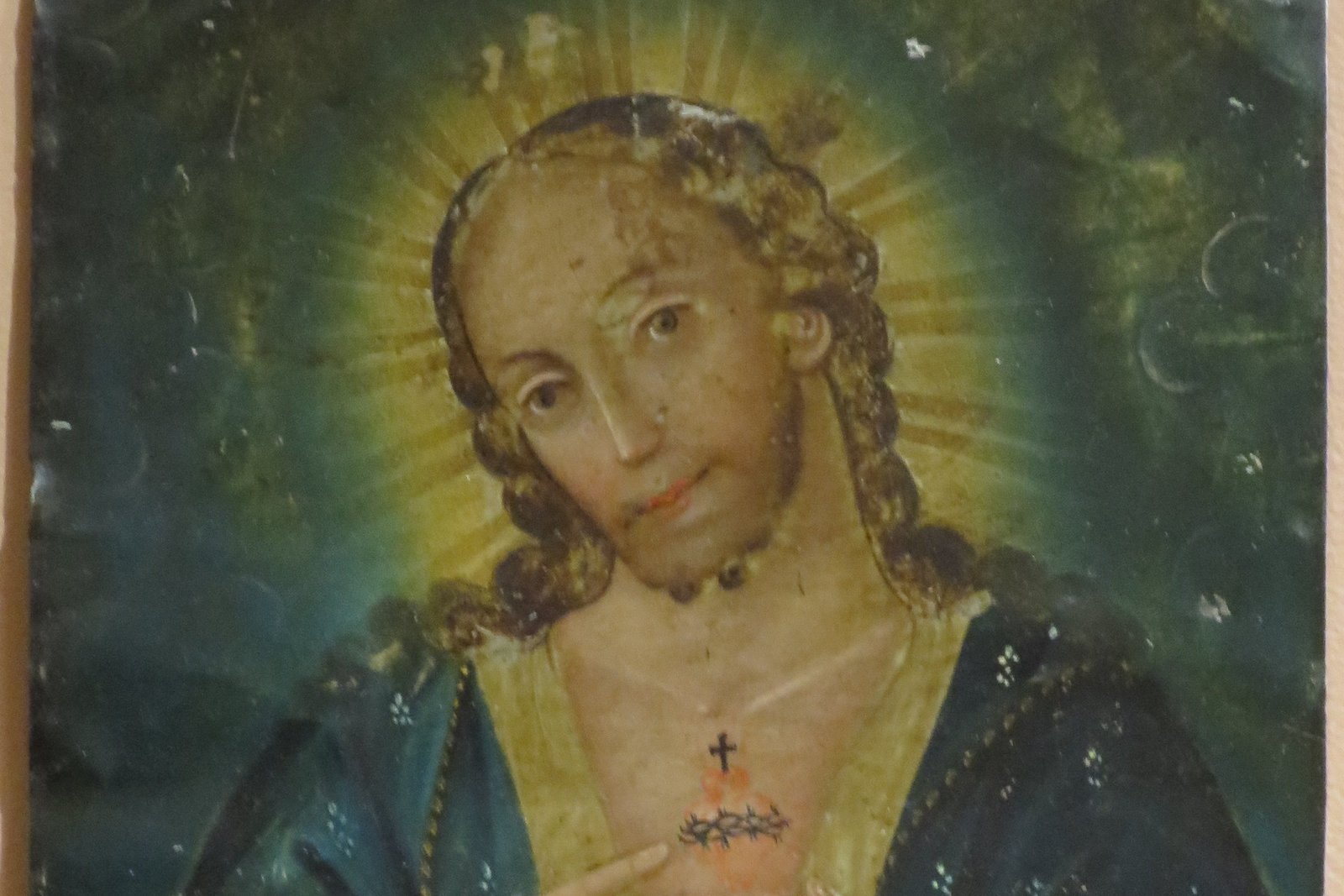
The Great Promise doesn't stand alone within the tradition connected to Margaret Mary's visions. Devotional tradition describes a total of twelve promises Christ is said to have made to those devoted to his Sacred Heart, touching on a considerably broader range of concerns than just the final one: granting all the graces necessary for a person's particular state in life, establishing peace within families, offering comfort in affliction, serving as a secure refuge throughout life as well as at death, blessing efforts undertaken with the devotion in mind, and specifically blessing homes where an image of the Sacred Heart is displayed and honored. The First Friday practice — nine consecutive months of Mass and Communion — is most closely tied to the ninth and final promise on most traditional lists, though it sits within this wider framework of twelve rather than existing as an isolated practice on its own.
Understanding what "private revelation" means here
It's worth pausing on a distinction that matters a great deal in Catholic theology but often gets blurred in casual devotional writing. Public revelation — Scripture and the Church's living Tradition — closed with the death of the last apostle, and it's this body of revelation that carries binding doctrinal authority for every Catholic. Private revelations, even ones the Church has formally approved as "worthy of belief," including Margaret Mary's visions at Paray-le-Monial, don't add new content to the deposit of faith and aren't required beliefs. A Catholic can respect the Church's approval of Margaret Mary's visions, value the Sacred Heart devotion that grew from them, and choose to practice the Nine First Fridays, all without treating the specific promises attached to the devotion as guaranteed in the way a defined dogma would be. That distinction isn't a way of downplaying the devotion — it's simply an accurate account of where it sits within the Church's broader structure of belief and practice.
A practice that asks for consistency
What distinguishes the First Friday devotion from many other Catholic practices is its built-in requirement of sustained, unbroken commitment — nine consecutive months, not nine Fridays spread out however convenient. That structure gives the devotion a particular character: it isn't a single act of piety completed and set aside, but a discipline stretched across the better part of a year, asking the person practicing it to return, deliberately, to the same altar on the same day of the week, month after month, until the ninth Friday finally arrives.
A devotion with roots older than Margaret Mary
While Margaret Mary Alacoque's visions at Paray-le-Monial gave the Sacred Heart devotion its most influential modern shape and its specific First Friday practice, devotion to Christ's heart as a symbol of his love didn't begin in the 17th century. Medieval mystics, including Saint Bonaventure and Saint Gertrude the Great, wrote about the wound in Christ's side and the heart it exposed centuries earlier, treating it as an image of divine love poured out for humanity. What Margaret Mary's reported visions did was give that older devotional theme a concrete structure — specific promises, a specific monthly practice, a specific feast day to anchor it — and a Jesuit priest and theologian, Saint Claude La Colombière, became her spiritual director and one of the devotion's earliest and most effective promoters, helping carry it beyond the convent walls at Paray-le-Monial into the wider Church.
How the Church formally recognized the devotion
It took the better part of two centuries for the Sacred Heart devotion to move from a private convent experience to a universal feast on the Church's calendar. Pope Pius IX extended the Feast of the Sacred Heart of Jesus to the entire Church in 1856, formally placing it on the liturgical calendar — it now falls on the Friday following the Second Sunday after Pentecost, in the same general stretch of the calendar as Corpus Christi. That formal recognition didn't newly invent devotion to the Sacred Heart, which by then had already spread widely among the laity through the First Friday practice and countless home images of the Sacred Heart; it confirmed, at the universal level, what generations of ordinary Catholics had already embraced on their own.
In practice today
Catholics observing the Nine First Fridays today typically prepare with the same elements described in the original promise: Mass attendance and sacramental Communion, often preceded by confession if needed, on nine consecutive first Fridays of the month. Many add a short prayer of consecration to the Sacred Heart, or pray a litany connected to the devotion, though the core requirement remains simply Mass and Communion, kept without a month's gap breaking the sequence. The related Nine First Saturdays devotion to Mary's Immaculate Heart, tied to the apparitions at Fátima rather than Paray-le-Monial, is often practiced alongside it, though the two devotions rest on separate reported revelations and carry distinct, separate promises.
Trivia
What is the First Friday devotion?
Where does the First Friday devotion come from?
What is the 'Great Promise' associated with the Nine First Fridays?
Is the First Friday devotion an official Church teaching Catholics must believe?
Are there other promises connected to the Sacred Heart devotion beyond the Great Promise?
Related Reading