The Cave of the Apocalypse, Patmos

An island chosen for exile, not devotion
Patmos is a small, rugged island in the Aegean Sea, part of the Dodecanese island chain off the western coast of Asia Minor, and in the late first century it functioned as a place of Roman banishment — a location remote enough, and unpleasant enough, to serve as effective punishment for those the empire wished to remove from active public life without formal execution. It was to this island that the Apostle John, according to the opening verses of the Book of Revelation, was exiled "because of the word of God and the testimony of Jesus," a phrase widely understood among scholars to indicate banishment as punishment for his Christian preaching and testimony, likely during a period of persecution associated with the reign of the emperor Domitian in the 90s A.D.
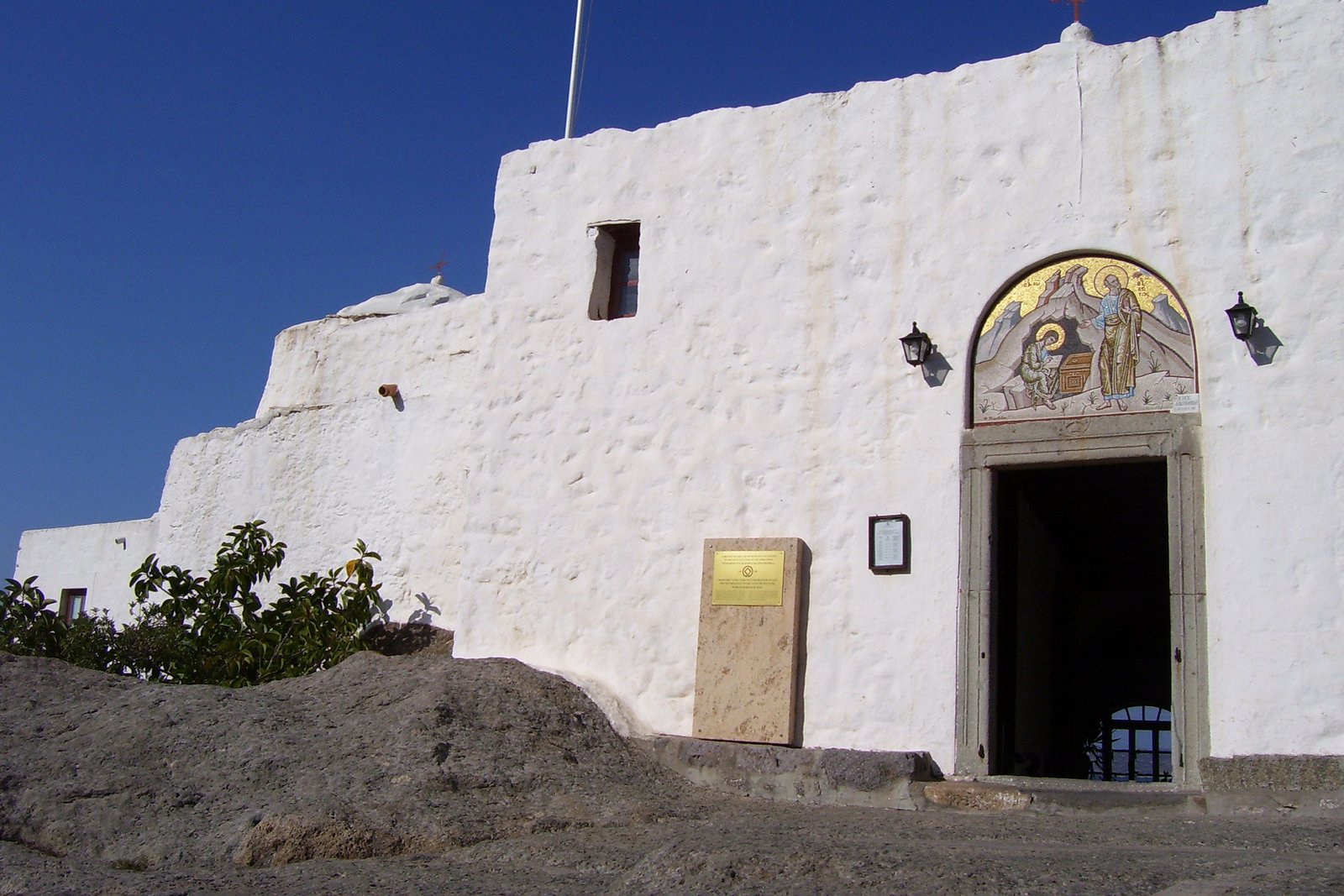
Photograph by Vladimir Boskovic, Cave of the Apocalypse, Patmos, 2007 — public domain, Wikimedia Commons.
Revelation's author identifies himself simply as John, and while the book's traditional attribution to the Apostle John, the same figure associated with the Fourth Gospel, has been affirmed by long-standing Christian tradition since the early centuries of the Church, some modern biblical scholars have questioned whether the author of Revelation is identical to the Gospel writer, given differences in Greek style and theological emphasis between the two texts — a genuinely open scholarly question the Church has never required Catholics to resolve one particular way as a matter of doctrine.
Visions received in a small cave
Local Patmos tradition, documented since at least the early Byzantine period, identifies a specific small cave on a hillside roughly midway up the island, between its main harbor and the higher ground where a later monastery would eventually be built, as the location where John received the extraordinary sequence of prophetic visions recorded in Revelation — visions of a glorified Christ, of cosmic conflict between good and evil, and of a final judgment and new creation that together comprise the most symbolically dense and difficult book in the entire New Testament.
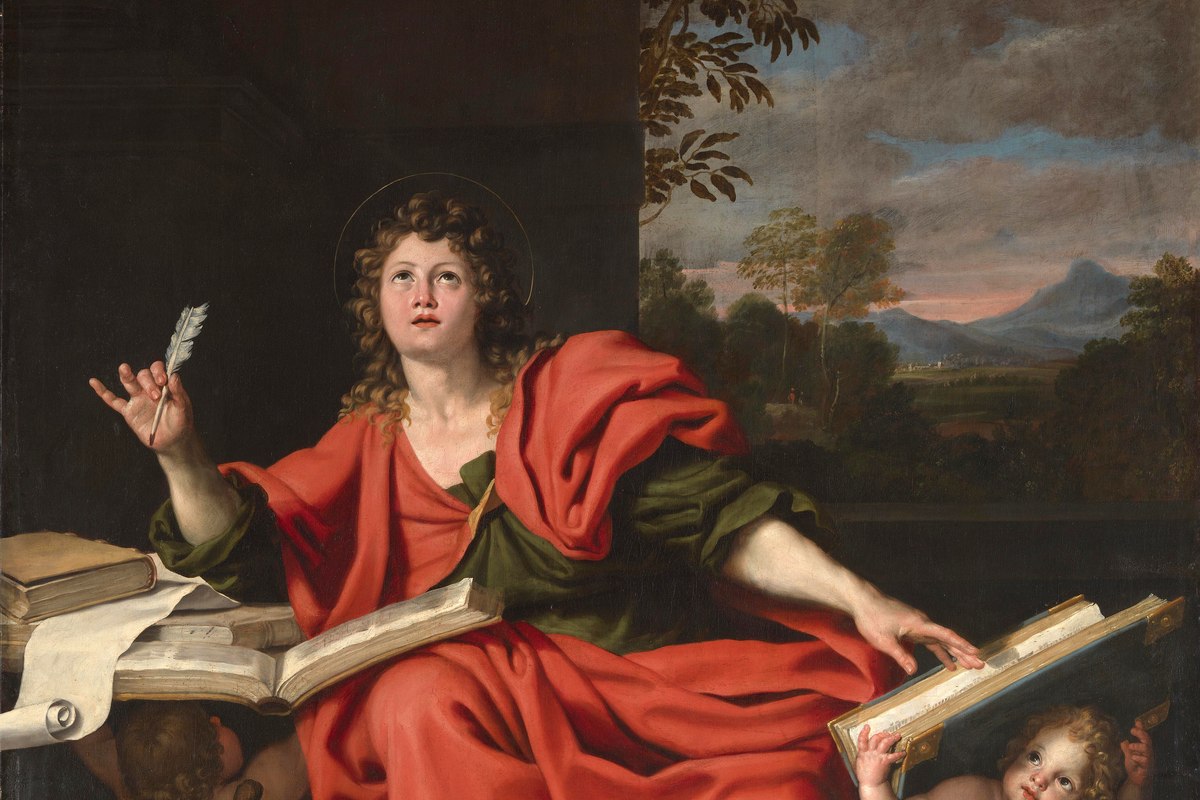
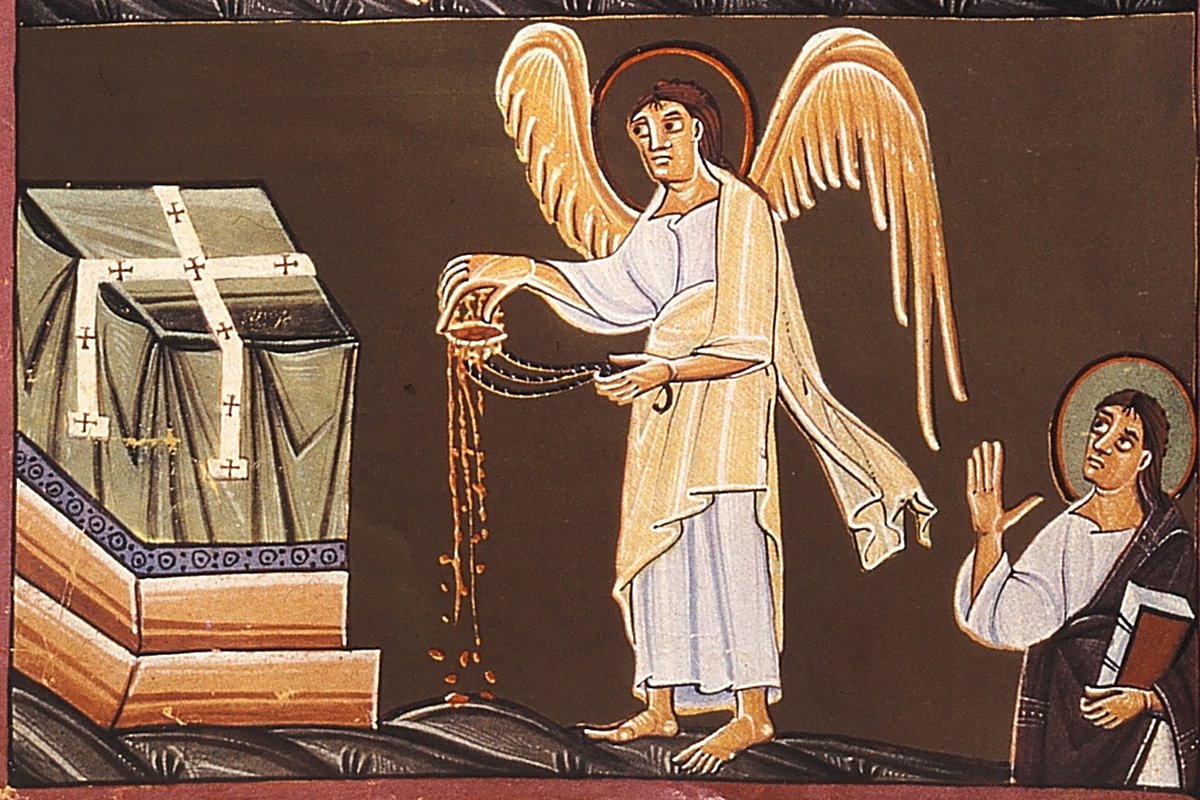
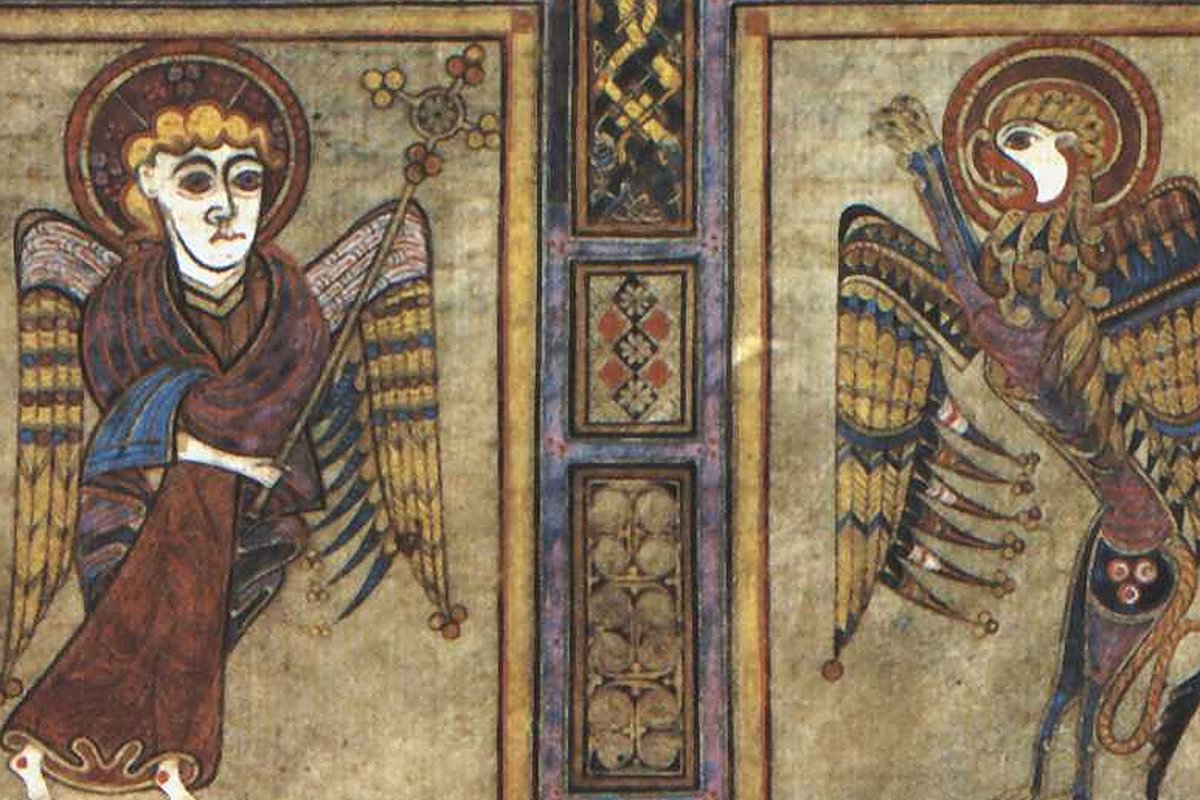
Tradition further holds that John did not write the text himself but dictated it to a disciple named Prochorus, said to have accompanied him during the exile and served as his scribe, transcribing the visions as John received and described them. This detail, like much of the specific tradition surrounding the cave, rests on continuous local memory and later hagiographic writing rather than on independent historical documentation contemporary with the events themselves, and readers should understand it as pious tradition rather than confirmed historical fact — a distinction worth keeping in mind for a text as symbolically layered as Revelation, whose imagery of angels, seals, trumpets, and bowls has generated centuries of theological interpretation. Readers interested in how angelic imagery specifically functions within the book can find more detail in angels in the Book of Revelation.
A cave preserved and built around
Over the centuries, the cave's veneration led to the construction of a small chapel built directly into and around the grotto itself, incorporating the natural rock formations of the cave into its structure rather than replacing them — visitors today can still see specific rock features within the cave that tradition has long associated with particular details of John's stay there, including a rock said to have served as his pillow and a triple fissure in the ceiling traditionally linked to the Trinity.
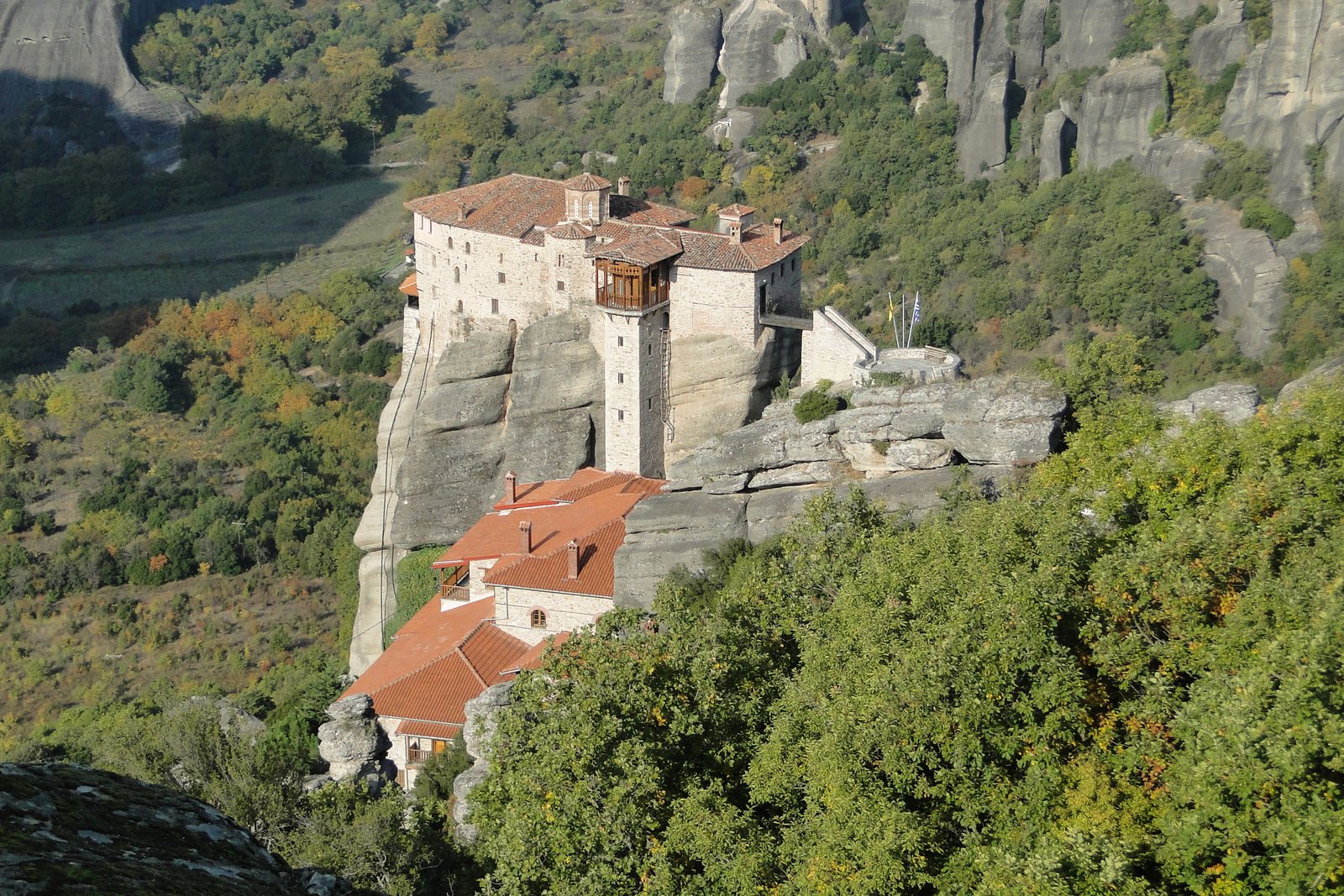
This building project on Patmos accelerated significantly after 1088, when the Byzantine monk Christodoulos received imperial permission to establish a monastery on the island dedicated to Saint John, choosing to build his fortified Monastery of Saint John the Theologian on the high ground above the cave rather than at the cave site itself, in part for defensive reasons given the frequent piracy threatening Aegean islands during this period. The cave, positioned partway between the island's harbor and the hilltop monastery, became integrated into a broader complex of Johannine veneration spanning much of the island's central terrain.
A UNESCO-recognized site of pilgrimage today
The Cave of the Apocalypse remains an active place of Orthodox Christian worship, maintained as a working chapel within a small monastic community, and continues to draw pilgrims and visitors from around the world specifically because of its association with the writing of Revelation. In 1999, UNESCO recognized the historic center of Patmos as a World Heritage Site, explicitly including both the Cave of the Apocalypse and the Monastery of Saint John the Theologian in the designation, citing the island's exceptional and continuous role as a place of Christian pilgrimage from the Byzantine period into the present.
For visitors today, the cave offers an unusually direct physical connection to the origins of one of the Bible's most challenging and consequential texts — a small, dim space on a remote island where, according to nearly two millennia of Christian tradition, an exiled apostle received and dictated a vision meant to speak not just to his own persecuted community but, in the text's own words, to the churches of every age that would read it afterward.
Trivia
What is the Cave of the Apocalypse?
Why was John exiled to Patmos?
What happened at the cave according to tradition?
Is the cave still a place of worship today?
How does the Cave of the Apocalypse relate to the wider island of Patmos?
Related Reading