Saint Pius V, Pope

A friar who never stopped being a friar
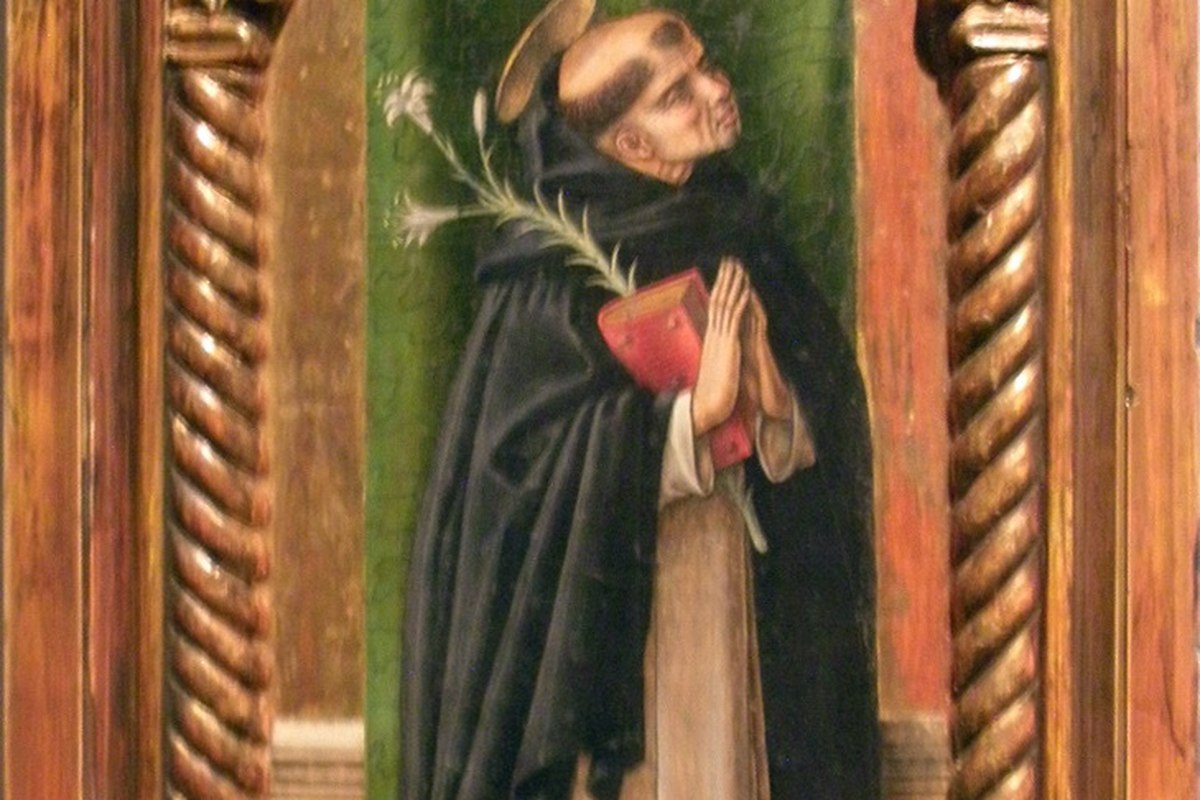
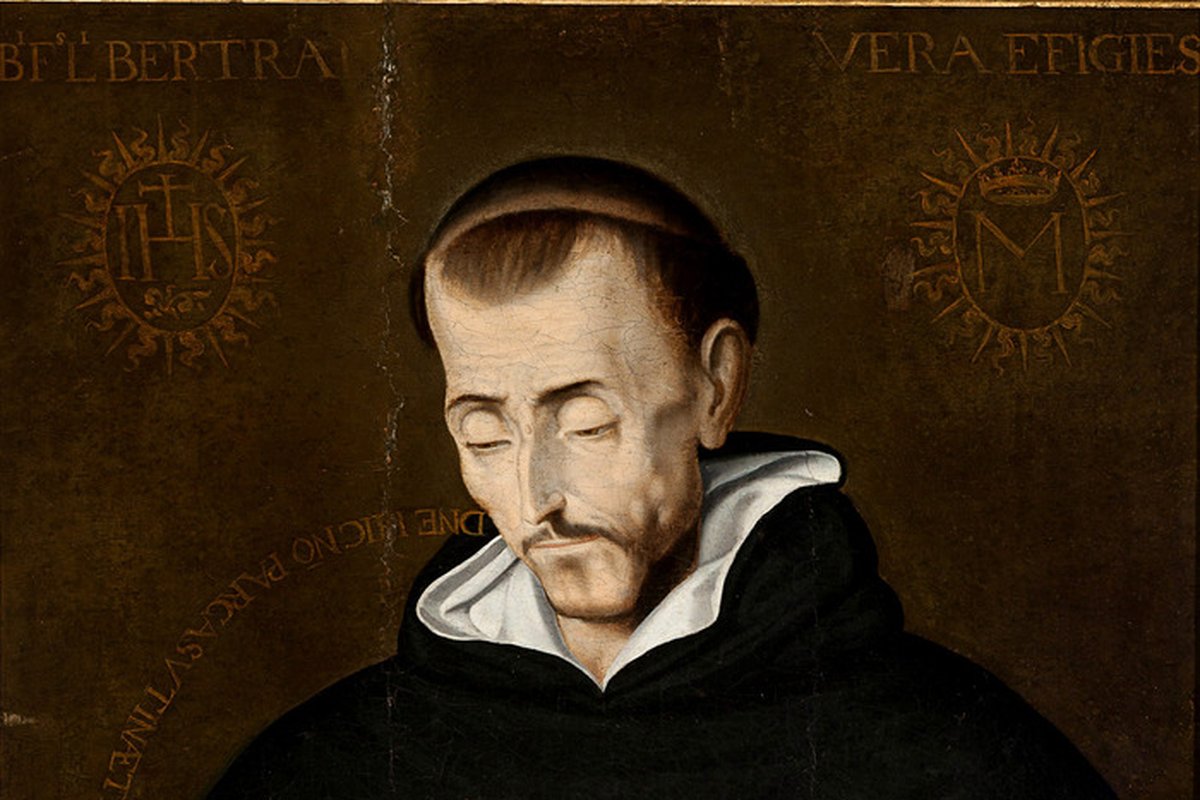
Antonio Ghislieri was born in 1504 in a small town in the Duchy of Milan, to a family of modest means, and entered the Dominican Order — the Order of Preachers, founded by Saint Dominic to combine rigorous study with itinerant preaching — at just fourteen years old. He spent the next several decades doing exactly what Dominicans are trained to do: teaching philosophy and theology, and serving the Church as an inquisitor, a role that in his era meant investigating doctrinal disputes and heresy cases rather than the caricature the word later acquired in popular imagination. Colleagues described him as austere to the point of severity, uninterested in comfort, and relentlessly consistent between what he preached and how he lived.
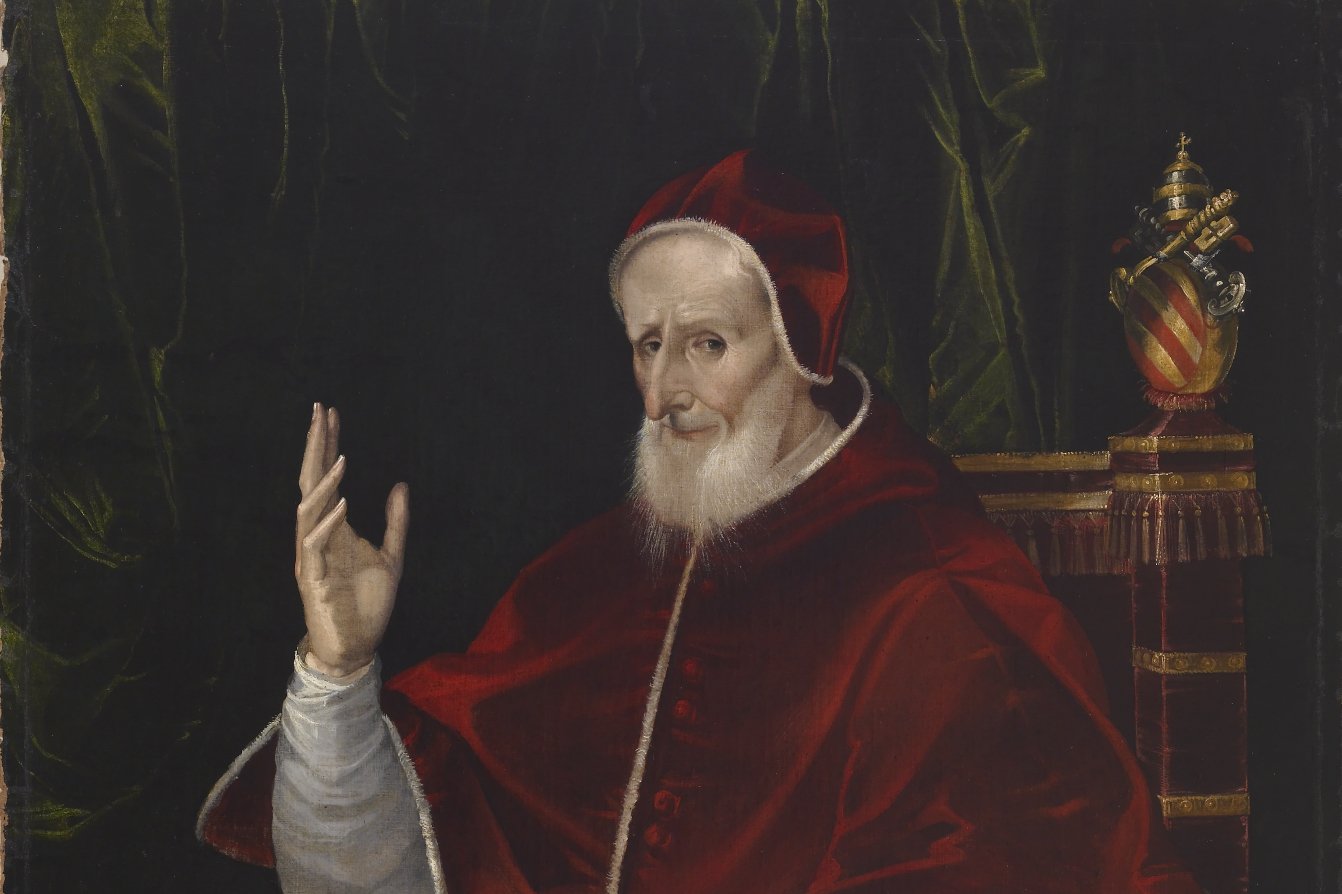
Bartolomeo Passarotti, Portrait of Pope Pius V, c. 1566, Walters Art Museum, Baltimore — public domain
That consistency is what carried him upward through the Church's ranks — bishop, cardinal, and eventually, in 1566, pope, taking the name Pius V. He did not change his habits with his title. Historical accounts consistently note that he kept wearing his white Dominican habit under the papal vestments, a detail that stuck so firmly in the public imagination that it's often credited as the reason popes have worn white ever since, although the full history of papal white is more tangled than that single anecdote suggests.
Finishing what Trent started
Pius V's pontificate is inseparable from the Council of Trent, the great nineteen-year council that had concluded just three years before his election, called to respond to the doctrinal challenges of the Protestant Reformation and to reform abuses within the Catholic Church itself. Councils define teaching, but someone still has to carry the decrees into parish life, and that task fell largely to Pius V.
He published a revised Roman Catechism in 1566, intended to give parish priests a clear, unified reference for teaching the faith. In 1570 he issued the Quo Primum bull promulgating a standardized Roman Missal — the book containing the texts and rubrics for the Mass — which brought a level of liturgical uniformity across the Latin Church that hadn't existed in centuries, since regional variations had multiplied wildly throughout the medieval period. He also produced a reformed Breviary, the book of daily prayers said by clergy and religious. None of this was showmanship; it was the unglamorous administrative labor of making a council's decisions actually reach the pews, and it's the reason later generations still refer to the pre-1970 Mass as the "Tridentine" or "traditional Latin" Mass — a form of the liturgy shaped directly by his reforms.
A pope and a fleet
By the late 1560s, the Ottoman Empire's naval power had become a genuine strategic threat to Christian territories across the Mediterranean, and Cyprus fell to Ottoman forces in 1570 after a brutal siege. Pius V responded by assembling the Holy League, a coalition of Catholic naval powers including Spain, Venice, and the Papal States, brought together against considerable political friction since these states did not naturally trust one another.
The combined fleet met the Ottoman navy at the Battle of Lepanto, off the coast of Greece, on October 7, 1571 — one of the largest naval battles in European history, fought almost entirely between rowed galleys. The Holy League won decisively, a result contemporaries across Europe treated as a turning point after years of anxious retreat. Pius V had asked Catholics throughout Europe to pray the Rosary for the fleet's success in the weeks leading up to the engagement, and in thanksgiving for the victory he instituted the feast of Our Lady of Victory, which his successor Gregory XIII later renamed the feast of the Holy Rosary — the origin of the October 7 date still kept on the calendar today. The story of the pope perceiving the victory by some interior sign before word could travel is preserved in early biographical accounts of his life; it belongs to pious tradition rather than to any doctrine the Church requires the faithful to accept, and it should be read as such — a legend that grew up quickly around a man contemporaries already regarded as remarkably intense in prayer.
Discipline without ambiguity
Pius V's papacy was also marked by an uncompromising approach to discipline, both doctrinal and personal. He pursued reform of clerical life with the same rigor he'd applied as a friar to his own — cracking down on absentee bishops, simony (the buying and selling of Church offices), and lax religious observance. He excommunicated Elizabeth I of England in 1570 through the bull Regnans in Excelsis, a decision that had lasting and complicated political consequences for English Catholics for generations afterward, entangling their loyalty to Rome with accusations of disloyalty to the English crown.
He was also personally austere in ways contemporaries found striking even by the standards of the age: he reportedly continued fasting practices typical of Dominican religious life even as pope, kept a simple household, and gave generously to the poor of Rome from what would otherwise have gone toward papal luxury. Canonized in 1712 by Pope Clement XI, he remains one of a relatively small number of popes formally recognized as saints, a distinction that reflects both the depth of his personal holiness and the consequential nature of what he accomplished in a pontificate of only six years.
A legacy carried in ordinary things
What makes Pius V unusual among reforming popes is how much of his legacy survived in everyday, unglamorous form — a missal used at the altar every day for four centuries, a catechism handed to parish priests, a feast still on the calendar every October. None of it depended on personal charisma sustaining itself after his death, the way some pontificates fade once the person is gone. It depended on structures: books, decrees, a rosary devotion given a fixed date. For a friar who spent his whole life valuing consistency over display, that may be exactly the kind of legacy he would have wanted — quiet, durable, still doing its work long after the man himself was gone.
Trivia
Why is Saint Pius V remembered as a reforming pope?
What was Pius V's connection to the Battle of Lepanto?
Was Pius V a Dominican friar before becoming pope?
What is Saint Pius V's feast day?
You May Also Like
Related Reading