Baroque Drama in Religious Painting

A style built for churches that wanted to move people
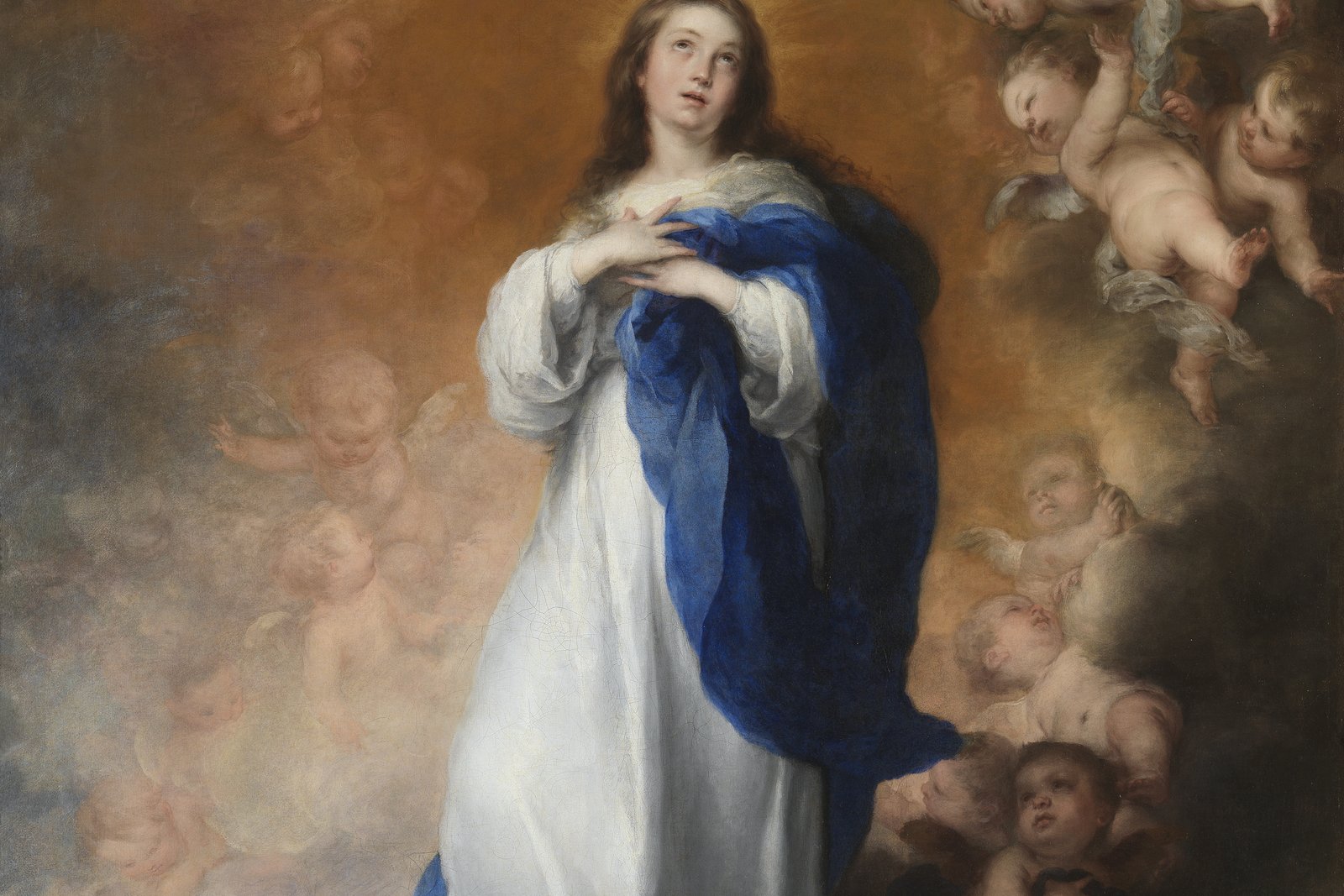
The Baroque period in religious painting, roughly spanning the late 1500s through the mid-1700s, developed in close partnership with the Catholic Church's own response to the Protestant Reformation. Where reformers had criticized elaborate religious imagery as a distraction from Scripture, the Council of Trent, meeting in sessions between 1545 and 1563, affirmed the pastoral value of sacred art and encouraged images that could move viewers toward devotion and repentance directly, emotionally, without requiring theological sophistication to grasp. Baroque religious painting, and the dramatic technique most associated with it, grew directly out of that mandate: art meant not just to instruct, but to overwhelm.
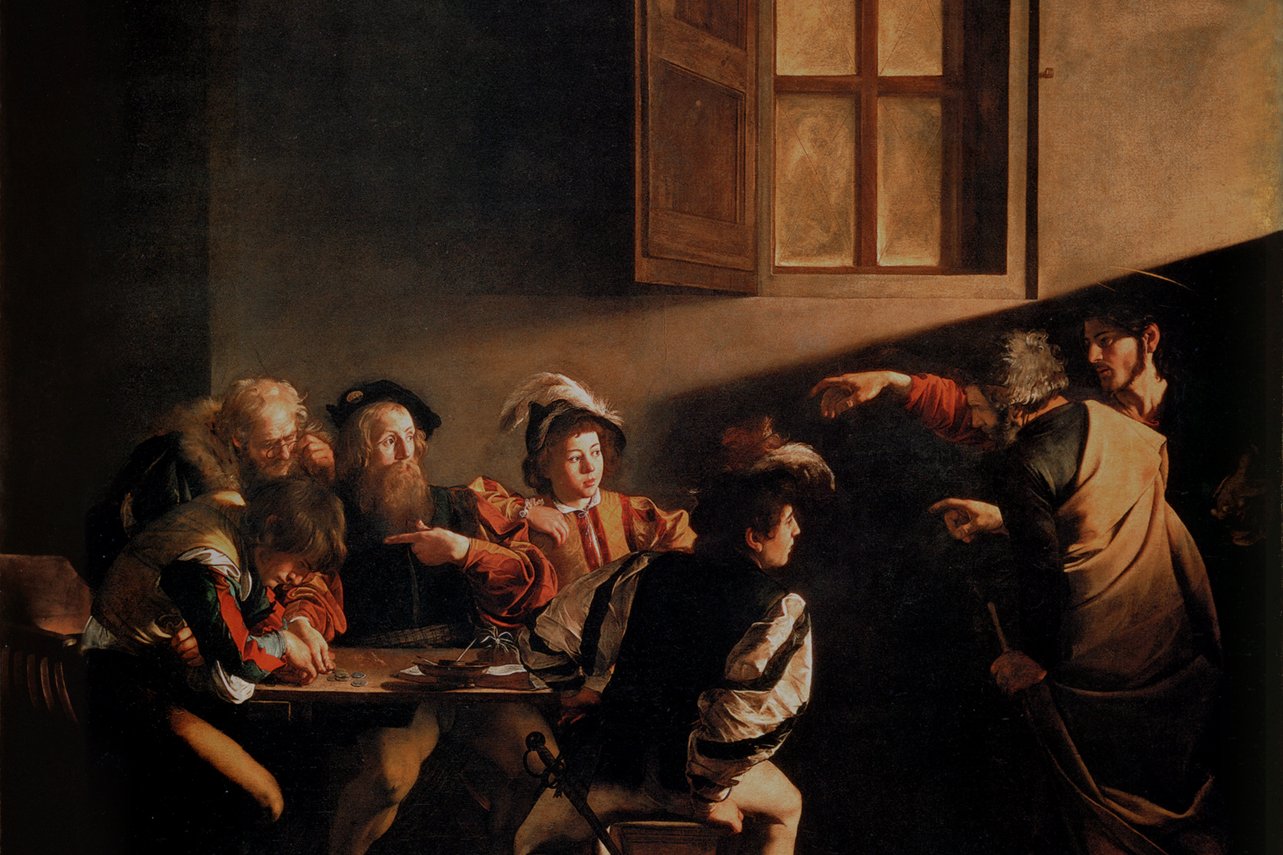
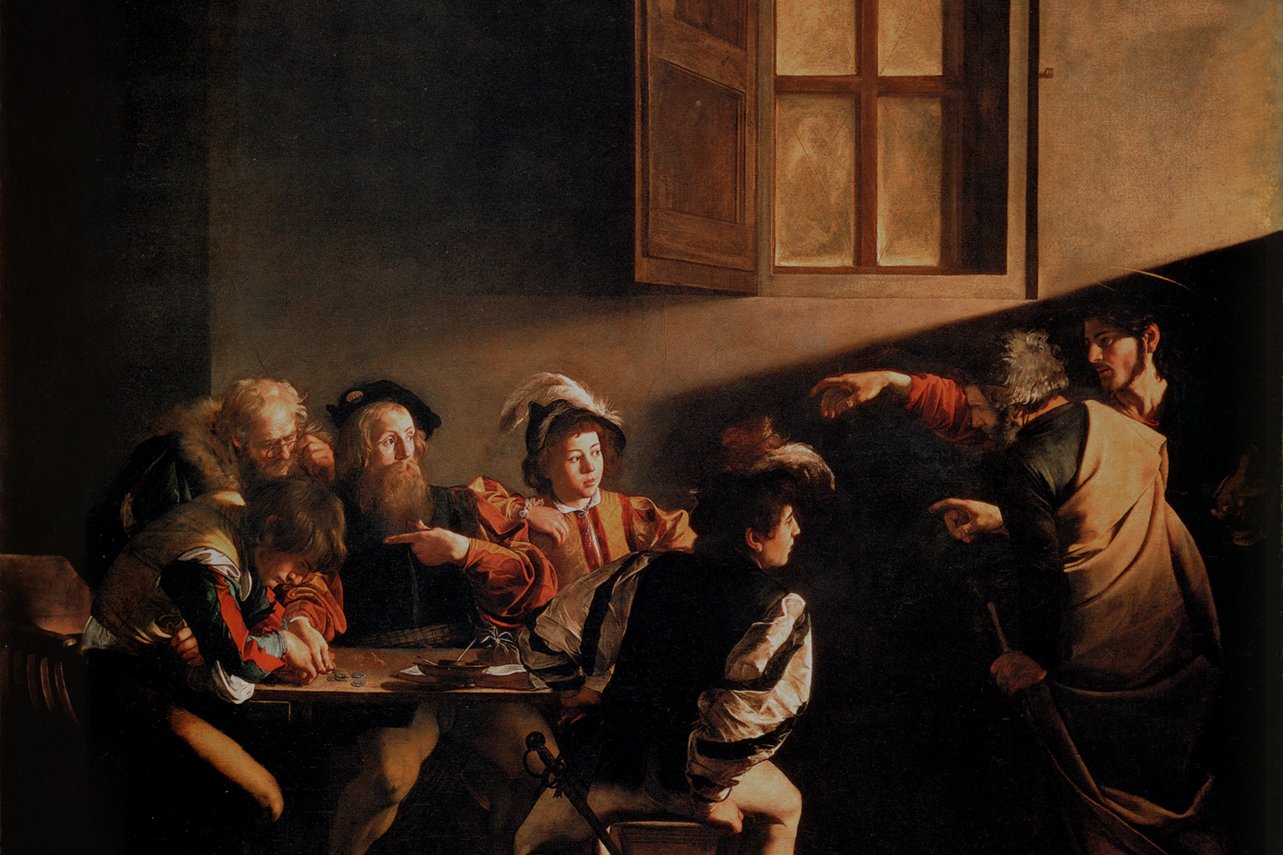
Caravaggio, "The Calling of Saint Matthew," 1599-1600, Contarelli Chapel, San Luigi dei Francesi, Rome — public domain.
Caravaggio and the birth of tenebrism
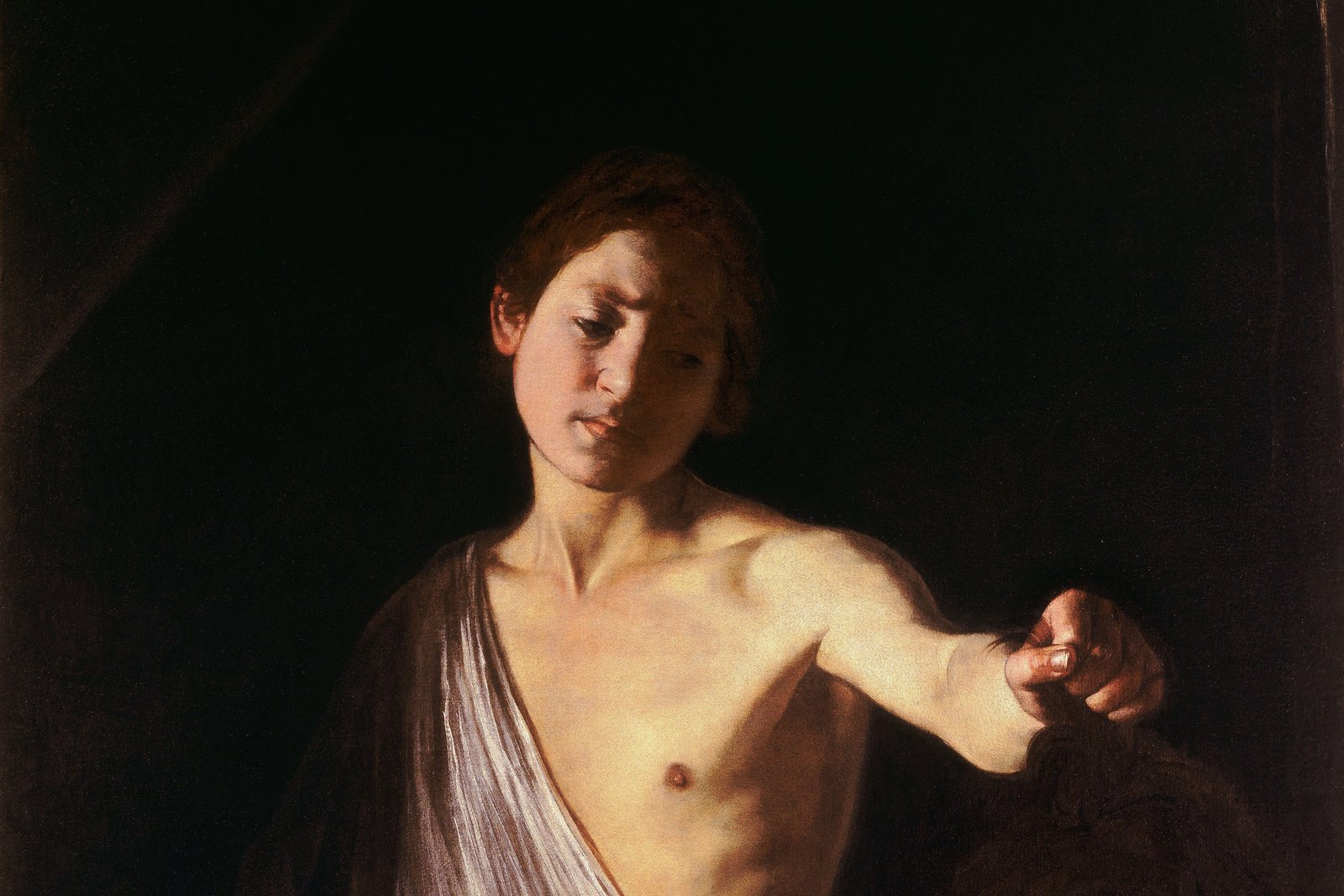
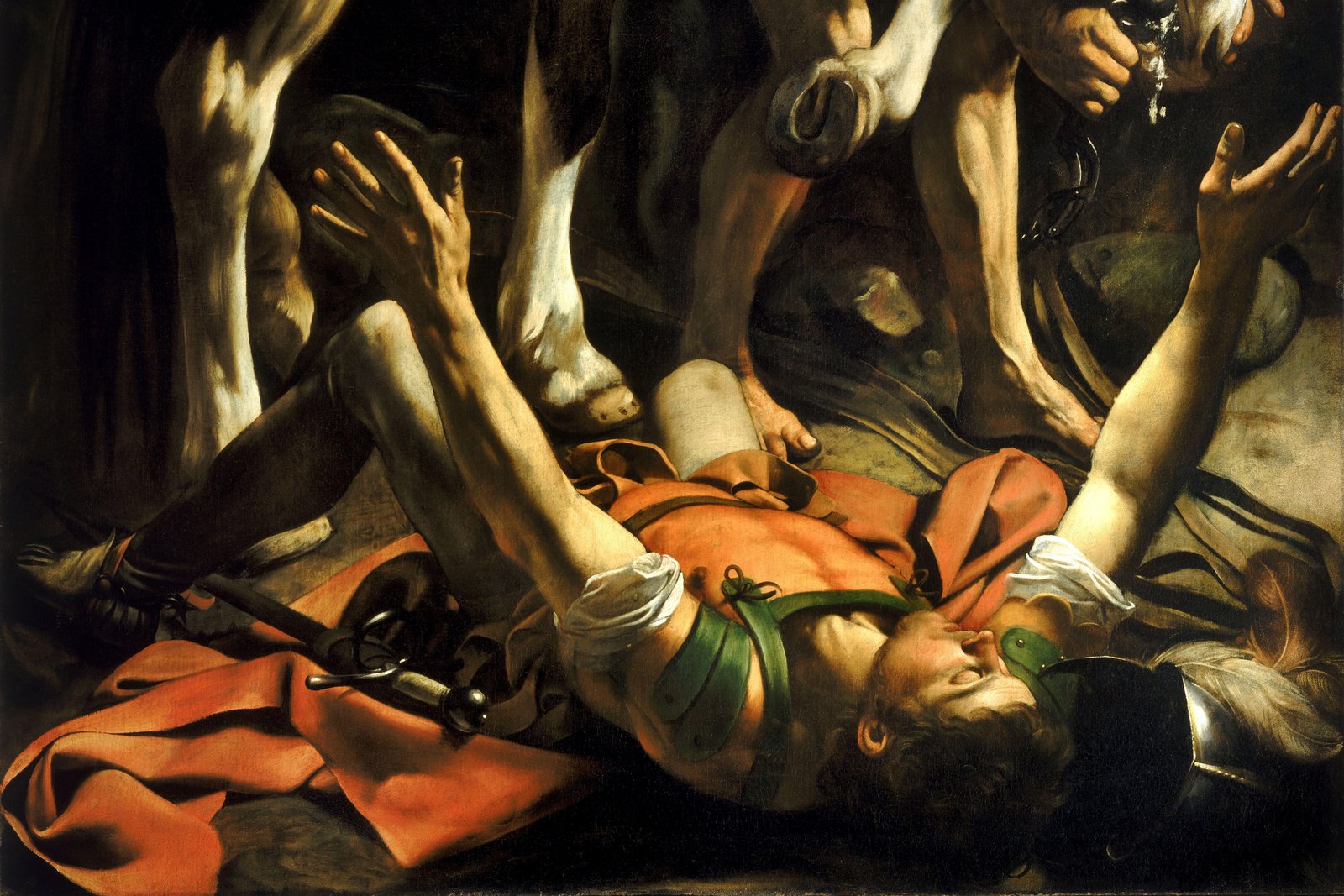
No single painter shaped this drama more than Michelangelo Merisi, known as Caravaggio, working in Rome from the 1590s until his death in 1610. Caravaggio's technique, often called tenebrism — an intensified form of chiaroscuro, the general term for light-and-shadow modeling — plunges most of a canvas into near-total darkness while illuminating the essential figures and gestures with a narrow, often unexplained beam of light.
The Calling of Saint Matthew, painted for the Contarelli Chapel in the church of San Luigi dei Francesi in Rome and used as this article's hero image, shows the technique at full force. Christ, half-hidden at the painting's right edge, extends a hand across the composition toward a group of men counting money at a table. The light source is never shown and never fully explained — it simply falls across the group, catching faces and hands, leaving the rest of the room in shadow. The effect isolates the single, decisive instant of divine calling from any surrounding narrative clutter, forcing the viewer's eye to the exact place the meaning of the scene actually lives.
Ordinary bodies for extraordinary events
Caravaggio's dramatic lighting worked in tandem with an equally controversial choice: he painted saints and biblical figures using real, unidealized human models drawn from the streets and taverns of Rome, rather than the classically balanced, idealized bodies favored by earlier Renaissance and Mannerist painters. Contemporary biographers, including Giovanni Baglione, a rival painter whose account is colored by personal animosity toward Caravaggio, nonetheless confirm that Caravaggio worked directly from live models rather than idealized types, and that this practice scandalized some patrons even as it captivated others.
Several of Caravaggio's religious commissions were rejected outright by the clergy who ordered them, reportedly for showing saints with dirty feet, aged and weathered faces, or physical imperfections considered undignified for sacred subjects. Yet this same unidealized realism is precisely what made his work feel urgently, uncomfortably present to many viewers — a martyrdom or a calling that looked like it involved real, physically vulnerable human beings rather than idealized figures untouched by ordinary human frailty.
The Caravaggisti carry the style across Europe
Caravaggio's direct influence in Rome was relatively brief — he fled the city in 1606 after killing a man in a fight and spent his remaining years moving between Naples, Malta, and Sicily — but the technique he developed spread rapidly through a loose international network of painters art historians now call the Caravaggisti. Orazio Gentileschi and his daughter Artemisia Gentileschi, one of the most significant painters of the era in her own right, adopted his dramatic lighting for scenes including Judith beheading Holofernes, rendered with a physical intensity rarely matched even by Caravaggio himself. In Spain, Jusepe de Ribera carried the tenebrist style to Naples and beyond, influencing a generation of Spanish religious painting including Diego Velázquez's austere, dramatically lit Crucifixion. In France, Georges de La Tour developed a gentler, candlelit variant of the same fundamental technique, often used for quiet devotional and nocturnal religious scenes rather than violent action.
Drama that serves stillness, too
It's worth noting that Baroque chiaroscuro wasn't reserved exclusively for violent or highly active subjects. The same dramatic isolation of light and shadow that makes a martyrdom scene feel urgent could, in different hands, suggest deep interior stillness — a single candle illuminating a figure absorbed in prayer or private meditation, the surrounding darkness functioning less as tension and more as a visual equivalent of withdrawal from the ordinary, distracting world. Georges de La Tour's candlelit penitent Magdalene paintings are a frequently cited example: dramatic in technique, but contemplative rather than violent in mood.
Why the technique still reads as "cinematic"
Modern viewers often describe Baroque religious painting, and Caravaggio's work especially, as looking cinematic — an anachronistic term, but not an unreasonable comparison. The sharp, motivated-feeling light, the mid-action framing, the direct psychological engagement with ordinary-looking human figures: these are exactly the visual tools later adopted by stage lighting and eventually film lighting design, centuries after Caravaggio developed them for oil on canvas. The technique proved so effective at making sacred history feel immediate rather than remote that its basic vocabulary — isolate the figure, control the light, let shadow do the emotional work — never really left Western visual storytelling at all.
Trivia
What is chiaroscuro in Baroque painting?
Why did Caravaggio use ordinary-looking people as models for saints?
Who were the Caravaggisti?
Was Baroque dramatic lighting used only for violent or intense subjects?
How is Baroque religious drama different from earlier Renaissance religious painting?
Related Reading