Joseph Reveals Himself to His Brothers

A powerful stranger, and brothers who don't recognize him
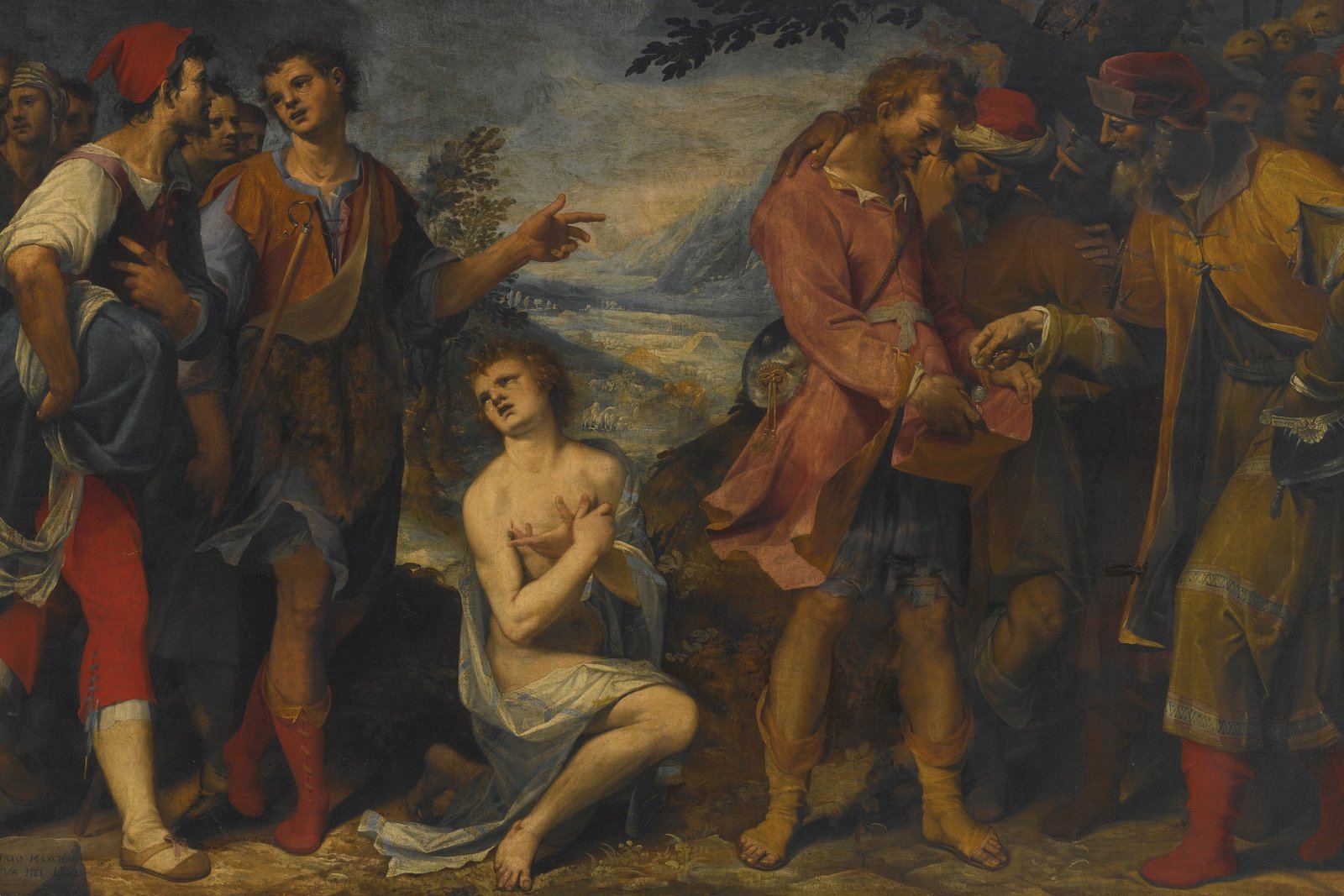
By the time this scene takes place, Joseph has already spent several tense encounters testing his brothers without revealing who he is — accusing them of spying, demanding they bring their youngest brother Benjamin to Egypt, planting a silver cup in Benjamin's sack to force a crisis. None of it has tipped his brothers off. As far as they know, they are standing before a powerful, unnamed Egyptian official who holds their family's survival in his hands during a severe famine — with absolutely no idea that the man in front of them is Joseph, the brother they sold into slavery decades earlier and told their father had been killed by a wild animal.
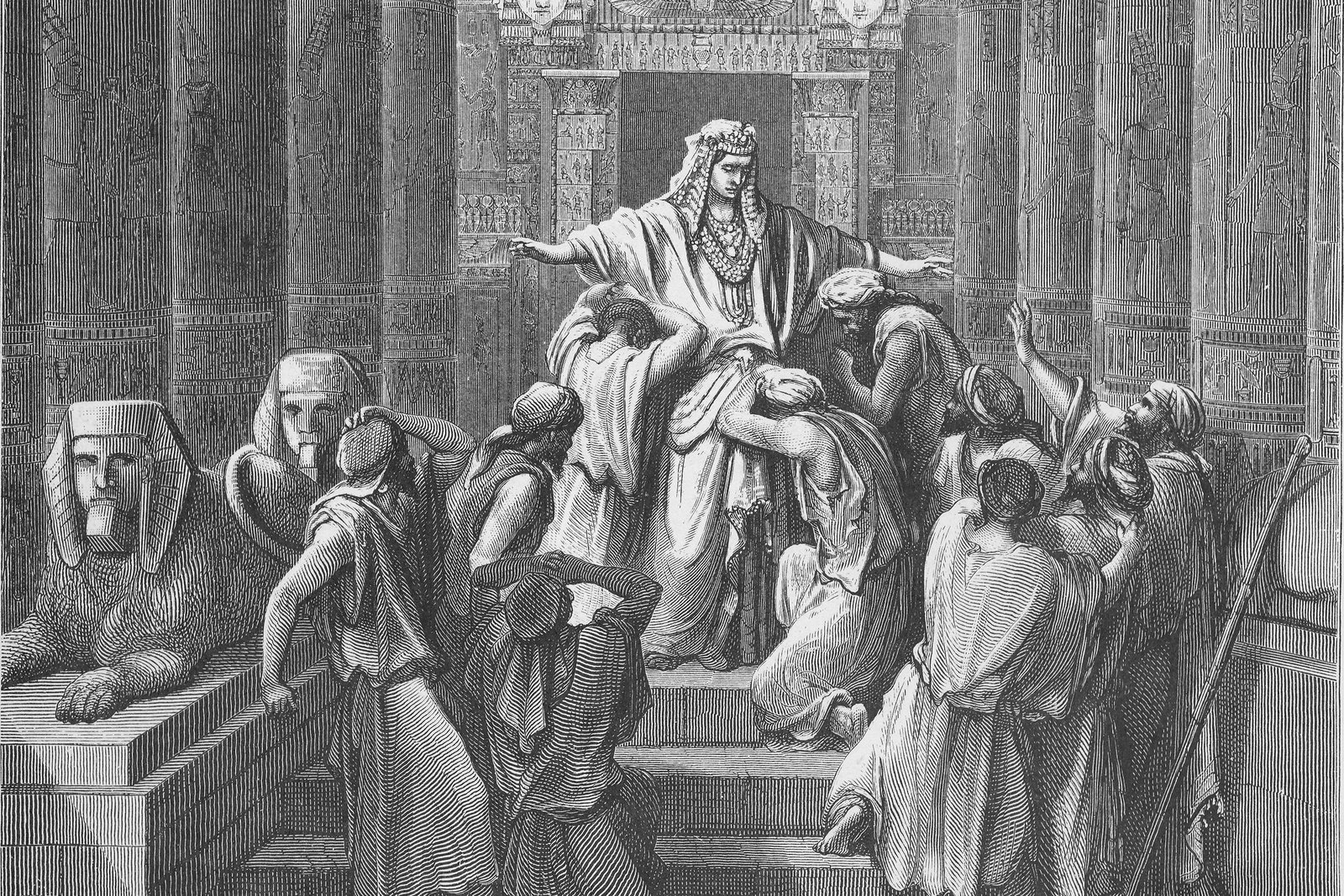
Gustave Dore, Joseph Reveals Himself to His Brothers (1866), public domain via Wikimedia Commons
A breaking point he can no longer hide
Whatever composure Joseph had maintained through the earlier tests collapses in this scene. "Joseph could no longer restrain himself in the presence of all his attendants, so he cried out, 'Have everyone withdraw from me!'" (Genesis 45:1, NABRE) — he clears the room deliberately, wanting this moment to happen without Egyptian witnesses present. Even then, his emotion isn't quiet: "his sobs were so loud that the Egyptians heard him, and so the news reached Pharaoh's house" (Genesis 45:2, NABRE). It's a striking detail for a man who has, up to this point in the story, displayed remarkable control and strategic patience — the dam finally breaks, loudly enough to carry through walls and reach the palace.
"I am Joseph"
Once the room is cleared, Joseph says the words that change everything: "'I am Joseph,' he said to his brothers. 'Is my father still alive?' But his brothers could give him no answer, so dumbfounded were they at him" (Genesis 45:3, NABRE). It's worth sitting with how brief and direct this is — no lengthy preamble, no gradual reveal, just a name and an immediate, urgent question about his father's welfare. His brothers' silence isn't described as joy or relief in this first instant; it's shock, the kind that leaves people unable to speak. Joseph has to draw them closer and repeat himself before the moment can move forward at all: "'Come closer to me,' Joseph told his brothers. When they had done so, he said: 'I am your brother Joseph, whom you sold into Egypt'" (Genesis 45:4, NABRE) — naming, plainly and without euphemism, exactly what they had done to him.
Not excusing it, but reframing it
What Joseph says next is the theological center of the whole episode. He doesn't pretend the betrayal didn't happen or minimize it — he names it again directly — but he immediately places it within a larger frame: "So it was not really you but God who had me come here; and he has made me a father to Pharaoh, Lord of all his household, and ruler over the whole land of Egypt" (Genesis 45:8, NABRE), explaining just before this that "God, therefore, sent me on ahead of you to ensure for you a remnant on earth and to save your lives in an extraordinary deliverance" (Genesis 45:7, NABRE). It's a remarkable rhetorical move: Joseph doesn't ask his brothers to pretend the wrong never occurred, but he refuses to let it remain the final word on what happened — reading the entire chain of events, betrayal included, as something God had used toward an outcome that ultimately saved the very family that had wronged him.
From reunion to migration
The practical consequences move quickly after this. Joseph urges his brothers to return to Canaan without delay and bring their father Jacob, along with the rest of the family, down into Egypt, where he can provide for them through the remaining years of the famine. He offers them the fertile region of Goshen to settle in — a detail that sets in motion the larger movement of Jacob's entire household into Egypt, the beginning of a presence there that will eventually stretch across generations and set the stage, much later, for the very different circumstances of slavery and deliverance told in Exodus.
A reconciliation that doesn't erase the wrong
What makes this scene endure isn't simply that it has a happy ending — it's the particular shape of that ending. Joseph doesn't ask his brothers to forget what they did, and Genesis doesn't pretend the betrayal was somehow minor. Instead, the story holds both things together: real harm, plainly named, and a forgiveness that doesn't require denying the harm to be genuine. Joseph's tears, loud enough to be heard through a palace wall, are the clearest sign in the whole narrative that reconciliation here isn't cheap or effortless — it costs him something considerable to offer it, which is part of why the moment has remained one of the most studied and returned-to scenes of forgiveness in the whole Old Testament.
Trivia
Why didn't Joseph's brothers recognize him?
How did Joseph reveal his identity to his brothers?
Did Joseph blame his brothers for selling him into slavery?
Why was Joseph crying so loudly during this scene?
What happened after Joseph revealed himself?
Related Reading