The Dedication of Solomon's Temple

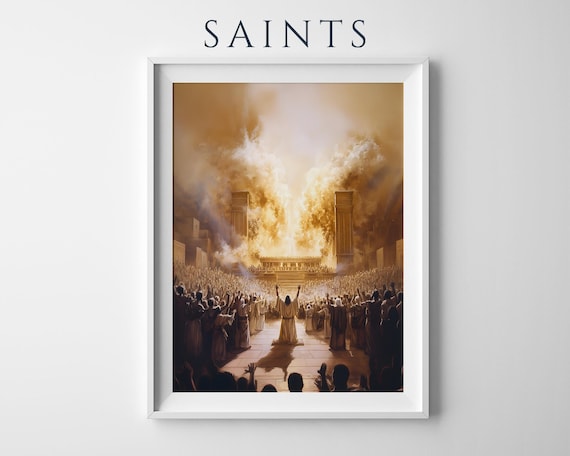
An empty box, carried with enormous ceremony
When the priests finally carried the Ark of the Covenant into the newly completed Temple, what they placed beneath the wings of the cherubim in the Most Holy Place was, in physical terms, almost startlingly modest: nothing except the two stone tablets Moses had placed inside it at Mount Sinai. No treasure, no elaborate additions accumulated over the centuries — just the same simple contents it had carried since the Israelites' journey through the wilderness, now finally given a permanent home.
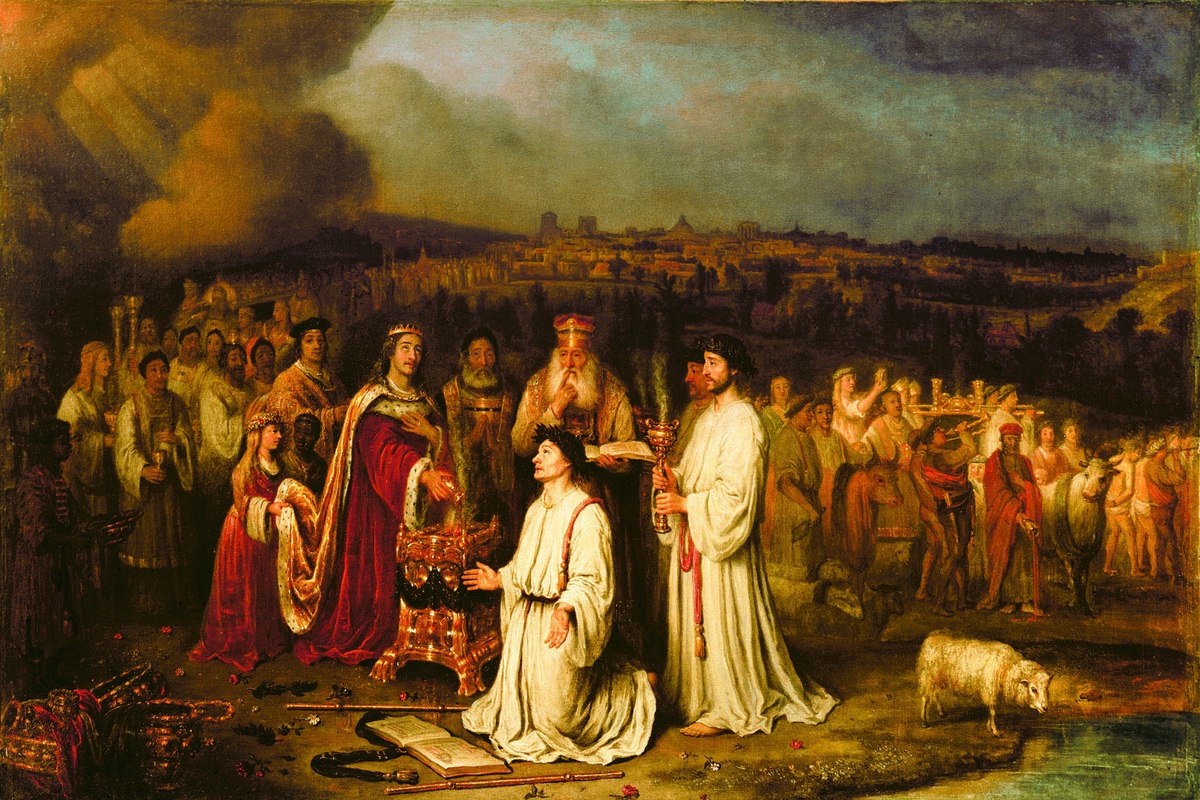
Philips Koninck, "Solomon Dedicating the Temple outside Jerusalem," c. 1664 — public domain.
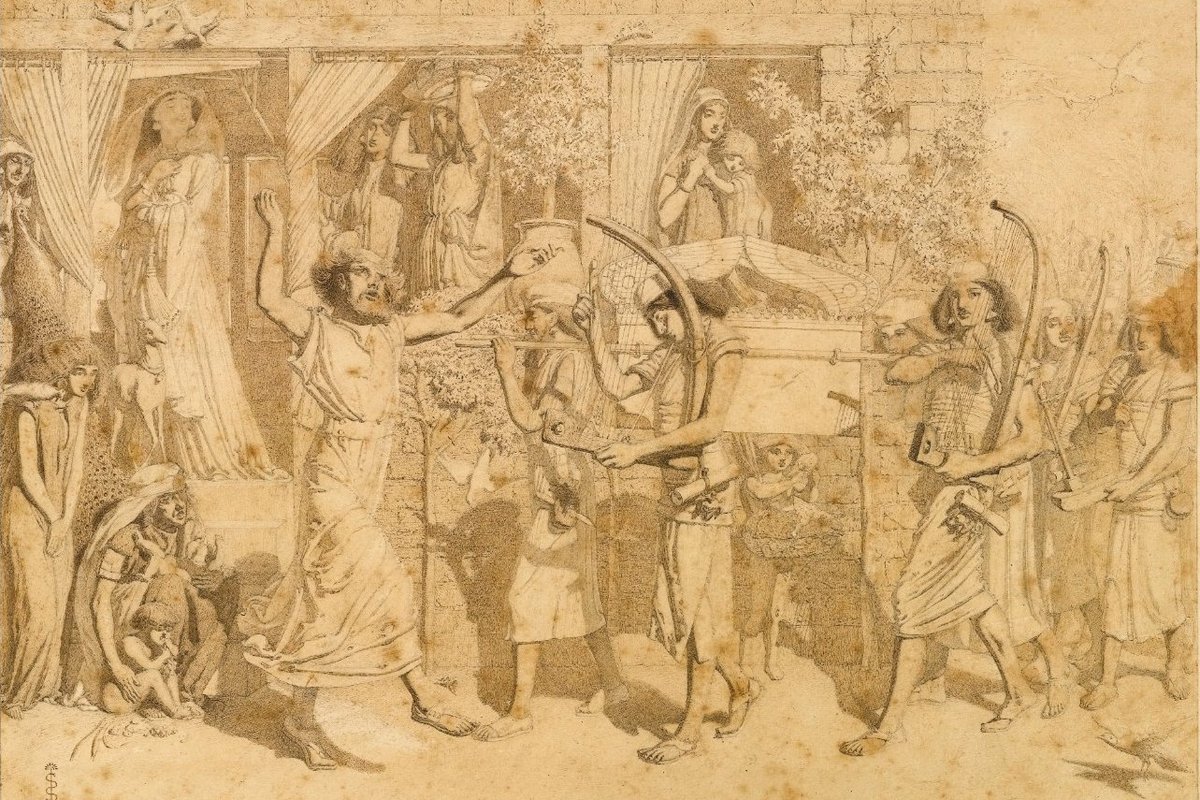
Getting to that moment had taken generations. It was King David, Solomon's father, who first wanted to build a permanent temple to house the Ark, having grown uneasy that he lived in a palace of cedar while God's Ark remained housed in a tent. The prophet Nathan told David that the honor of actually constructing the Temple would fall instead to his son, and 1 Kings records that Solomon began the project in the fourth year of his reign, using skilled craftsmen and cedar wood supplied by King Hiram of Tyre, and completing the structure after seven years of labor. The Ark itself, meanwhile, had already traveled a long and eventful road by that point — captured at times by Israel's enemies, moved between several temporary locations, and finally brought to Jerusalem by David himself in a procession so joyful that David, according to Scripture, danced before it in the streets.
A ceremony physically interrupted by what it invited
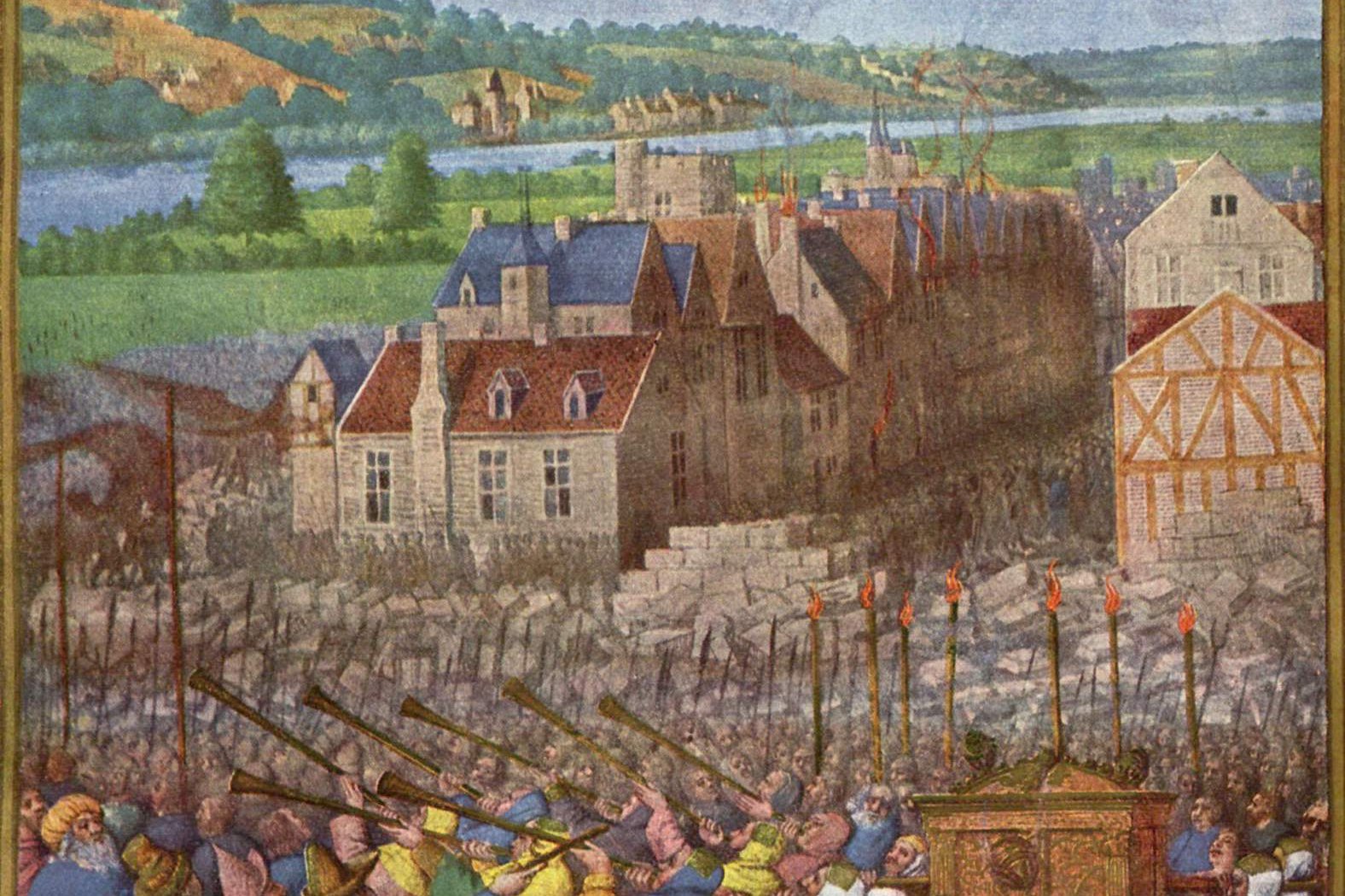
What happened next wasn't part of anyone's planned liturgy. As the priests came out of the holy place, Scripture records plainly: "a cloud filled the house of the Lord, so that the priests could not stand to minister because of the cloud; for the glory of the Lord filled the house of the Lord" (1 Kings 8:10-11, RSV-CE). The dedication didn't simply proceed as scripted — it was interrupted by a divine presence dense enough to make the priests' own continued service physically impossible. The ceremony, in effect, was overtaken by the very thing it had been built to invite.
This wasn't the first time a cloud of this kind had marked God's presence in Israel's worship. The same imagery appears at the dedication of the portable Tabernacle centuries earlier during the wilderness years, when Exodus describes a cloud covering the tent of meeting so completely that Moses himself was unable to enter it. By echoing that earlier scene so closely, the author of 1 Kings is making a deliberate point: the newly built, permanent Temple in Jerusalem was receiving the same kind of divine confirmation once given to the simple, portable tent that had accompanied Israel through the desert — continuity between a nomadic people's wilderness worship and the fixed, monumental building Solomon had just spent seven years constructing.
Two weeks of celebration, and sacrifices too numerous to count
The dedication festivities that followed were substantial by any measure: fourteen days in total, seven devoted to the altar's dedication and seven more to the Festival of Shelters, accompanied by so many sheep, goats, and cattle sacrificed that no reliable count was even possible. It was a celebration matched to the scale of what had just been accomplished — not a quiet private rite, but a communal event spanning two full weeks.
Solomon's own public prayer during the dedication, recorded at length in 1 Kings chapter 8, adds an important theological nuance to the scene. Even as he dedicates a physical building meant to house God's presence, Solomon explicitly acknowledges its limits, asking rhetorically, "will God indeed dwell on the earth? Behold, heaven and the highest heaven cannot contain thee; how much less this house which I have built!" (1 Kings 8:27, RSV-CE). It's a striking admission for a king to make at the dedication of his own most ambitious building project — insisting, in the same breath as the celebration, that the Temple was never meant to contain God in any literal sense, only to serve as the place where his people could direct their prayers and encounter his presence in a focused, tangible way.
Why an empty box made all the difference
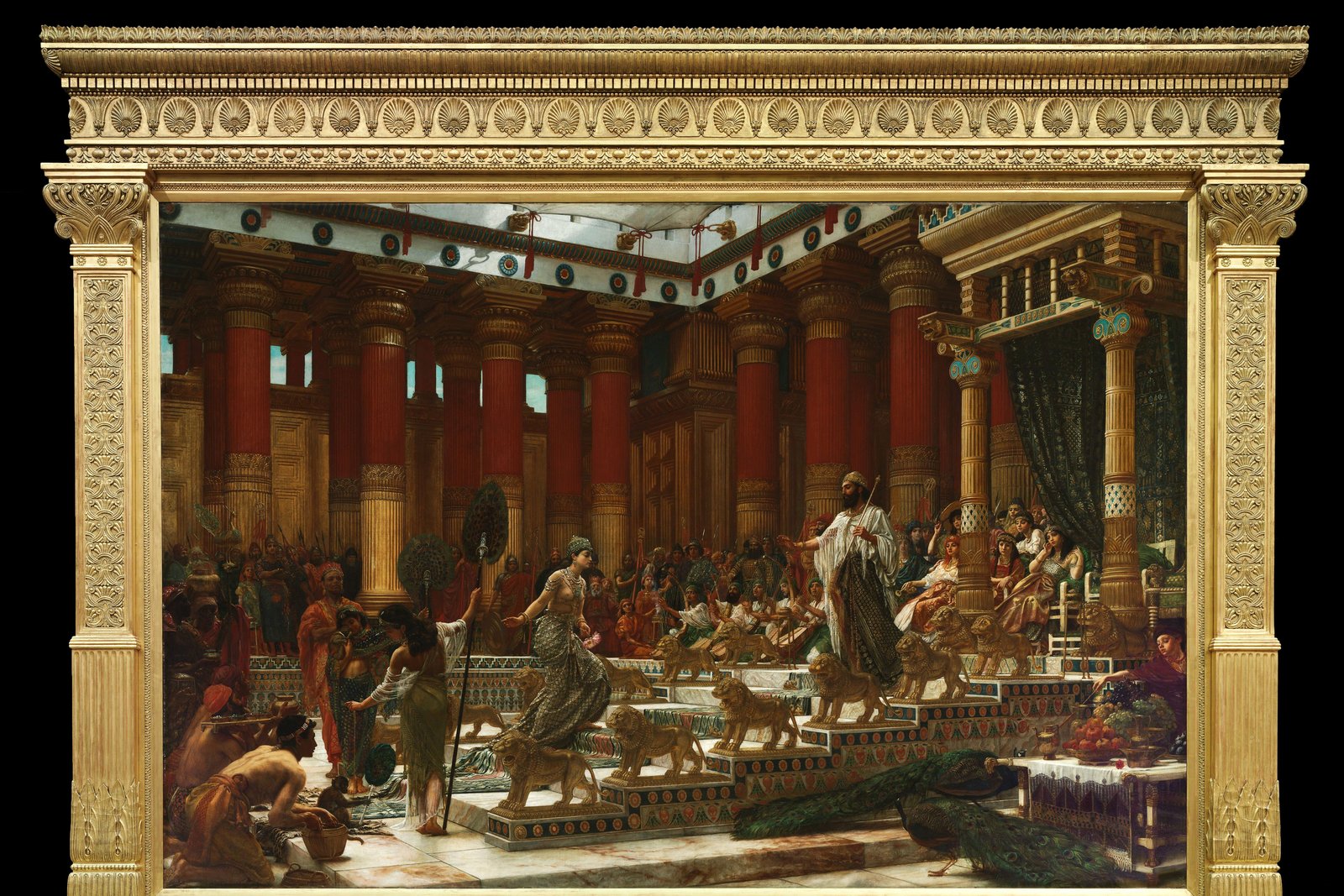
The significance of the entire event rests on a simple point later commentators have returned to repeatedly: without the Ark inside it, the Temple, however architecturally impressive, would have been merely a large building. The Ark symbolized the actual presence of God among his people, and it was that presence — confirmed dramatically by the cloud that stopped the priests mid-ceremony — that transformed Solomon's massive construction project into what Israel would come to regard as the most sacred site in the world.
A glory that would later depart, and a mystery that endures
Solomon's Temple stood for roughly four centuries before Babylonian forces destroyed it in 587 BC, and the Ark of the Covenant itself disappears from the biblical record around that same period — its ultimate fate never definitively recorded in Scripture, and the subject of centuries of later speculation, legend, and searching that continues in various forms even today. A second Temple, more modest in scale, was later rebuilt after the Israelites' return from Babylonian exile, and was itself dramatically expanded centuries afterward under King Herod the Great — the same vastly enlarged Temple complex that stood in Jerusalem during the time of Jesus, and that appears in Gospel accounts like the Cleansing of the Temple and the Presentation of Jesus at the Temple. That second Temple, notably, is described in later Jewish tradition as lacking the Ark entirely, since it had already vanished from history by the time of its construction — meaning the physical object at the center of Solomon's dedication ceremony was, by the era of the New Testament, already many centuries gone, remembered but never recovered.
Trivia
What was placed inside the newly built Temple?
What happened that interrupted the priests' service?
How long did the dedication celebrations last?
Why does the Ark matter so much to the significance of the Temple?
Related Reading