Immaculate Conception vs. Virgin Birth: What's the Difference?

Two conceptions, thirty-some years apart
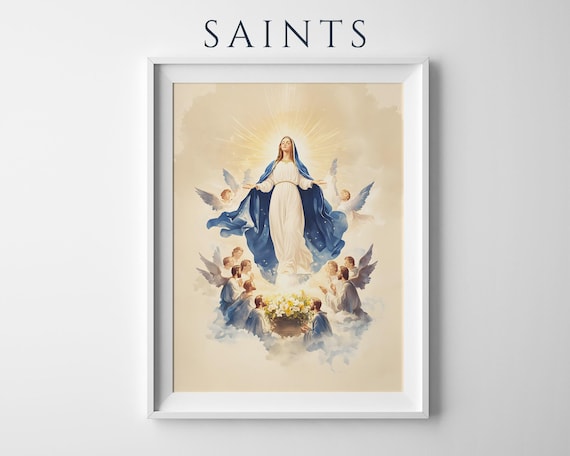
The confusion is understandable once you see why it happens: both phrases use the word "conception," both are about Mary, and both sound like they're describing something miraculous about how a baby came to be. But they describe two completely different events, separated by roughly Mary's whole lifetime before Jesus was born.
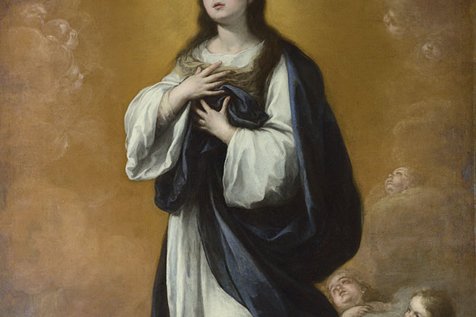
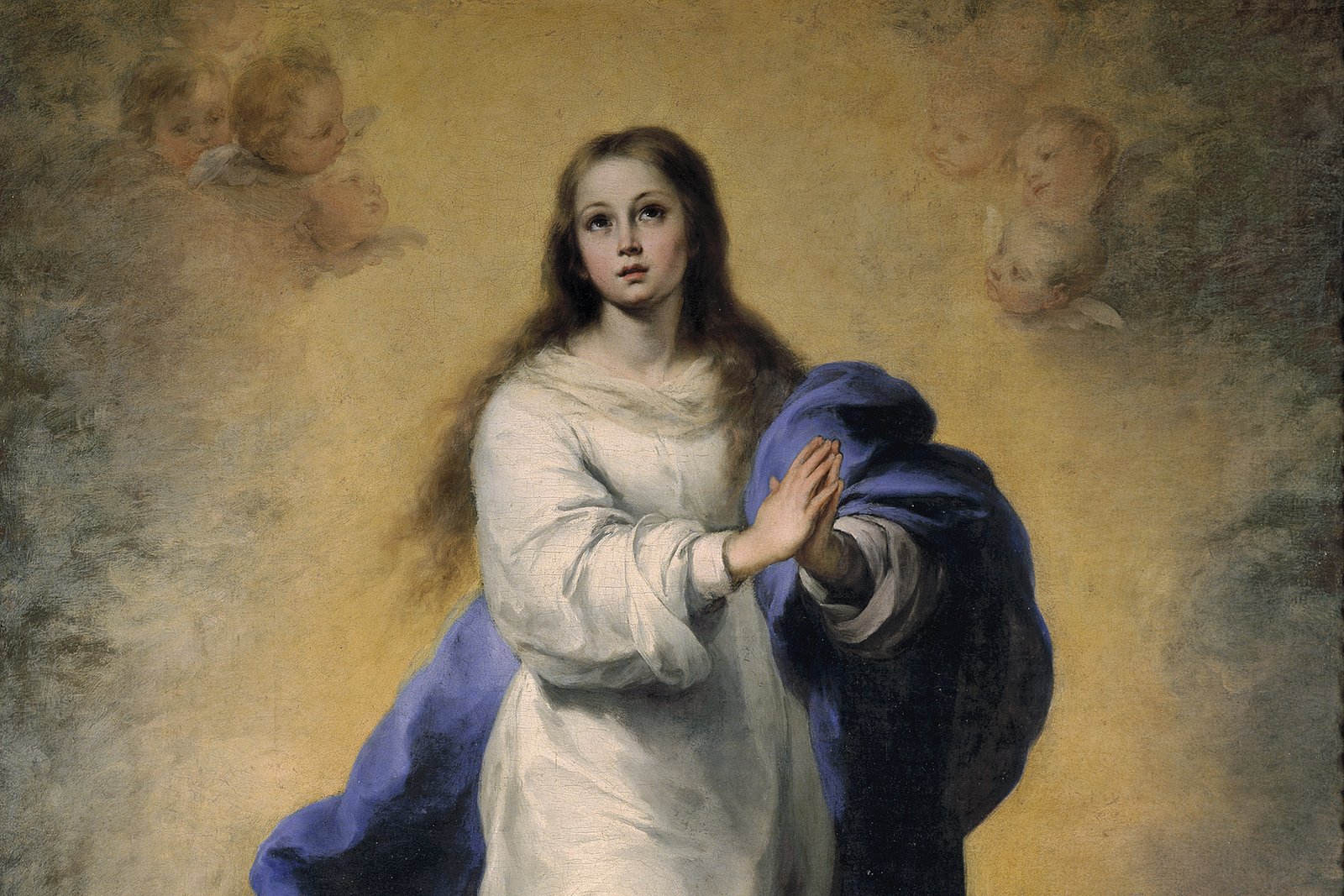
Bartolomé Esteban Murillo and studio, The Immaculate Conception of the Virgin, National Gallery, London — public domain.
The Immaculate Conception happened first, chronologically — it's the conception of Mary herself, in the womb of her mother. Christian tradition names Mary's parents as Joachim and Anne, though neither appears in the canonical Gospels; their story comes from an early apocryphal text called the Protoevangelium of James. What the Catholic Church teaches as dogma isn't that detail, but this: at the very moment Mary was conceived, through the entirely ordinary union of her parents, she was preserved by God's grace from inheriting original sin — the fallen condition the Church teaches all other human beings are born into (CCC 491).
The virgin birth, or more precisely the virginal conception, happened decades later. It's the conception of Jesus in Mary's womb, described in the Gospel of Luke: the angel Gabriel tells Mary she will conceive a son, and when she asks how, since she has "no relations with a man," he answers that "the holy Spirit will come upon you, and the power of the Most High will overshadow you" (Luke 1:34-35, NABRE). This event is about Christ's origin — fully human through Mary, yet conceived without a human father — not about Mary's own moral condition.
Why the mix-up happens so easily
Part of it is simple word overlap. Part of it is the calendar: the Church celebrates the Immaculate Conception on December 8, just over two weeks before Christmas, when the culture's whole attention is already turning toward a manger and a virgin mother. It's an easy leap to assume the December feast is somehow "about" the nativity story everyone already has in mind.
But the two doctrines answer completely different questions. The virgin birth answers: how was Jesus conceived, and what does that say about who he is? The Immaculate Conception answers: what was Mary's own spiritual condition from her earliest existence, and why does that matter for her later role? For more on the nativity itself, see The Nativity of Jesus, which covers the nativity narrative in full — Mary's own conception isn't part of that story at all; it belongs to an entirely separate strand of Marian devotion and doctrine.
What "immaculate" is actually claiming
The word "immaculate" means "without stain" — in this case, without the stain of original sin. Catholic teaching holds that every human being, because of the Fall described in Genesis, is born into a condition of separation from the fullness of grace that Adam and Eve possessed before their disobedience. The doctrine of the Immaculate Conception says Mary alone, among all human beings besides Jesus, was exempted from that inherited condition — not because of anything she did, but by what the Church calls a "singular grace and privilege," applied in advance through the future merits of her son's death and resurrection (Pope Pius IX, Ineffabilis Deus, 1854, quoted in CCC 491).
That last point is theologically important and often missed: Mary's sinlessness isn't presented as independent of Christ's saving work. It's presented as the very first and most complete application of it — grace reaching backward, so to speak, to prepare the vessel before the child was ever conceived. The Catechism frames this as part of why Mary could offer her full, free "yes" at the Annunciation: a heart wholly open to grace, with nothing in it resisting God's plan (CCC 490).
Where the doctrine came from
The Immaculate Conception wasn't handed down in a single, explicit biblical verse the way, say, the Ten Commandments were. It developed gradually, through centuries of theological reflection, popular devotion, and liturgical celebration of Mary's conception, long before it became formally defined dogma. Theologians across the medieval period debated the question seriously — even great figures like Saint Thomas Aquinas initially expressed reservations about how Mary could be preserved from sin without seeming to bypass Christ's redemption of the whole human race, a tension later theologians worked to resolve.
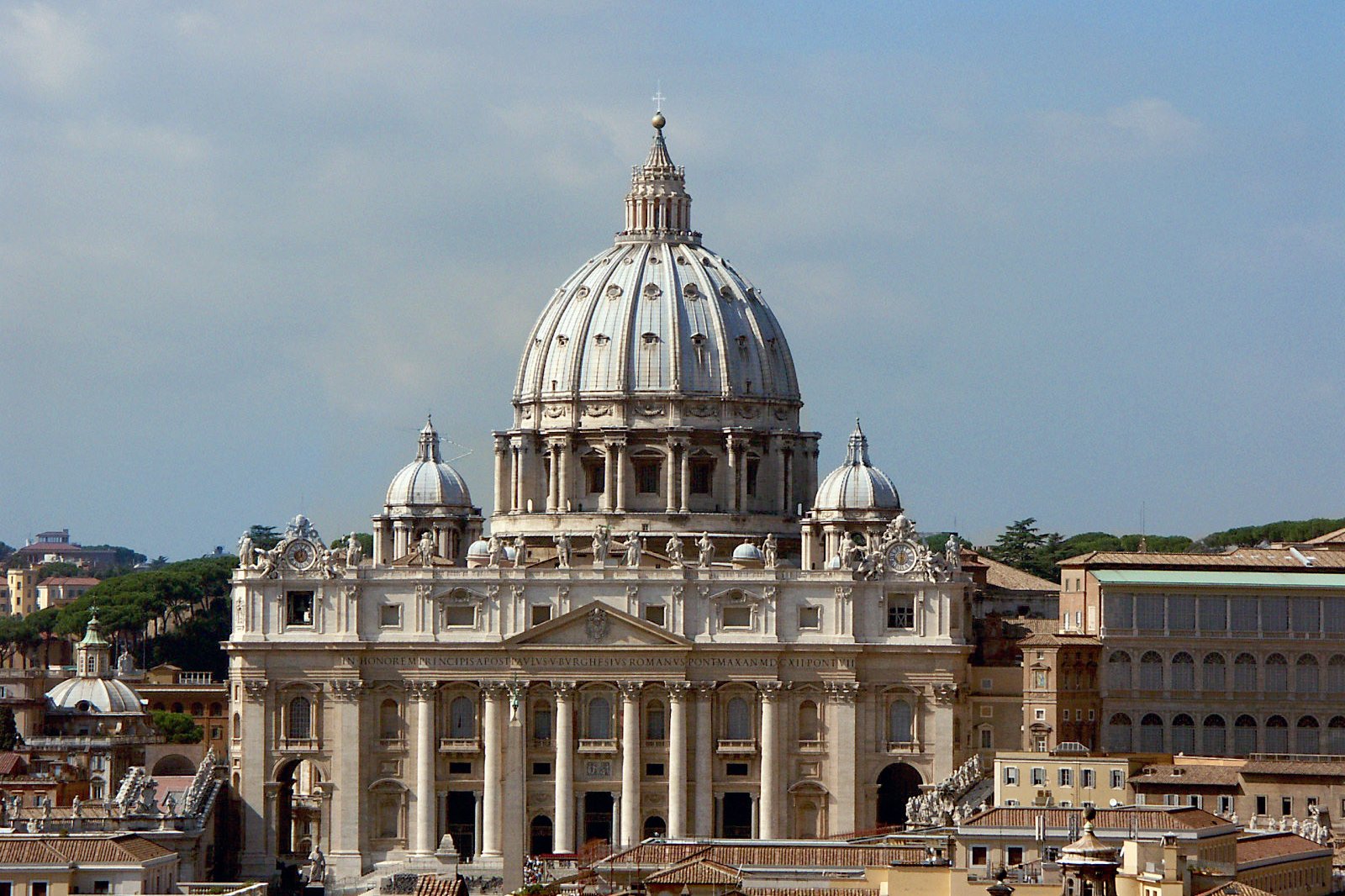
The turning point came on December 8, 1854, when Pope Pius IX solemnly defined the doctrine as dogma in the document Ineffabilis Deus, declaring that Mary "was, from the first moment of her conception, by a singular grace and privilege of almighty God and by virtue of the merits of Jesus Christ, Savior of the human race, preserved immune from all stain of original sin" (quoted in CCC 491). Four years later, in 1858, a young woman named Bernadette Soubirous reported visions at Lourdes, France, in which a lady identified herself with the words "I am the Immaculate Conception" — an event widely regarded by Catholics as a heavenly confirmation of the doctrine just defined, though it belongs to the category of private revelation rather than dogma itself (see Tradition vs. Dogma, Explained for more on that distinction).
Why the distinction matters
Getting the two doctrines straight isn't just trivia. It shapes what each feast is actually celebrating. December 8 honors the beginning of Mary's own life, grace-filled from its first instant — a celebration of who she was created to be. Christmas, and the Annunciation before it, honor the beginning of Jesus's earthly life, conceived by the Holy Spirit in Mary's womb — a celebration of who he is. Confusing them collapses two distinct mysteries about two different people into one blurry idea, and it can leave the impression that Catholics believe something about Mary's birth that they don't actually teach: nobody claims Mary herself was born of a virgin. She had two ordinary human parents. What was extraordinary was the grace she received, not the biology involved.
Trivia
What does the Immaculate Conception actually refer to?
What does the virgin birth refer to, then?
Was Mary herself born of a virgin?
Why does the Church teach that Mary needed to be sinless?
Is the Immaculate Conception found explicitly in the Bible?
Related Reading