How to Get More Involved at Your Parish: 10 Practical Steps

Why the parish, specifically
The Catechism calls the parish "the place where all the faithful can be gathered together for the Sunday celebration of the Eucharist," and describes it as where most Catholics actually encounter the Church's visible, daily life — not the diocese, not the universal Church as an abstraction, but this particular building, these particular people, this particular Mass schedule (CCC 2179). That's worth sitting with, because it reframes what "getting involved" is actually for. It isn't a self-improvement project. It's participating in the concrete, local form the Church takes for you.
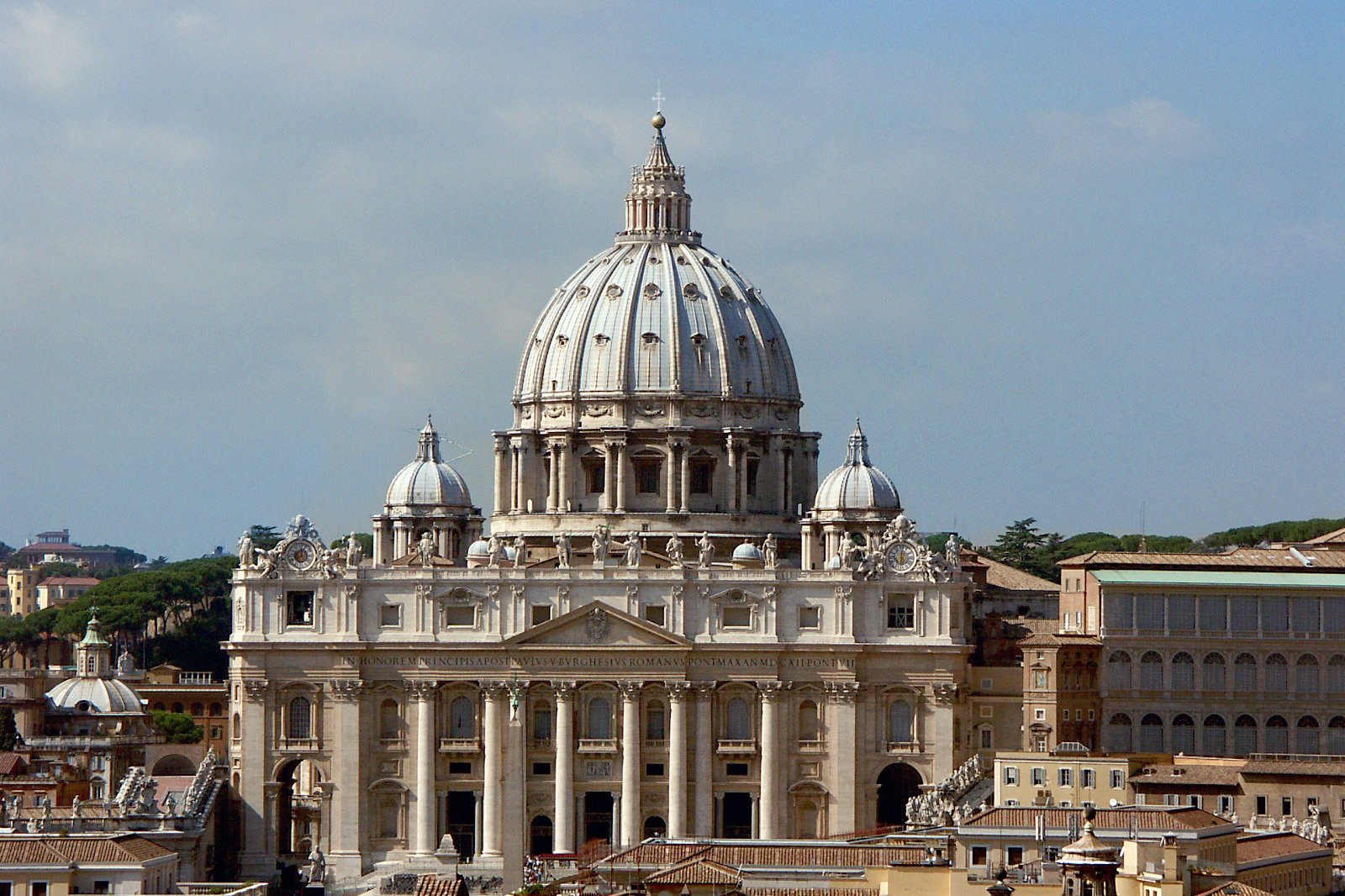
Photo: Stella Maris UK / Wikimedia Commons (Public domain)
The Second Vatican Council's document on the laity, Apostolicam Actuositatem, goes further, teaching that lay Catholics don't merely assist the ordained in parish life — they share a genuine apostolate of their own, rooted in their baptism, exercised through ordinary work, family life, and service in the community. Lumen Gentium echoes this: holiness and mission aren't reserved for priests and religious sisters, but belong to "each and all the faithful" in whatever state of life they occupy. A parish that runs well depends on this — not on the pastor doing everything, but on parishioners understanding their own involvement as something the Church actually needs, not an optional extra for people with spare time.
With that as the framing, here are ten concrete, doable steps, roughly ordered from lowest to highest commitment.
1. Go to the same Mass time consistently
This sounds too basic to count as a "step," but it's the foundation everything else depends on. Rotating between the 8:00, the 10:30, and Saturday vigil means you never see the same faces twice, and community forms through repetition, not good intentions. Pick one Mass time and stick with it for a few months before evaluating anything else.
2. Arrive early or stay late once in a while
Ten extra minutes before or after Mass is where actual conversations happen — nobody strikes up a real exchange during the recessional hymn while filing toward the door. If your parish has coffee and donuts after Mass, go, even if it feels awkward the first few times. Awkwardness fades faster than most people expect.
3. Learn the names of the people who run things
The pastor, the parish administrator, the director of religious education, the music director — knowing who these people are, and having them recognize your face, is what turns "a place I attend" into "a place I'm known." You don't need a deep relationship with any of them yet; you need to stop being anonymous.
4. Read the bulletin, actually
Most parish bulletins list every ministry, every meeting, every sign-up opportunity the parish runs, and most parishioners skim past it on the way out the door. Five minutes with the bulletin (or its digital equivalent) is usually the fastest way to discover that a men's group, a grief ministry, or a young families' night already exists and meets down the hall from where you've been sitting.
5. Join one ministry that matches your actual life, not an idealized one
If you have small children, a Saturday-morning setup crew is a worse fit than something that runs during the hour your kids are already in faith formation. If you travel for work, a weekly commitment might be unrealistic where a monthly one isn't. The goal is a ministry you'll still be doing in a year, not one you sign up for once and quietly abandon.
6. Consider adult faith formation
Many parishes run a Bible study, a book study, or an adult education series that meets on a weeknight or after a Mass. These groups tend to be smaller and more relational than Sunday attendance alone, and they're often where lasting parish friendships actually start, because you're sitting in a circle talking rather than facing forward in a pew.
7. Serve at Mass itself
Lectors, extraordinary ministers of Holy Communion, ushers, greeters, altar servers, choir and cantors — these roles put you in direct, structured contact with the liturgy and with the other people serving alongside you. Most parishes are chronically short on volunteers for these roles and will train you; you don't need prior experience to start.
8. Give financially, at a level that's honest for your situation
The Catechism includes providing for the material needs of the Church among the obligations of the faithful, alongside the more familiar spiritual ones, describing it as an act of justice rather than charity alone — the parish's ability to function, pay staff, and maintain the building depends on parishioner giving (CCC 2043). This doesn't require a specific percentage; it requires actually deciding on a number instead of defaulting to whatever's left in your wallet on a given Sunday.
9. Show up for the parish outside of Sunday
Fish fries, festivals, blood drives, service projects, funeral receptions — the events that aren't liturgical but are still parish life. These are lower-pressure entry points than a formal ministry commitment, and they're often where you meet people you'd never cross paths with at Mass alone.
10. Say yes to being asked
At some point, someone — a catechist short a helper, a ministry leader building a team, the pastor himself — will ask you directly to take on something specific. The instinct to say "I'm not really qualified" is almost always wrong; most parish roles are learned by doing them, not by arriving already expert. Saying yes once tends to open the door to the next ten years of parish involvement more reliably than any amount of independent planning.
The point of all of it
None of these ten steps is complicated, and none requires a personality transplant. What they have in common is that they replace passive attendance with active presence — showing up not just for an hour on Sunday but as an actual participant in a community that, per the Church's own teaching, is supposed to be where you live out your faith in visible, ordinary, unglamorous ways. Nobody arrives at deep parish involvement by accident. It's built one small, repeated decision at a time, usually starting with something as unremarkable as staying for coffee.
Trivia
Do I have to be a 'religious' or extremely devout person to volunteer at my parish?
What is RCIA/OCIA and do I need it if I'm already a confirmed Catholic?
How much money should I be giving to my parish?
What if my parish doesn't have a ministry that fits my skills or interests?
Is it normal to feel like an outsider at Mass even after attending for years?
Related Reading