Gregorian Chant: What It Is and Why It Still Matters

A monastery, a chart, and an old question about what music is for
When the Benedictine monks of Santo Domingo de Silos released Chant in 1994 — later followed by other chart-topping chant recordings from various monastic communities — the music that suddenly filled shopping malls and coffee shops across Europe and America was, in most cases, essentially the same melodic tradition monks had been singing daily for the better part of a thousand years. No arrangement was added for the pop market. The monks just kept doing what they already did, and a huge modern audience, raised on entirely different musical assumptions, responded anyway. That's worth pausing on, because it says something about Gregorian chant that a straightforward history lesson doesn't quite capture on its own: this music wasn't designed to be timeless in some abstract, marketing sense. It simply wasn't designed around the preferences of any particular era at all, which is part of why it keeps outlasting them.
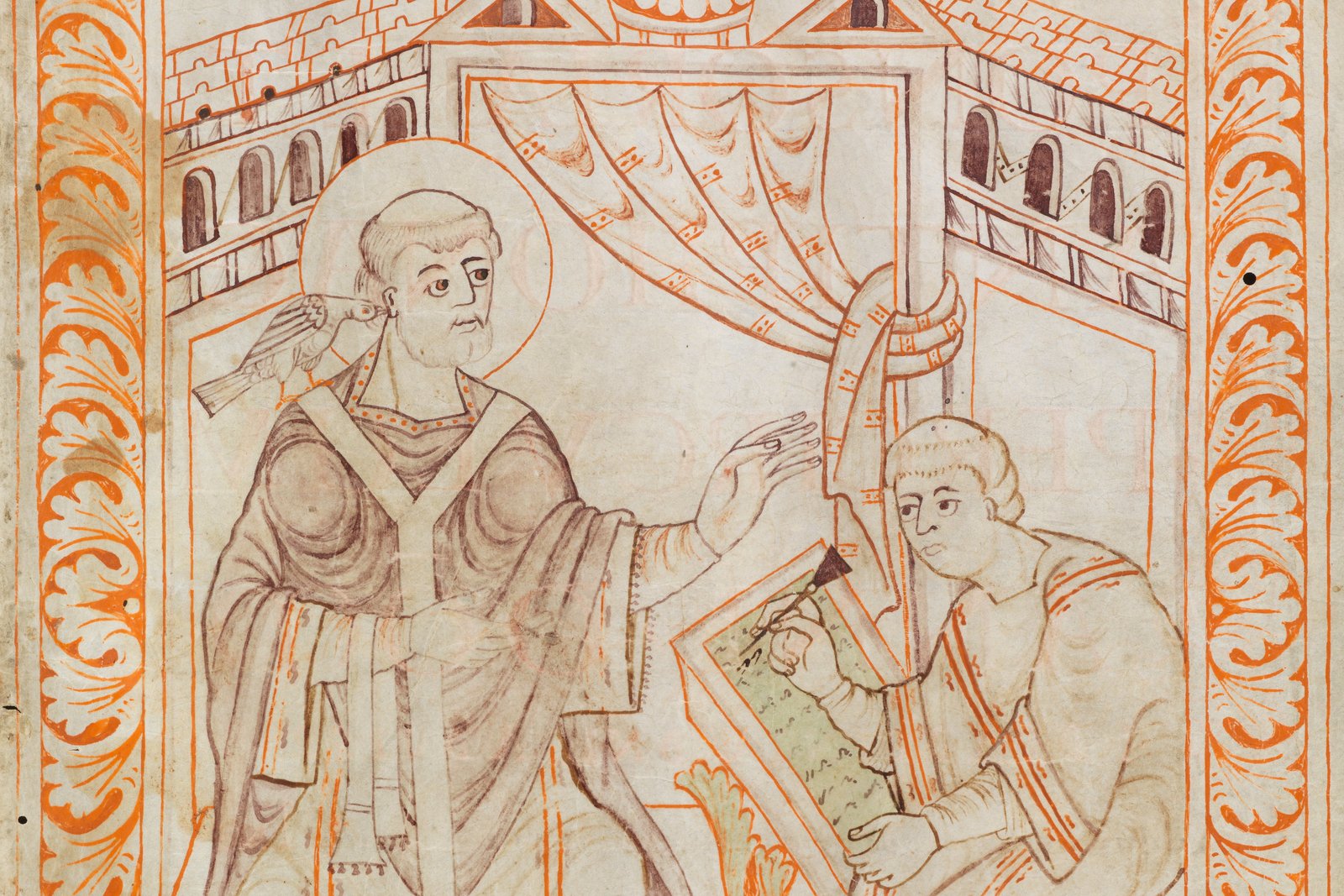
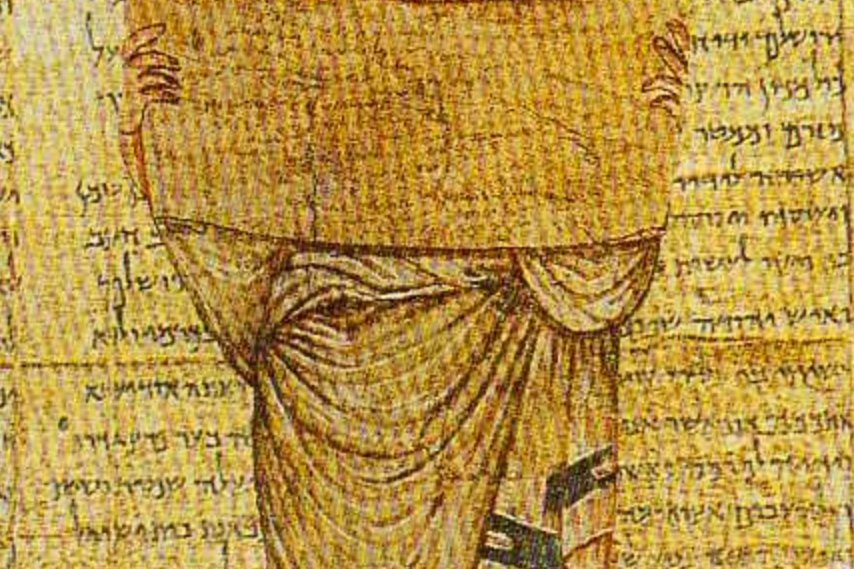
Antiphonary of Hartker of Sankt Gallen, depicting Pope Gregory I, c. 1000 AD — public domain.
Where the name actually comes from
Gregorian chant takes its name from Pope Gregory I, known as Gregory the Great, who reigned from 590 to 604 and is remembered as one of the most consequential popes of the early medieval Church — a reformer of the liturgy, the Roman Church's administration, and its missionary reach into England. Medieval legend, developed well after his death, held that Gregory received the entire chant repertoire directly from the Holy Spirit, depicted in art as a dove whispering melodies into his ear as he wrote them down.
Historians and musicologists studying the manuscript evidence tell a considerably slower, more human story. The actual repertoire we now call Gregorian chant appears to have developed gradually over the centuries following Gregory's death, likely reaching something closer to its standardized, familiar form under the Carolingian dynasty in the 8th and 9th centuries — as Frankish kings, particularly Charlemagne, pushed to unify liturgical practice across their territories and drew on both Roman and Gallican (Frankish) chant traditions in the process. Gregory's name likely stuck to the tradition because of his broader reputation as an organizer and reformer of Roman liturgy generally, not because he composed the melodies himself. This is a good example of the distinction worth making clearly: the pious legend of divine dictation is not Church dogma and isn't presented as verified history even by the Church's own liturgical scholars — it's a devotional story that grew up around a real historical figure whose actual contribution was different, if still significant.
What actually makes it "Gregorian"
Musically, Gregorian chant is monophonic — a single melodic line, sung without harmony, counterpoint, or instrumental accompaniment — set to Latin texts drawn from the Mass and the Divine Office (the Church's structured cycle of daily prayer, prayed historically by monastic communities and clergy at set hours). It follows eight traditional modes (scale patterns distinct from the major and minor scales most listeners are used to today), and its rhythm is notably free rather than metered — it doesn't march to a steady beat the way most modern music does, but ebbs and flows around the natural rhythm of the Latin words being sung. This is part of why chant can sound unfamiliar or even directionless to a first-time listener trained on modern popular music, and also part of why many listeners describe it as unusually calming: there's no beat driving it forward, so attention settles into the text and melody instead.
Its privileged, but not exclusive, place in Church teaching
Vatican II's 1963 document on the liturgy, Sacrosanctum Concilium, addresses sacred music directly, and the actual text is worth quoting precisely, since it's often summarized loosely: "the Church acknowledges Gregorian chant as specially suited to the Roman liturgy: therefore, other things being equal, it should be given pride of place in liturgical services" (Sacrosanctum Concilium 116). That's a real, specific, magisterial statement — not a pious preference invented later, but the Council's own stated position.
It's just as important to read what the document doesn't say. The same document explicitly makes room for other sacred music, including polyphony (multi-voice harmonized composition) "provided that they accord with the spirit of the liturgical action," and it opens the door to broader use of the vernacular language in worship, a shift that, in the decades following the Council, led many parishes toward vernacular hymns and contemporary liturgical music rather than chant. So the accurate picture is this: chant holds an officially stated position of honor in Church teaching that has never been revoked, while the Council itself simultaneously authorized the diversity of liturgical music most Catholics actually experience at a typical Sunday Mass today. Neither fact cancels the other out.
Why it's coming back
The contemporary chant revival draws on a few converging currents: a genuine renewal of interest in contemplative prayer and Benedictine spirituality more broadly, a cultural appetite for quiet and simplicity as a counterweight to constant digital noise, the commercial success of monastic chant recordings introducing the music to audiences who'd never otherwise encounter it, and a liturgical movement within parts of the Church actively working to recover Sacrosanctum Concilium's stated preference in parish life, not just monastic settings. Some parishes now offer a chanted Mass alongside their regular schedule, and a number of younger Catholics discovering chant for the first time describe it less as a rediscovery of the past and more as an answer to something contemporary worship, for all its energy, doesn't always offer: stillness, without needing anything explained.
Listening to it now
You don't need Latin fluency or musical training to start listening meaningfully. Any recording of a Gregorian Introit, Kyrie, or Gradual from the Mass offers a starting point, and following along with an English translation of the text while it plays connects the sound to its actual meaning rather than leaving it as pure atmosphere. Nearly fifteen centuries after the tradition it's named for began taking shape, Gregorian chant remains, according to the Church's own most recent major statement on liturgy, still officially in "pride of place" — even on the many Sundays it isn't the music actually sung.
Trivia
Did Pope Gregory the Great actually compose Gregorian chant?
Does the Catholic Church still require Gregorian chant at Mass?
What language is Gregorian chant sung in?
What does 'plainchant' or 'plainsong' mean, and is it the same as Gregorian chant?
Why is Gregorian chant becoming popular again outside of monasteries?
Related Reading