The Seven Corporal Works of Mercy Explained

A judgment scene built on ordinary acts
The passage behind almost all of the corporal works of mercy is one of the most vivid in the Gospels: Jesus's description of the Son of Man separating "all the nations" like a shepherd separating sheep from goats, welcoming some into the kingdom and turning others away — and basing the entire judgment not on doctrine recited correctly or religious observance performed precisely, but on a short list of concrete actions. "I was hungry and you gave me food, I was thirsty and you gave me drink, a stranger and you welcomed me, naked and you clothed me, ill and you cared for me, in prison and you visited me" (Matthew 25:35-36).
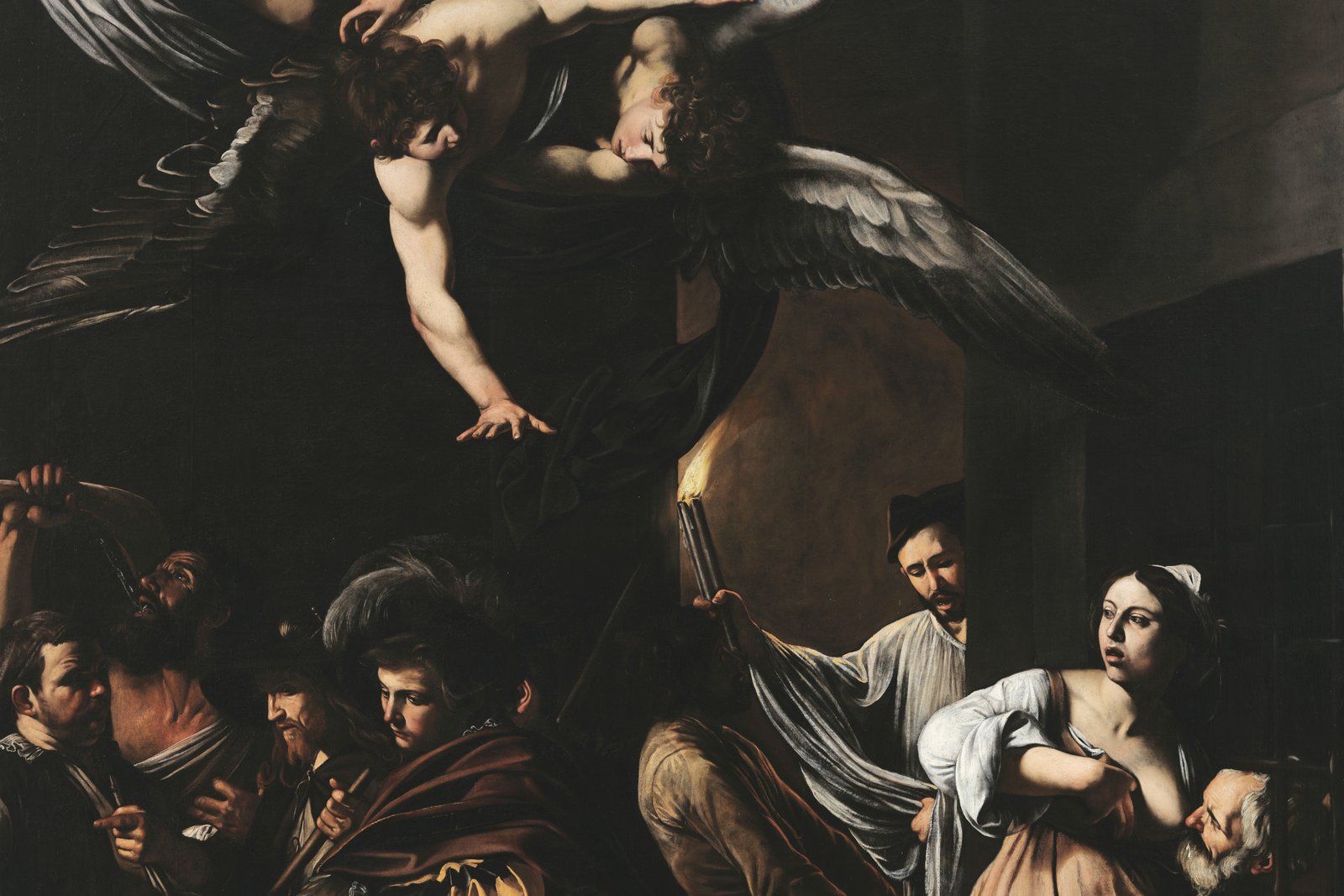
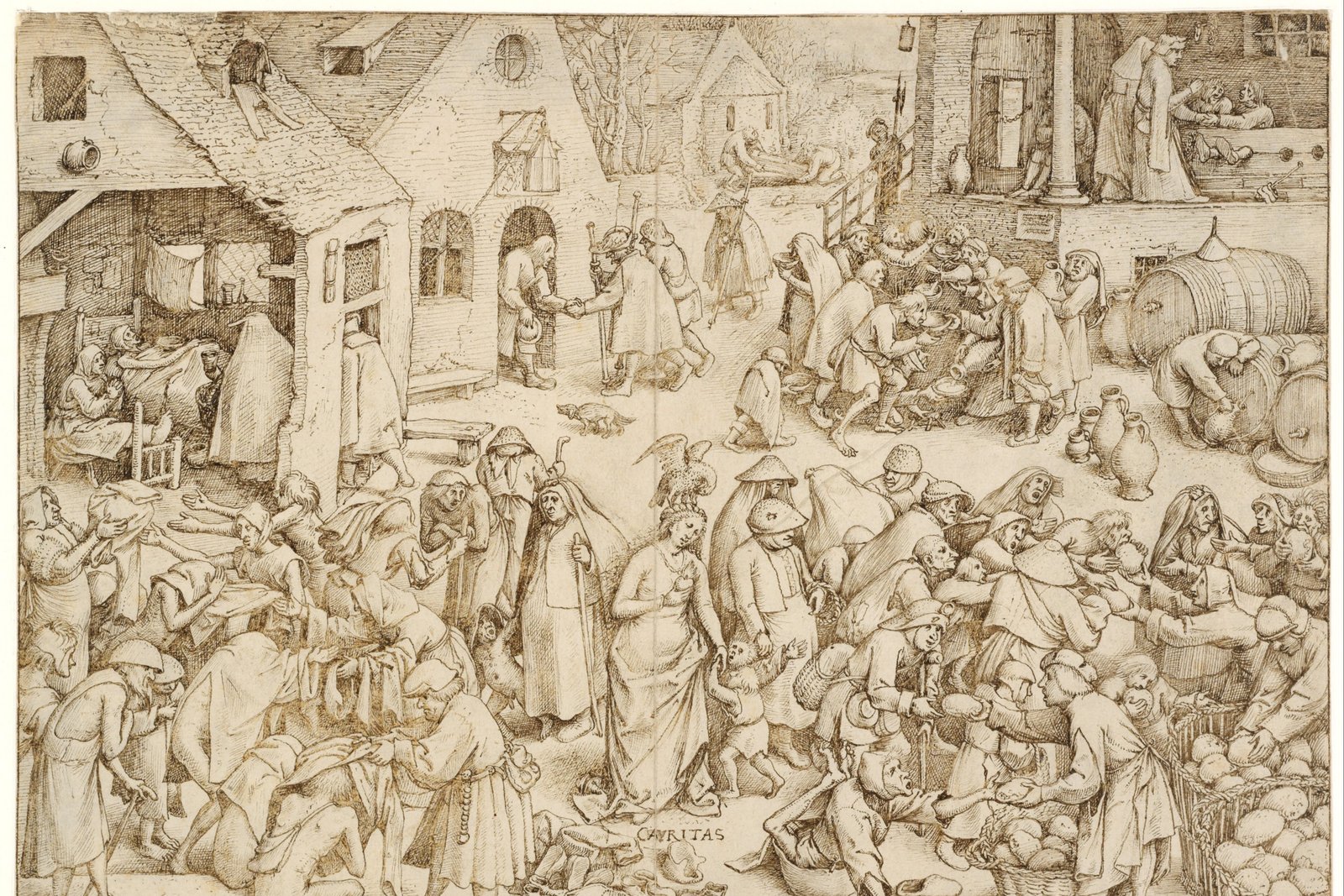
David Teniers the Younger, The Seven Corporal Works of Mercy, 17th century — public domain.
What makes the passage land so hard, both for its original audience and for readers since, is the twist that follows: when the righteous ask when they ever did these things for him personally, Jesus answers, "Amen, I say to you, whatever you did for one of these least brothers of mine, you did for me" (Matthew 25:40). The passage collapses the distance between caring for a stranger in need and caring for Christ himself — there is, in the text's own terms, no meaningful difference between the two.
The full list of seven
Christian tradition organized this teaching, together with one addition, into a memorable list of seven works:
- Feed the hungry
- Give drink to the thirsty
- Clothe the naked
- Shelter the homeless
- Visit the sick
- Visit the imprisoned
- Bury the dead
The first six map directly onto Matthew 25, in the same order Jesus lists them (with "welcomed me, a stranger" generally rendered in the tradition as sheltering the homeless). The seventh, burying the dead, doesn't appear in that passage — it was added by the developing Christian tradition, drawing on the Old Testament Book of Tobit, whose righteous protagonist repeatedly risks his own safety to give proper burial to the Israelite dead left exposed by a hostile government, a practice the book presents as a core act of covenant faithfulness (Tobit 1:17-18). By the medieval period, Christian catechetical tradition had settled firmly on this seven-item list as a way of organizing and teaching the whole body of Matthew 25's demand in a form ordinary believers could memorize and apply.
Why "corporal" — and how it pairs with the spiritual works
The word "corporal" comes from the Latin corpus, body, marking these out specifically as works addressing bodily, physical need — hunger, thirst, exposure, illness, confinement, and death itself. The Church pairs this list with a second, parallel set, the spiritual works of mercy, which address needs of the soul and mind rather than the body — counseling the doubtful, comforting the sorrowful, bearing wrongs patiently, and others.
Catholic tradition has never treated these two lists as competing priorities, one more important than the other. A person can be fed and housed and still be in genuine spiritual anguish; a person can receive wise spiritual counsel and still be starving. The two sets of works exist side by side in Catholic moral teaching precisely because human need, in the Church's own understanding, is never purely physical or purely spiritual — it's usually both at once, and mercy that only addresses one half of the picture is, in Catholic teaching, an incomplete response.
Not optional extras, according to the Catechism
It would be a mistake to read the corporal works of mercy as a nice but ultimately optional list of good deeds for especially devout Catholics. The Catechism of the Catholic Church places them squarely within its section on charity as a fundamental Christian virtue, describing them as ways believers are called to "come to the assistance of their neighbor in his spiritual and bodily necessities" (CCC 2447) — not a specialized ministry for a few, but a basic expectation woven into ordinary Christian life. This is also part of the broader foundation behind Catholic social teaching, which draws heavily on this same Gospel logic when addressing poverty, justice, and the dignity of the human person at a societal level, not only an individual one.
How this plays out in practice
None of the seven works requires extraordinary resources or a formal ministry to practice. Feeding the hungry can mean volunteering at a parish food pantry or simply inviting someone who is struggling to a meal. Visiting the sick and imprisoned can mean a regular hospital or jail chaplaincy commitment, or it can mean the far more ordinary act of visiting a homebound elderly relative or a friend recovering from surgery. Sheltering the homeless has, throughout Christian history, ranged from founding entire religious orders devoted to hospitality to something as simple as a family taking in a person who has nowhere else to go for a night.
What ties all seven together, across every scale from the grand to the humble, is the same conviction Matthew's Gospel puts in Christ's own mouth: that mercy shown to a person in physical need is never merely a private kindness between two people. In the Christian tradition growing out of that passage, it's an encounter with Christ himself, hidden in plain sight in the face of whoever happens to be hungry, thirsty, sick, or alone.
Trivia
What are the seven corporal works of mercy?
Where do the corporal works of mercy come from in Scripture?
What is the difference between corporal and spiritual works of mercy?
Are the corporal works of mercy official Catholic doctrine?
Why does Jesus connect these acts to final judgment in Matthew 25?
Related Reading