Why Do Catholics Venerate Statues? Isn't That Idolatry?

The commandment, read in full
The objection always starts with the same verse, so it deserves to be read completely rather than quoted in isolation. Exodus 20:4-5 reads: "Thou shalt not make to thyself a graven thing, nor the likeness of any thing that is in heaven above, or in the earth beneath... Thou shalt not adore them, nor serve them" (Douay-Rheims). The prohibition, read in its own context, targets making an image in order to worship it as a god — idolatry, treating a created object as divine. It does not, on its own text, forbid the making of images altogether; the same book of Exodus later records God commanding the construction of two golden cherubim for the Ark of the Covenant (Exodus 25:18-20), an image made at God's own instruction, existing within the very same law that supposedly bans all images. The distinction the commandment actually draws, in other words, is between honoring an image and worshipping it as a rival god — precisely the distinction Catholic teaching maintains today.
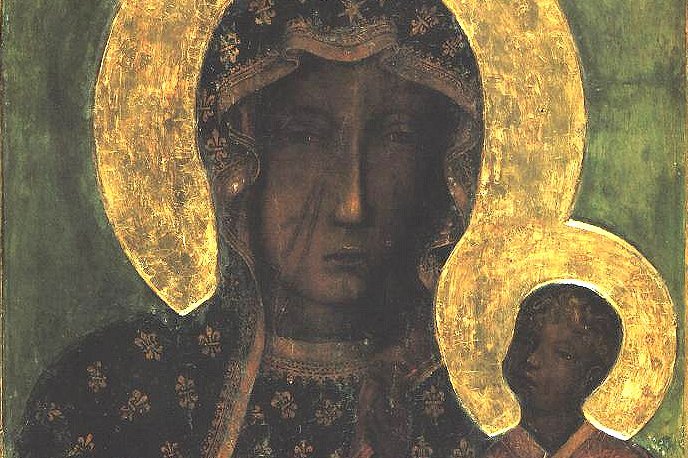
Icon of Our Lady of Częstochowa, Jasna Góra Monastery, Poland — traditionally attributed to an early origin, public domain photographic reproduction.
Latria and dulia: the categories that resolve the objection
Catholic theology names two entirely distinct categories of honor, and keeping them separate is the whole answer to the idolatry charge. Latria is the adoration owed to God alone — total, absolute worship, given to no creature, no matter how holy. Dulia is the honor and respect given to saints, whose holiness reflects and points back to God's own. Statues and images of saints receive dulia, never latria — and Catholic teaching treats confusing the two as itself a serious error, not a minor technicality. This same distinction underlies the practice discussed in Why Do Catholics Pray to Saints?: honoring a saint, whether through prayer or through a physical image, is categorically different from worshipping them as divine.
"The honor passes to the prototype"
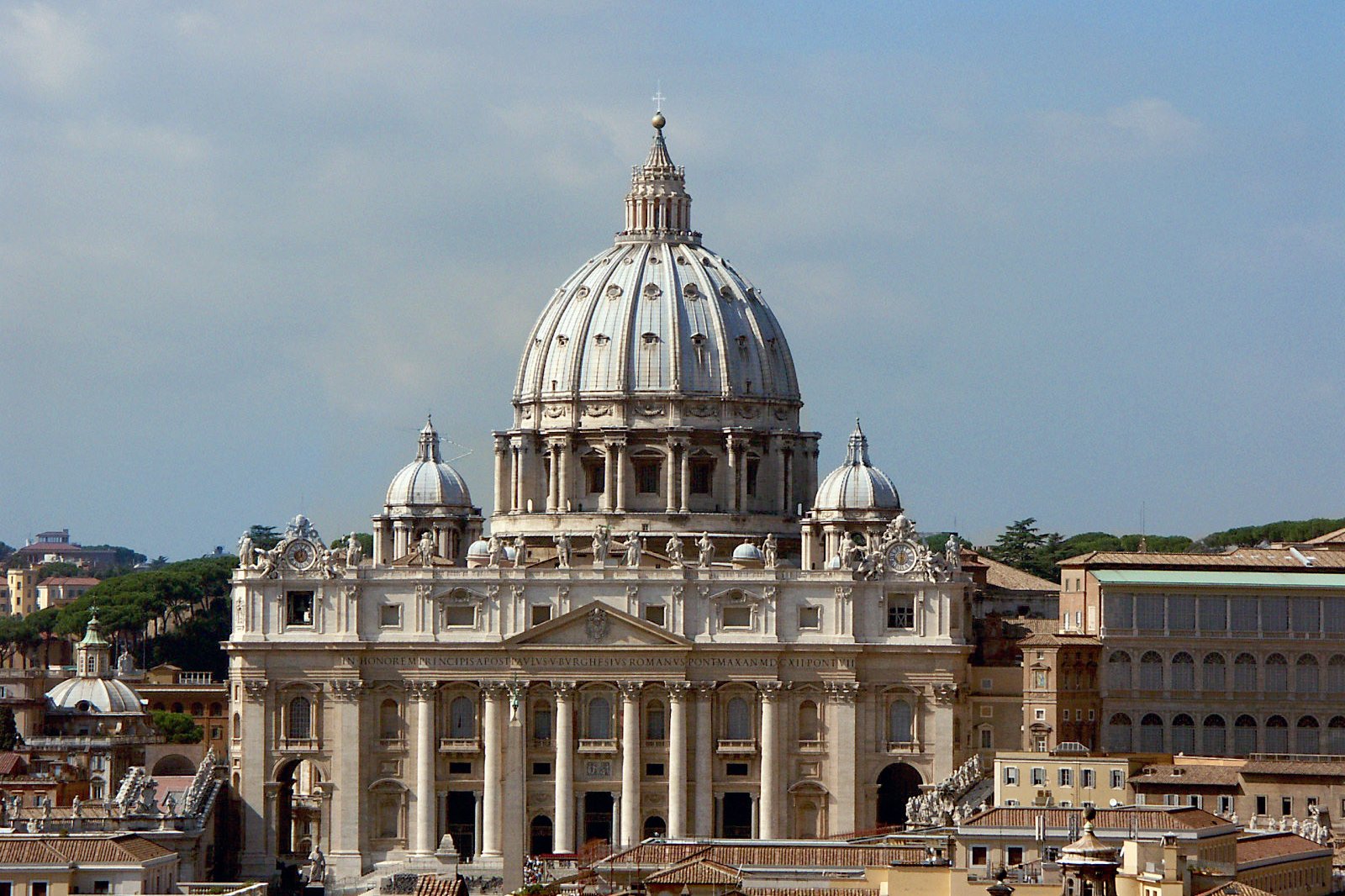
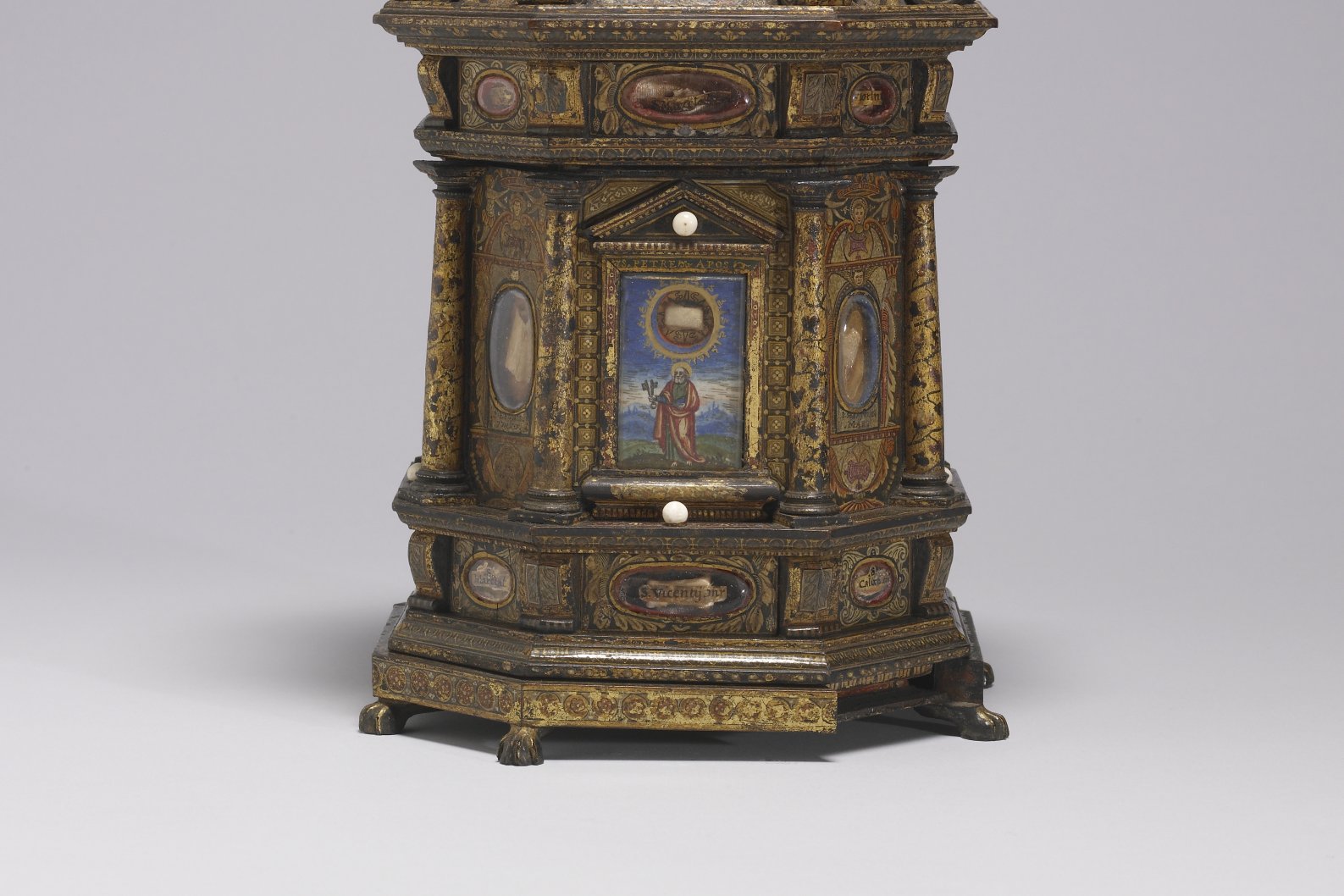
The Catechism states the principle with remarkable directness: "the honor rendered to an image passes to its prototype, and whoever venerates an image venerates the person portrayed in it" (CCC 2132). The word "prototype" here means the original — the actual person the image represents. A statue of Saint Francis of Assisi is not, in Catholic understanding, an independent object commanding honor in its own right; it's a visual sign that directs honor through itself, toward Francis. Break the statue, and nothing has happened to Francis — the honor was never terminating in the plaster or wood to begin with. This is closer, conceptually, to keeping a photograph of a deceased parent on the mantel than to anything resembling ancient idol worship, where the god was often believed to somehow inhabit or be identified with the physical statue itself.
The Iconoclast controversy: this question was fought out already
This isn't a modern rationalization invented to deflect a contemporary criticism — the Church wrestled with exactly this question in the eighth and ninth centuries, in a controversy historians call Iconoclasm ("image-breaking"). Byzantine emperors, beginning with Leo III in 726, ordered the destruction of religious icons across the empire, arguing that venerating images violated the biblical prohibition against graven images. The controversy was fierce and, at times, violent, dividing the Byzantine Church for over a century.
The Second Council of Nicaea, meeting in 787, formally settled the question in favor of images, affirming the same distinction described above: veneration shown to an icon relates to the person it depicts, not the wood or paint it's made of, and is therefore categorically distinct from the worship due to God alone. That ruling has stood as settled Catholic (and Eastern Orthodox) teaching ever since — this article's own hero image, the icon of Our Lady of Częstochowa, sits within that same long tradition of venerated sacred images, one of the most celebrated Marian icons in the Catholic world.
Why images at all, rather than words alone
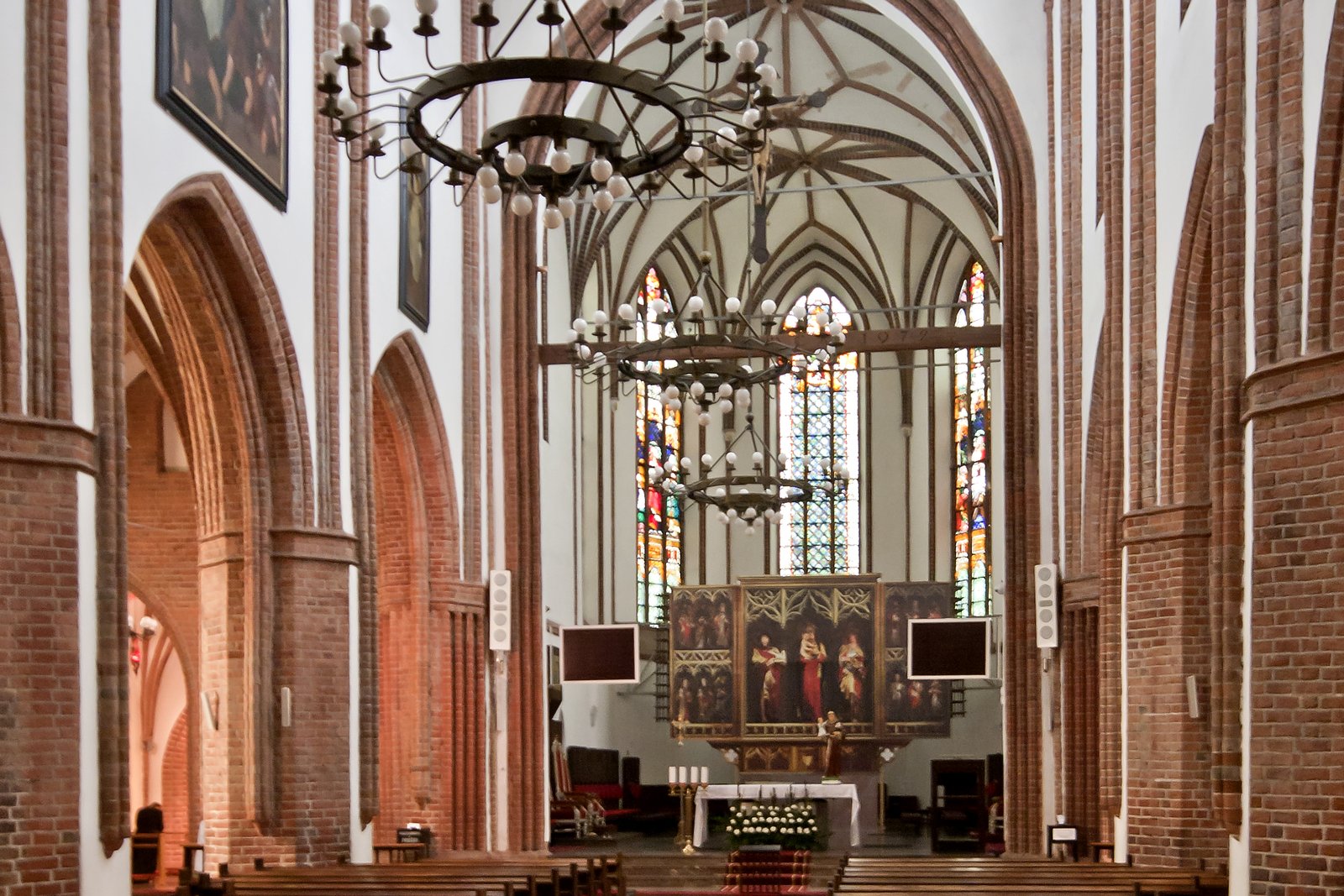
Beyond defending the practice from the idolatry charge, it's worth asking why the Church uses statues and images so extensively in the first place. The Catechism frames sacred images as tools that help "awaken and nourish" the faith of believers in the mystery of Christ, appealing to a fuller, more embodied way of praying than words alone always provide (CCC 1192). Human memory and devotion are naturally aided by the visual and tangible — which is part of why a crucifix on a wall, or a small statue of a favorite saint on a nightstand, functions for many Catholics the way a photograph of a loved one functions: not a substitute for the relationship, but a steady, physical reminder that keeps it present to the mind throughout an ordinary day.
A distinction worth taking seriously on both sides
None of this means every popular devotional practice around images has always avoided every excess in every era or every individual believer — the Church itself has periodically cautioned against superstition creeping into legitimate devotion. But the formal teaching, defended at an ecumenical council and repeated in the Catechism today, draws a clear and theologically serious line: statues and icons are honored as signs pointing to holy people, never worshipped as gods in their own right. That distinction is exactly what the commandment against graven images was written to protect in the first place.
Trivia
Doesn't the Bible forbid making images altogether?
What's the difference between venerating an image and worshipping it?
Did the early Church always accept sacred images?
Why use statues and images at all instead of just praying without them?
Is bowing or kneeling before a statue itself considered worship?
Related Reading