Ávila and the Convent of Saint Teresa

A walled city and a noble household
Ávila is one of the best-preserved medieval walled cities in Europe, its granite ramparts still encircling the old town much as they did in the sixteenth century, and it was within those walls, in 1515, that Teresa de Cepeda y Ahumada was born into a prosperous merchant-turned-noble family. Her early life gave little obvious sign of the reformer and mystic she would become — by her own later admission in her autobiography, she was a bright, sociable, somewhat vain young woman more drawn in her teenage years to romantic literature than to religious devotion, before entering the Carmelite convent of the Incarnation in Ávila at the age of twenty. The fuller story of her life, writings, and spiritual influence is covered in our article on Saint Teresa of Ávila.
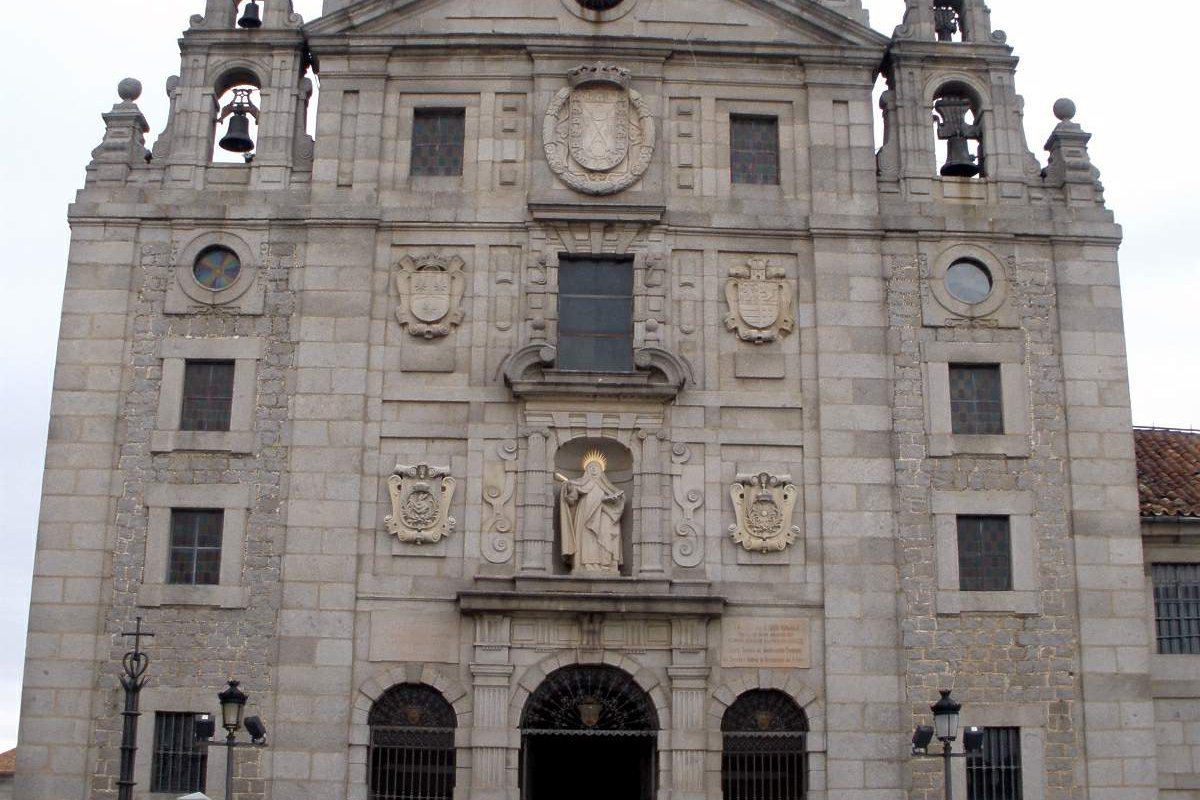
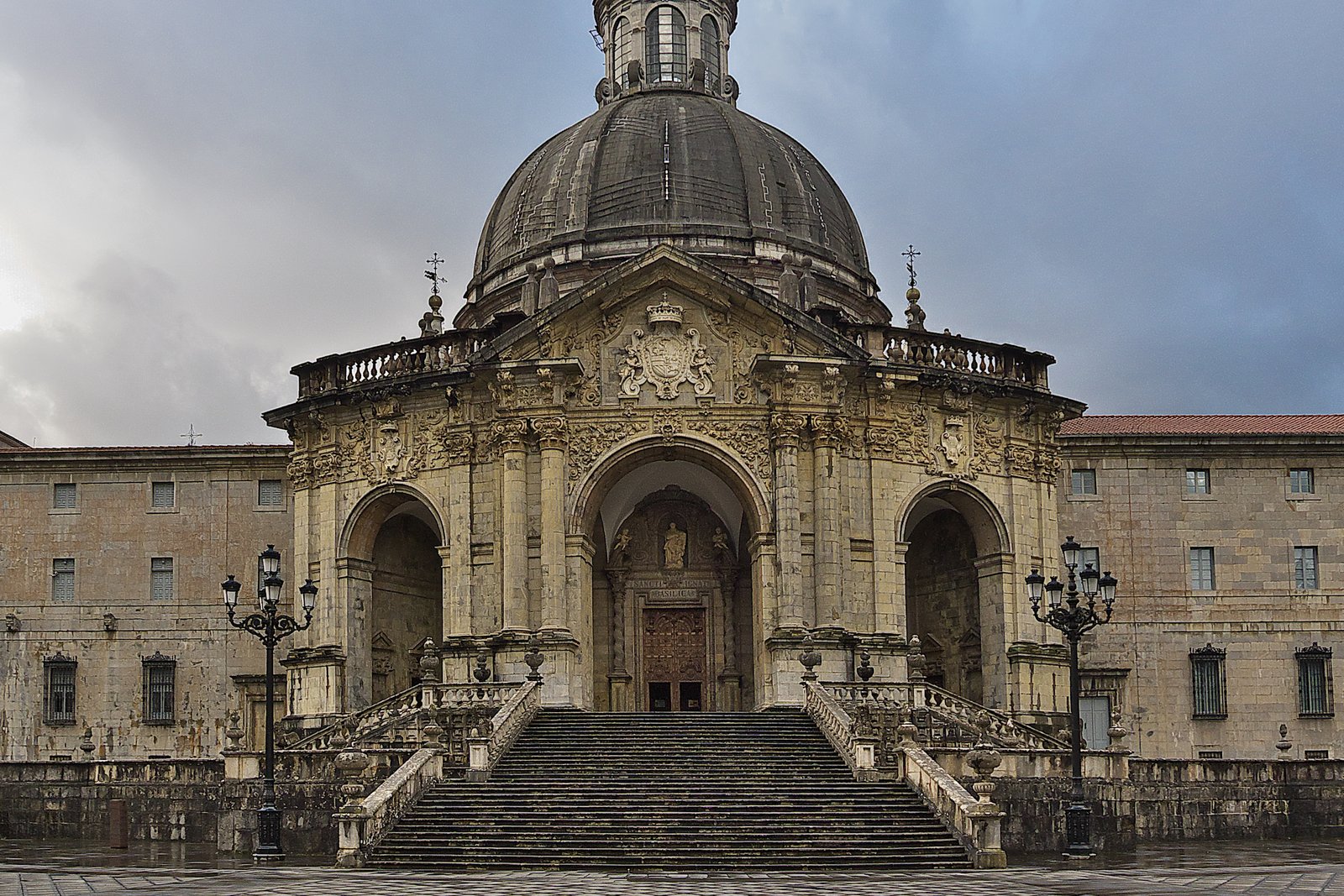
Photograph by Zarateman, Ávila - Convento de Santa Teresa 02 — CC0, Wikimedia Commons.
Teresa's decades within the Carmelite order at the Incarnation were marked by a gradual and, by her own account, difficult deepening of prayer and spiritual experience, including the visions and mystical states she would later describe in remarkable psychological detail in her writings. By the early 1560s, she had also grown increasingly troubled by what she saw as a general laxity in Carmelite convent life of the period — houses that had drifted from strict enclosure and poverty toward a more relaxed, socially permeable style of religious life common at the time.
Founding a reform in her own city
In 1562, Teresa acted on that conviction, founding the Monastery of Saint Joseph (San José) in Ávila as the first house of what became known as the Discalced Carmelite reform — "discalced" referring to the practice of going without shoes, or wearing only simple sandals, as a mark of the stricter poverty the reform embraced. The new community emphasized small numbers, strict enclosure, extended silent prayer, and a return to what Teresa understood as the original spirit of the Carmelite rule, in deliberate contrast to the larger, more socially active convents typical of the era.
The reform did not proceed without resistance — Teresa faced significant opposition from within her own order, from local authorities, and at times from ecclesiastical officials wary of a woman founding new religious communities during a period when the Spanish Inquisition treated unconventional female religious experience with considerable suspicion. Despite this, and often while managing chronic poor health, Teresa went on to found more than a dozen additional Discalced Carmelite convents across Spain over the following two decades, traveling extensively by donkey-drawn cart over difficult roads well into her fifties and sixties. She collaborated closely in this work with Saint John of the Cross, who extended the reform to the male branch of the Carmelite order and became one of Spanish literature's greatest mystical poets in his own right.
A convent built over a birthplace
Teresa died in 1582 in Alba de Tormes, was canonized in 1622, and in the years following her canonization, devotion to her grew rapidly enough across Spain that the Discalced Carmelites determined to mark her birthplace formally. The family home where she had been born was acquired and, between approximately 1629 and 1636, demolished to make way for a new convent and church built specifically on the site, with the church's chapel positioned as precisely as tradition allowed over the room identified as her birth room.
The resulting Convent of Saint Teresa reflects the ornate baroque style typical of Spanish religious architecture of the period, its facade and interior considerably grander than the plain, austere convents Teresa herself favored during her lifetime — an irony not lost on many visitors, given how emphatically Teresa's own reform had rejected architectural and material grandeur in religious life. The convent stands as a separate site within Ávila from her original foundation at Saint Joseph's, meaning the city today preserves two distinct Teresian landmarks: the ornate convent marking her birth, and the comparatively modest monastery marking the birth of her reform movement.
Ávila today
Ávila's entire walled old town, including its churches and religious institutions connected to Teresa's life, was designated a UNESCO World Heritage Site in 1985, recognition of both its exceptional state of medieval preservation and its historical significance, in which Teresa's story plays a central role. The Convent of Saint Teresa remains an active religious site and functioning church, with an attached museum displaying relics connected to her life — including one of her fingers, preserved and venerated in a reliquary — alongside items connected to Saint John of the Cross and the broader early history of the Discalced Carmelite movement.
The Monastery of Saint Joseph, Teresa's first foundation a short distance away, likewise remains standing and now houses its own museum dedicated to the origins of the reform, allowing visitors to walk between the site of Teresa's birth and the site of the religious movement she built from almost nothing within the same walled city — a movement that, within decades of her death, had reshaped contemplative religious life across the Catholic world.
Trivia
Why was a convent built on Teresa of Ávila's birthplace?
What reform did Teresa of Ávila begin, and where?
Is the Monastery of Saint Joseph, Teresa's first foundation, still standing in Ávila?
What can visitors see inside the Convent of Saint Teresa today?
Related Reading