The Cathedral of Santiago de Compostela

A field of stars
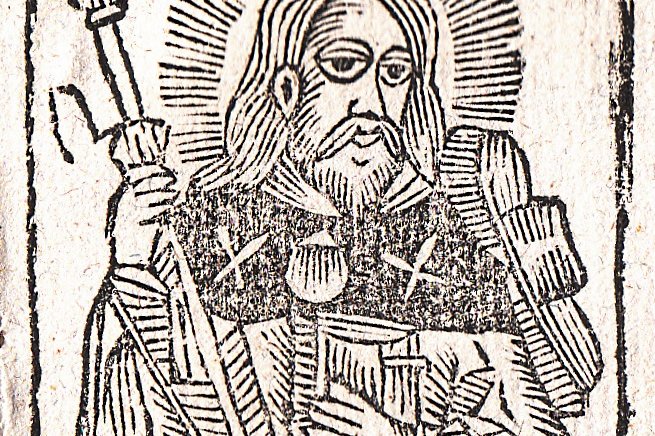
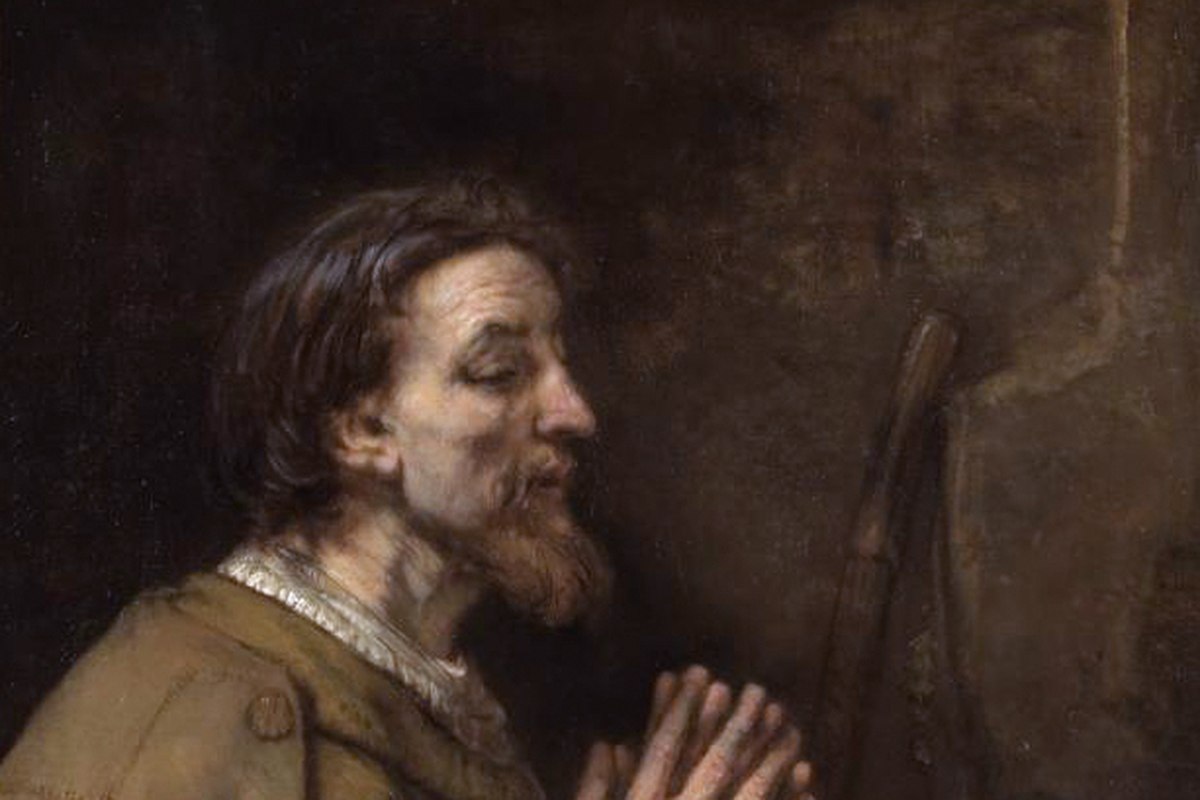
According to tradition, the story begins early in the ninth century, when a hermit named Pelagius reported seeing strange lights over a wooded field in the remote region of Galicia, in the far northwest of Spain. Following the lights, he is said to have found a tomb containing remains identified as those of Saint James the Greater — one of Jesus's twelve apostles, whose ministry, according to a separate and much older tradition, had extended to Spain before his martyrdom in Jerusalem. Readers curious about the apostle himself can find his story in this blog's article on Saint James the Greater.
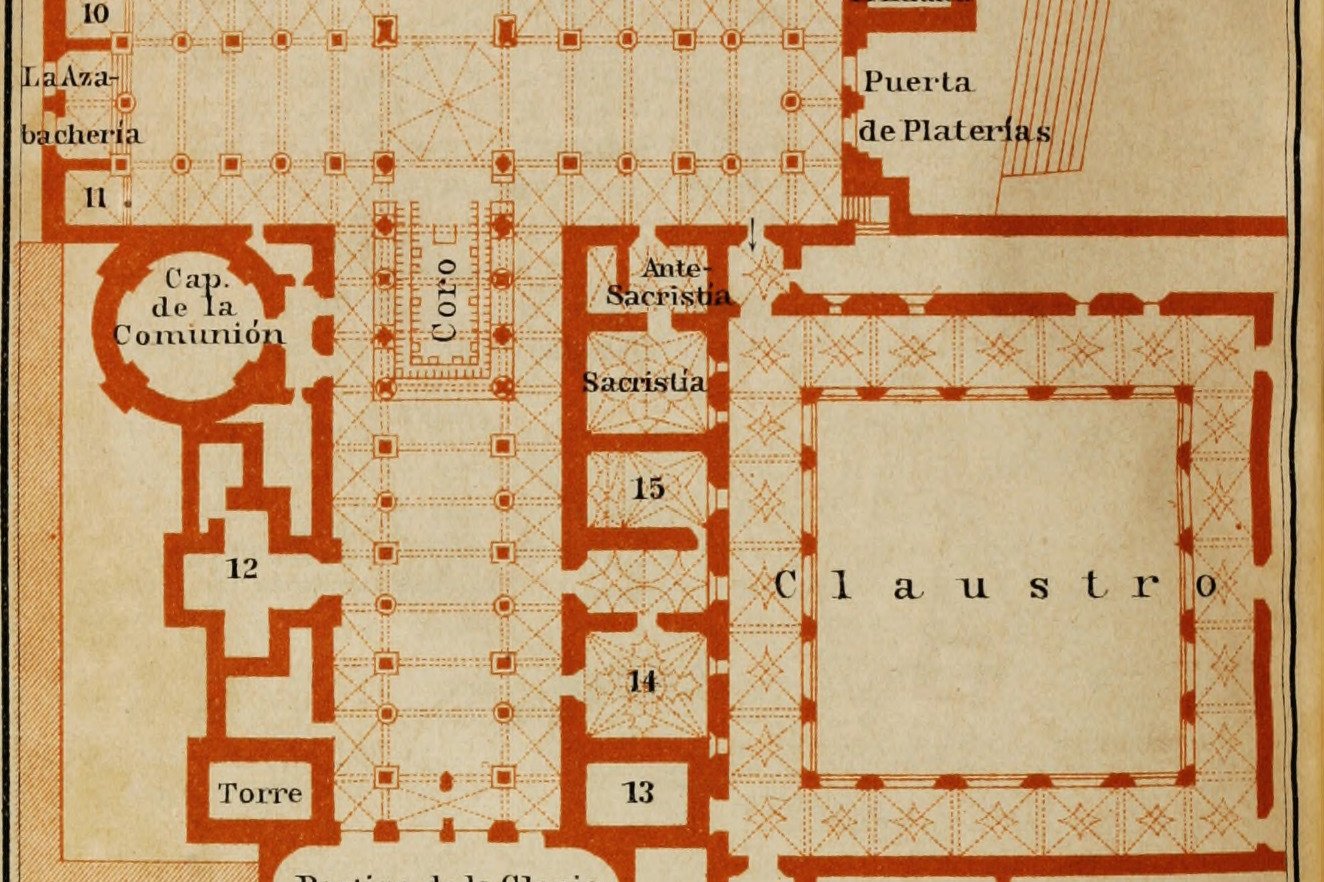
Cathedral of Santiago de Compostela, western facade (Fernando, CC BY-SA 4.0, Wikimedia Commons)
Word reached Alfonso II, King of Asturias, who traveled to the site himself to verify the discovery — making him, by tradition, the very first pilgrim to what would become Santiago de Compostela. The place-name itself is popularly traced to the Latin campus stellae, "field of the star," though the etymology remains debated among linguists, with some tracing "Compostela" instead to a Latin word for a burial ground. Alfonso ordered a small church built on the spot to mark and protect the discovery.
From modest chapel to Romanesque giant
That first church was modest by comparison to what followed. As word of the relics spread across medieval Christendom, Santiago de Compostela grew into one of the three great pilgrimage destinations of the Christian world, alongside Jerusalem and Rome. The scale of pilgrim traffic eventually demanded a much larger building, and construction began on the grand Romanesque cathedral that still stands, in large part, today — work started in 1075 and continued for decades, funded by the steady stream of pilgrims and by royal and ecclesiastical patronage across Europe.
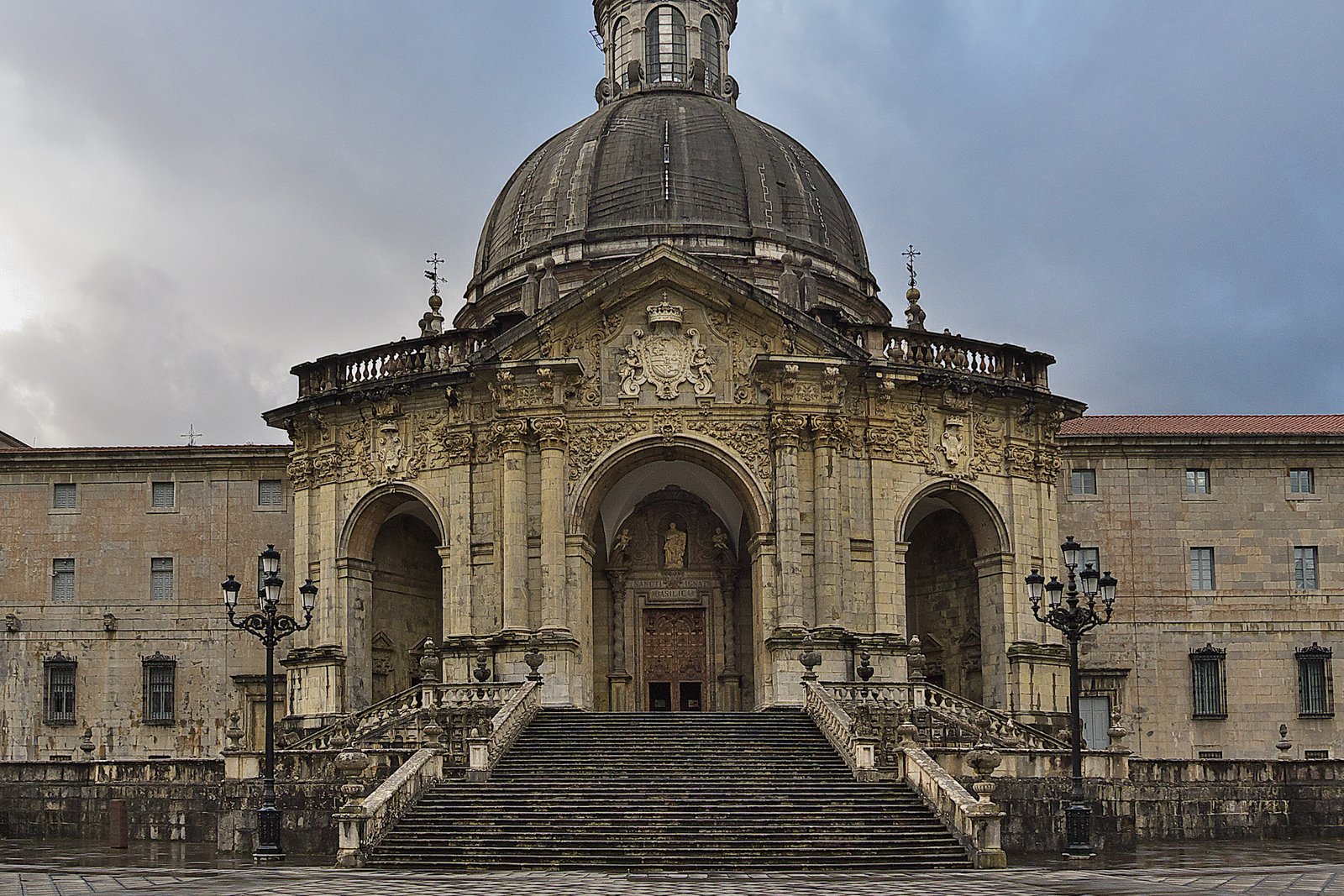
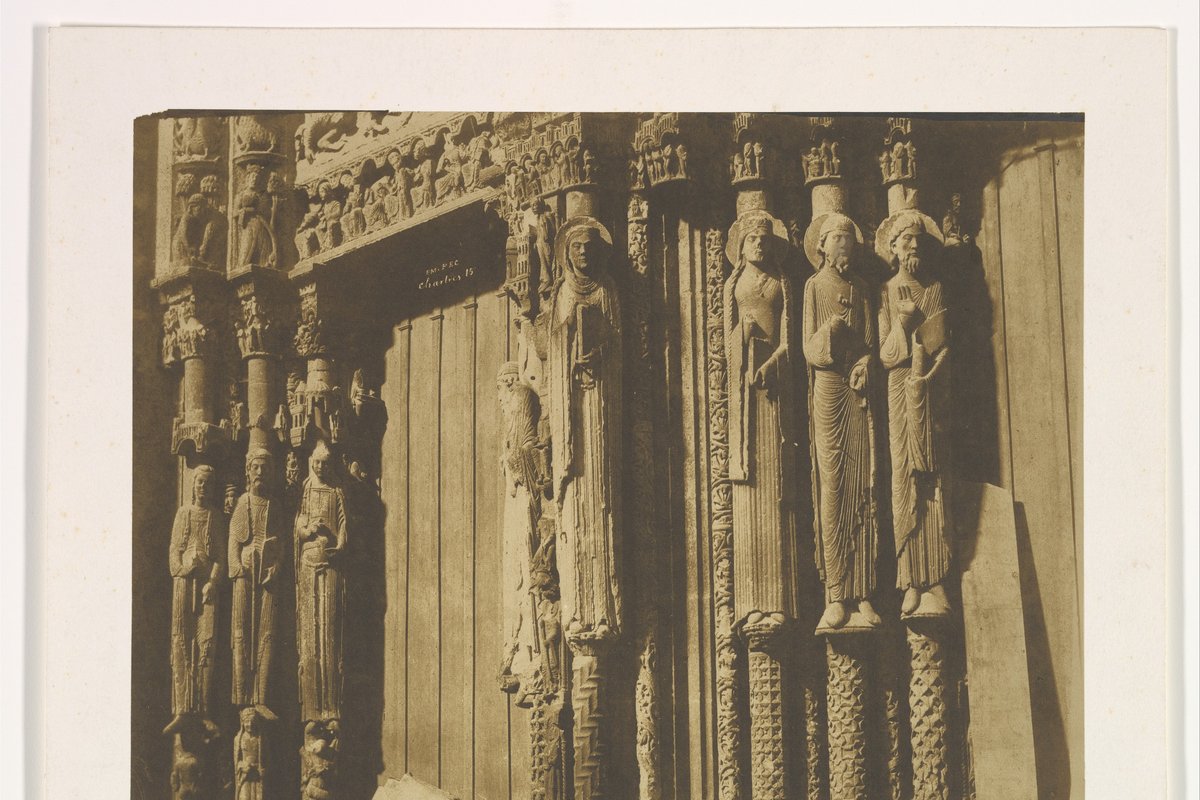
Later centuries added further layers: Gothic chapels, a soaring Baroque facade completed in the eighteenth century that now dominates the cathedral's main square, and the famous botafumeiro, an enormous censer that pilgrims still watch swing dramatically across the transept on special occasions, trailing incense smoke over the crowd below.
The relics beneath the altar
At the heart of the building, both physically and in terms of the devotion it inspires, is the crypt beneath the high altar, where a silver urn is said to hold the remains of Saint James, along with relics attributed to two of his early companions, Athanasius and Theodore. Pilgrims traditionally descend to the crypt to view the urn directly, and many also follow a long-standing custom of embracing a statue of the apostle positioned above the altar as a final gesture at the end of their journey.
It's worth being honest about what can and can't be verified here: no independent historical or archaeological proof definitively establishes that the relics are those of Saint James. The tradition rests on the ninth-century account of their discovery and on an unbroken chain of devotional practice stretching back well over a thousand years. The Catholic Church has never issued a dogmatic pronouncement declaring the relics' authenticity a matter of required belief — it remains, appropriately, a matter of pious tradition rather than defined doctrine, much like many other venerated relics across the Christian world.
A giant censer, swung by rope and muscle
The botafumeiro deserves more than a passing mention, since it's one of the cathedral's most startling living traditions rather than a museum piece. The current censer weighs roughly 80 kilograms and hangs from a pulley system near the crossing of the transept; on major feast days, a team of men called tiraboleiros pulls a system of ropes to swing it in an enormous arc across the width of the church, reaching speeds that carry it within a few feet of the walls at either end. The custom is traditionally explained two ways: as a practical measure to mask the smell of exhausted, unwashed medieval pilgrims packed into the nave after weeks on the road, and as a devotional offering of incense on a genuinely spectacular scale. Both explanations have likely been true at different points across its centuries of use, and the sight still draws visitors who have no other reason to be inside the cathedral that day.
A Holy Door that only opens some years
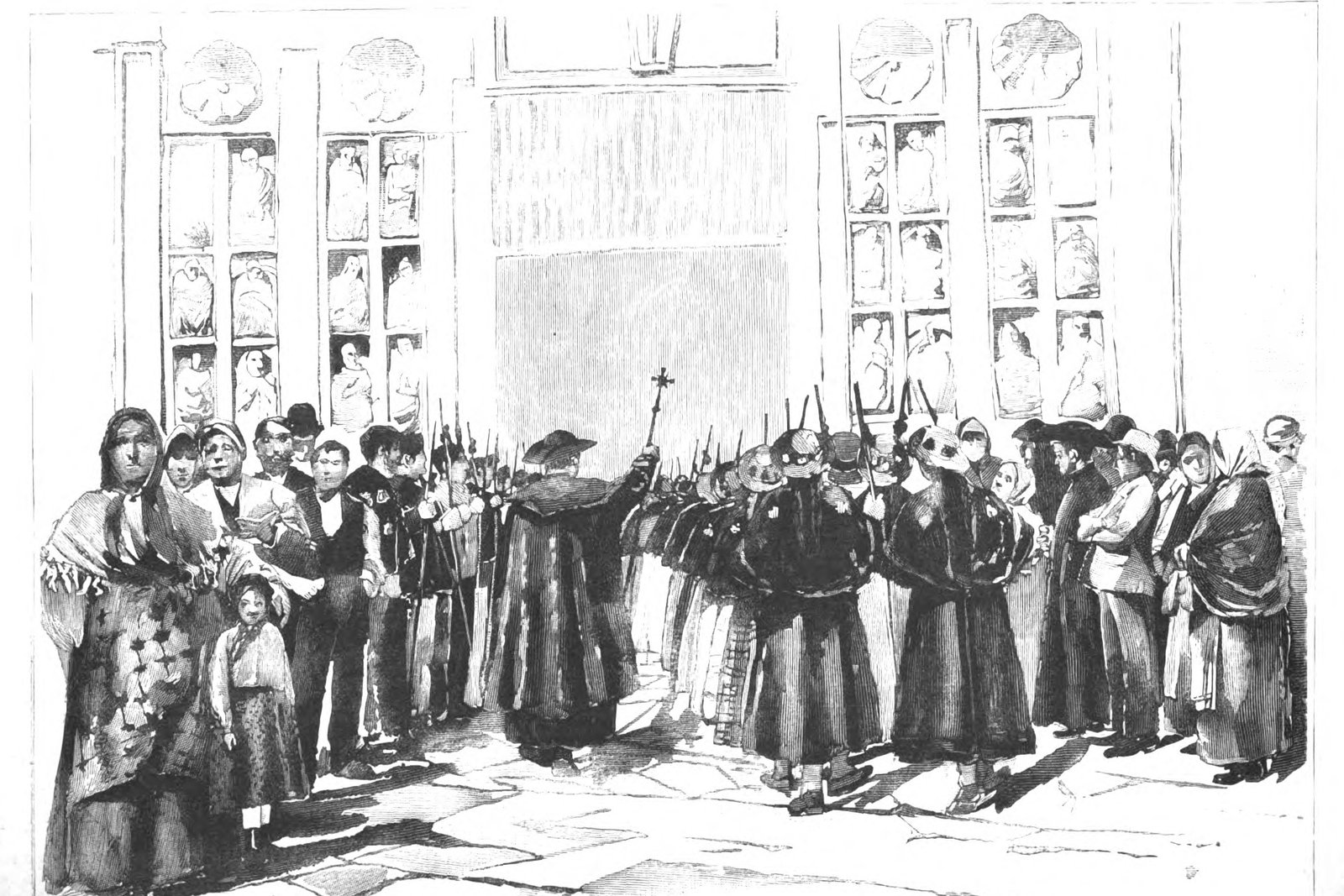
Santiago de Compostela also observes its own version of a custom more widely associated with Rome: a Holy Door, known locally as the Puerta Santa, which normally stays sealed and is ceremonially opened only during a Jacobean Holy Year — any year in which the feast of Saint James, July 25, falls on a Sunday. Pilgrims who pass through the door during one of these designated years, combined with the usual conditions of confession, Communion, and prayer, can receive a plenary indulgence, one of the specific spiritual benefits tied to completing the pilgrimage under Church teaching on indulgences. Pilgrims who complete at least the last 100 kilometers of the Camino on foot (or 200 by bicycle) can also present themselves at the cathedral's Pilgrim's Office to receive the Compostela, an official certificate of completion that has become, for many walkers, as meaningful a keepsake as the destination itself.
The road that made the destination
What sets Santiago de Compostela apart from many other pilgrimage sites is that the journey there became, over time, just as significant as the destination itself. The Camino de Santiago — the Way of Saint James — grew from the Middle Ages onward into a network of routes crossing France, Spain, and beyond, marked by scallop shells (a traditional symbol associated with the pilgrimage) and dotted with hospices, churches, and waystations built specifically to support travelers on foot.
The Camino's popularity waned for a time after the Middle Ages but has surged dramatically in recent decades, drawing hundreds of thousands of walkers each year — many completing it for explicitly religious reasons, others for cultural, historical, or personal ones. In 1985, the old town of Santiago de Compostela, cathedral included, was added to the UNESCO World Heritage List, and the Camino routes themselves received similar UNESCO recognition not long after, cementing the site's status as one of the most enduring pilgrimage traditions still actively practiced in the world today.
Trivia
Whose relics are said to be kept at the Cathedral of Santiago de Compostela?
What does 'Santiago de Compostela' mean?
What is the Camino de Santiago?
How old is the current cathedral building?
Is there historical proof that Saint James is buried at Santiago de Compostela?
Related Reading