Cana: The Village of Jesus's First Miracle

A wedding, and a shortage of wine
The Wedding at Cana is one of the more intimate scenes in the Gospels — not a sermon on a hillside or a healing in a public square, but a family celebration that runs into an embarrassing practical problem. John's Gospel places Jesus, his mother Mary, and his newly gathered disciples at a wedding feast in the village of Cana in Galilee, when the wine supply gives out before the celebration is finished, a serious social embarrassment in a culture where hospitality carried real weight.
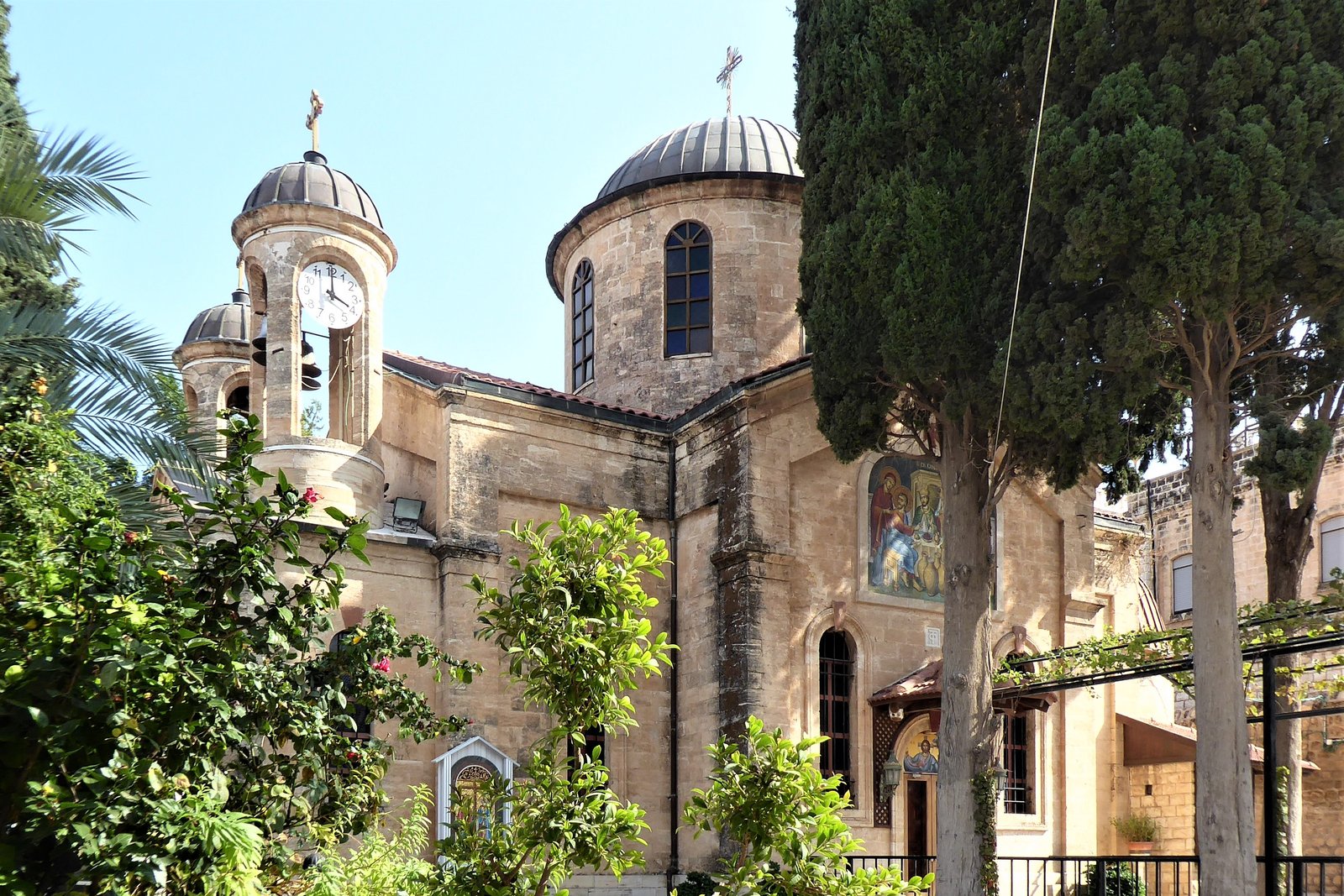
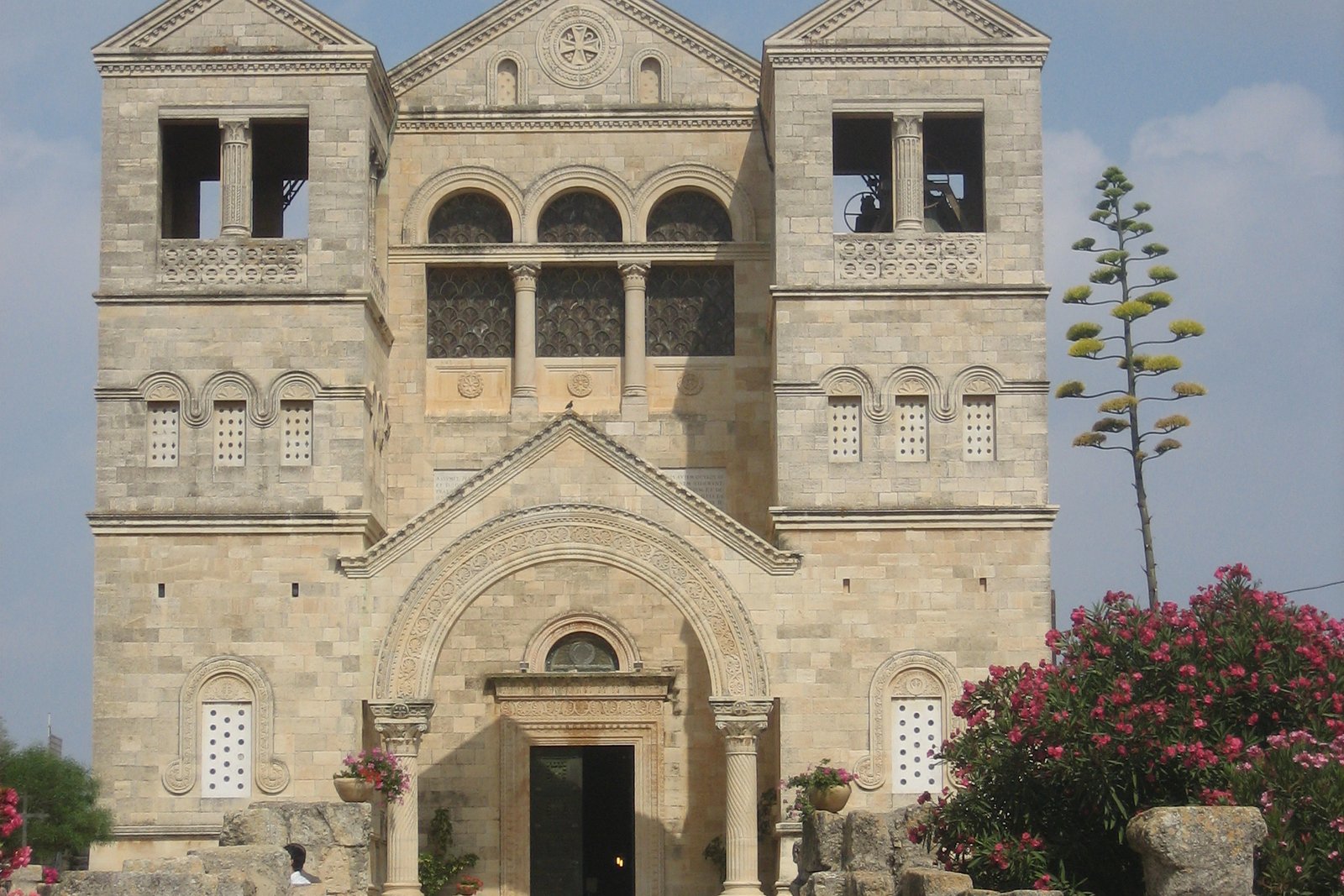
Photograph by Chris06, Wedding Church (Orthodox), Kafr Kanna, 2019 — CC BY-SA 4.0, Wikimedia Commons.
Mary brings the problem to her son directly: "They have no wine" (RSV-CE, John 2:3). Jesus's reply is famously terse — "Woman, how does your concern affect me? My hour has not yet come." (John 2:4) — yet Mary proceeds as though she expects him to act anyway, telling the servants simply, "Do whatever he tells you" (John 2:5). Jesus then instructs the servants to fill six stone jars, originally meant for Jewish ceremonial washing, with water, and when it is drawn out and brought to the steward of the feast, it has become wine — and remarkably good wine at that, prompting the steward's surprised remark that most hosts serve their best wine first, saving the inferior vintage for when guests are already less discerning.
The first of the signs
John's Gospel is explicit about the significance of the moment, closing the episode with a direct theological statement: "Jesus did this as the beginning of his signs in Cana in Galilee and so revealed his glory, and his disciples began to believe in him" (RSV-CE, John 2:11). The word John uses — "sign" rather than simply "miracle" — reflects a pattern throughout his Gospel, in which Jesus's miraculous acts are consistently framed as revelations of deeper truth about his identity, not simply displays of power for their own sake.
Christian commentators across the centuries have found rich symbolic resonance in the specific details of the story: the setting of a wedding feast, which Scripture elsewhere uses as an image for the relationship between God and his people; the transformation of water meant for ritual purification into wine, read by many as an anticipation of the abundance and joy of the new covenant Jesus inaugurates; and the sheer quantity involved, with six stone jars each holding, according to the text, twenty or thirty gallons — a volume of wine wildly beyond what any wedding party could need, suggesting a superabundant generosity characteristic of divine action.
Where was the biblical Cana?
Pinpointing the exact location of biblical Cana involves more uncertainty than many visitors expect. For centuries, Christian tradition has identified the site with the modern town of Kafr Kanna, an Arab town in Lower Galilee a few miles northeast of Nazareth, and this remains the most commonly visited and most widely accepted traditional location. Pilgrim accounts identifying Kafr Kanna with Cana date back at least to the medieval period, and continuous Christian veneration at the site has reinforced the association over many centuries.
However, since the late twentieth century, archaeologists have proposed an alternative candidate: Khirbet Qana, an unoccupied ruin a few miles further north, which excavations have shown was an active Jewish village during the first century, with features — including stone vessels consistent with the jars described in John's account — that some scholars argue fit the biblical description more precisely than Kafr Kanna does. As with a number of Holy Land sites, certainty here is elusive; what can be said plainly is that the tradition around Kafr Kanna is far older and more continuously observed, even if the underlying archaeological question about the "real" Cana remains genuinely open among scholars.
Churches built on memory
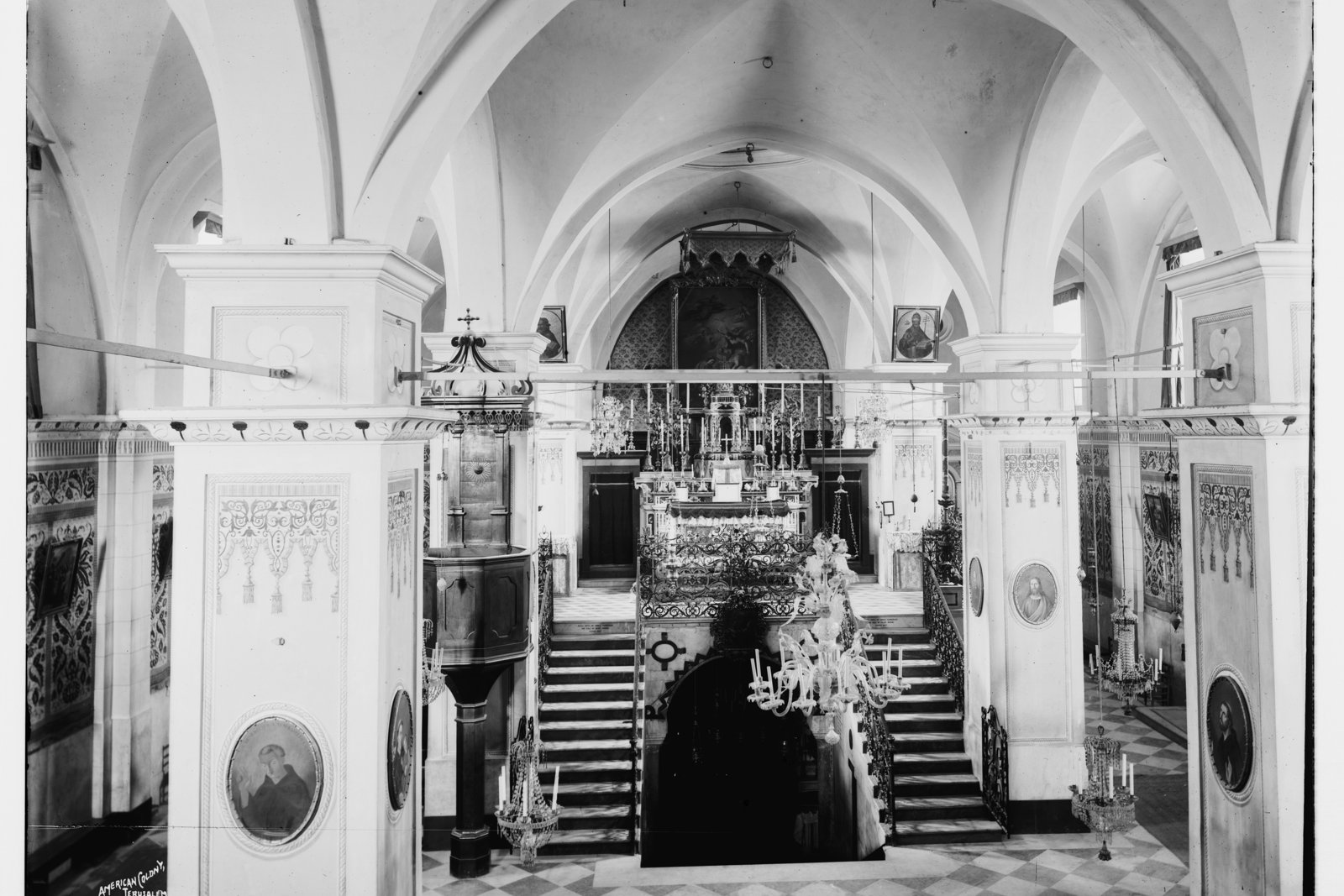
Whatever its precise original location, Kafr Kanna today is home to a Franciscan-administered Catholic church known simply as the Wedding Church, built in the late nineteenth century over the excavated remains of earlier Byzantine and Crusader-period churches that themselves marked the traditional site of the miracle. Excavations beneath the current building have revealed evidence of a fourth or fifth-century structure, along with stone jars of a type consistent with Jewish ritual washing vessels from the period — fragments that, while not proof of any single specific miracle, attest to the site's Jewish and early Christian layers of use.
A separate Greek Orthodox church stands nearby, also claiming a connection to the wedding narrative, and the town has, in more recent centuries, become a popular destination for couples to renew or bless their marriage vows, drawing directly on the story's association with matrimony.
A small village, a lasting witness
Cana never became a major population center or a site of dramatic historical events the way some other Gospel locations did. Its significance rests almost entirely on the single episode John's Gospel preserves — modest in scale, domestic in setting, yet treated by Christian tradition as a genuinely pivotal moment: the first public sign of who Jesus was, witnessed not in a temple or before a crowd, but at an ordinary village wedding where the wine had simply run out.
Trivia
What miracle took place at Cana?
Where is the biblical village of Cana located today?
Why does the miracle at Cana matter theologically?
What role does Mary play in the Cana story?
Can visitors see anything related to the miracle at Cana today?
You May Also Like
Related Reading