The Basilica of the Nativity, Bethlehem

Built over a cave, by an emperor's order
Christian tradition placed the birth of Jesus in a cave used as a stable on the edge of Bethlehem from a very early date — the 2nd-century writer Justin Martyr already describes the tradition of a cave birthplace decades before any church stood on the site. That tradition became architecture in the 4th century, when the Roman emperor Constantine, newly converted to Christianity, commissioned the first basilica over the site around 325-339 AD as part of the same wave of Holy Land church-building that produced the Church of the Holy Sepulchre in Jerusalem. Constantine's original building didn't survive intact — much of what visitors walk through today comes from a major 6th-century reconstruction ordered by the Byzantine emperor Justinian, which enlarged and reinforced the basilica into essentially the structure still standing.
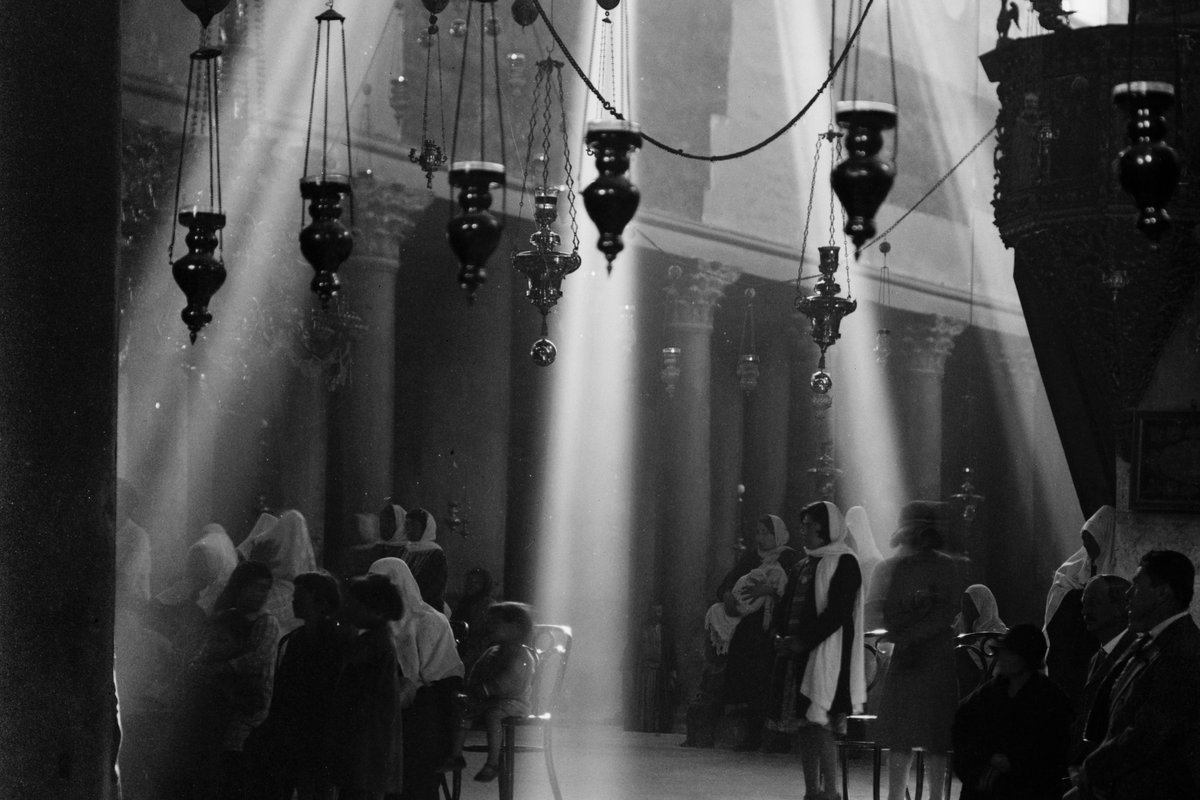
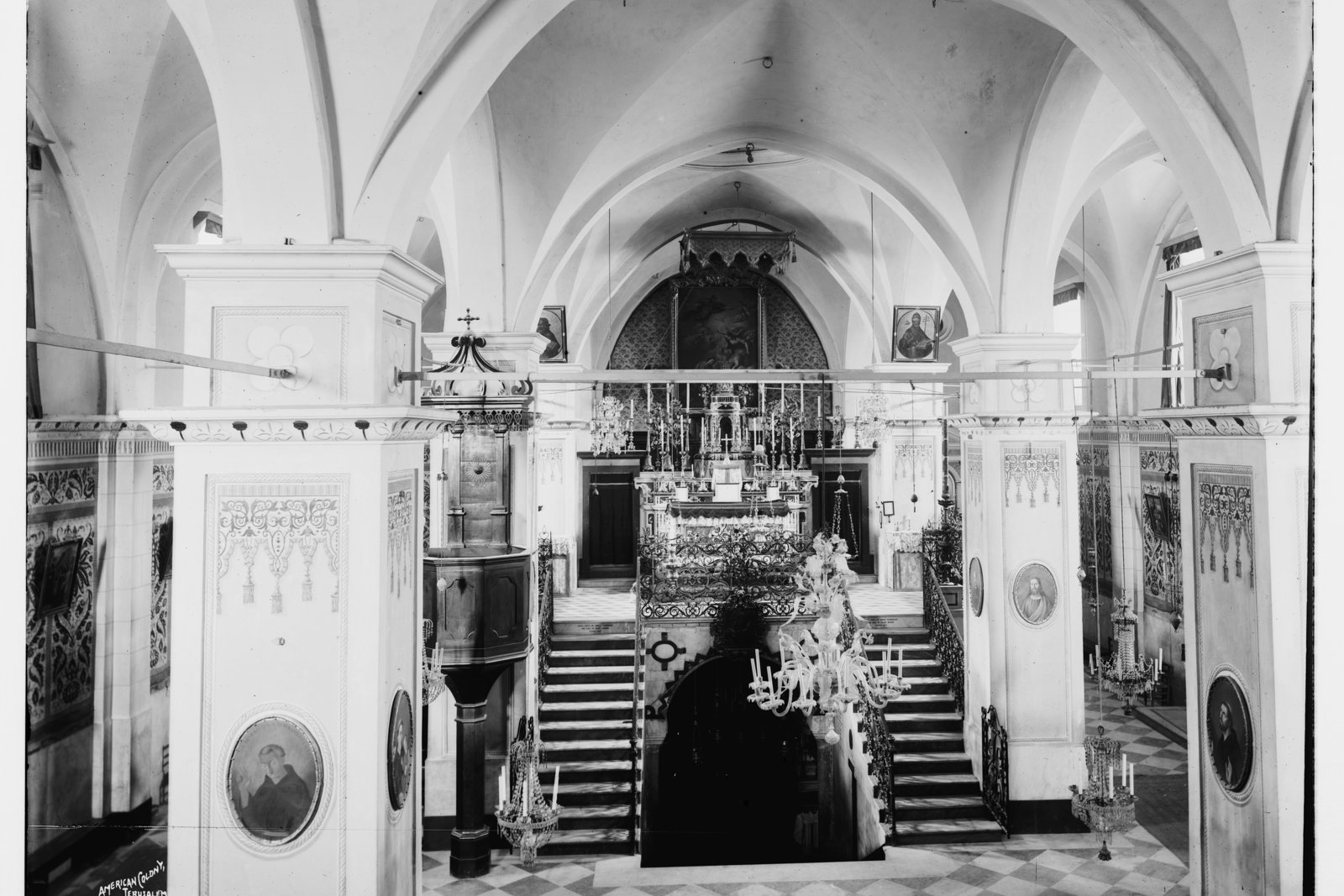
American Colony Jerusalem Photo Department, Church of the Nativity Bethlehem, 1934-1939 - public domain.
The invasion the church survived
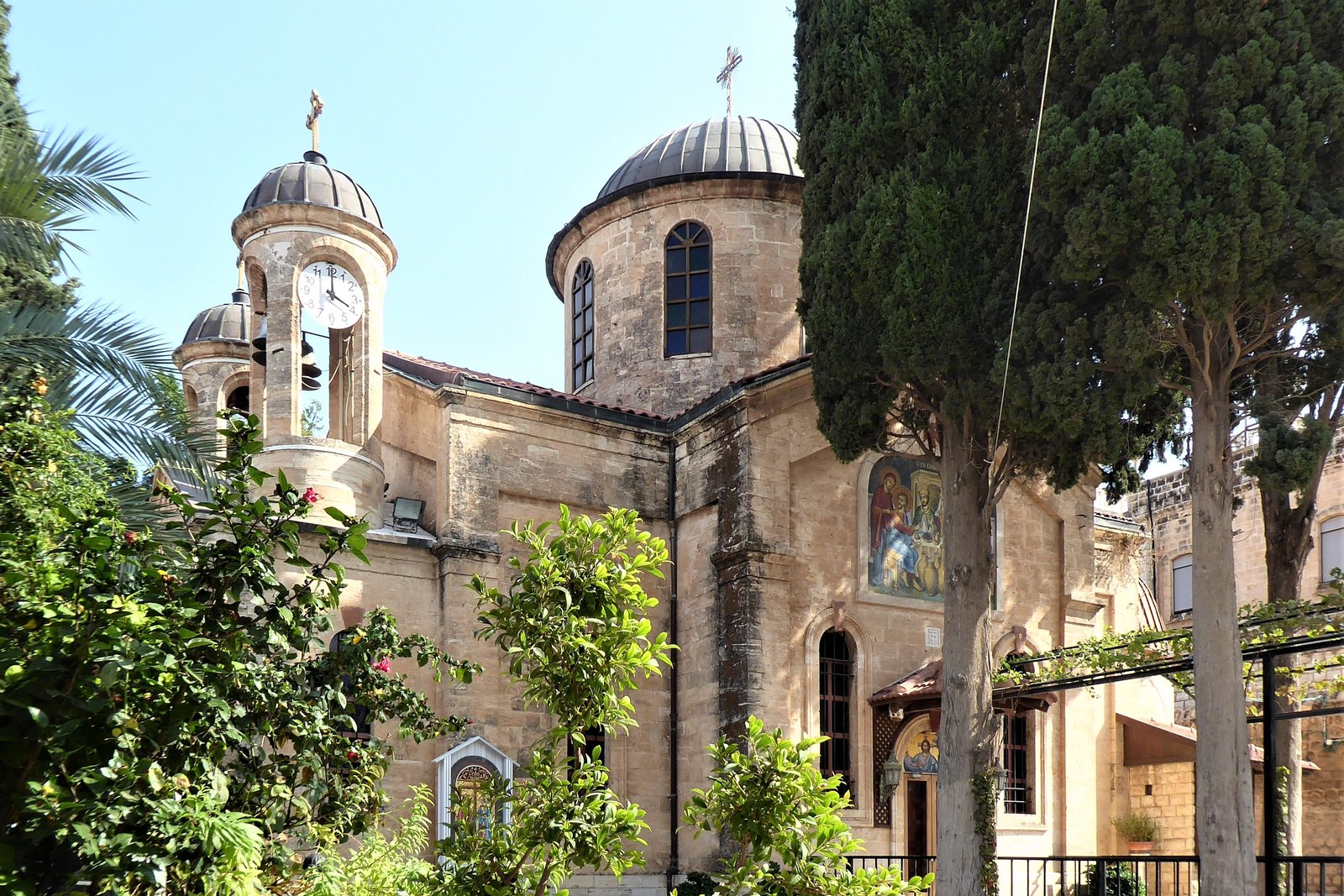
The Basilica of the Nativity's long survival owes a great deal to one particular near-miss. When Persian Sassanid forces invaded the region in 614 AD, sweeping through Palestine and destroying numerous churches, tradition holds that the Basilica of the Nativity was spared specifically because of a mosaic on its exterior facade depicting the three Magi in Persian dress — the invading soldiers, recognizing the figures as their own countrymen, reportedly left the building untouched while razing others nearby. Whatever the precise historical mechanics behind the decision, the outcome is undisputed: the basilica survived the invasion essentially intact, helping make it one of the oldest continuously operating Christian churches anywhere in the world, having never been fully destroyed and rebuilt from ruins the way so many ancient churches have been.
Stooping through the Door of Humility
The church's main entrance today is startlingly small — a doorway barely over four feet high, forcing every visitor to bend down to enter, regardless of rank or occasion. Known as the Door of Humility, it was reduced from a much larger original opening sometime during the Ottoman period, most likely a practical defense against looters riding horses or carts straight into the sanctuary. Whatever its original purpose, the doorway has taken on its own symbolic weight over the centuries: a physical reminder, built into the architecture itself, that everyone who enters a church built to mark the birth of Christ does so having first had to lower themselves.
The Grotto and the silver star
Beneath the main altar, a narrow staircase leads down into the Grotto of the Nativity, the cave venerated as the actual site of Christ's birth. A 14-pointed silver star set into the marble floor marks the traditional spot, ringed by hanging lamps kept by the different communities that share the church, and inscribed in Latin with words that translate to "Here Jesus Christ was born of the Virgin Mary." A few steps away, another small altar marks the traditional site of the manger itself. It's a modest, low-ceilinged space for what the church above it exists entirely to commemorate — closer in feeling to the cave-stable of the Gospel account than to the marble grandeur built up around it over seventeen centuries.
A war-torn 20th and 21st century
The basilica's long survival hasn't meant a quiet history. It endured periods of neglect and disrepair under changing rulers over the centuries, and in more recent memory became the site of a 39-day standoff in 2002, when Palestinian gunmen took refuge inside the church during the Second Intifada, with Israeli forces surrounding the building until a negotiated resolution ended the siege without significant damage to the structure itself. By the early 2000s, decades of deferred maintenance had left the roof and much of the interior in serious disrepair, prompting a major restoration effort beginning in 2013 — a joint Palestinian-led project that repaired the roof, cleaned centuries of grime and candle soot from the mosaics, and uncovered painted decoration on the columns that had been hidden for generations. The work, completed in stages through the 2010s, is credited with saving the building from removal off UNESCO's List of World Heritage in Danger, where it had been placed shortly after its initial 2012 inscription.
Three churches, one roof
Custody of the basilica today is divided among the Greek Orthodox, Armenian Apostolic, and Roman Catholic churches, under a long-standing arrangement known as the Status Quo that assigns different areas of the building and specific times for liturgy to each community — a practical, sometimes tense, but enduring arrangement that has kept the church functioning across centuries of political change in the Holy Land. In 2012, UNESCO recognized the basilica and its pilgrimage route as a World Heritage Site, the first in the Palestinian territories, formally acknowledging what pilgrims have understood by instinct for over a thousand years: that this is one of the most continuously significant buildings in the history of Christianity, still standing very near where it was first raised.
Trivia
Who first built the Basilica of the Nativity, and when?
Why does the church have such a small entrance?
How did the church survive the Persian invasion of the early 7th century?
Where exactly is the traditional birthplace inside the church?
Which churches share custody of the basilica today?
Related Reading