Xavier Castle: Birthplace of Saint Francis Xavier

Born into a defeated family's ruins
Francis Xavier was born in 1506 at his family's ancestral castle near the village of Javier (Xavier), in the Kingdom of Navarre in what is now northern Spain — but the castle he was born into was not the intact medieval fortress his noble ancestors had built and expanded over previous generations. Navarre had been an independent kingdom straddling the Pyrenees, and in 1512, Castilian forces under King Ferdinand II of Aragon invaded and annexed the southern portion of the kingdom, including the region around Javier. Xavier's own father had served as a minister to the Navarrese crown, and the family's loyalty to the defeated kingdom made them targets of Castilian reprisal even after the conquest was complete.
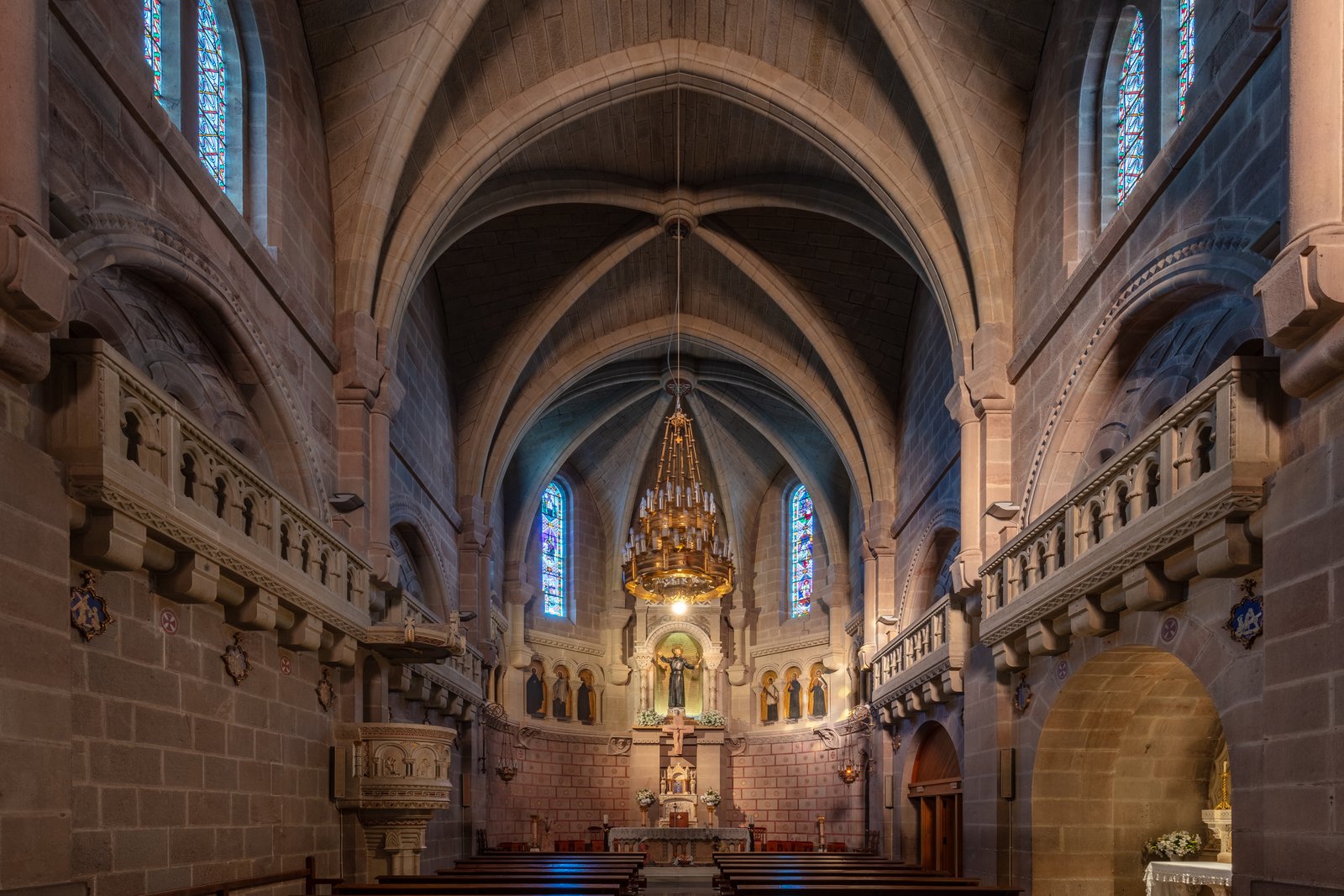
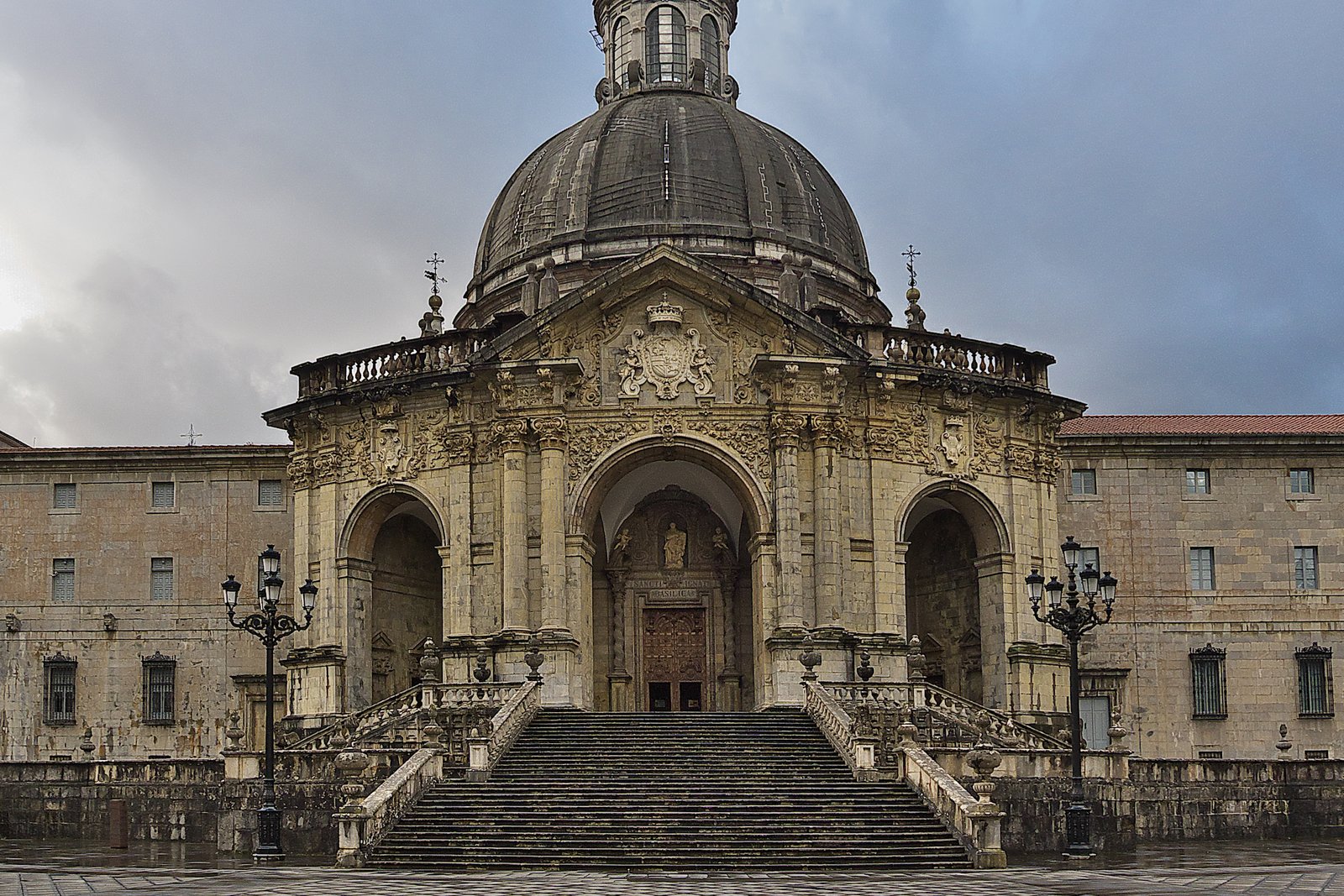
Photograph via Wikimedia Commons, Basílica, Javier, Navarra, España, 2023 — CC BY-SA 4.0.
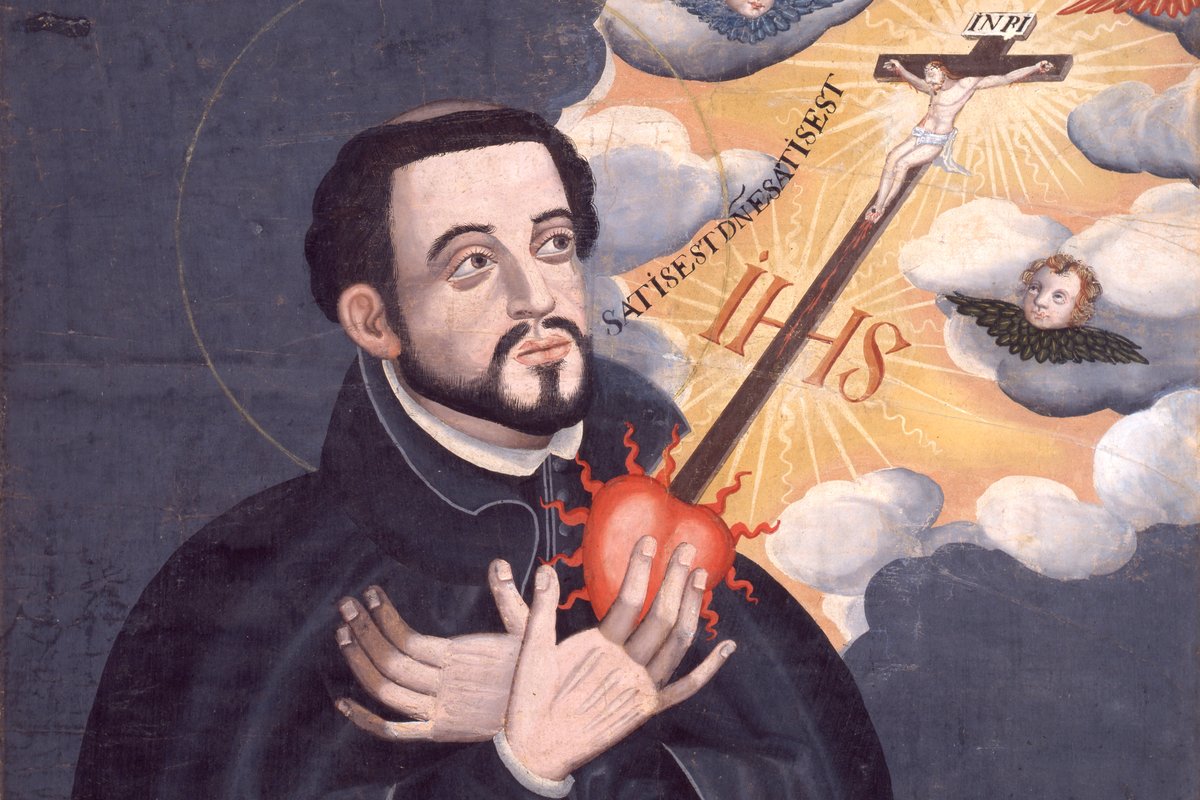
As part of a broader policy of dismantling fortifications that could support future rebellion, Castilian authorities ordered the demolition of towers and defensive elements of a number of noble castles across the newly conquered territory, including the Xavier family's ancestral home — a punitive measure carried out in the years immediately surrounding Francis's birth. The full story of how the boy who grew up in this diminished, politically humbled household became one of history's most significant missionaries is told in our article on Saint Francis Xavier.
From a demolished castle to the University of Paris
Xavier left Navarre as a young man to study at the University of Paris, then the center of European theological and philosophical education, where in 1529 he met a fellow Basque and Navarrese-connected student, Ignatius of Loyola — the beginning of a friendship and collaboration that would prove historically consequential for the entire Catholic Church. Xavier was initially resistant to Ignatius's intense religious focus, more interested in academic advancement and worldly ambition, but was gradually won over through Ignatius's persistence and, according to traditional accounts, his repeated citation of the biblical question "What does it profit a man to gain the whole world and lose his own soul?"
By 1534, Xavier had joined Ignatius and a small group of companions in the foundational vows that would lead, in 1540, to the formal establishment of the Society of Jesus. Where Ignatius would spend most of his later life administering the order from Rome, Xavier's path led in an entirely different direction: outward, across the globe, as one of the first and most extensive Christian missionaries of the early modern era, working under the patronage of the Portuguese crown, which was then extending trading and colonial networks across the Indian Ocean and East Asia.
A missionary career spanning three continents
Xavier's missionary work over the following decade took him to Goa in Portuguese India, to the Malay Peninsula, to the Moluccas islands in present-day Indonesia, and eventually to Japan, where he spent more than two years establishing a mission that would grow into a substantial Japanese Catholic community over the following century, despite eventual severe persecution. His letters back to Europe describing these missions — vivid, detailed, and widely circulated — helped shape European understanding of Asia during this period and cemented his reputation as one of the most dedicated and far-traveling missionaries in Christian history.
Xavier died in 1552 on the island of Shangchuan off the coast of southern China, having attempted to gain entry to mainland China, which was then closed to foreign missionaries, and having fallen ill while awaiting an opportunity to cross. He was canonized in 1622, alongside Ignatius of Loyola, and was later declared patron of Catholic missions — a title reflecting the extraordinary geographic scope of his work, conducted at a time when travel across the distances he covered took months and carried very real risk of death from disease, shipwreck, or violence.
The castle rebuilt around its survivors
Xavier Castle itself endured a long period of decline following the demolitions of the early sixteenth century and the family's departure from prominence in the generations that followed, with parts of the structure falling further into disrepair or being repurposed. Restoration efforts began in earnest in the nineteenth century as devotion to Xavier grew internationally alongside broader Catholic missionary expansion, and further significant restoration took place in the twentieth century, rebuilding around the medieval sections that had survived the original demolition, including the keep and chapel areas most closely associated with the family's history and Xavier's own early life.
Today the castle functions as both a historical site and an active pilgrimage destination, with a museum dedicated to Xavier's life and missionary work housed within its restored rooms, and an adjacent basilica, built in the twentieth century, constructed specifically to accommodate the pilgrim numbers the site draws, particularly around Xavier's feast day and during Navarre's annual "Javierada" pilgrimage, when tens of thousands of people walk to the castle over several days each March. What began as a demolished punishment for a defeated family's political loyalties has become, five centuries later, one of the most visited religious sites in northern Spain.
Trivia
Why was Xavier Castle partially demolished?
When was Francis Xavier born at the castle?
How did Francis Xavier become a missionary in Asia?
What is preserved at Xavier Castle today?
Related Reading