Our Lady of Luján: The Clay Statue That Would Not Be Moved

An ox-cart that would not budge
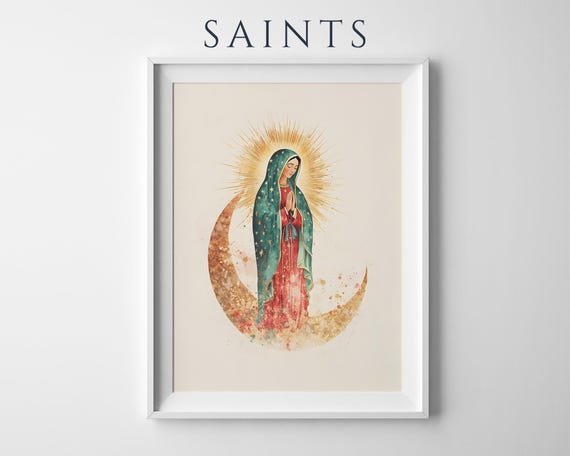
The traditional story behind Our Lady of Luján begins not in Argentina but in Brazil, with a vow made by a Portuguese landowner, usually identified in the tradition as Antonio Farías de Sá, who had settled in Sumampa, in what is now northern Argentina. Around 1630, wanting to fulfill a religious promise, he ordered a small terracotta statue of the Immaculate Conception sent from Brazil, likely from a workshop in São Paulo. The statue arrived packed in a wooden crate, and was loaded onto an ox-cart for the long overland journey to his estate.
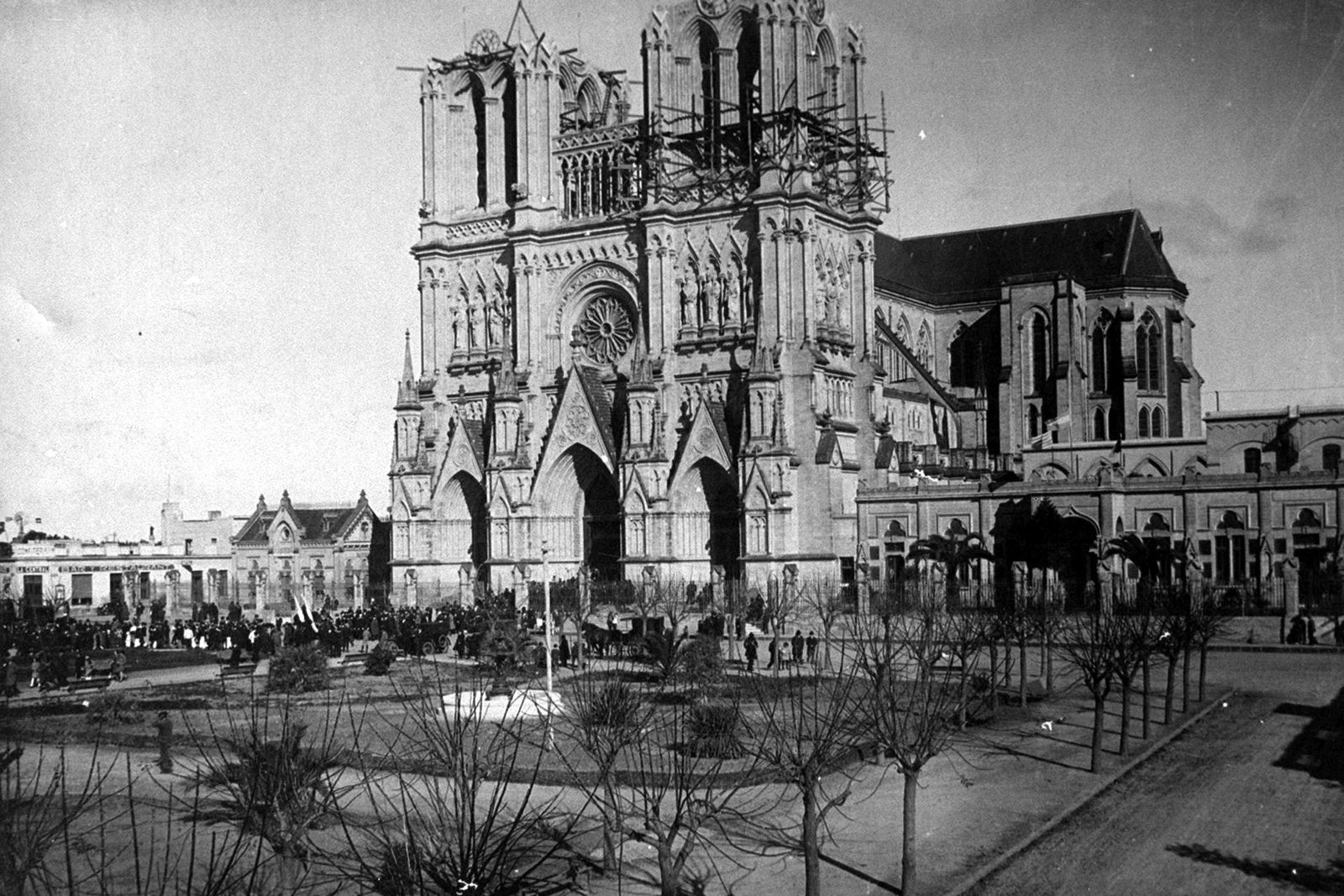
Unknown author, Basílica de Luján (1925). Public domain, via Wikimedia Commons.
The cart made it as far as the banks of a modest river that would later take the statue's name — the Luján — before, according to the story told ever since, it simply refused to go any farther. The drivers tried everything: fresh oxen, lighter loads, every trick available to men moving cargo across the pampas. Nothing worked. It was only when someone thought to open the crate itself that the problem supposedly revealed its cause: inside sat the small clay Virgin. The moment the statue was lifted out and set down on the ground at that spot, the story holds, the cart moved again without difficulty — now carrying everything except the one thing it had refused to carry any farther.
Whatever actually happened on that stretch of riverbank in the early 17th century, the people living nearby took the story as a sign that Mary wished to be venerated there rather than carried off to a private estate. A small chapel went up near the site to house the statue, and from that modest beginning grew one of South America's most visited Marian shrines.
A modest statue, a monumental church
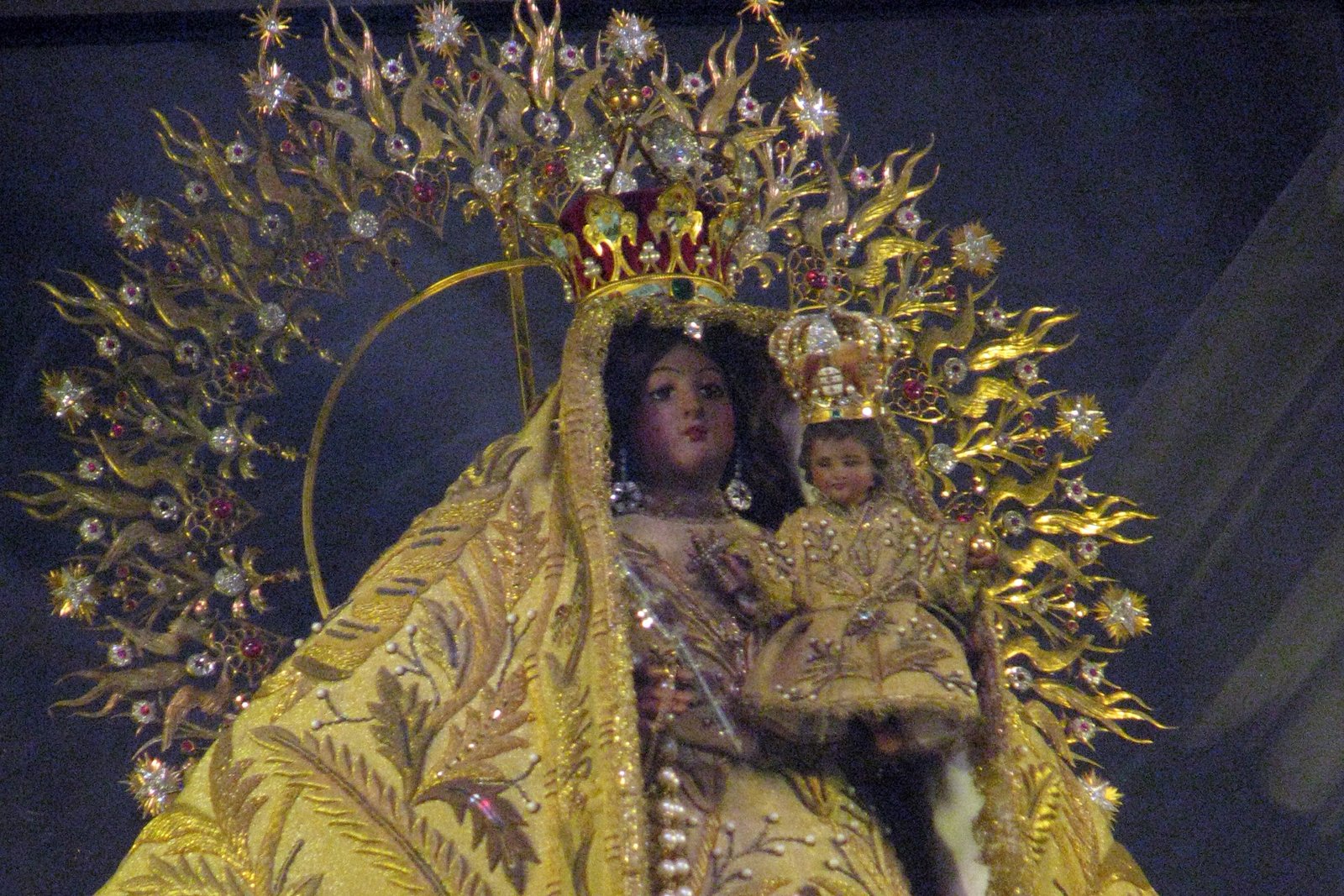
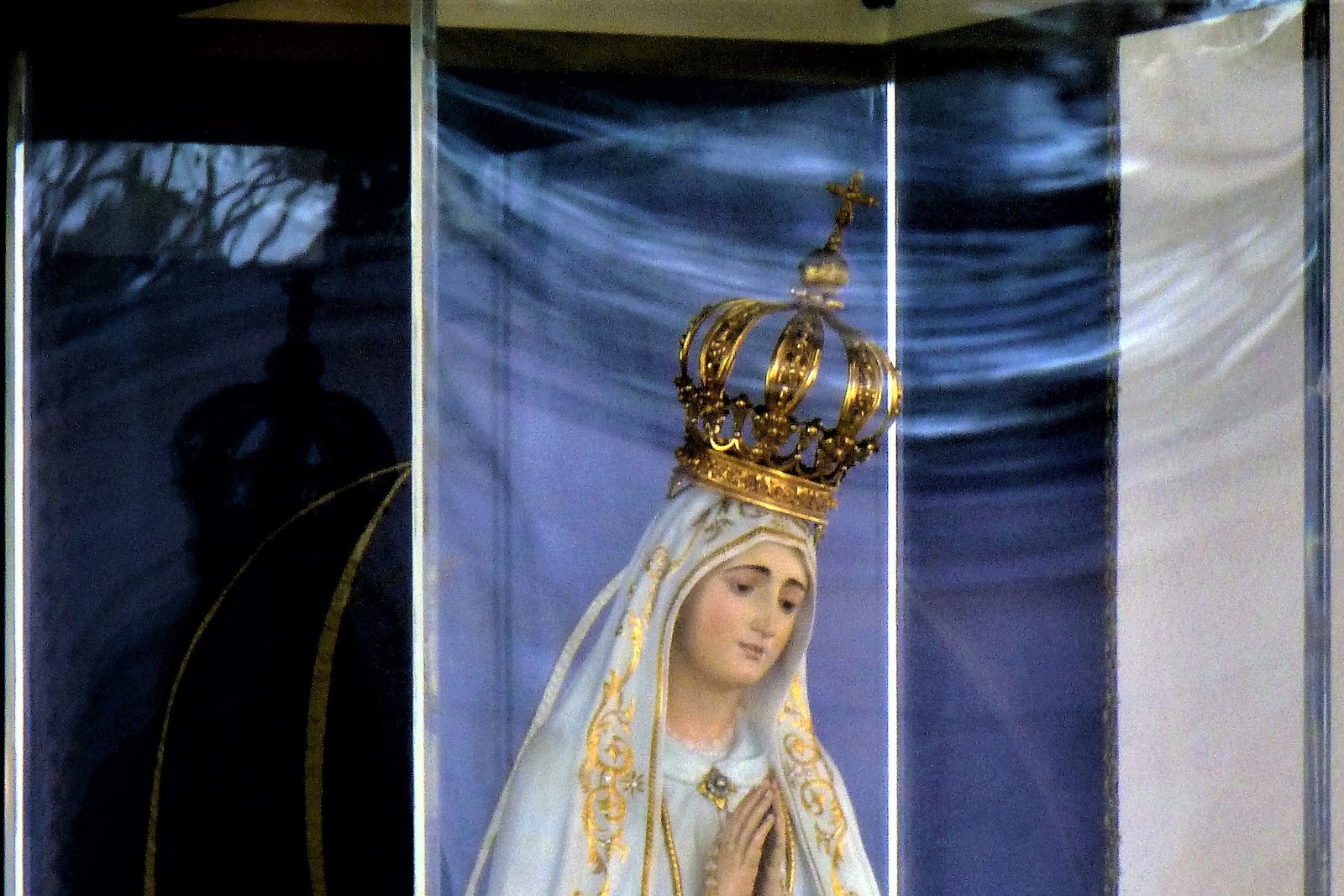
What makes Luján's devotion distinctive, as with several other beloved Latin American Marian images, is the plainness of the object at its center. The statue itself is small — commonly described as about 38 centimeters tall, roughly the length of a forearm — and made of ordinary baked clay, not carved wood, cast metal, or precious materials. It depicts Mary under the title of the Immaculate Conception, hands folded in prayer, in a pose common to devotional statuary of that period and origin.
That humility stands in deliberate, almost startling contrast to the building that eventually rose around it. As the devotion spread across the surrounding region through the 17th and 18th centuries, a series of increasingly larger chapels replaced the original small structure, each proving too small for the growing number of pilgrims within a generation or two. The current basilica, a soaring neo-Gothic structure with twin spires reaching roughly 106 meters, was built over several decades beginning in the late 19th century and completed in the early 20th — the very construction captured in the 1925 photograph used as this article's hero image. Inside that vast space, the same foot-tall clay statue that once stopped an ox-cart in its tracks sits enshrined above the main altar, visible from every pew.
Argentina's patroness
Devotion to Our Lady of Luján grew steadily through the colonial period and into Argentina's independence, eventually drawing the Church's own formal recognition. She holds the title of Patroness of Argentina, a status reflecting centuries of popular veneration that long preceded any formal papal declaration — the kind of devotion that builds from the ground up, parish by parish and pilgrim by pilgrim, before Rome ever puts a title to it. Her feast is celebrated on May 8, and the basilica in the town now named Luján after her draws visitors from across the country and the wider region throughout the year, not only on that date.
A pope's own devotion
For readers outside Argentina, the clearest window into how deeply this particular image is loved may be its connection to the man who became Pope Francis. Jorge Mario Bergoglio grew up in Buenos Aires, not far from Luján, and maintained a well-documented personal devotion to this image throughout his decades as a priest, auxiliary bishop, archbishop, and cardinal — making pilgrimages to the shrine and speaking of Our Lady of Luján in homilies and writings well before his 2013 election as pope. As the first pope from Argentina, and indeed the first from the Americas, his attachment to this specific, humble statue drew a wave of international attention to a shrine that had, for nearly four centuries, been treasured mainly within Argentina and neighboring countries. Francis has not been able to visit the shrine in person since his election, but his long association with the image remains one of the most frequently mentioned facts about Luján in coverage of his papacy.
A pilgrimage that fills the highway
If the statue's quiet, domestic-sounding origin story — a stubborn ox-cart, a reluctant crate — suggests a modest local devotion, the modern pilgrimage built around it tells a very different story about scale. Each October, usually timed to a Saturday, tens of thousands of young people set out on foot from Buenos Aires for an overnight walk of roughly 60 kilometers to the Luján basilica, arriving at dawn for Mass. What began decades ago as a youth movement has grown into one of the largest annual pilgrimages anywhere in Latin America, with crowds that can swell into the hundreds of thousands by the time the walkers reach the shrine. Buses, roadside stalls, first-aid stations, and overnight rest points now line the route for the occasion — infrastructure built around a tradition that, at its heart, is still simply people walking through the night toward the same spot where a small clay Virgin once refused to be carried any farther.
That contrast — between the statue's size and the scale of what it has drawn — is, in the end, the whole story of Luján in miniature: an object small enough to fit in a crate on an ox-cart has become large enough, in the devotion it inspires, to define a nation's sense of its own patroness.
Trivia
How did the statue of Our Lady of Luján come to Argentina?
Why did the ox-cart supposedly stop at that spot?
What is the statue of Our Lady of Luján made of, and how big is it?
Why does Pope Francis have a personal devotion to this image?
What is the Luján youth pilgrimage?
Related Reading