The Holy Girdle of Prato: Mary's Belt Given to Doubting Thomas


A belt, and a second chance to believe
The story only makes sense once you remember who Thomas the Apostle was before any of it happened. He's the apostle who, when the other ten told him Christ had risen and appeared to them, refused to accept it: "Unless I see the mark of the nails in his hands and put my finger into the nailmarks and put my hand into his side, I will not believe" (John 20:25, NABRE). Christ obliged him a week later, letting Thomas touch the wounds himself, with the gentle rebuke that followed — "Blessed are those who have not seen and have believed" (John 20:29, NABRE) — becoming one of the most quoted lines in the Gospels.
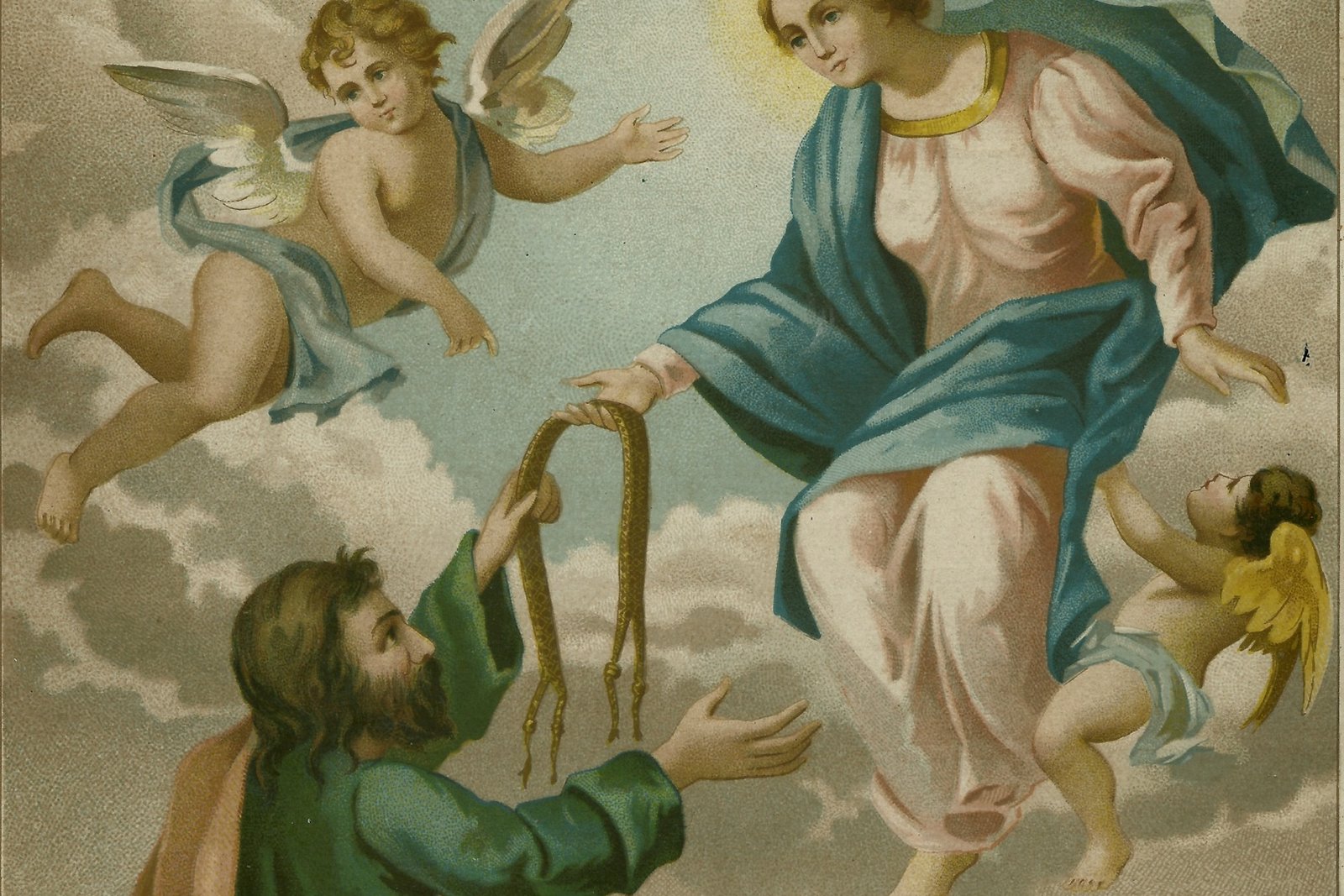
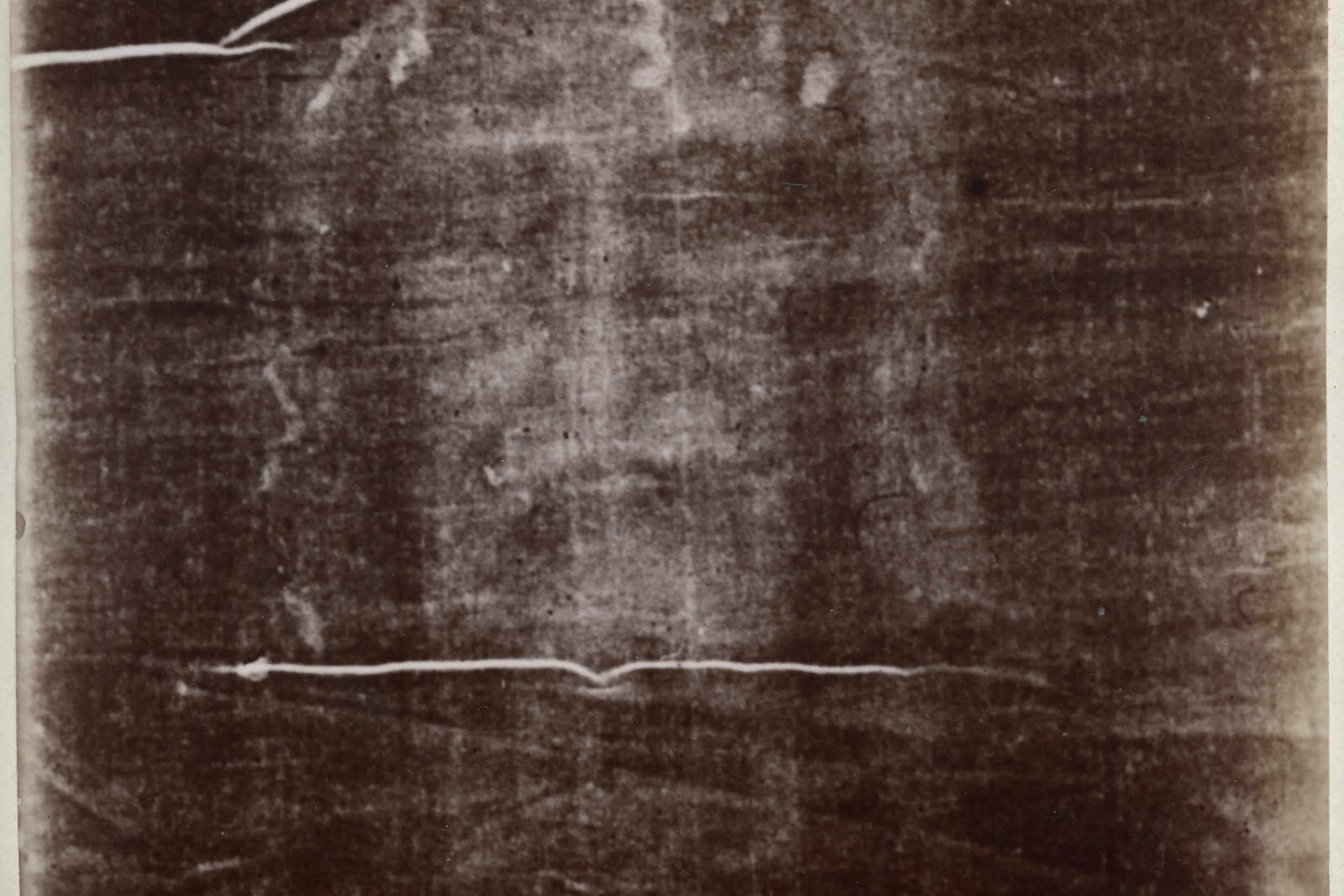
Unknown photographer, La Sacra Cintola (Duomo di Prato), 19th century. Public domain, via Wikimedia Commons.
Medieval legend picked up that same character thread decades later and ran with it. According to a tradition that circulated widely in the Christian East before taking firm root in the West by the 13th and 14th centuries, Thomas was traveling in India when Mary's Assumption into heaven took place, and so missed the one event all the other apostles were said to have witnessed together. Rather than leave him in doubt a second time, the story goes, Mary — already aware of his need for tangible proof — appeared to him separately and let fall her girdle, the woven belt she had worn in life, as something he could actually hold. It's worth being clear-eyed about what this is: nothing in Scripture or in the Church's earliest teaching on the Assumption mentions a girdle at all. This is a devotional legend layered onto the feast much later, not a biblical episode or a defined dogma — the kind of distinction worth making explicitly, since the Church treats pious legend and formal teaching very differently (see the final section below).
From the Holy Land to a Tuscan merchant's house
Whatever its ultimate origin, a specific textile relic venerated as this girdle has a documented chain of custody that is unusually concrete for a medieval relic story. Tradition in Prato holds that a local merchant named Michele Dagomari acquired the belt while traveling in the Holy Land, reportedly receiving it as part of a dowry connected to a church in Jerusalem, and brought it home to Prato around 1141. For decades afterward he apparently kept the relic as a private family treasure rather than publicizing it — not an unusual pattern for relics that entered Western Europe quietly through trade and pilgrimage routes rather than official ecclesiastical channels. Only when Dagomari died in 1172 did he will the girdle to his parish church of Santo Stefano, the building that is now Prato Cathedral, where it has remained under the care of a dedicated lay confraternity, the Opera della Sacra Cintola, ever since.
Prato in the 12th century was a modest Tuscan wool town, and it's not a coincidence that a belt — a woven object, tied to the city's own textile trade — became the relic its people rallied around. The girdle quickly became bound up with civic identity as much as personal piety, and disputes over who controlled access to it (including a well-documented attempted theft in 1312 by a sacristan who tried to smuggle it to Florence) only deepened Prato's determination to guard and honor it publicly.
Building a pulpit for a crowd that couldn't fit inside
By the early 15th century, the relic's popularity had outgrown the cathedral's own walls. The crowds gathering in Prato's piazza for the girdle's public showings had become too large for a bishop to display the relic from inside the church and still be seen, so the city commissioned a purpose-built solution: an open-air pulpit set into the southeast corner of the cathedral's facade, high enough and angled outward enough to let the whole square see the relic lifted into view.
The result, built roughly between 1428 and 1438, is one of the finer collaborations of the early Florentine Renaissance. The architect Michelozzo — already a favored designer for the Medici family — handled the pulpit's structure, while Donatello contributed the sculpted decoration, most famously a ring of dancing putti (cherubic child figures) around the parapet, rendered with the kind of loose, almost pagan energy that made Donatello's reliefs so distinctive among his contemporaries. The putti visible on the facade today are faithful copies; the fragile 15th-century originals were removed for conservation reasons in 1970 and are now preserved inside the adjoining Museo dell'Opera del Duomo, viewable up close in a way the open-air originals never allowed.
The chapel inside, and the frescoes that tell the story
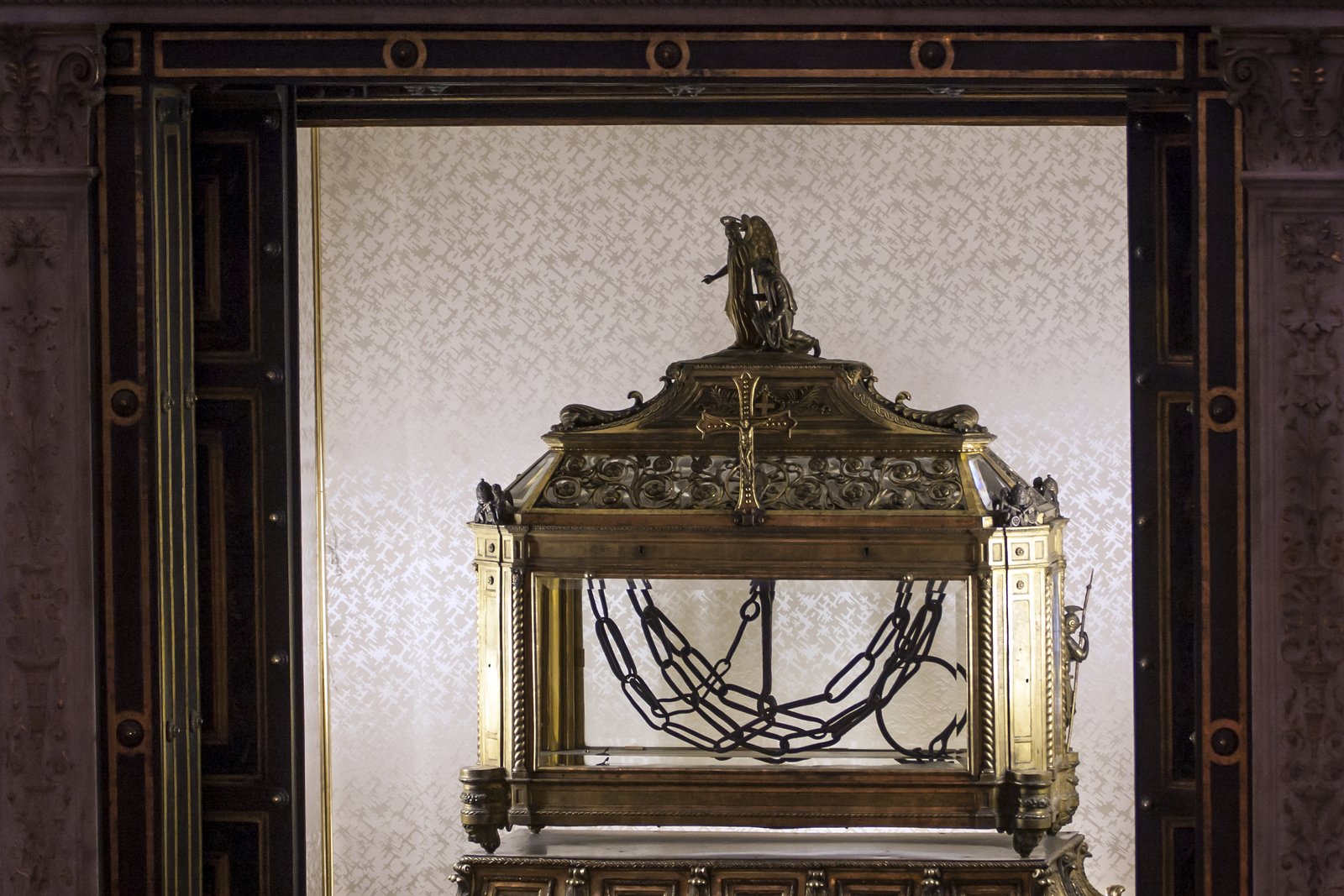
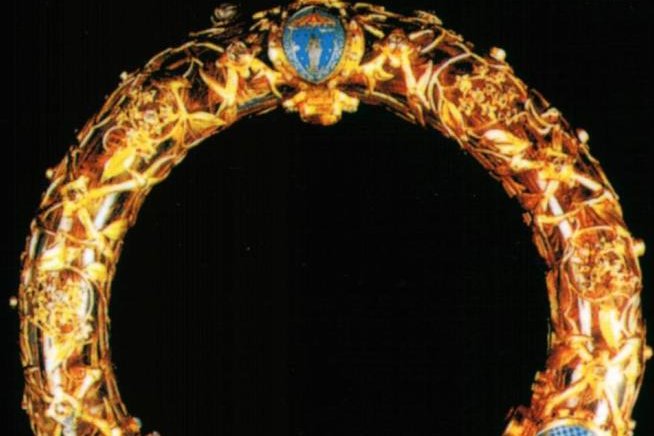
Just inside the cathedral, near the entrance, a dedicated Chapel of the Holy Girdle houses the relic itself the rest of the year, enclosed today in an elaborate reliquary. The chapel's walls carry one of the more striking fresco cycles of the late 14th century: thirteen scenes painted between roughly 1392 and 1395 by Agnolo Gaddi and his workshop, narrating the life of the Virgin alongside the girdle's own legend — among them scenes of Mary's betrothal and, fittingly, the moment of the relic's transmission to Thomas. The frescoes were plastered over and hidden in 1740, for reasons tied to shifting taste rather than any judgment on their content, and weren't rediscovered and restored until 1885-87 — meaning generations of Pratesi worshipped in that chapel for over a century without ever seeing the images underneath the whitewash.
Five days a year, and what the Church actually claims
The girdle is brought out from the chapel and shown to the public five times each year: Christmas, Easter, May 1, the Assumption on August 15, and the Nativity of the Virgin on September 8 — the last of these remaining the city's single biggest civic and religious occasion, complete with a historical procession through Prato's streets before the relic is raised from the Pulpit of the Holy Girdle itself.
As with fragments of the True Cross or the Shroud of Turin, it's worth stating plainly what the Church does and doesn't claim here. The Catechism lists "the veneration of relics" among the forms of popular piety the Church encourages (no. 1674) — but encouragement of the devotional practice is not the same as a certified claim about any individual object's material history. The girdle legend itself has no basis in Scripture and sits outside the Church's defined teaching on the Assumption (proclaimed as dogma in 1950, with no mention of a belt anywhere in that definition); it belongs to the long and genuinely cherished category of pious tradition, the stories that grow up around a feast without ever becoming part of what the Church formally teaches as fact. Nine centuries of Pratesi devotion haven't required that distinction to be resolved in order to mean something real — the belt they've honored all this time points, as devotional objects generally do, toward a mystery far larger than the question of whether one particular strip of wool and silk is physically what it's said to be.
Trivia
What is the legend behind the Holy Girdle of Prato?
How did the Holy Girdle supposedly reach Prato, Italy?
What is the Pulpit of the Holy Girdle, and why does it exist?
How often is the Holy Girdle displayed to the public?
Does the Catholic Church teach that the Prato relic is authentically Mary's belt?
Related Reading