Old Testament Prophets Every Catholic Should Know

Messengers, not fortune-tellers
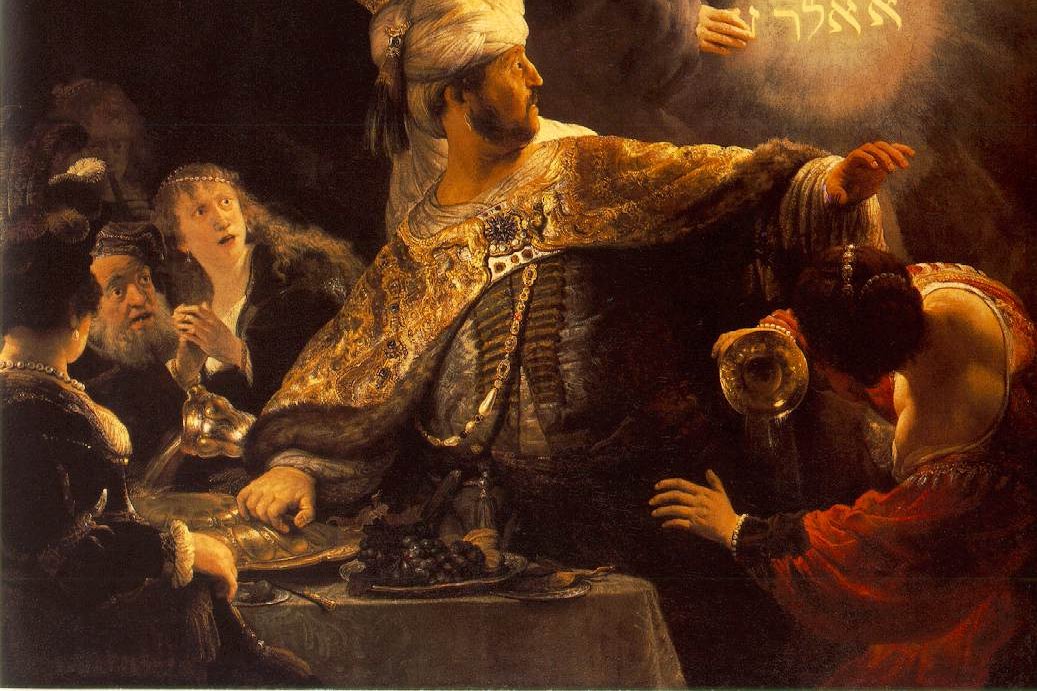
In the biblical sense, a prophet isn't primarily someone who predicts the future — though prophetic books do contain future-facing visions. A prophet is someone sent to speak God's word to a specific situation: to warn a king drifting into idolatry, to call a nation back from injustice, to comfort exiles who've lost everything, or to announce judgment on cities that refuse to change course. It's a role that came with real personal cost. Several of the men on this list were imprisoned, exiled, or outright rejected by the very people they were sent to address.
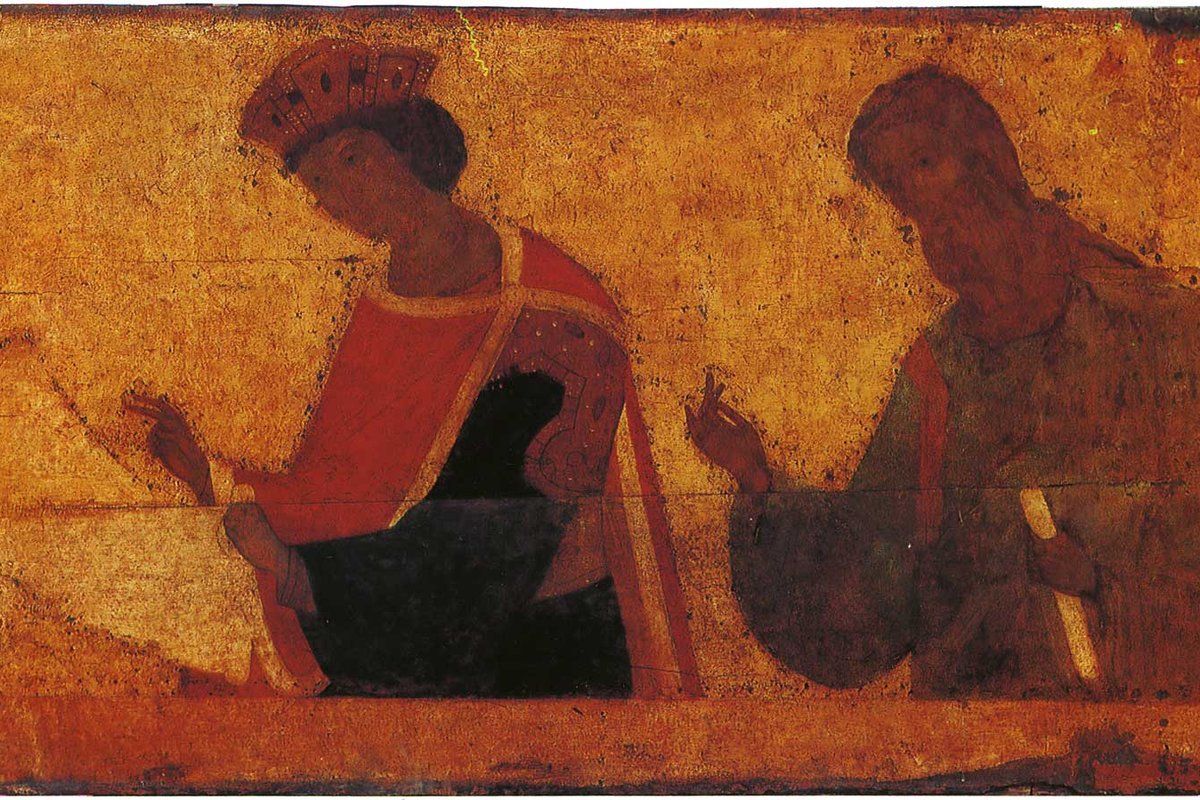
Workshop of Andrei Rublev, "Solomon and Isaiah," 1420s, Trinity Cathedral, Sergiev Posad — public domain.
Catholic tradition groups these books into two categories — not by importance, but by length. The four major prophets (Isaiah, Jeremiah, Ezekiel, and Daniel) fill long books; the twelve minor prophets (Hosea through Malachi) are shorter, some barely a few chapters, but no less significant for it.
The four major prophets
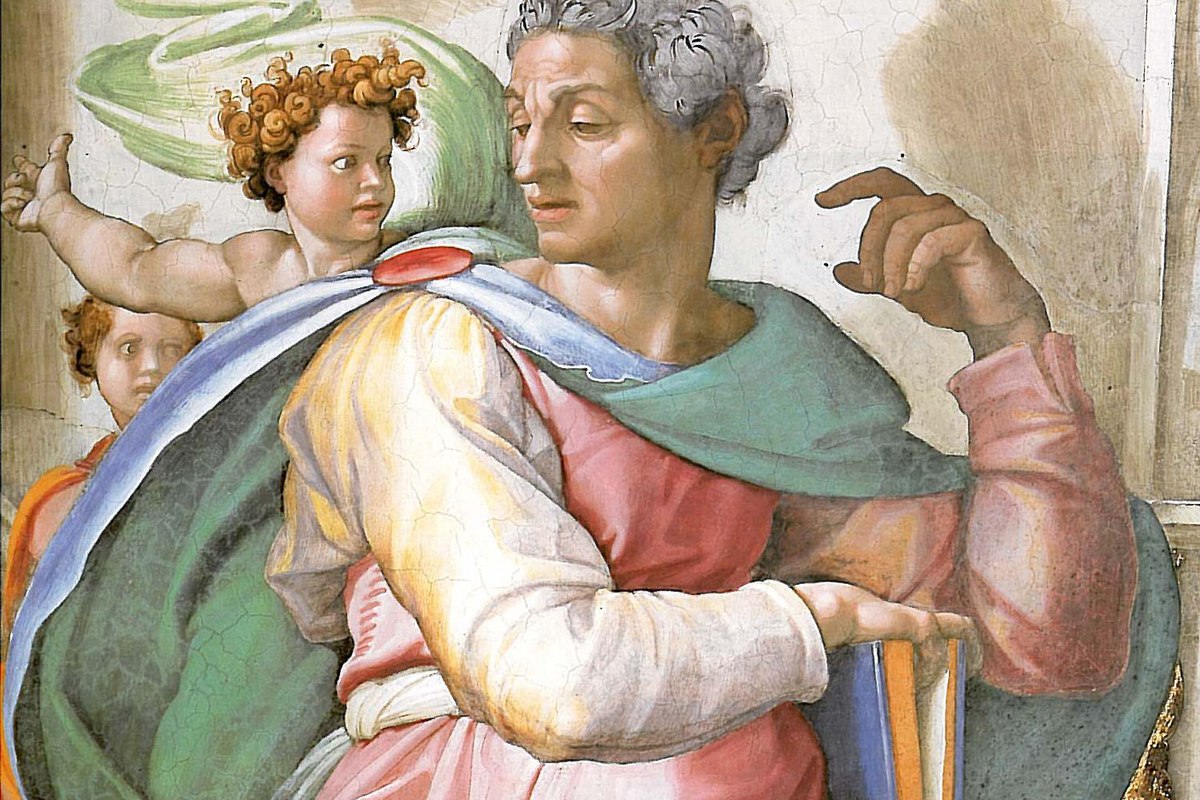
Isaiah is the most quoted prophet in the New Testament by a wide margin, remembered for soaring poetry about a coming Messiah, a suffering servant, and a peaceable kingdom where "the wolf shall be a guest of the lamb." His own prophetic call — a vision of God enthroned in the Temple, surrounded by seraphim crying "Holy, holy, holy" — is one of the most vivid scenes in the Old Testament, explored in more depth in Isaiah's vision of the heavenly throne elsewhere on this blog.
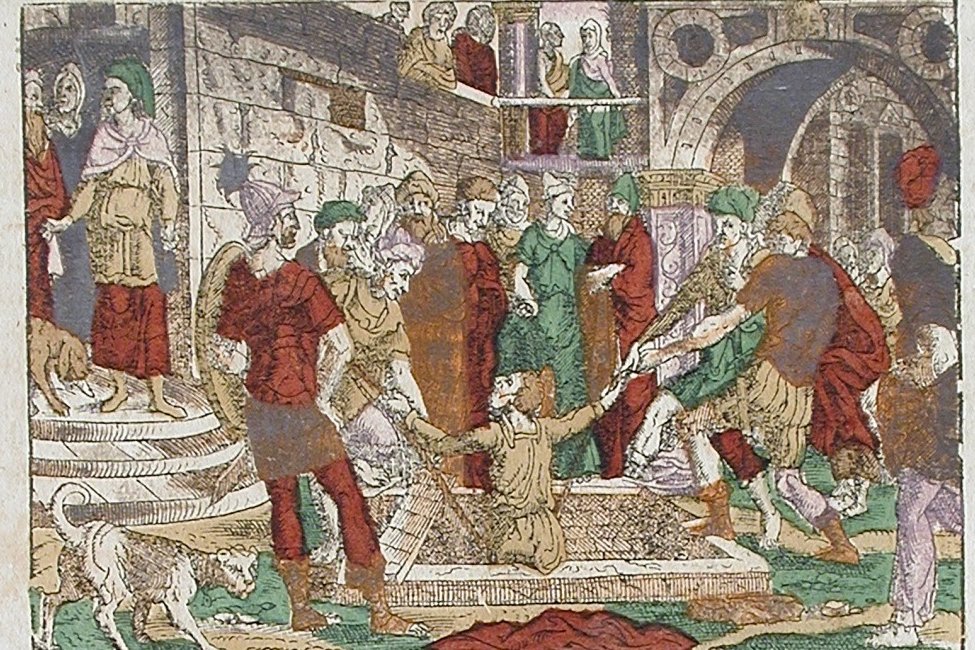
Jeremiah ministered through the final, catastrophic decades before Jerusalem fell to Babylon in 587 BC, delivering warnings that cost him imprisonment and near-execution at the hands of his own people. Tradition remembers him as "the weeping prophet," and the Book of Lamentations — mourning the city's destruction — is traditionally associated with him.
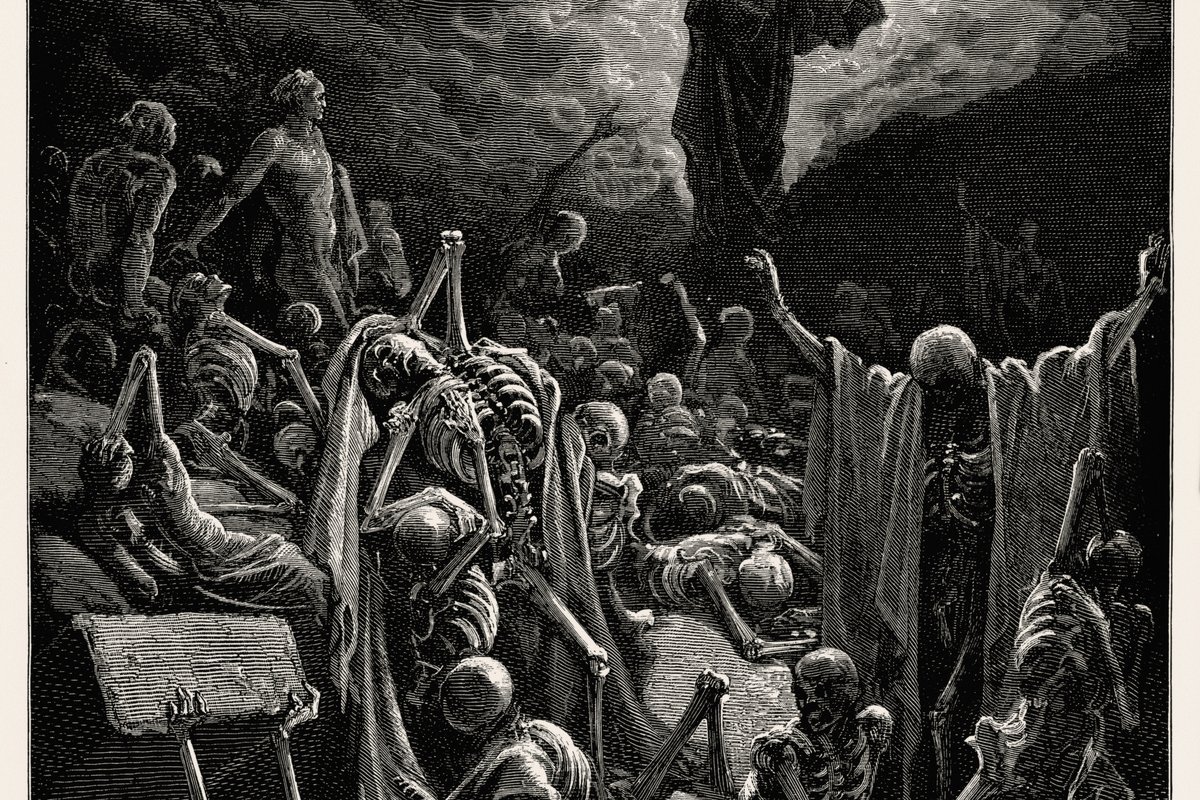
Ezekiel prophesied among the Jewish exiles already deported to Babylon, and his book is full of some of Scripture's strangest, most striking imagery: a valley of dry bones brought back to life, and a vision of four living creatures and wheels within wheels surrounding the glory of God — imagery later Christian art and theology drew on heavily.
Daniel combines two very different kinds of material: court stories of faithfulness under pressure (the fiery furnace, the lions' den) and symbolic, apocalyptic visions of empires and the end of days. Daniel's visions also include direct encounters with angels — Gabriel is sent to explain his visions, and Michael appears as "the great prince, guardian of your people" (Daniel 12:1).
The twelve minor prophets
The twelve — Hosea, Joel, Amos, Obadiah, Jonah, Micah, Nahum, Habakkuk, Zephaniah, Haggai, Zechariah, and Malachi — cover an enormous range of tone and circumstance despite their short length. Hosea turns his own troubled marriage into a living metaphor for God's relentless faithfulness to an unfaithful Israel. Amos, a shepherd from Judah, thunders against social injustice and empty religious ritual in the northern kingdom. Jonah is famous less for prophesying and more for running from the assignment entirely, ending up swallowed by a great fish before finally preaching to Nineveh. Micah gives Christian tradition one of its most quoted messianic verses, naming Bethlehem as the birthplace of a ruler to come. Habakkuk is remembered for arguing directly with God about the presence of injustice in the world — one of Scripture's most honest wrestling matches between a believer and his Lord. The remaining seven — Joel, Obadiah, Nahum, Zephaniah, Haggai, Zechariah, and Malachi — round out the collection with oracles addressing everything from locust plagues to the rebuilding of the Temple after the exile.
Angels among the prophets
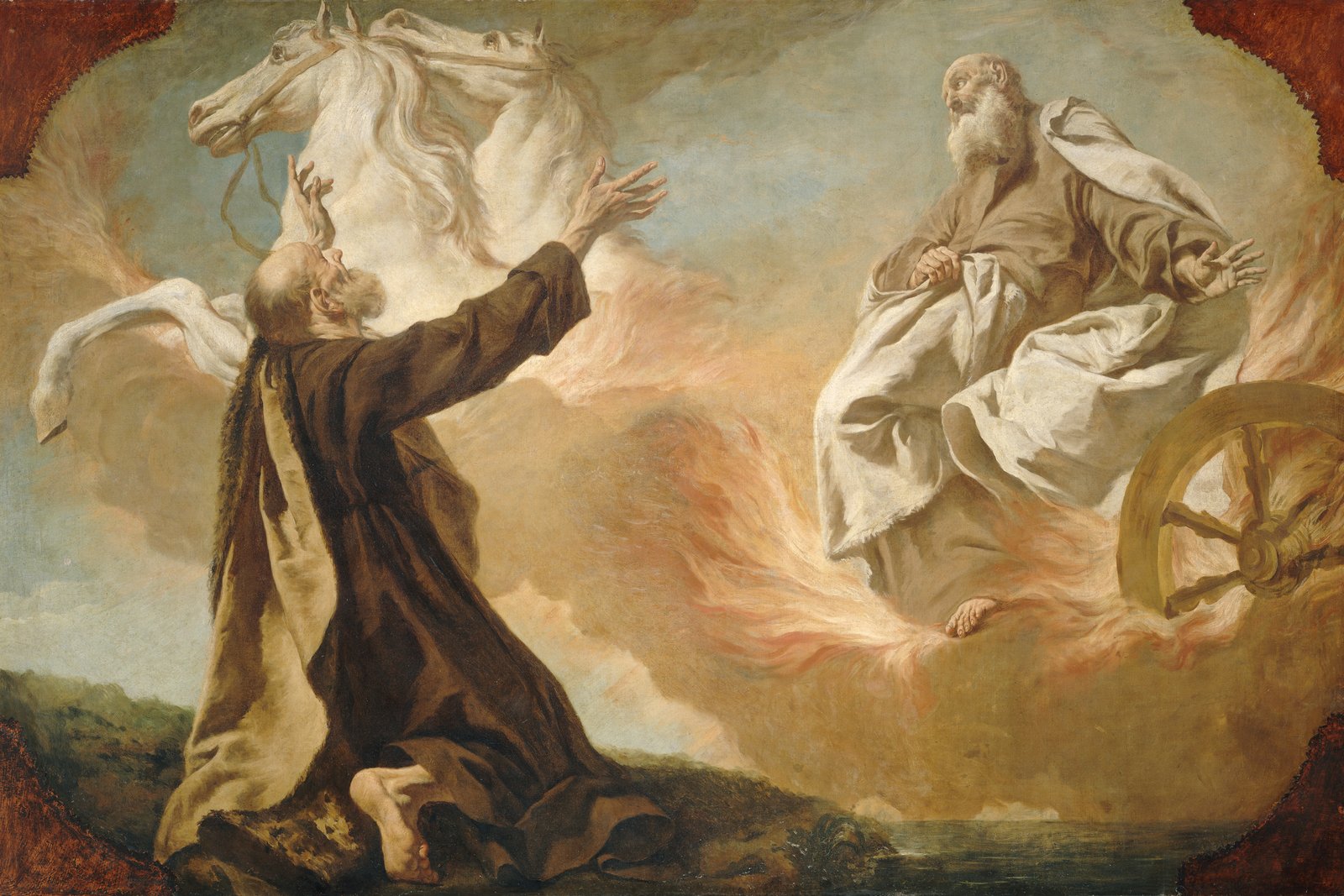
The prophetic books aren't only about human messengers — angels appear repeatedly alongside them, delivering strength, explanation, and protection. Elijah, though usually counted among the earlier "former prophets" rather than the seventeen prophetic books proper, is famously strengthened by an angel in the wilderness after fleeing for his life, a scene covered in the angel strengthening Elijah on this blog. Daniel's visions, likewise, are guided by angelic interpreters — a reminder that in the prophetic tradition, heaven's messengers and earth's messengers are never entirely separate threads.
Prophets who show up again in the New Testament
Several of the prophets don't stay confined to their own books; they resurface directly in the Gospels, sometimes by name. Jesus compares his own coming death and resurrection to "the sign of Jonah," pointing to the prophet's three days inside the great fish as a foreshadowing of his own three days in the tomb (Matthew 12:39-40). Isaiah's suffering-servant poetry gets applied directly to Christ's passion by New Testament writers so often that early Christians sometimes called Isaiah "the fifth evangelist," a nickname reflecting how thoroughly his language shaped how the earliest Church understood and preached the crucifixion. Even Elijah, technically outside the seventeen prophetic books but very much part of the same prophetic tradition, appears bodily alongside Moses at the Transfiguration, standing beside Jesus in a scene meant to show the Law and the Prophets both bearing witness to him at once (Matthew 17:3).
Reading the prophets in worship today
The Catholic lectionary — the Church's structured cycle of Mass readings — draws on the prophetic books constantly, especially during Advent, when readings from Isaiah dominate the season's message of expectation and hope for a promised deliverer. The Liturgy of the Hours, the Church's daily cycle of prayer prayed by clergy, religious, and many laypeople, likewise returns to prophetic texts again and again, particularly the Psalms-adjacent laments of Jeremiah and the messianic hope of Isaiah. That liturgical presence isn't incidental. It reflects a consistent Catholic conviction that these seventeen books aren't simply historical artifacts describing ancient Israel's troubles, but living texts whose warnings, laments, and hopes still speak directly into the Church's own ongoing life of prayer.
Why the prophets still matter
Christian liturgy leans on the prophets constantly — Advent readings draw heavily on Isaiah, the Psalms and prophetic books together shape the Church's language of lament and hope, and the New Testament writers return to prophetic texts again and again to explain who Jesus was and why his life fulfilled what had been promised. Read together, the seventeen prophetic books form less a predictive timeline than a long, demanding conversation between God and a people he refused to give up on — worth knowing not as isolated trivia, but as the backbone of a great deal of what Christians read, pray, and picture during the liturgical year.
Trivia
What is the difference between a major and a minor prophet?
Why does the Book of Daniel include stories like the lions' den and the fiery furnace?
Which Old Testament prophet is quoted most often in the New Testament?
Who are the twelve minor prophets?
Did any Old Testament prophets have direct encounters with angels?
You May Also Like
Related Reading