The Raising of the Widow's Son at Nain

Two processions meeting at a gate
Luke sets this story with unusual precision for a Gospel miracle: Jesus is traveling with a large crowd toward a town called Nain, and just as they reach the town gate, they collide with an opposite procession heading out — a funeral. "As he drew near to the gate of the city, a man who had died was being carried out, the only son of his mother, and she was a widow. A large crowd from the city was with her" (Luke 7:12, NABRE). The scale of both crowds matters here: this isn't a quiet, private grief. The whole town, it seems, has turned out to accompany this woman to the burial ground, a sign of how deeply her loss was felt by the community around her.
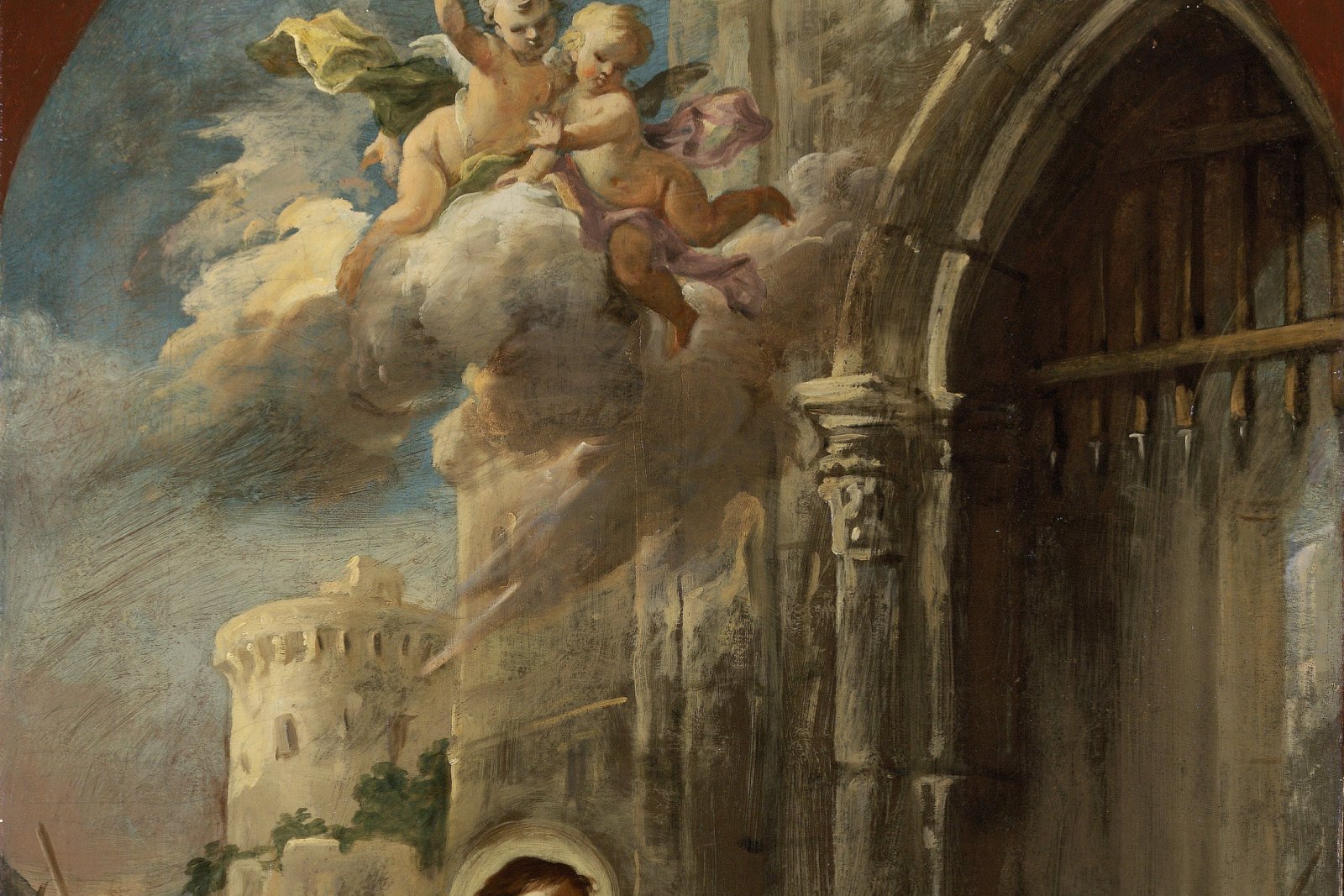
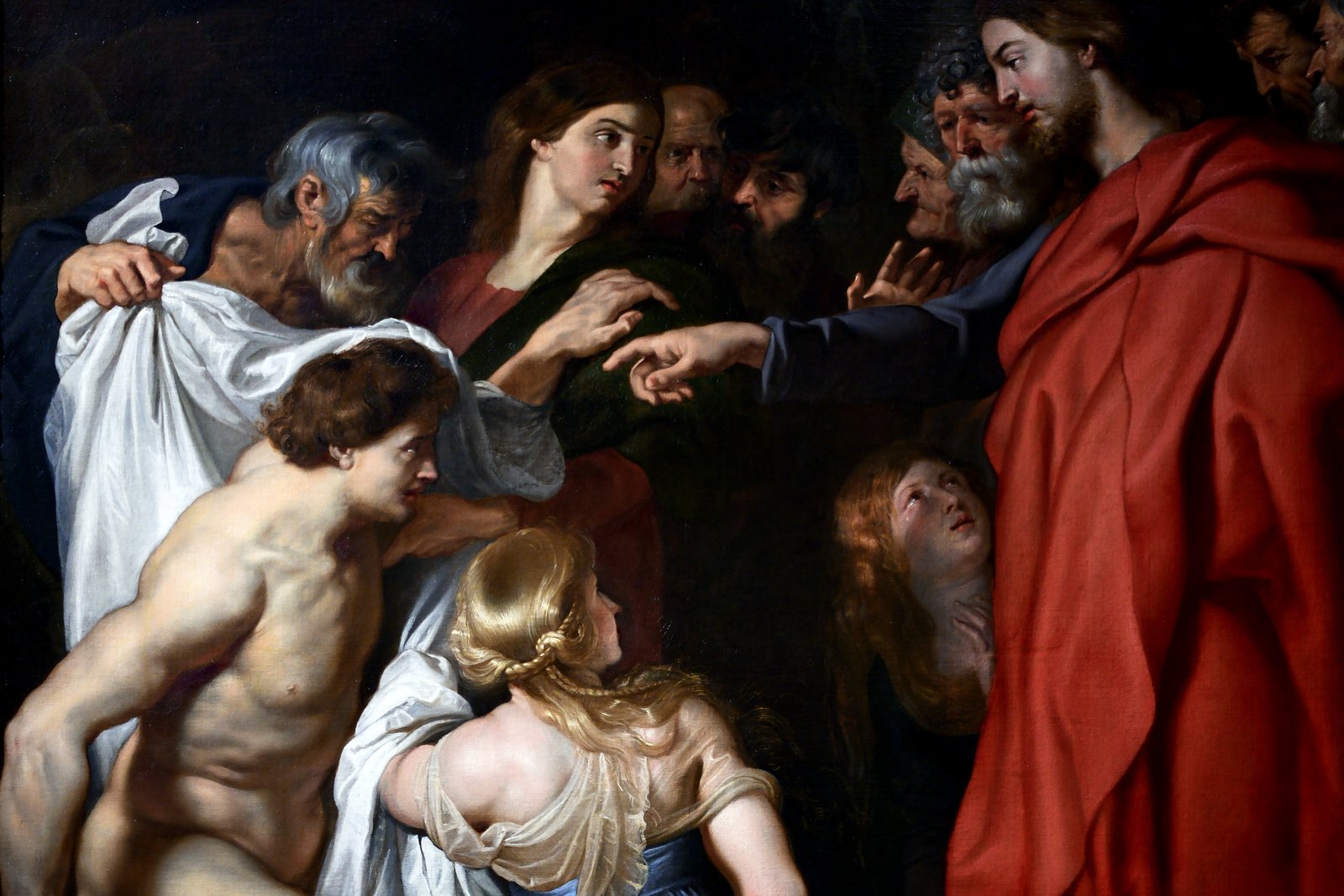
Martino Altomonte, "The Raising of the Son of the Widow of Nain," 1731. Public domain.
Why losing her only son meant losing everything
The detail that the dead man was his mother's "only son" and that she was already a widow isn't incidental color — in the ancient world, it described a catastrophe. A woman without a husband depended on sons for economic survival, social standing, and basic protection; losing her only son meant she was now entirely without a male provider, left with no clear path forward in a society where women had few independent means of supporting themselves. Luke doesn't need to spell any of this out explicitly for his first readers — the phrase "the only son of his mother, and she was a widow" would have communicated the full weight of her situation immediately. She wasn't only grieving a death. She was watching her future disappear along with her son.
Compassion that came before any request
What sets this miracle apart from most others in the Gospels is that nobody asks for it. The widow doesn't approach Jesus, doesn't fall at his feet, doesn't send a message ahead as other parents do elsewhere in the Gospels. Luke's account instead centers entirely on Jesus's own reaction: "When the Lord saw her, he was moved with pity for her and said to her, 'Do not weep'" (Luke 7:13, NABRE). It's one of only a handful of Gospel miracles that begins purely with Jesus noticing suffering and choosing to act, without any petition prompting him. The words "Do not weep" are striking too — spoken before anything has actually changed, a command that would sound almost cruel if Jesus weren't about to make it true.
A word that stopped a funeral
Jesus doesn't merely comfort the widow — he interrupts the funeral itself. "He stepped forward and touched the coffin; at this the bearers halted" (Luke 7:14, NABRE). Touching a funeral bier carrying a corpse would have rendered a person ceremonially unclean under Jewish purity law (compare Numbers 19:11), but Jesus does it without hesitation, prioritizing the widow's restoration over any concern for ritual defilement. Then comes the command: "Young man, I tell you, arise!" (Luke 7:14). Luke records what happens next in spare, almost matter-of-fact language: "The dead man sat up and began to speak, and Jesus gave him to his mother" (Luke 7:15, NABRE). That final detail — Jesus personally handing the restored son back to his mother — echoes a phrase used in the Old Testament when the prophet Elijah similarly restored a widow's son to his mother (1 Kings 17:23), a parallel Luke's original audience, familiar with that earlier story, would likely have recognized immediately.
A crowd that recognized a prophet in their midst
The community's reaction is immediate and awestruck: "Fear seized them all, and they glorified God, exclaiming, 'A great prophet has arisen in our midst,' and 'God has visited his people'" (Luke 7:16, NABRE). Calling Jesus a "great prophet" placed him, in the crowd's understanding, alongside towering Old Testament figures like Elijah and Elisha — both of whom had also raised the dead. The phrase "God has visited his people" carries theological weight beyond simple astonishment; it echoes language used earlier in Luke's Gospel by Zechariah, John the Baptist's father, who prophesied that God would "visit" his people to bring them salvation. Luke notes that "this report about him spread through the whole of Judea and in all the surrounding region" (Luke 7:17) — the miracle didn't stay contained to one town's memory. Readers interested in more of Jesus's recorded miracles and teachings can explore our collection of gospel stories and parables of Jesus.
A quiet miracle with lasting meaning
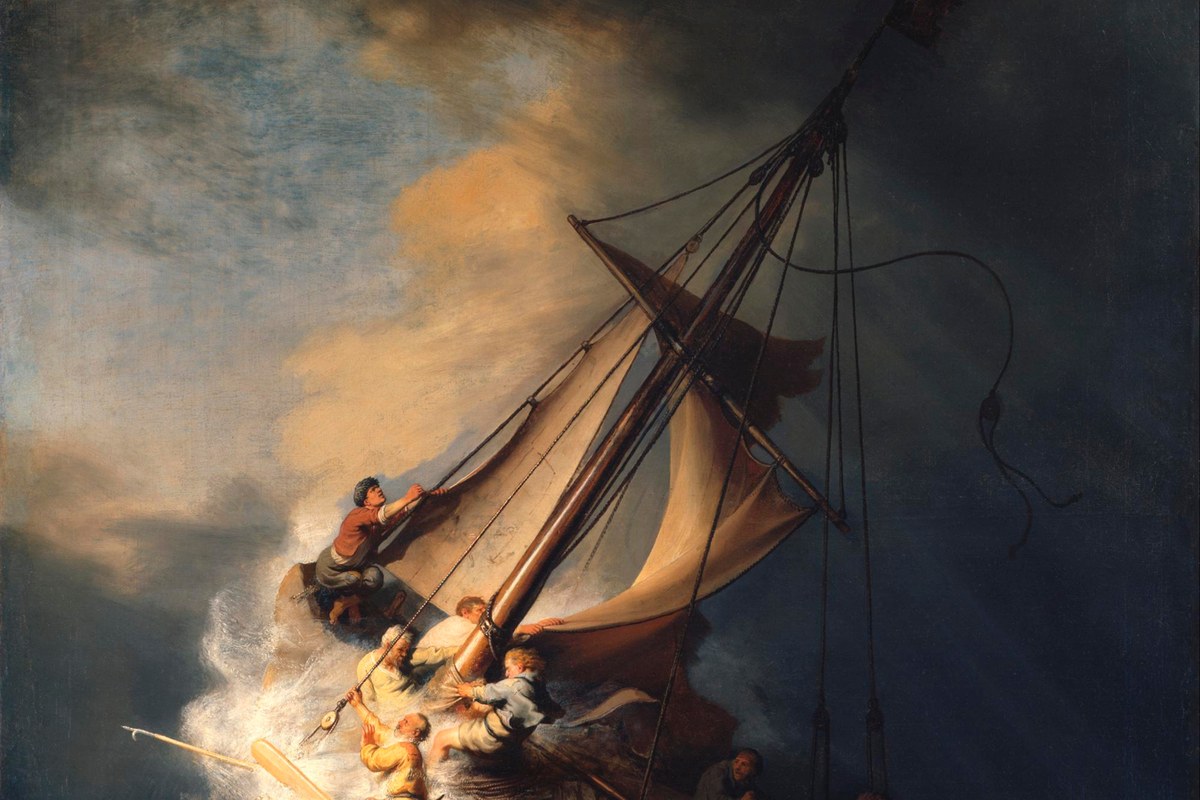
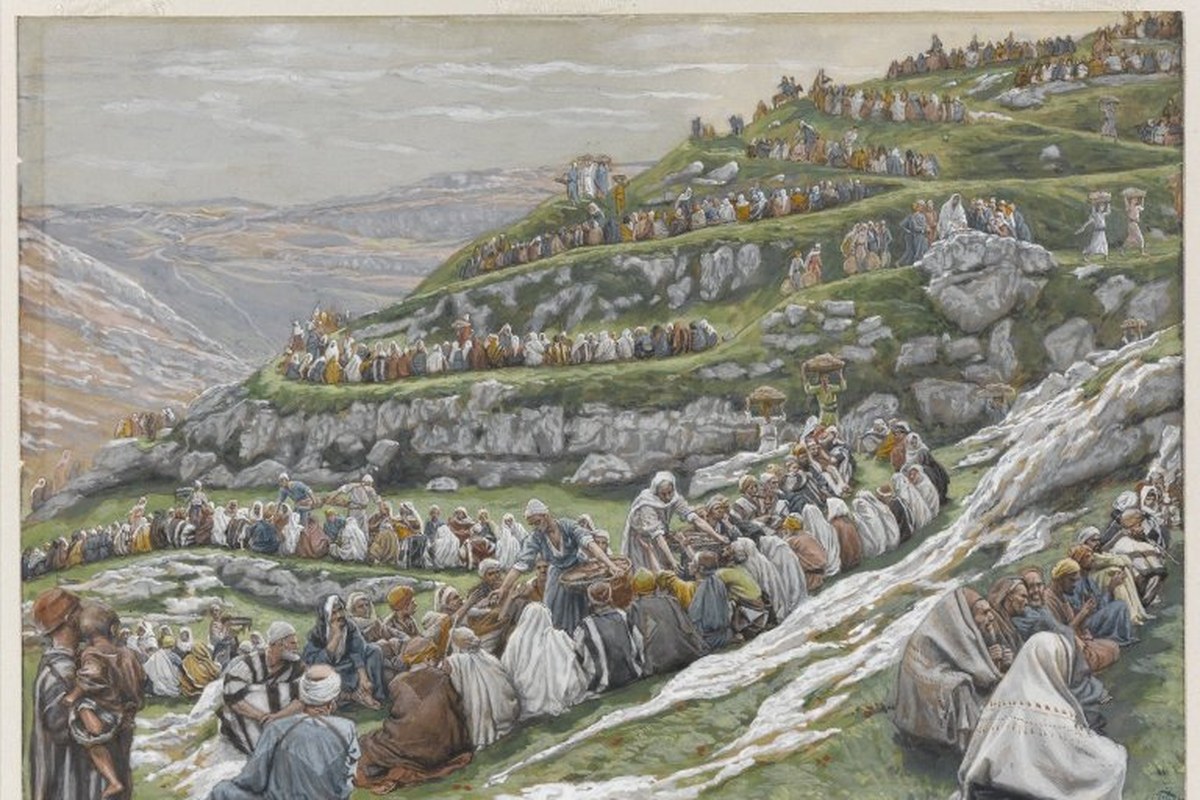
Compared to more dramatic Gospel miracles — calming a raging storm, feeding thousands from a handful of loaves, raising Lazarus after four days in the tomb — the widow of Nain's story is remarkably understated. There's no elaborate buildup, no dialogue with skeptics, no theological debate afterward. It's simply a mother grieving, a son who died too young, and a Savior who saw her sorrow and couldn't pass by it. For centuries, Christian art and devotion have returned to this account as one of the clearest pictures of Christ's compassion in action — not responding to a request, not performing a sign to prove a point, but moved by pity alone to give a widow back her son.
Trivia
Who had died in the story of the widow of Nain?
Did anyone ask Jesus to raise the widow's son?
What did Jesus say to bring the young man back to life?
How did the crowd react to the miracle at Nain?
Is the widow of Nain the same event as the raising of Lazarus?
You May Also Like
Related Reading