Hebron and the Cave of the Patriarchs

A burial place, purchased with unusual care
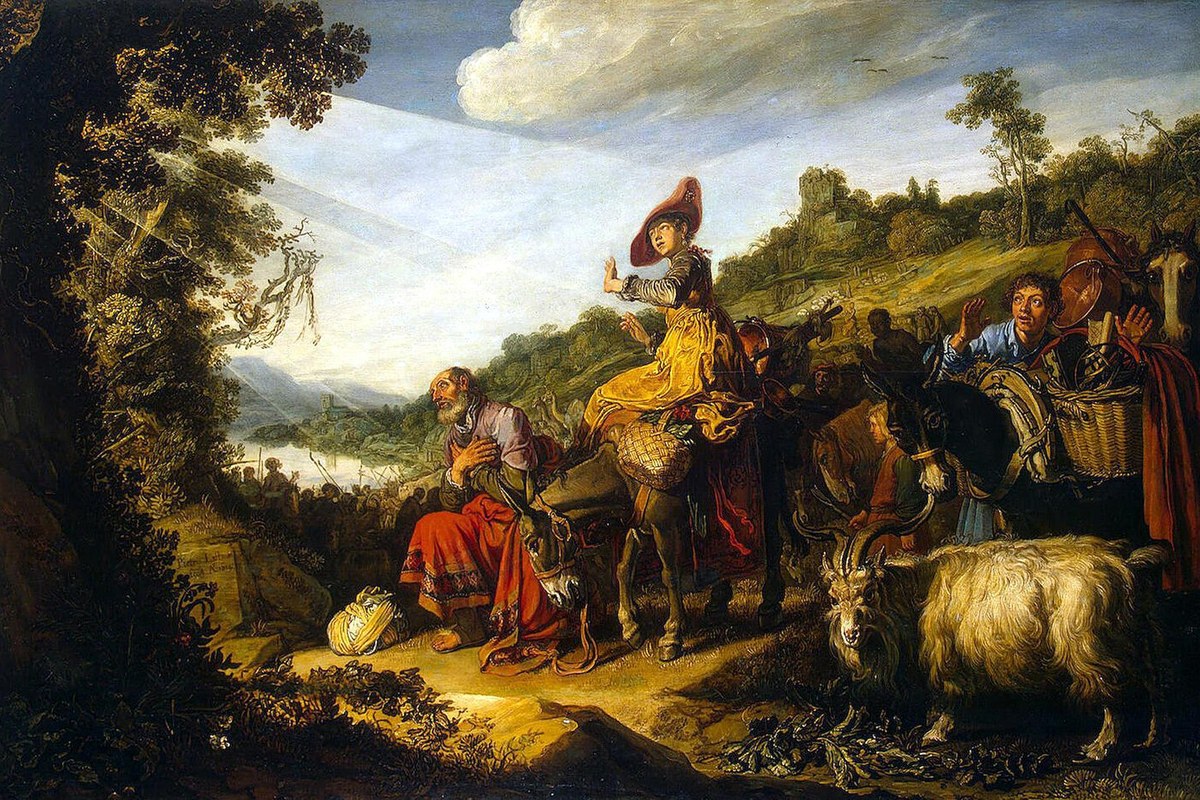
Genesis devotes an entire chapter — unusually long and detailed for the book's typically compressed narrative style — to the specific transaction by which Abraham acquired a burial place for his wife Sarah. After Sarah's death, Abraham approached the local Hittite community in Hebron seeking to buy land, and when a man named Ephron offered to simply give him the cave and field at Machpelah as a gift, Abraham declined, insisting instead on paying the full price in the presence of witnesses: "Ephron's field in Machpelah, facing Mamre, together with its cave and all the trees anywhere within its limits, was conveyed to Abraham by purchase in the presence of the Hittites... After this, Abraham buried his wife Sarah in the cave of the field of Machpelah, facing Mamre—now Hebron—in the land of Canaan" (RSV-CE, Genesis 23:17-19).
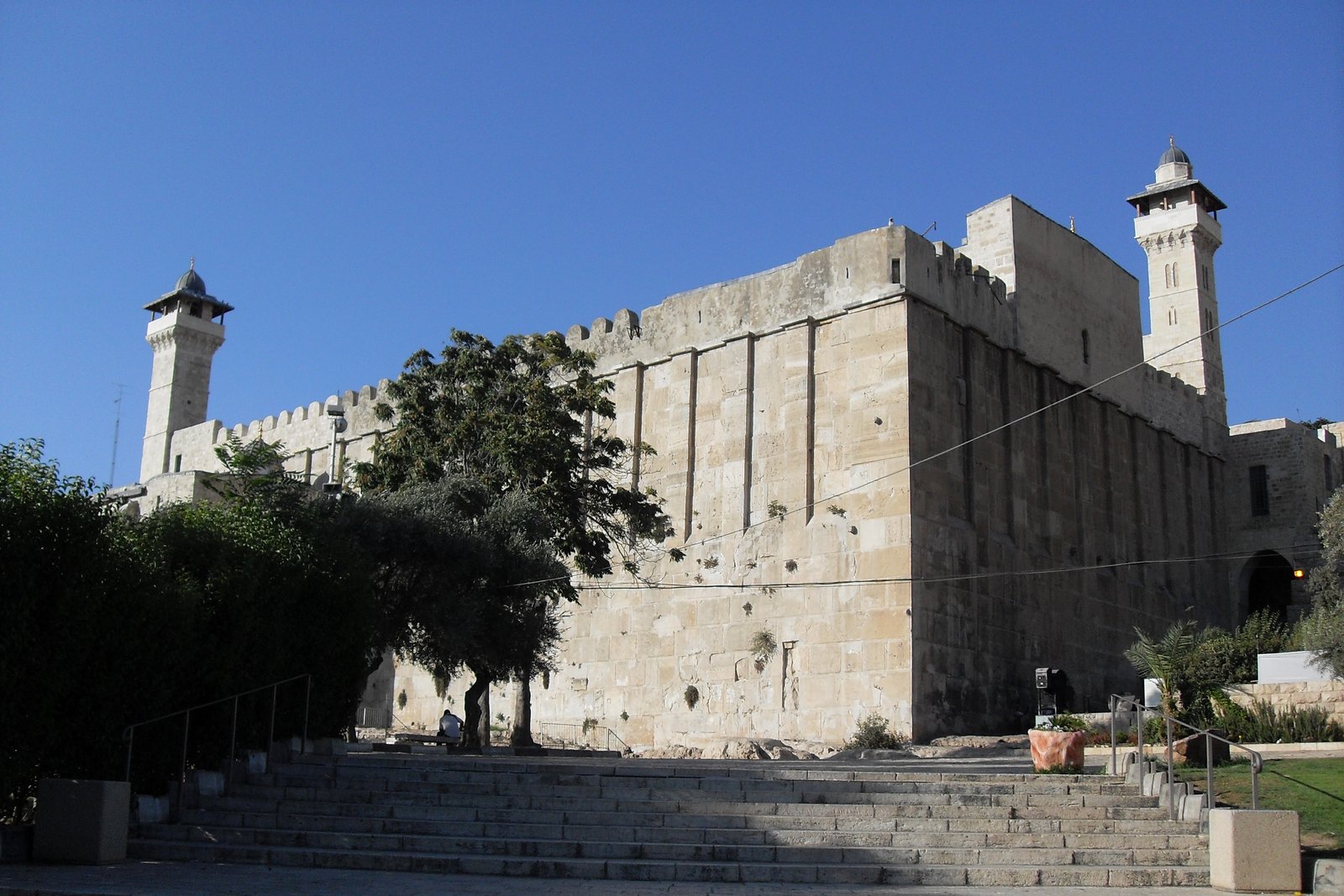
Photograph by eman, Cave of the Patriarchs / Ibrahimi Mosque, Hebron, 2007 -- public domain, Wikimedia Commons.
This insistence on a documented, paid transaction rather than an informal gift has long been read by scholars and commentators as deliberate on Abraham's part — securing clear, undisputed legal title to at least one small piece of the land God had promised his descendants, even while Abraham himself remained, as Genesis describes him, a resident alien in Canaan without settled territory of his own.
The patriarchs and matriarchs gathered together
Over the generations that follow in Genesis, the cave at Machpelah becomes the family's ancestral burial ground. Abraham himself is later buried there by his sons Isaac and Ishmael (Genesis 25:9), followed eventually by Isaac and his wife Rebekah, and finally by Jacob, whose own request to be buried there rather than in Egypt, where he died, is recorded in detail near the end of Genesis (Genesis 49:29-31), along with his wife Leah. Rachel, Jacob's other wife, is a notable exception, buried instead near Bethlehem according to Genesis 35:19 — a detail Genesis explains as a result of her dying in childbirth along the road, before the family reached Hebron.
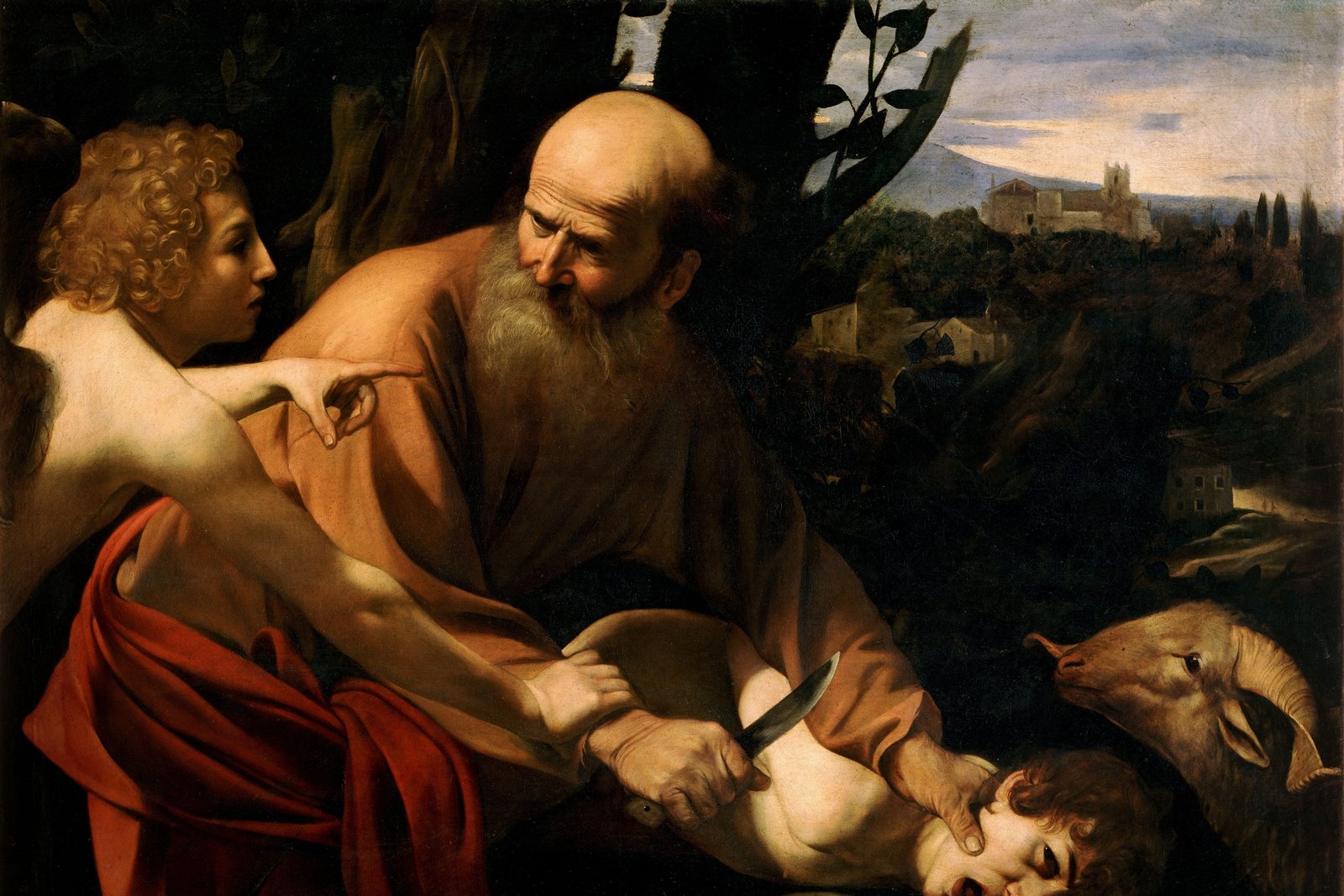
This gathering of three generations of patriarchs and their wives in a single burial site gives Hebron a distinctive claim among biblical locations: unlike scattered or uncertain traditions surrounding many other Old Testament figures, the Genesis text itself is unusually specific and consistent about this single family tomb, reinforcing its long, continuous veneration across the millennia that followed. The site also carries a further, more solemn resonance for Christian readers, given its association with Abraham — the same patriarch whose willingness to offer his son Isaac in the binding of Isaac has long been read in Christian tradition as an Old Testament foreshadowing of later, sacrificial themes central to the New Testament.
Herod's monumental enclosure
The structure that gives the Cave of the Patriarchs its imposing appearance today dates not from the patriarchal period itself but from many centuries later. During his extensive building program in the first century BC, Herod the Great constructed a massive rectangular stone enclosure over the traditional cave site, using the same distinctive large, precisely cut ashlar masonry technique employed in his other major projects, including the retaining walls of the Temple Mount in Jerusalem — walls that today include the well-known Western Wall. The Hebron enclosure remains remarkably well preserved, its walls rising some twelve meters and standing largely intact after two thousand years, making it one of the most impressive surviving examples of Herodian-era construction anywhere in the region.
Successive religious communities have built and rebuilt structures within Herod's enclosure over the centuries — a Byzantine church, later converted into a mosque following the seventh-century Muslim conquest of the region, then converted again into a church during the Crusader period in the twelfth century, before reverting to use as a mosque after the Crusader kingdom's fall. This layered religious history, with each community adapting rather than demolishing the structures of those before it, has left the site with an unusually visible physical record of its long, shared significance.
A site shared, and sometimes contested
The cave's association with Abraham gives it a genuinely rare status: a holy site venerated with deep reverence across Judaism, Christianity, and Islam alike, since Abraham holds a foundational place as patriarch or prophet within all three traditions. That shared significance has, at various points across the site's long history, also made it a place of religious and political tension, particularly in more recent decades, and access and worship arrangements at the site today are governed by specific, carefully negotiated agreements between the different communities who hold it sacred — a practical, sometimes difficult, ongoing expression of the very same shared ancestry the site itself commemorates.
A very old grave, still visited today
The Cave of the Patriarchs remains an active site of prayer and pilgrimage today, drawing Jewish, Muslim, and, in smaller numbers, Christian visitors to a site whose specific, documented origin — a burial plot deliberately purchased rather than freely given, according to the text of Genesis itself — makes it one of the more historically grounded traditions of its kind found anywhere in the Holy Land, its roots reaching back, in Scripture's own telling, to the very beginning of the story of Abraham's descendants.
Trivia
Who is buried in the Cave of the Patriarchs?
How did Abraham acquire the Cave of the Patriarchs?
What structure stands over the cave today?
Why is Hebron significant to three major religions?
Is the Cave of the Patriarchs mentioned in the New Testament?
You May Also Like
Related Reading