Saint Paul the Apostle

A persecutor, not a convert waiting to happen
Paul's own letters add a detail Acts doesn't dwell on: he suffered from what he calls "a thorn in the flesh," an unspecified physical or spiritual affliction he prayed three times to have removed, and was instead told that God's grace was sufficient for him, that power is made perfect in weakness (2 Corinthians 12:7-9). Scholars have never settled on what the thorn actually was — theories range from poor eyesight to a chronic illness to ongoing opposition from enemies — but the passage itself matters more than the diagnosis: even the New Testament's most prolific missionary describes his own ministry as carried out through persistent, unresolved weakness rather than in spite of it.
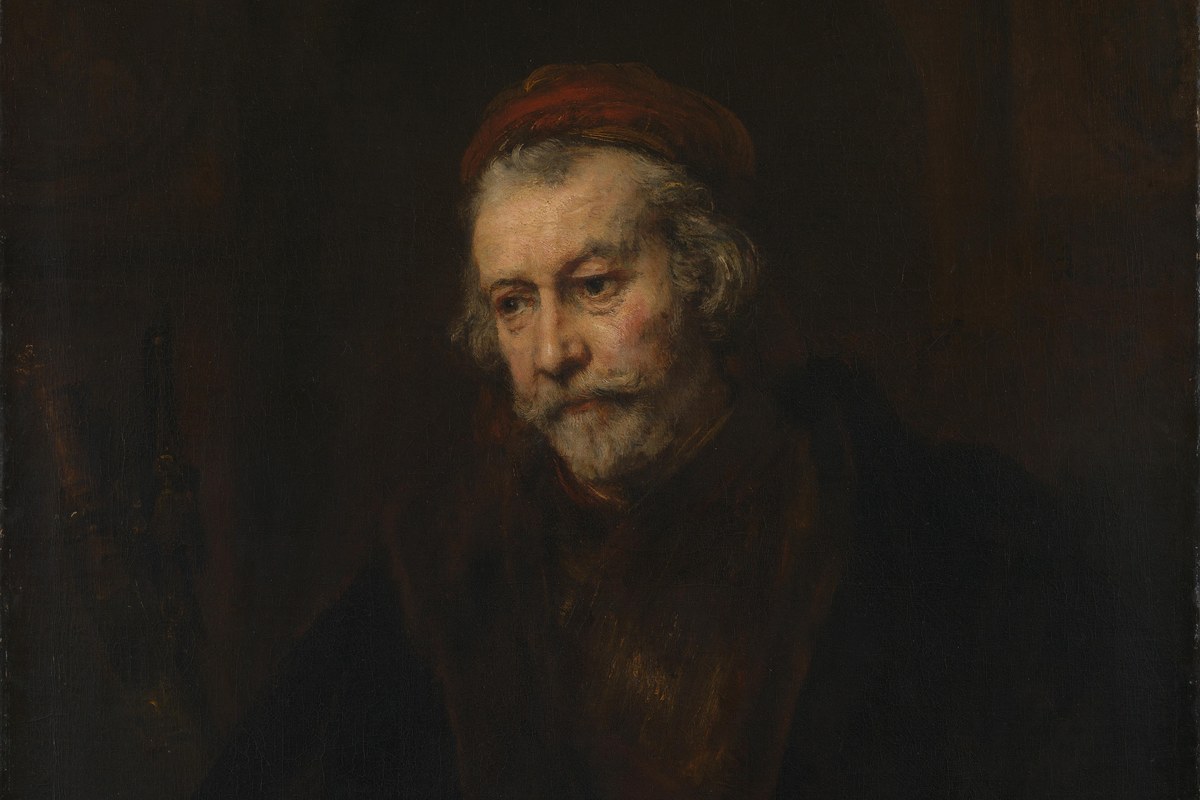
Rembrandt, "The Apostle Paul," c. 1657 — public domain.
Before he was an apostle, Paul — introduced in Scripture by his Hebrew name, Saul — was one of early Christianity's most committed opponents. He is present at the stoning of Stephen, the Church's first martyr, approving of the killing, and Acts describes him afterward as a man "still breathing threats and murder against the disciples of the Lord," actively seeking authorization to travel to Damascus and arrest Christians there. Nothing in his introduction reads as a man on the verge of a change of heart. He is, by every account, moving in the opposite direction, with real authority and real intent.
Struck down on the road
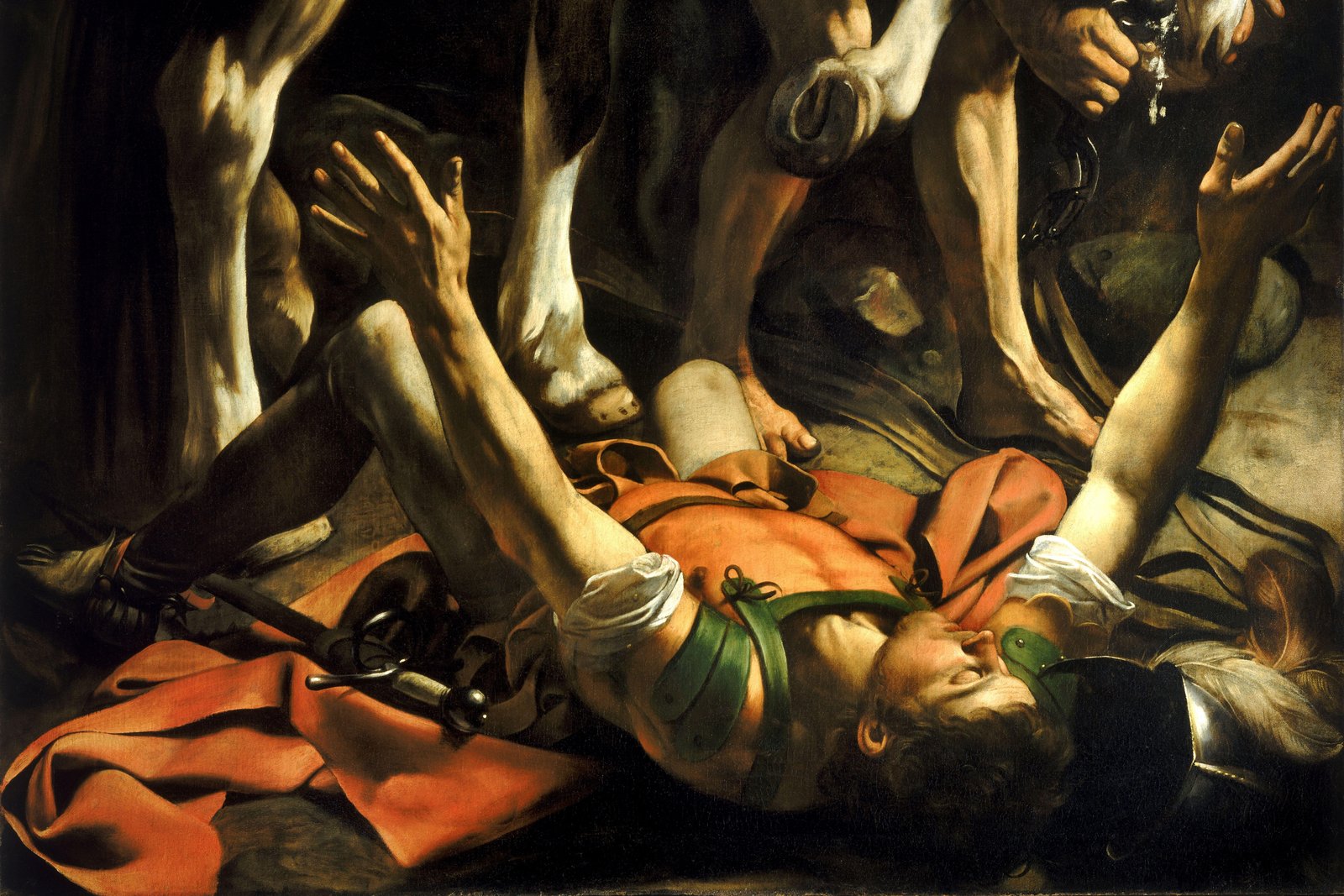
The turning point comes without warning, mid-journey: "He fell to the ground and heard a voice saying to him, “Saul, Saul, why are you persecuting me?” He said, “Who are you, sir?” The reply came, “I am Jesus, whom you are persecuting." (Acts 9:3-5, RSV-CE). The man he has been hunting identifies himself directly, by name, from a light Paul cannot see past. He is then told simply to "Now get up and go into the city and you will be told what you must do." (Acts 9:6, RSV-CE) — left blinded, and entirely dependent on the very community he had set out to destroy.
From Saul to Paul
The name change that follows the conversion — from Saul, his Hebrew name, to Paul, his Roman one — tracks the direction his ministry would take: away from a mission focused on the Jewish community he'd once policed on behalf of the religious authorities, and toward the wider Greek-speaking, Gentile world that would become the primary audience of his life's work. Before any of that could begin, though, Paul spent time in Arabia and Damascus, and the Christians he'd once hunted remained understandably wary of him for years — Acts records the Jerusalem church's initial fear of the man, and it took the intervention of Barnabas, who vouched for Paul's sincerity, to get him accepted among the very people he'd persecuted.
He would go on to make multiple extended missionary journeys across the Roman world, planting and corresponding with churches from Asia Minor to Greece to Rome itself — journeys that by his own later account included shipwrecks, beatings, imprisonment, and constant travel across a patchwork of Roman provinces and languages. In Athens, he reportedly addressed the philosophers of the Areopagus directly, reasoning with them on their own terms about "the unknown god" whose altar he'd noticed in the city, rather than simply preaching past them — an approach that shows how deliberately Paul adapted his message to the audience in front of him, city by city.
The most prolific writer in the New Testament
Thirteen of the New Testament's twenty-seven books are traditionally attributed to Paul — letters written to specific churches and individuals, addressing real disputes, real theology, and real relationships rather than composed as abstract treatises. No other figure in the New Testament comes close to that volume of surviving material. Those letters also carry some of Christianity's most consequential theological arguments, including his sustained case in Romans and Galatians that a person is justified — brought into right relationship with God — through faith rather than through observance of the Jewish law alone, a position that put him at odds with some other early Christian leaders and shaped centuries of later theological debate.
Paul's relationship with the other apostles wasn't always smooth. Acts and his own letters describe a real, public dispute with Peter at Antioch over how strictly Gentile converts needed to follow Jewish dietary customs, a disagreement Paul recounts without softening it — a reminder that the early Church's unity was something actively worked out between strong-willed leaders, not simply assumed.
A martyrdom shared with Peter
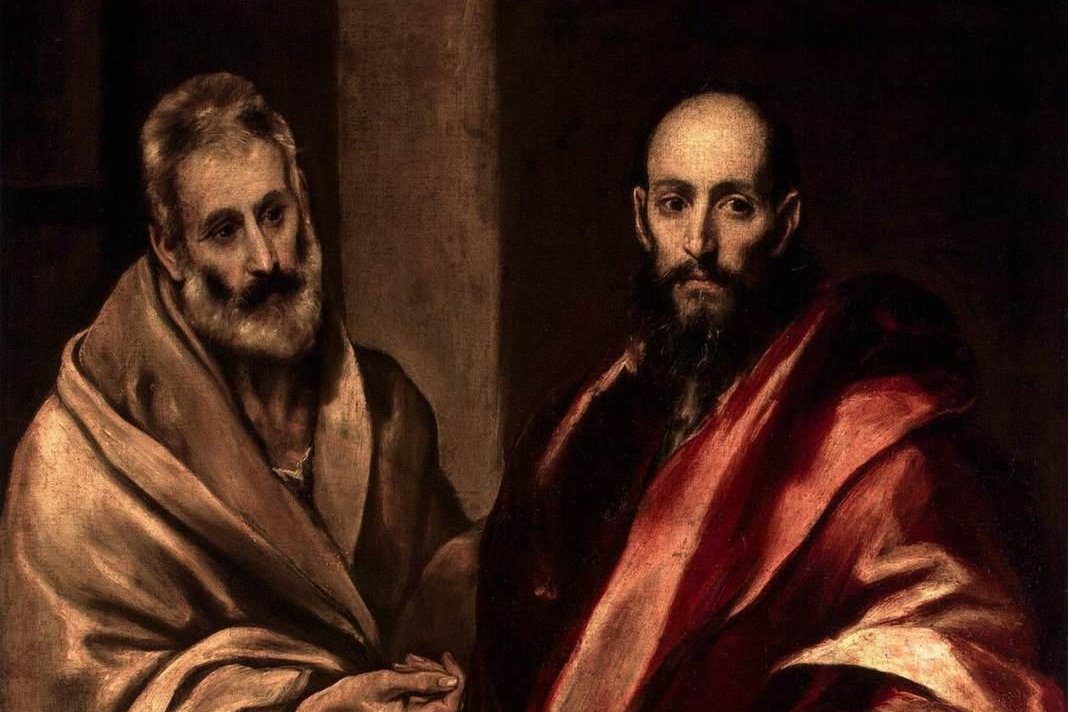
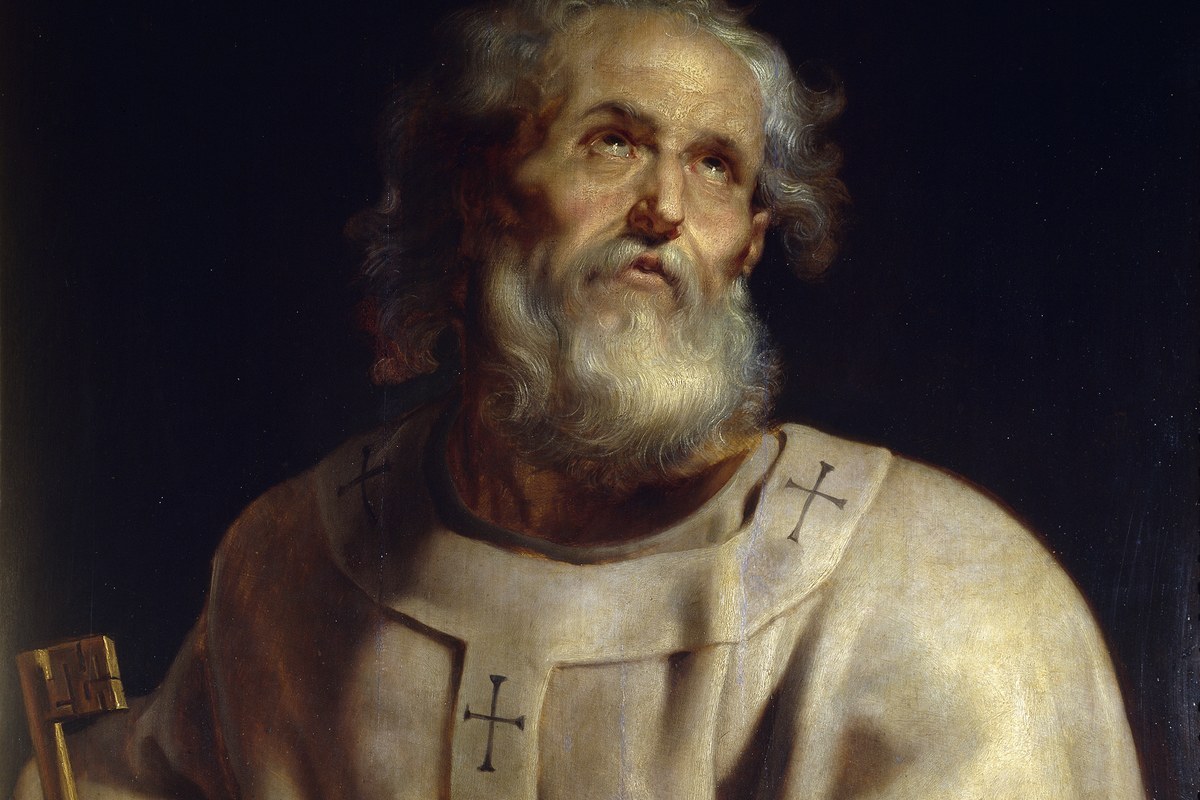
Tradition holds that Paul was executed in Rome under Emperor Nero, likely by beheading — a manner of death consistent with his status as a Roman citizen, who by law could not be crucified as Peter reportedly was. The two apostles share a single feast day, June 29, and are often depicted together in Christian art, sword and keys side by side, as the Church's two great founding pillars in Rome. It's a strange, almost uncomfortable fact of Christian history that so much of its foundational writing comes from a man who spent his early adulthood trying to destroy the very movement he would later spend the rest of his life building — and Paul himself never asked anyone to forget that part of the story.
Trivia
What was Paul doing before his conversion?
What happened on the road to Damascus?
Was Paul always called Paul?
How much of the New Testament did Paul write?
What is Saint Paul the patron saint of, and when is his feast day?
Related Reading