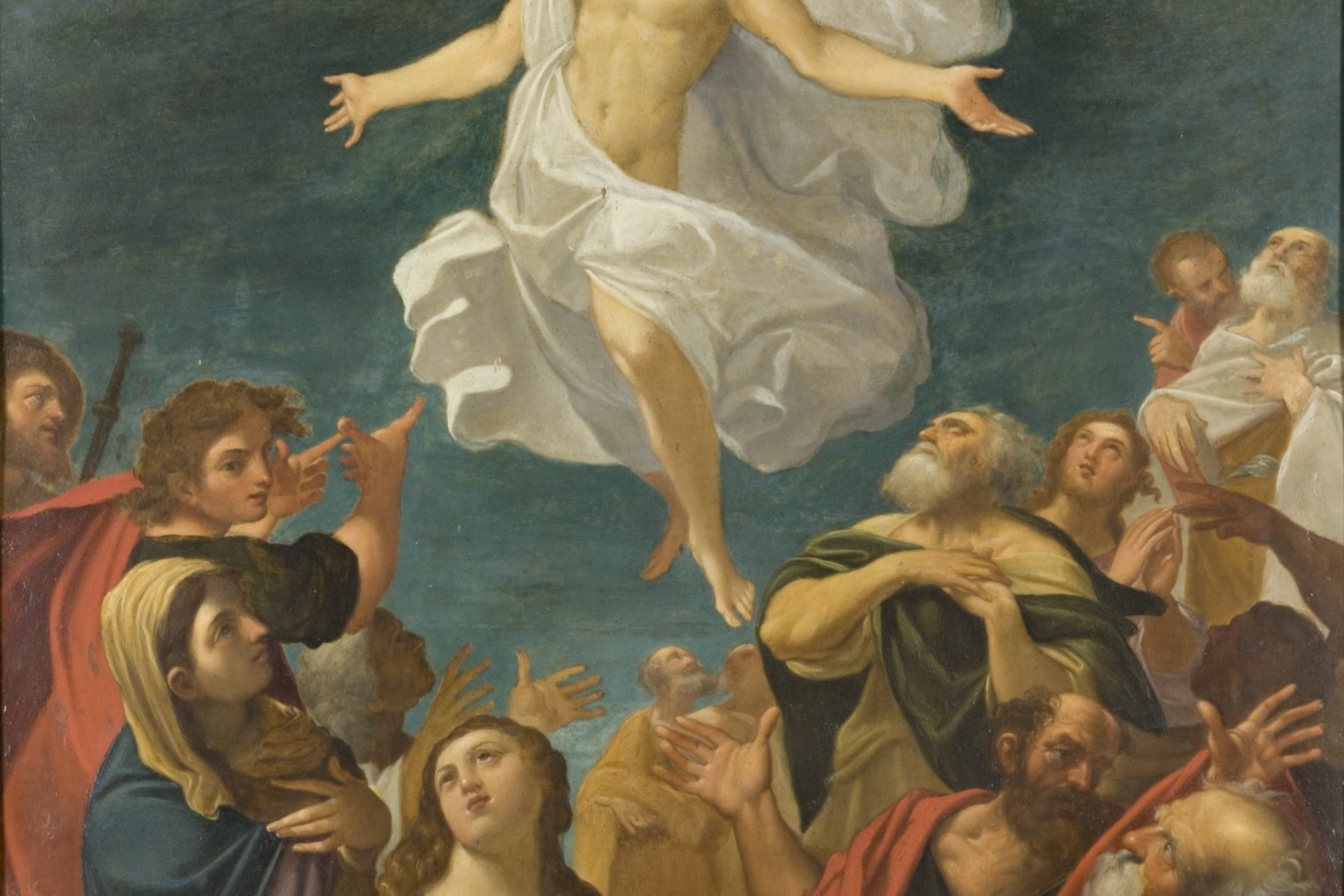
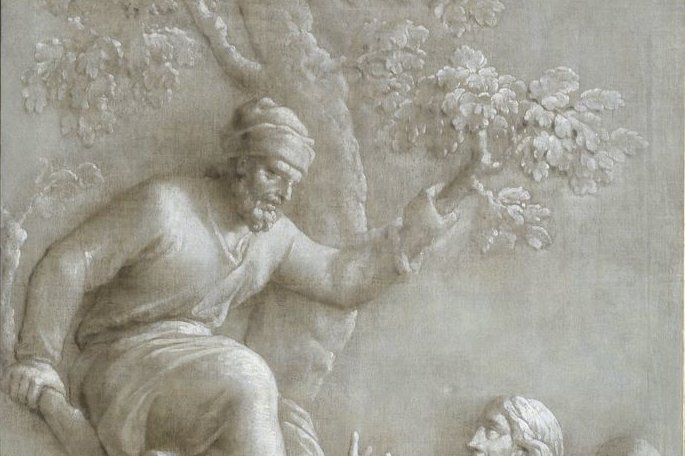
The Conversion of Saint Paul the Apostle

A persecutor on the road
Before he was known as Paul, he was Saul of Tarsus, a Pharisee trained under the respected rabbi Gamaliel and, by his own later account, "extremely zealous" for the traditions of his ancestors (Galatians 1:14, RSV-CE). That zeal had a violent edge. Acts introduces him at the stoning of Stephen, the Church's first martyr, as "consenting to his execution" (Acts 8:1, NABRE) while guarding the coats of the men doing the killing. From there Saul went further, entering house after house in Jerusalem, dragging off men and women who followed Jesus and committing them to prison (Acts 8:3).
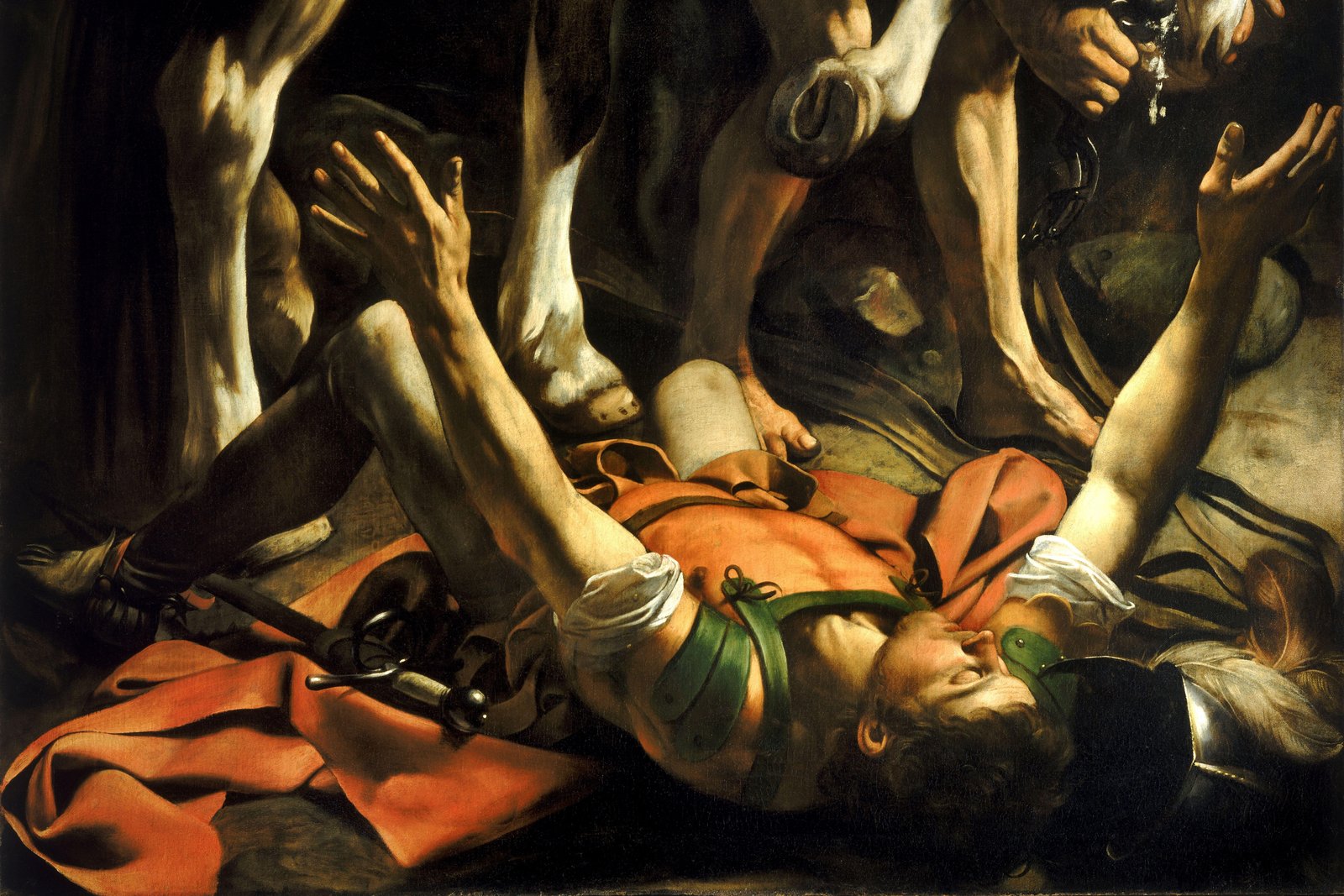
Caravaggio, Conversion on the Way to Damascus, c. 1600-1601, Cerasi Chapel, Santa Maria del Popolo, Rome — public domain
That campaign was still expanding when Saul asked the high priest for letters authorizing him to extend it to the synagogues of Damascus, a city roughly 135 miles northeast of Jerusalem, so that he could arrest any followers of "the Way" — an early name for the Christian movement — and bring them back in chains (Acts 9:1-2). He was, in short, not a bystander drifting toward faith. He was Christianity's most committed adversary, actively hunting its members, when the story turns.
The light and the voice
"On his journey, as he was nearing Damascus, a light from the sky suddenly flashed around him." (Acts 9:3, RSV-CE). Saul fell to the ground and heard a voice: "Saul, Saul, why are you persecuting me?" (Acts 9:4). When he asked who was speaking, the answer came back plainly: "I am Jesus, whom you are persecuting" (Acts 9:5). The men traveling with him stood speechless, hearing the sound but seeing no one — a detail Acts records slightly differently in Paul's later retelling in chapter 22, where his companions see the light but do not understand the voice, a variation most readers take as the natural texture of eyewitness recollection told on separate occasions, not two irreconcilable events.
Saul rose from the ground blind. His companions led him by the hand into Damascus, where he neither ate nor drank for three days (Acts 9:8-9) — a detail that echoes, deliberately or not, other biblical three-day periods of trial before restoration. Meanwhile, in the city, a disciple named Ananias received his own vision, instructing him to seek out Saul and lay hands on him. Ananias understandably objected, having heard "But Ananias replied, “Lord, I have heard from many sources about this man, what evil things he has done to your holy ones in Jerusalem." (Acts 9:13), but the Lord's answer reframed Saul's entire future in a single sentence: "But the Lord said to him, “Go, for this man is a chosen instrument of mine to carry my name before Gentiles, kings, and Israelites," (Acts 9:15).
From blindness to baptism
Ananias found Saul, laid hands on him, and told him he had been sent "that you may regain your sight and be filled with the Holy Spirit" (Acts 9:17). Then, in a detail Acts records with almost clinical precision, "Immediately things like scales fell from his eyes and he regained his sight. He got up and was baptized," (Acts 9:18, RSV-CE). Saul was baptized, ate food, and regained his strength — and within days, Acts says, he was already in the synagogues of Damascus, proclaiming Jesus, and "all who heard him were astounded" (Acts 9:20-21, NABRE), since they knew exactly who he had been days earlier.
Paul's own later accounts, given as speeches before a hostile crowd in Jerusalem (Acts 22:6-21) and before King Agrippa (Acts 26:12-18), retell the same core event but add detail suited to each audience — in the Agrippa account, for instance, the risen Christ's words include the memorable line "it is hard for you to kick against the goad" (Acts 26:14, NABRE), an image drawn from ox-driving that would have resonated with a Roman-educated listener. Scholars generally read the three versions as complementary rather than contradictory: a single transformative event, recounted three times for three distinct purposes within the same book.
Why the Church keeps a separate feast for this moment
Most saints are remembered chiefly on the date of their death, understood in Christian tradition as their birth into eternal life. Paul's conversion is unusual in getting its own separate commemoration, January 25, distinct from any feast tied to his martyrdom. That reflects how central the Damascus road became to Christian self-understanding — not just as Paul's personal turning point, but as a template for what grace unearned and unasked-for can do. The Catholic Church has long used the story to teach that conversion is possible for anyone, no matter how firmly opposed to faith they may be, and the feast traditionally falls at the close of the Week of Prayer for Christian Unity, precisely because Paul's transformation from persecutor to apostle is read as a sign of reconciliation across division.
The name itself shifts quietly in the text. Scripture continues calling him Saul for some time after Damascus, and it is not until Acts 13:9, at the start of his mission among non-Jewish populations across the Roman world, that the text settles into calling him Paul consistently — his Roman name, more suited to the Gentile world he was now called to reach. Readers curious about where that mission led him, including his extensive travels, his letters that make up much of the New Testament, and his eventual death in Rome, can find the fuller picture in the companion article on Saint Paul the Apostle, and his shared witness with the first pope is covered in Saints Peter and Paul, Apostles.
A conversion that still unsettles
What makes the Damascus road story endure isn't simply that a persecutor became a believer — ancient literature has other conversion stories. It's the sheer scale of the reversal, and the specificity of the moment: a named road, a named city, a light at midday, a voice that used his name twice. Paul himself never let his churches forget where he'd started. Writing years later, he called himself "the least of the apostles, unfit to be called an apostle, because I persecuted the church of God" (1 Corinthians 15:9, RSV-CE) — and then, in the same breath, credited everything that followed not to his own effort but to grace. That tension between what he had been and what he became is exactly what the Church asks believers to sit with each January 25.
Trivia
What is the Feast of the Conversion of Saint Paul, and when is it celebrated?
Why are there three different accounts of Paul's conversion in the Bible?
Was Saint Paul's name changed from Saul at his conversion?
What happened to Paul's eyesight after the vision?
Did Paul immediately become an apostle after his conversion?
Related Reading