Cain and Abel

Two brothers, two offerings, one unexplained favor
Genesis introduces Cain and Abel simply, as the first two sons of Adam and Eve born after their expulsion from Eden — Cain "a tiller of the ground," Abel "a herder of flocks" (Genesis 4:2, NABRE). The two occupations represent the two basic forms of settled and semi-settled life available in the ancient Near East, and Genesis doesn't rank one above the other on its own terms; both are honest, ordinary work. Each brother brings an offering suited to his own labor: Cain from the produce of his fields, Abel "the fatty portion of the firstlings of his flock" — by tradition, the choicest part of the offering, the portion a herder would have had every practical reason to keep rather than give away.
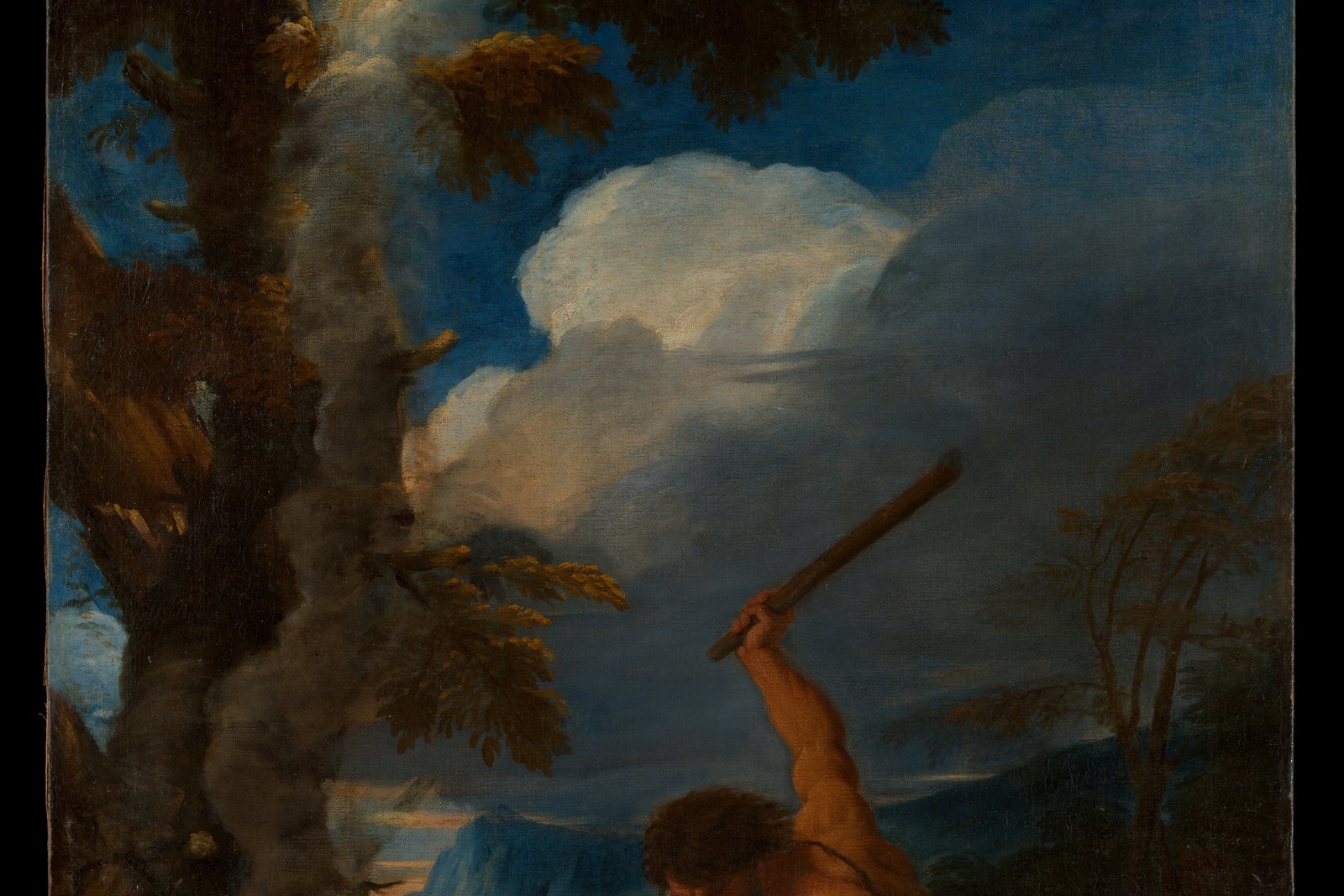
Pier Francesco Mola, "Cain Slaying Abel," c. 1650-52, The Metropolitan Museum of Art. Public domain.
What follows is one of Genesis's more unsettling silences: "The Lord looked with favor on Abel and his offering, but on Cain and his offering he did not look with favor" (Genesis 4:4-5, NABRE). No reason is given in the text itself. Centuries of Jewish and Christian commentary have proposed explanations — that Abel's gift was more generous and better chosen, or that the difference lay in the brothers' interior disposition rather than in the offerings themselves — but these remain interpretation, not something Genesis states outright. The narrative doesn't linger on why — it moves immediately to how Cain takes it.
A warning given before anything irreversible happens
Cain's reaction is described plainly: he becomes "very angry and dejected" (Genesis 4:5, NABRE), and God speaks to him directly, before the murder, not after. The warning is vivid and strange: "sin lies in wait at the door: its urge is for you, yet you can rule over it" (Genesis 4:7, NABRE). It's a warning that takes Cain's anger seriously as a real danger, almost personified as a predator crouched and ready — but it also insists Cain isn't helpless against it. He's told plainly that he has the capacity to master what he's feeling. Genesis records no reply from Cain at all.
A field, and a sentence with almost no detail
What happens next is told with a bluntness that's easy to miss on a fast read: "Cain said to his brother Abel, 'Let us go out in the field.' When they were in the field, Cain attacked his brother Abel and killed him" (Genesis 4:8, NABRE). There's no extended dialogue, no description of the act itself, no stated motive beyond what's already been shown — envy over the unequal offerings, left to fester despite the warning. The terseness of the account is part of its force; Genesis doesn't dramatize the first murder in human history, it simply reports it.
A question God already knew the answer to
God's response mirrors, in reverse, an earlier scene in Genesis where God asks Adam "Where are you?" after the Fall. Here the question is "Where is your brother Abel?" — and Cain's answer is a flat denial followed by a question that has echoed through moral and theological discussion ever since: "I do not know. Am I my brother's keeper?" (Genesis 4:9, NABRE). God doesn't need the information; the question functions instead as an invitation for Cain to confess, one he refuses. God's reply makes clear the deception hasn't worked: "Your brother's blood cries out to me from the ground!" (Genesis 4:10, NABRE).
Banishment, and an unexpected mercy inside it
Cain's punishment is severe — cut off from the ground he worked, sentenced to become "a constant wanderer on the earth" (Genesis 4:12, NABRE), a particularly bitter sentence for a man whose entire identity in the story up to this point has been "a tiller of the ground." The punishment fits the crime with a kind of literary precision common throughout Genesis: Cain spilled his brother's blood onto the ground, and now that same ground refuses to yield its produce for him. Cain's own response to this sentence is fear, not repentance in any developed sense: he protests that "anyone may kill me at sight" (Genesis 4:14, NABRE), worried about retaliation in a world that, by this point in the narrative, already includes other people beyond his immediate family.
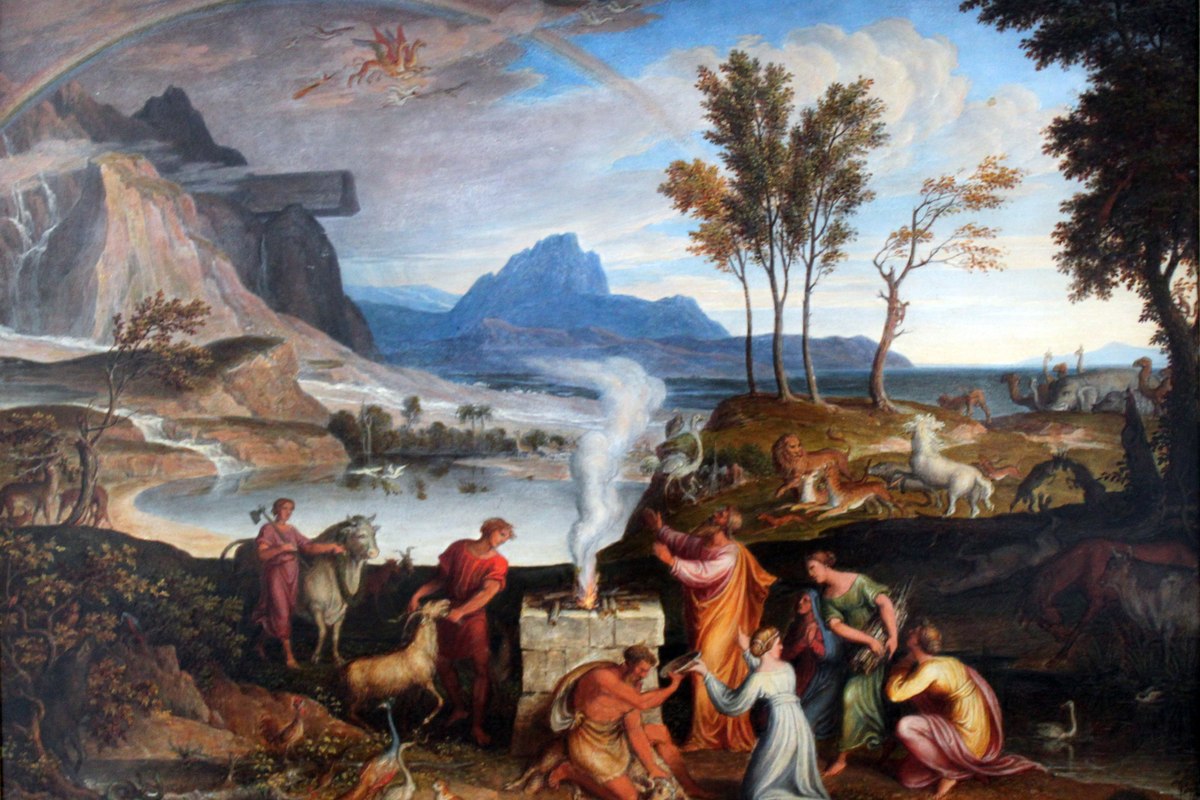
What follows is a detail that complicates any simple reading of the story as pure punishment: God places a mark on Cain specifically so that no one who finds him will kill him (Genesis 4:15, NABRE). Scripture never specifies what this mark actually looked like, despite centuries of popular speculation on the subject, and readers should be cautious of any confident claim about its exact nature — the text simply says it functioned as a protective sign. Even in judgment, the text shows God extending a form of protection to the man who committed history's first murder — a tension between justice and mercy that runs through the rest of Scripture, echoed later in stories like Noah and the flood, where judgment on human wickedness is likewise paired with God's deliberate preservation of life.
A story that keeps being retold
Few episodes in Genesis have had as long an afterlife in art, literature, and moral reflection as this one. "My brother's keeper" has become common English idiom, invoked far outside any specifically religious context whenever the conversation turns to whether people owe each other responsibility and care. Cain himself became, across centuries of Jewish and Christian reflection, something like a case study in how quickly unchecked envy can escalate into violence — the text takes pains to show that God warned him explicitly, that the choice remained genuinely his, and that he made it anyway, which is part of why the story reads less as an account of inevitable tragedy than as a sober warning about human freedom and its consequences.
Trivia
Why did God favor Abel's offering over Cain's?
What warning did God give Cain before the murder?
What did Cain say to Abel before killing him?
What did God ask Cain after the murder, and how did Cain respond?
What punishment did God give Cain, and did God still protect him?
Related Reading