Elijah and the Widow of Zarephath

A Famine of Elijah's Own Making
The drought gripping Israel in 1 Kings 17 was not an accident of weather. Elijah had announced it himself as a direct confrontation with King Ahab's idolatry: "As the Lord, the God of Israel, lives, whom I serve, there will be no dew or rain except at my word" (1 Kings 17:1). Having delivered that verdict, Elijah went into hiding, first fed by ravens at a hidden stream, and then, when the stream itself dried up, sent by God somewhere unexpected — not deeper into Israel, but out of it entirely, to Zarephath, a town in the pagan region of Sidon. God had told him plainly, "I have commanded a widow there to feed you" (17:9).
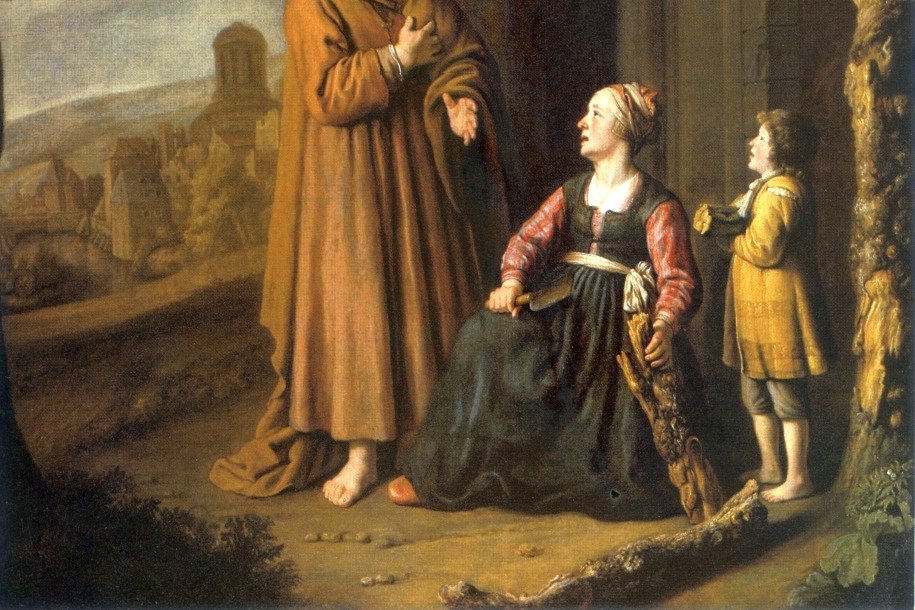
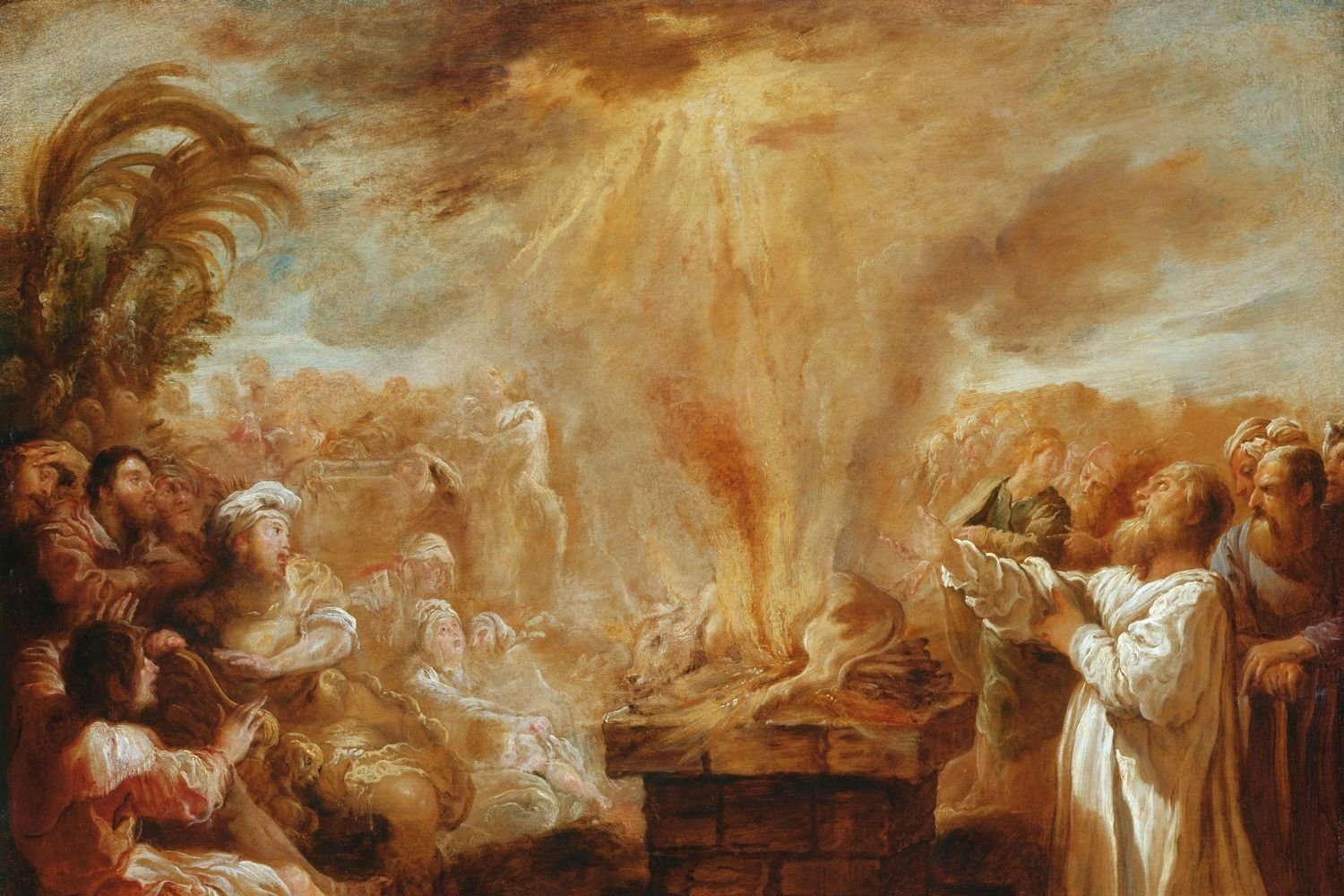
Jan Victors, Elijah and the Widow of Zarephath, c. 1640-1650 — public domain.
The choice of destination was pointed. Zarephath sat on the Phoenician coast between Tyre and Sidon, squarely inside the territory ruled by Jezebel's own father — the very kingdom whose religion Ahab had imported into Israel and that Elijah had just spent a chapter denouncing. God was not simply hiding his prophet from Ahab's soldiers; he was sending him to be fed, in the middle of a famine Elijah himself had called down, by a household belonging to the god-king he had just confronted. The ravens at the Wadi Cherith had already shown Elijah that providence could come from an unlikely source; Zarephath would show him that it could also come through an unlikely person.
Arriving at the Gate
"We Shall Die"
Elijah found the widow at the town gate gathering sticks and asked her for water, then, as she went to fetch it, called after her for a piece of bread as well. Her answer lays bare exactly how dire the famine had become even outside Israel's borders: "As the Lord, your God, lives, I have nothing baked; there is only a handful of flour in my jar and a little oil in my jug. Just now I was collecting a few sticks, to go in and prepare something for myself and my son; when we have eaten it, we shall die" (17:12). This is not modest scarcity. She is describing her family's literal last meal.
Elijah's request in response is startling in its demand: feed me first. "Do not be afraid. Go and do as you have said. But first make me a little cake and bring it to me. Afterwards you can prepare something for yourself and your son" (17:13). He attaches a promise to the request, spoken as God's own word: "The jar of flour shall not go empty, nor the jug of oil run dry, until the day when the Lord sends rain upon the earth" (17:14).
The Jar That Did Not Run Empty
The widow, remarkably, does exactly as asked before she knows the outcome. "She left and did as Elijah had said. She had enough to eat for a long time — he and she and her household. The jar of flour did not go empty, nor the jug of oil run dry, according to the word of the Lord spoken through Elijah" (17:15-16). The provision is not a one-time miracle but a sustained one, lasting through the entire remaining span of the famine, tied directly to an act of trust that cost the widow everything she had left.
A Death and a Return to Life
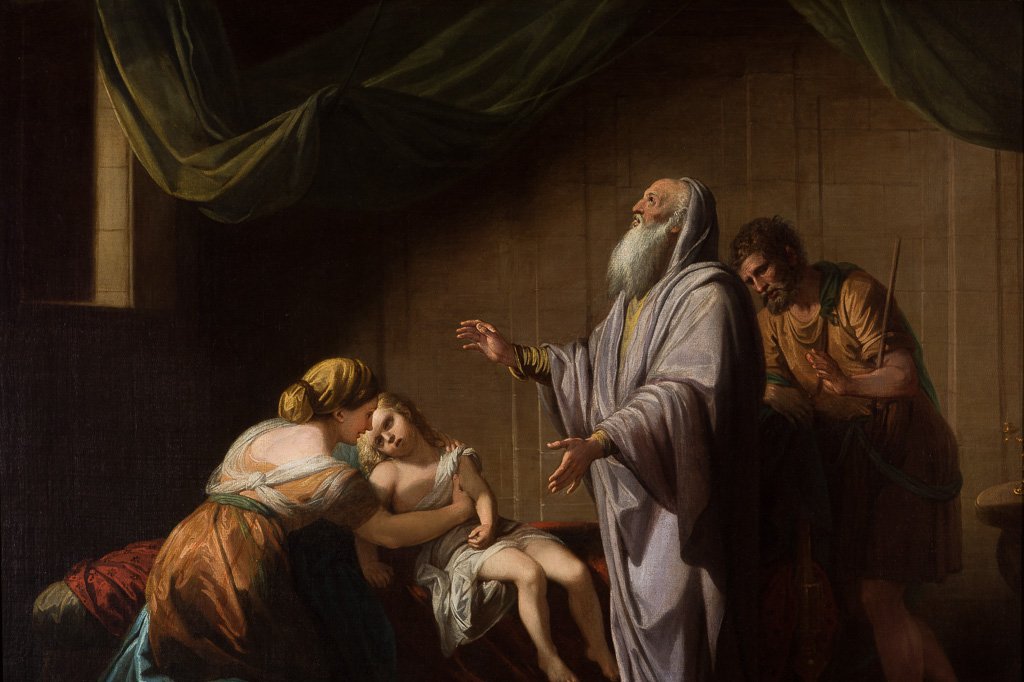
The household's story does not end there. Some time later the widow's son fell gravely ill and stopped breathing. In her grief she turned on Elijah, assuming his presence in her house had somehow exposed her sin and brought this punishment. Elijah, equally distressed, carried the boy to an upper room, cried out to God, and stretched himself over the child's body three times, praying for his life to return. "The Lord heard the prayer of Elijah; the life breath returned to the child's body, and he lived" (17:22). It is one of the earliest instances in Scripture of a prophet restoring life to the dead, and it seals the widow's recognition of Elijah's calling: "Now indeed I know that you are a man of God" (17:24).
Catholic Reading: Mercy Beyond Israel's Borders
Centuries later, this precise story became the flashpoint of Jesus's first recorded confrontation with his hometown. Preaching in the synagogue at Nazareth, Jesus reminds his listeners that during that famine, "there were many widows in Israel," yet "It was to none of these that Elijah was sent, but only to a widow in Zarephath in the land of Sidon." (Luke 4:25-26). The point Jesus draws from it — that God's mercy has never been confined to Israel alone — enraged the crowd so much they tried to throw him off a cliff.
Catholic tradition reads the widow of Zarephath, then, on two levels at once: as a personal witness to trust in providence, giving away her last resources on the strength of a prophet's word alone, and as an early scriptural sign that grace was never meant to stop at Israel's border — a theme Christ makes explicit and that the Church has carried forward as central to its own universal mission.
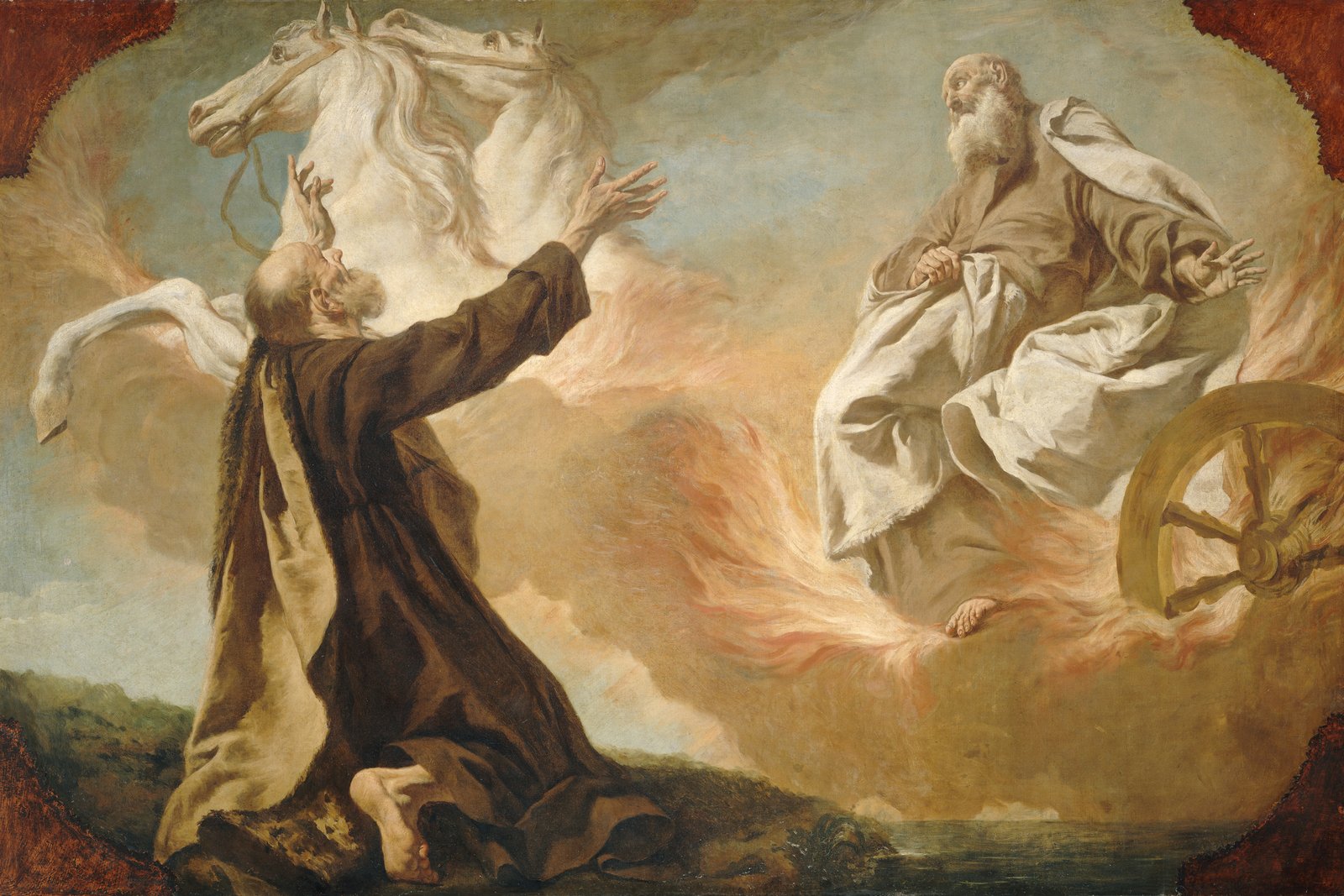
Related reading: see Elijah and the Chariot of Fire for the prophet's dramatic end, and Naaman Healed of Leprosy for another story of God's mercy reaching a foreigner through an Israelite prophet.
Trivia
Why was Elijah sent to a widow in Zarephath?
What did the widow tell Elijah when he asked for food?
What did Elijah promise her?
Did anything else happen in this household?
Did Jesus reference this story?
Related Reading