The Entry into Jerusalem

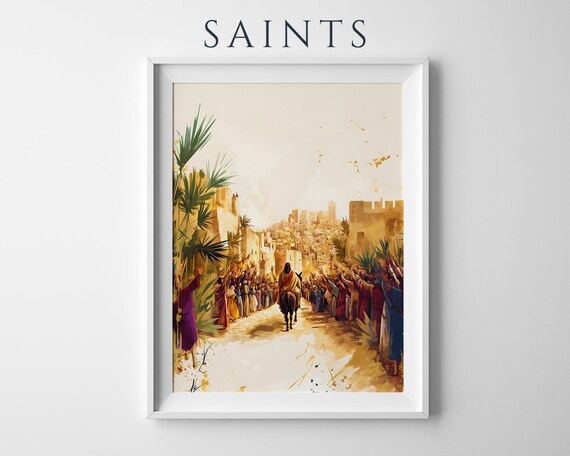
A king who sends for a donkey
Jesus's approach to Jerusalem begins with an oddly specific instruction: he sends two disciples ahead to find a donkey and its colt, telling them exactly what to say if questioned, and "The disciples went and did as Jesus had ordered them." (Matthew 21:6, RSV-CE). There's nothing accidental about the choice of animal. A king arriving for battle rode a horse; a king arriving in peace rode a donkey — a distinction well understood in the ancient world, and one Jesus appears to invoke on purpose rather than out of any practical necessity.
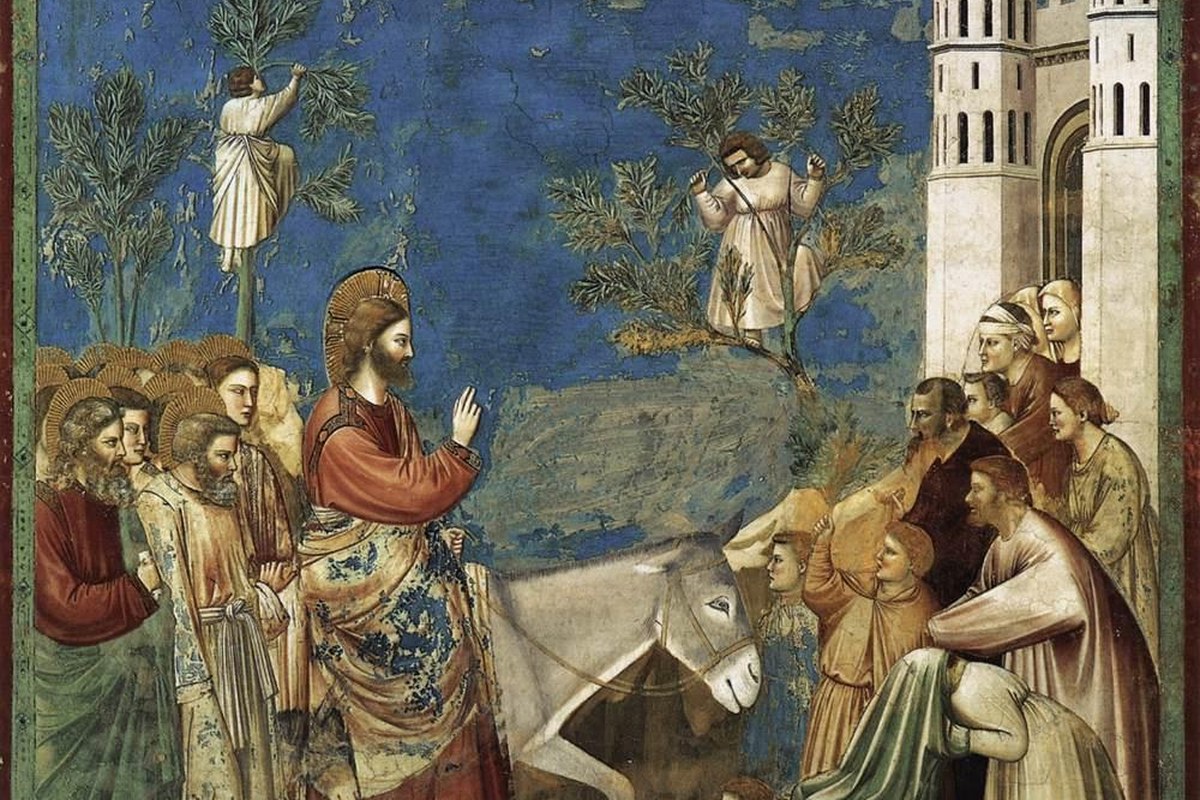
Giotto di Bondone, "Entry into Jerusalem," Scrovegni Chapel, c. 1305 — public domain.
Matthew makes the connection explicit, linking the scene to a much older prophecy: "Say to daughter Zion, ‘Behold, your king comes to you, meek and riding on an ass, and on a colt, the foal of a beast of burden.’" (Matthew 21:5, RSV-CE, quoting Zechariah 9:9). For anyone in the crowd who knew their Scriptures, the detail of the animal wasn't incidental at all — it was the whole point, a living fulfillment of a promise made centuries earlier about how Israel's true king would finally arrive.
The timing mattered too. Jerusalem in this period would have been packed with pilgrims arriving for Passover, the feast commemorating Israel's deliverance from slavery in Egypt, which meant Jesus's procession into the city took place in front of about as large and attentive an audience as the city could produce in a single week. Roman authorities were typically on high alert during Passover specifically because the festival's themes of liberation from foreign rule tended to stir up nationalist hopes among the crowds — which makes a public procession hailing someone as "Son of David" a considerably riskier gesture than it might look at first glance, and it helps explain why the events of that same week move so quickly toward arrest and trial once the authorities decide the risk has become too great to ignore.
Cloaks, branches, and a very public claim
What follows is an unmistakably royal welcome, assembled by ordinary people rather than staged by any authority: "The very large crowd spread their cloaks on the road, while others cut branches from the trees and strewed them on the road." (Matthew 21:8, RSV-CE) — the standard treatment for a returning king or a celebrated victor, offered here to a man riding a borrowed donkey. The crowd's shout makes the claim explicit: "Hosanna to the Son of David! Blessed is he who comes in the name of the Lord! Hosanna in the highest!" (Matthew 21:9, RSV-CE). "Son of David" was not a vague compliment — it was a direct, public identification of Jesus as Israel's promised king.
A city that will turn within days
Nothing in Matthew's account softens what makes this moment so difficult to sit with: the same crowd, in the same city, will within days be calling for Jesus's crucifixion. The Gospels never pause to reconcile the two moments or explain the shift — they simply record both, side by side, and let the contrast stand. That whiplash, more than any single detail of the procession itself, is why the Entry into Jerusalem is remembered as the opening scene of Holy Week rather than a triumph in its own right: a celebration that both means everything it appears to mean, and turns out to mean far less than it seemed to at the time.
Why the image has endured
Christian art and the Church's own calendar (Palm Sunday marks this exact event) have both held onto the procession itself as worth remembering independent of what follows — the humility of the donkey, the sincerity of a crowd that, however briefly, recognized who was in front of them. Giotto's early-14th-century fresco, shown above, captures that moment at its most straightforward: Jesus turning back toward the crowd with a raised hand, still just outside the city gates, before anything that comes next.
How the Church still marks the day
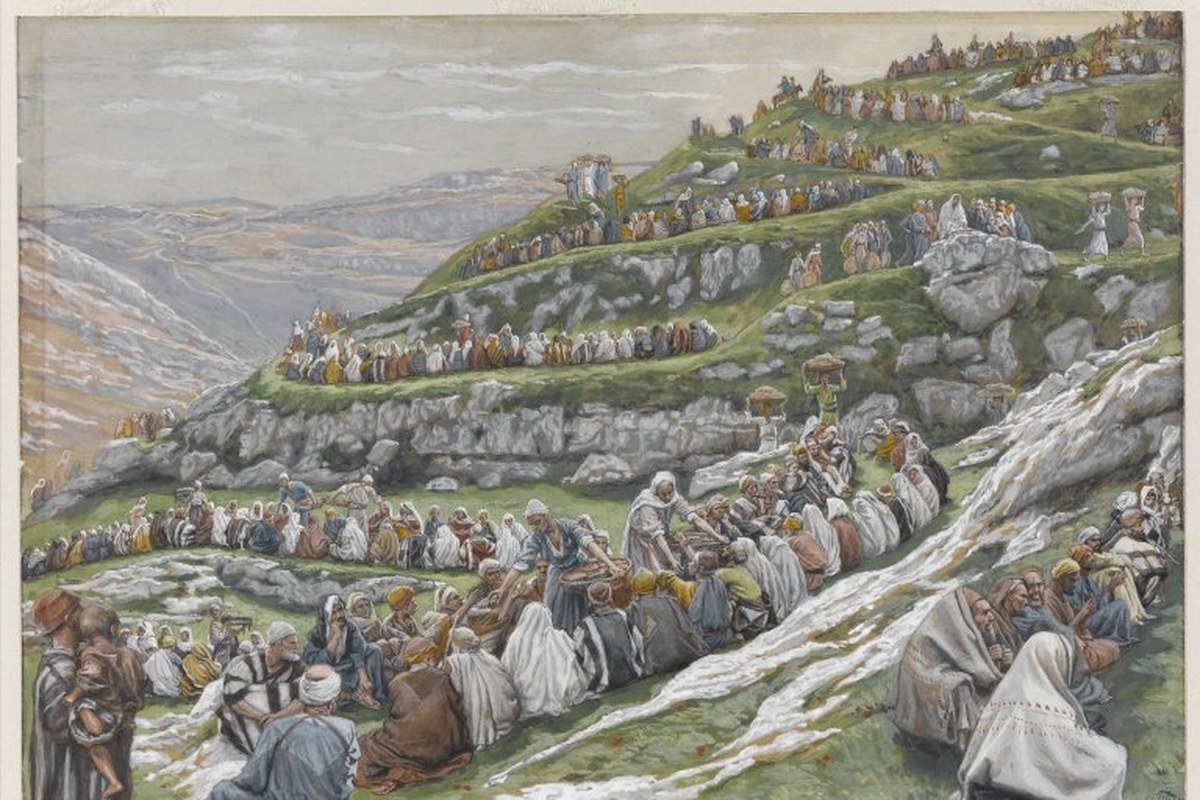
The Entry into Jerusalem gives its name to Palm Sunday, the opening day of Holy Week on the Christian calendar, and the liturgy for that day still reenacts the same gesture the Gospel describes: congregations carry blessed palm branches (or, in colder climates, branches of whatever greenery is locally available) in procession before Mass begins, echoing the crowd that once lined the road into the city. Many parishes keep those blessed palms in the home through the following year, often woven into small crosses, until they're burned to produce the ashes used the following Ash Wednesday — a quiet way of tying the triumph of Palm Sunday back to the penance of Lent that eventually follows it. Read alongside the Feeding of the Five Thousand or the Wedding at Cana, the Entry into Jerusalem sits at a hinge point in the Gospels — the last of the public scenes where crowds gather around Jesus in hope, before the story turns toward betrayal, trial, and the cross.
Trivia
Why did Jesus choose to ride a donkey rather than a horse?
What did the crowd shout, and what did it mean?
What did people do with their cloaks and branches?
Why does this moment feel so different from what follows days later?
Related Reading