Basilica Major vs. Basilica Minor, Explained

A title with an exact, finite number attached
Most Catholic honors — sainthood, a shrine's approval, a religious order's recognition — don't come with a hard numerical ceiling. Basilica major does. There are exactly four in the entire world, and there have been exactly four for a very long time. Understanding why gets at something specific about how the Catholic Church ranks its churches, and why "basilica" alone doesn't tell you very much.
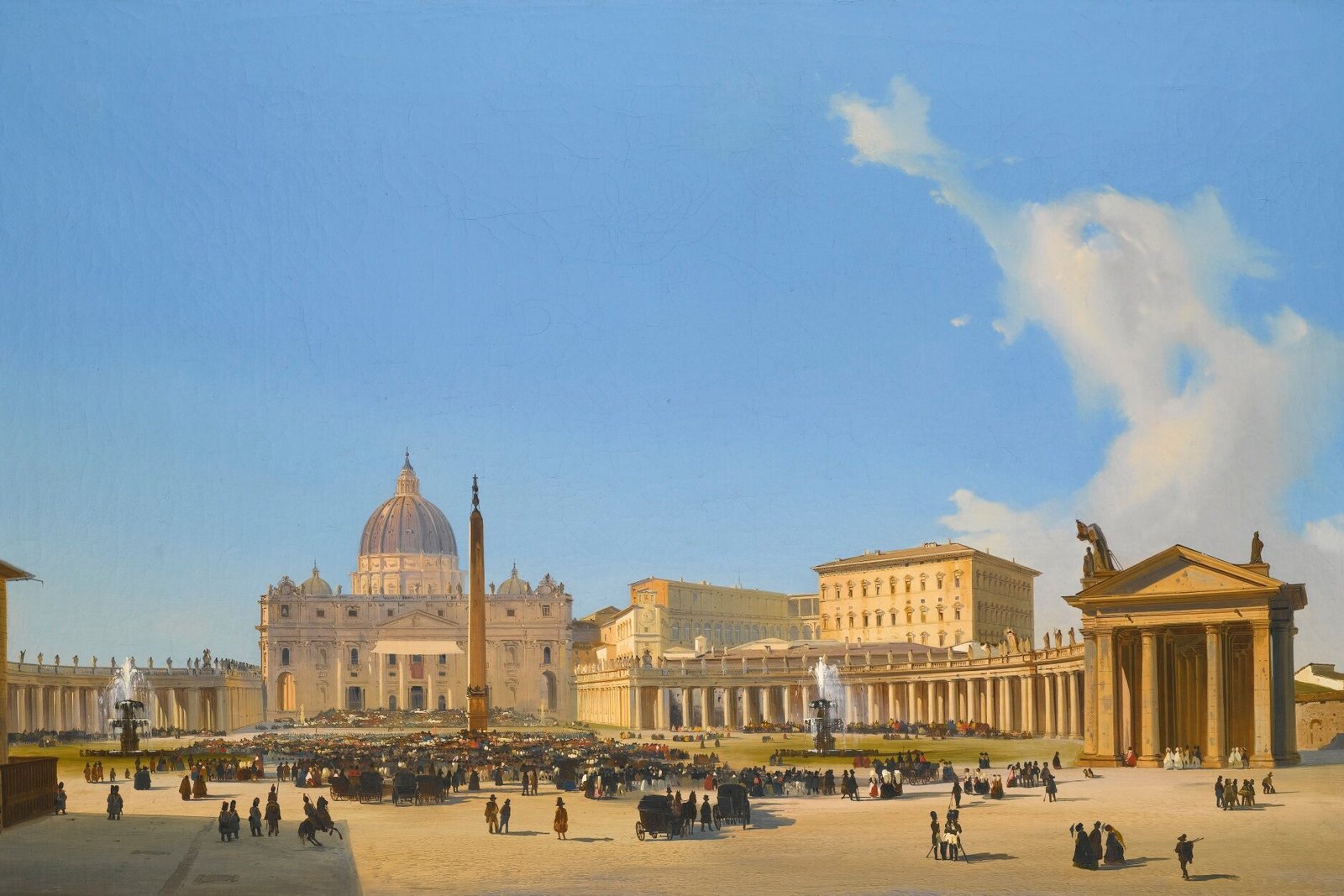
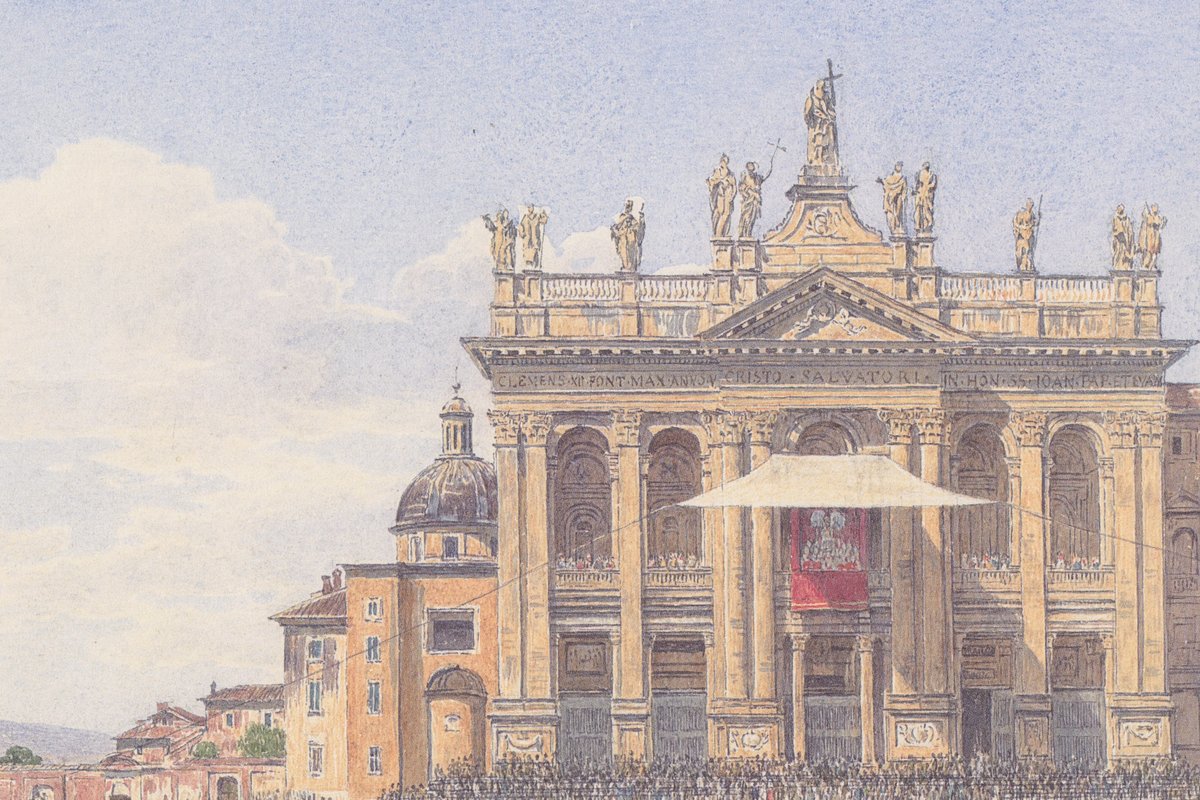
Ippolito Caffi, Rome, a view of Saint Peter's Basilica and Square, 1845 — public domain.
What "basilica" originally meant
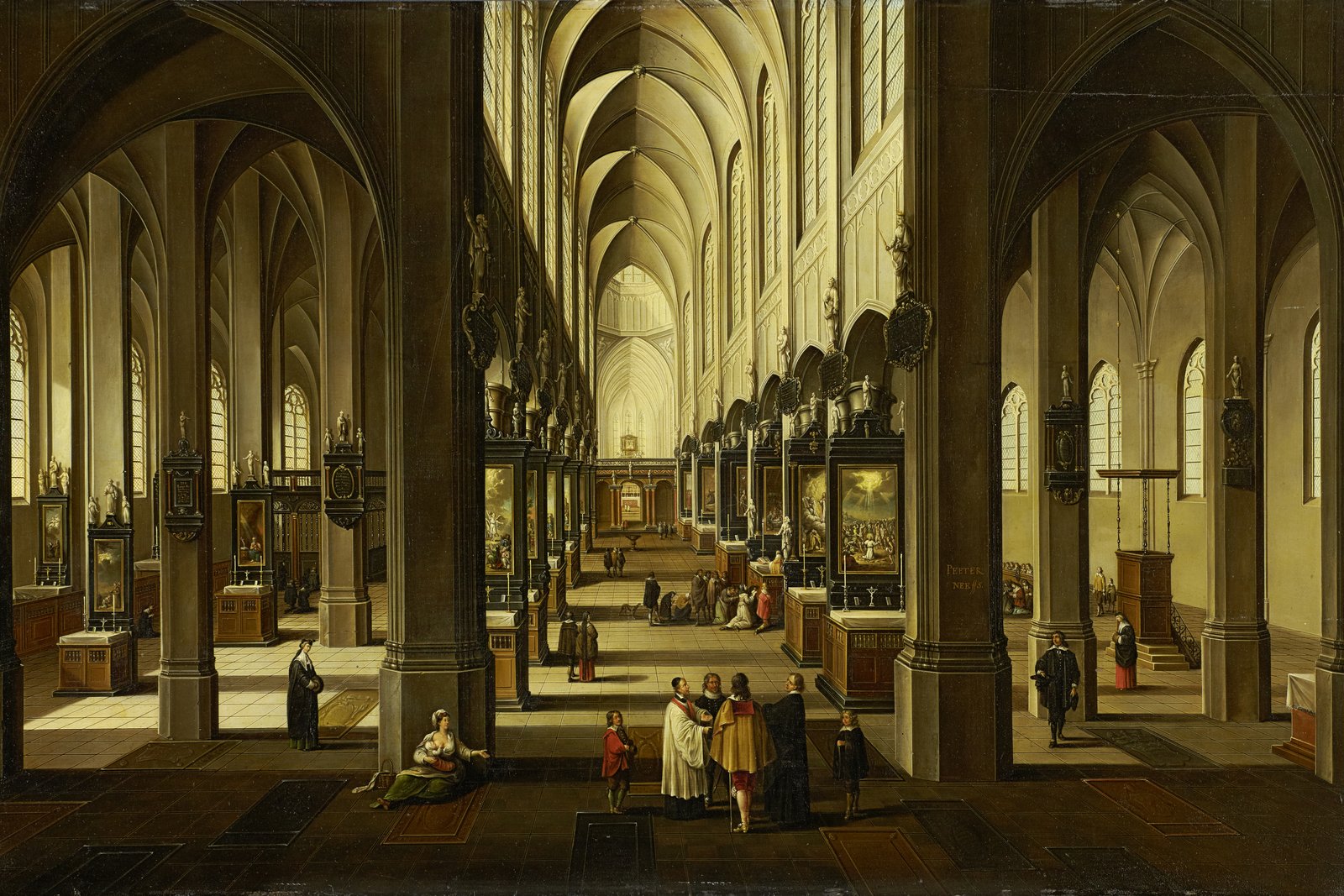
The word predates Christianity. In ancient Rome, a basilica was simply a large public hall — used for law courts, markets, and civic gatherings — built with a specific long rectangular floor plan and a raised platform at one end. When Christianity was legalized in the fourth century, this was the architectural form the Church borrowed for its first great public churches, since Roman temples (built around a small interior cella, not a hall meant to hold a crowd) weren't suited to congregational worship. The floor plan stuck. Today "basilica" survives as a canonical title rather than a strict architectural description — a church can be called a basilica without using the ancient floor plan at all, and plenty of huge non-basilica churches use that same layout.
The four basilica majors
The top tier — basilica major, also called a papal basilica — belongs to exactly four churches, all in or immediately around Rome, collectively known as the Four Papal Basilicas of Rome:
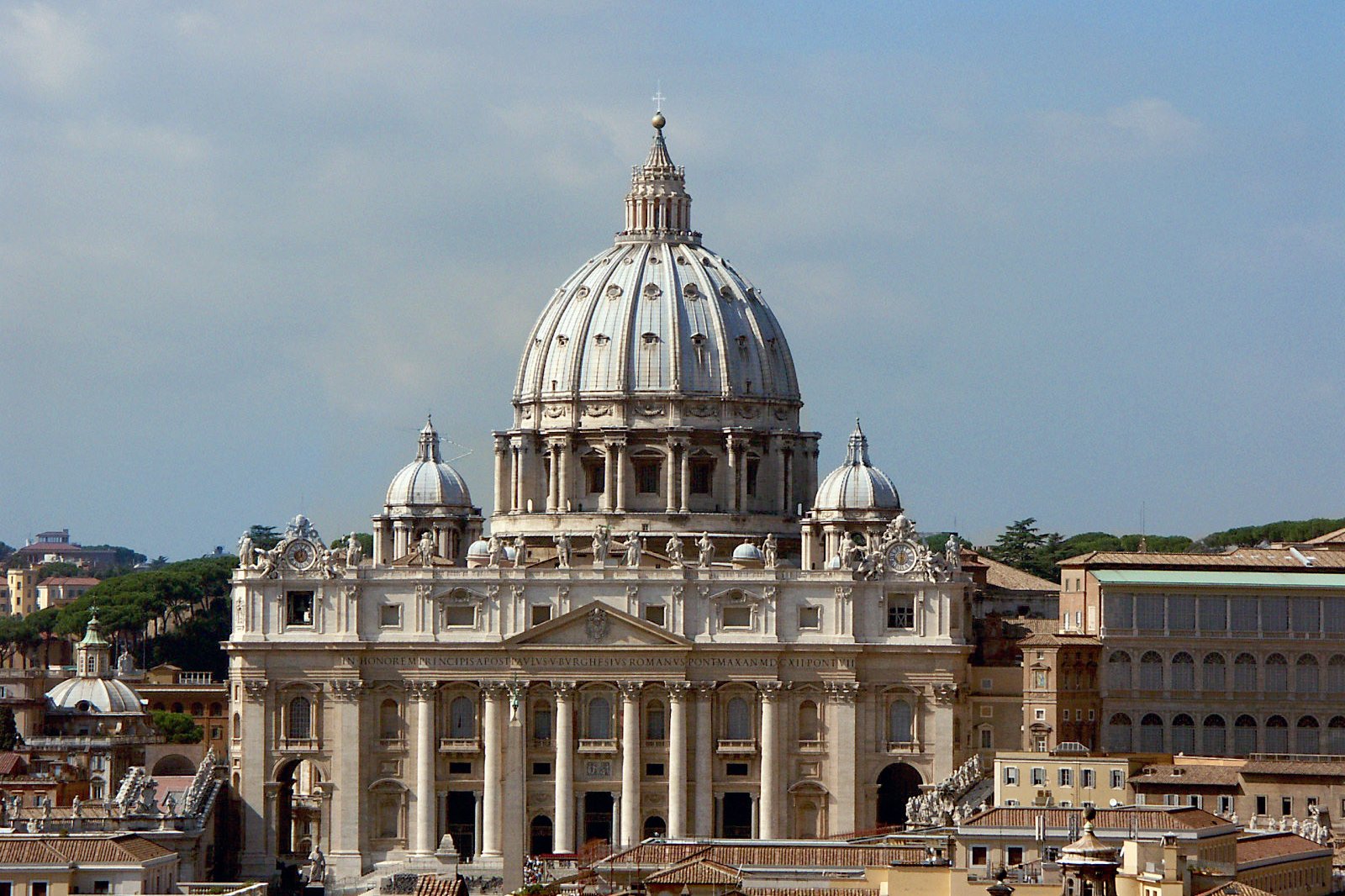
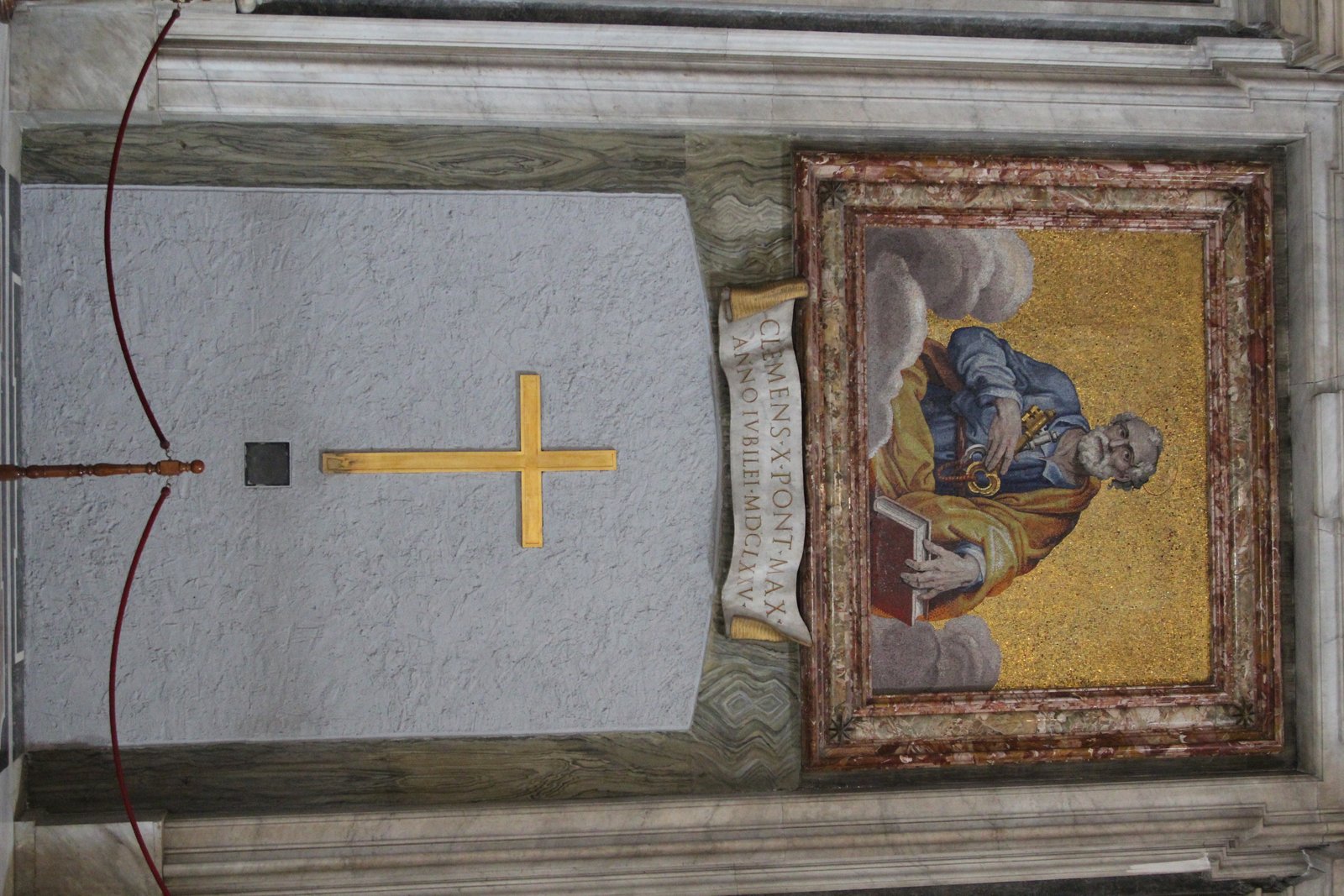
St. Peter's Basilica, built over the traditional tomb of the apostle Peter and the largest church in the Catholic world, is the most famous of the four and the site of most major papal liturgies.
The Basilica of St. John Lateran holds an even older technical rank still: it is Rome's actual cathedral, the seat of the pope in his role as Bishop of Rome, and carries the inscription omnium urbis et orbis ecclesiarum mater et caput — "mother and head of all the churches of the city and the world."
The Basilica of St. Mary Major is the largest Marian church in Rome and one of the oldest, its core structure dating to the fifth century, shortly after the Council of Ephesus formally affirmed Mary's title as Mother of God.
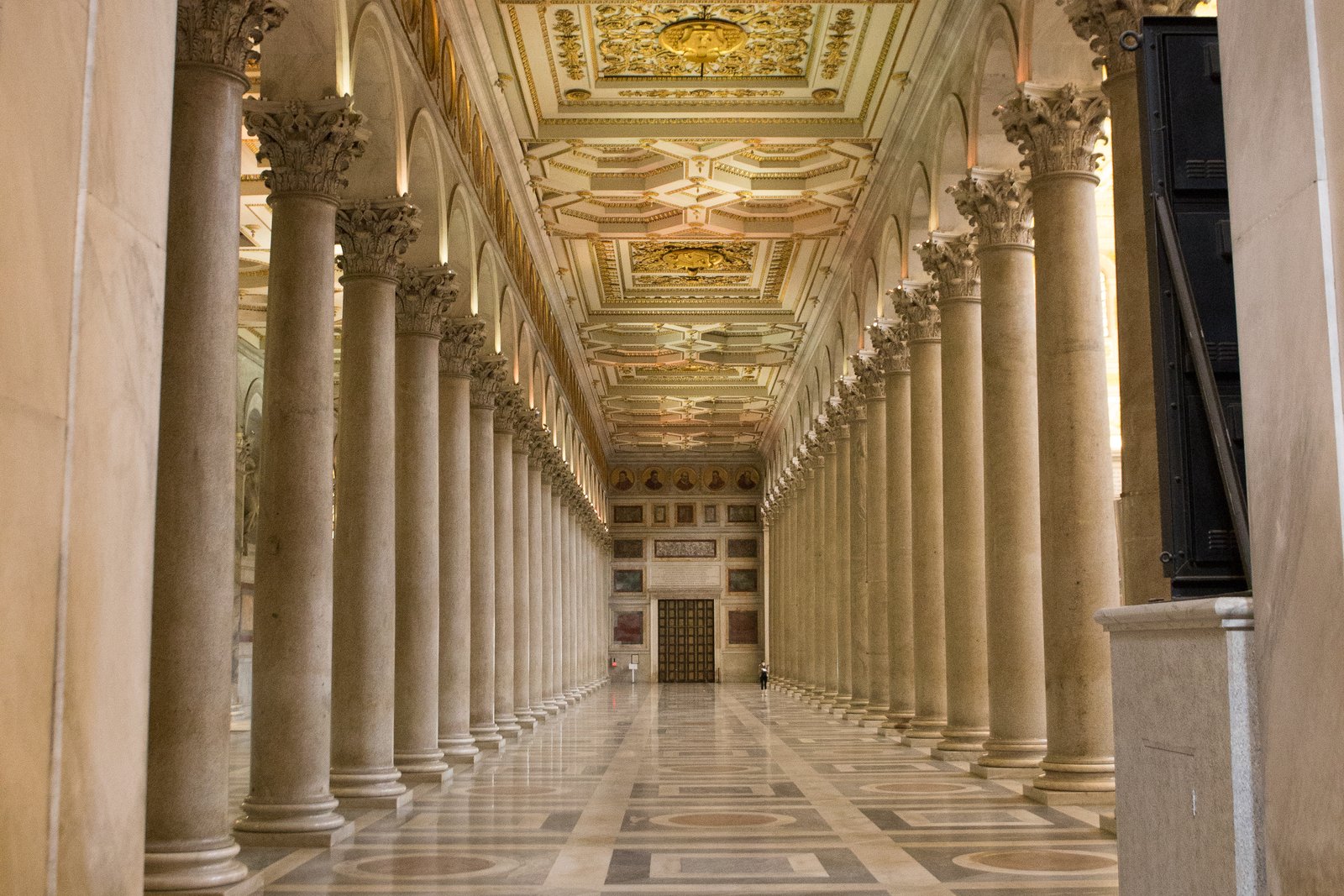
The Basilica of St. Paul Outside the Walls stands over the traditional burial site of the apostle Paul, on what was once open countryside beyond Rome's ancient walls — hence the name.
All four share features no basilica minor has: a papal altar reserved for the pope's own use, a papal throne, and a Holy Door opened only during jubilee years, through which pilgrims pass to receive a jubilee indulgence.
Basilica minor: the title nearly everyone else holds
Every other basilica in the world — well over 1,800 of them — holds the title basilica minor. It's granted by papal decree, usually after the local bishop petitions Rome citing the church's age, architectural significance, or role as an active pilgrimage destination. The title brings real privileges: the right to display the crossed-keys papal symbol and the ombrellino (a ceremonial striped umbrella) inside the church, along with certain special indulgences tied to visiting on specific feast days. What it doesn't bring is equality with the four Roman basilicas above it — "minor" here is a precise canonical rank, not a comment on a church's importance or crowds.
Some basilica minors are, in practical terms, as significant as anything in Rome. The Basilica of Saint Francis of Assisi, built to house the tomb of St. Francis and decorated with Giotto's frescoes, is a basilica minor, as is the Basilica of the Sacred Heart in Paray-le-Monial, tied to St. Margaret Mary Alacoque's visions of the Sacred Heart. Neither church is any less holy or historically important for holding the "minor" title — the label simply describes their canonical relationship to the four churches in Rome that stand alone at the top of the rank.
Why the distinction still matters
For an ordinary visitor, the practical difference between a basilica major and a basilica minor is easy to miss entirely — both offer indulgences, both hold Mass, both welcome pilgrims. But the rank reflects something the Church has preserved carefully for centuries: a direct, singular link between the pope and four specific buildings in Rome, distinct from the broader honor it's willing to extend, church by church, to remarkable places of worship anywhere in the world.
A church seeking basilica minor status generally has to demonstrate a real history of pilgrimage, notable architecture or artistic significance, or a strong connection to a particular saint, relic, or devotion, and the request has to go through the Vatican's Congregation for Divine Worship before the pope grants it. That process means the title, however common it has become worldwide, is never handed out casually — every one of those roughly 1,800 churches had to make a documented case for why its own history earned it a formal place in that wider circle around Rome's four unrepeatable basilica majors.
Trivia
What is the difference between a basilica major and a basilica minor?
Which four churches are basilica majors?
Can a church outside Rome ever become a basilica major?
Does 'basilica minor' mean the church is less important or less holy?
How does a church become a basilica minor?
Related Reading