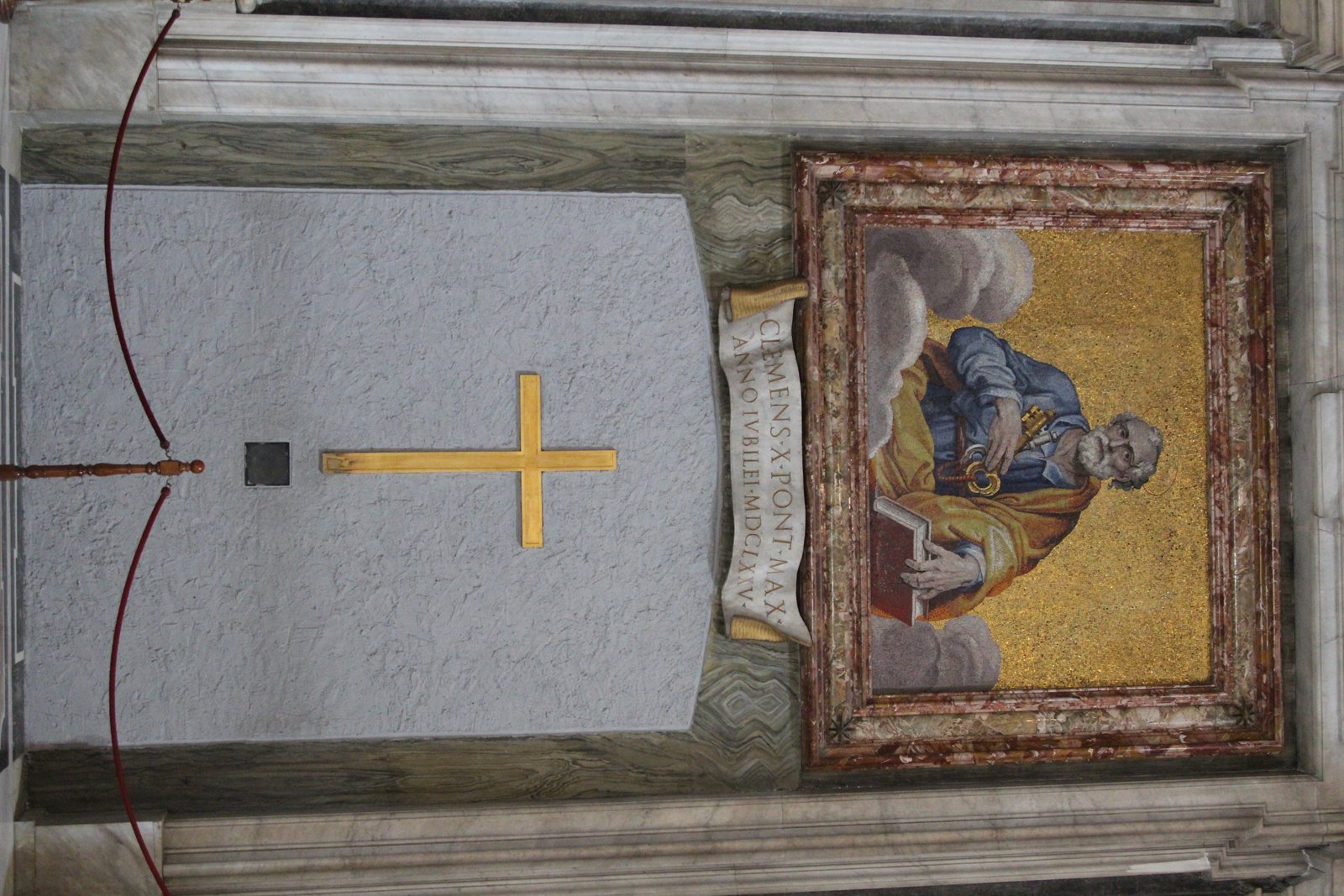
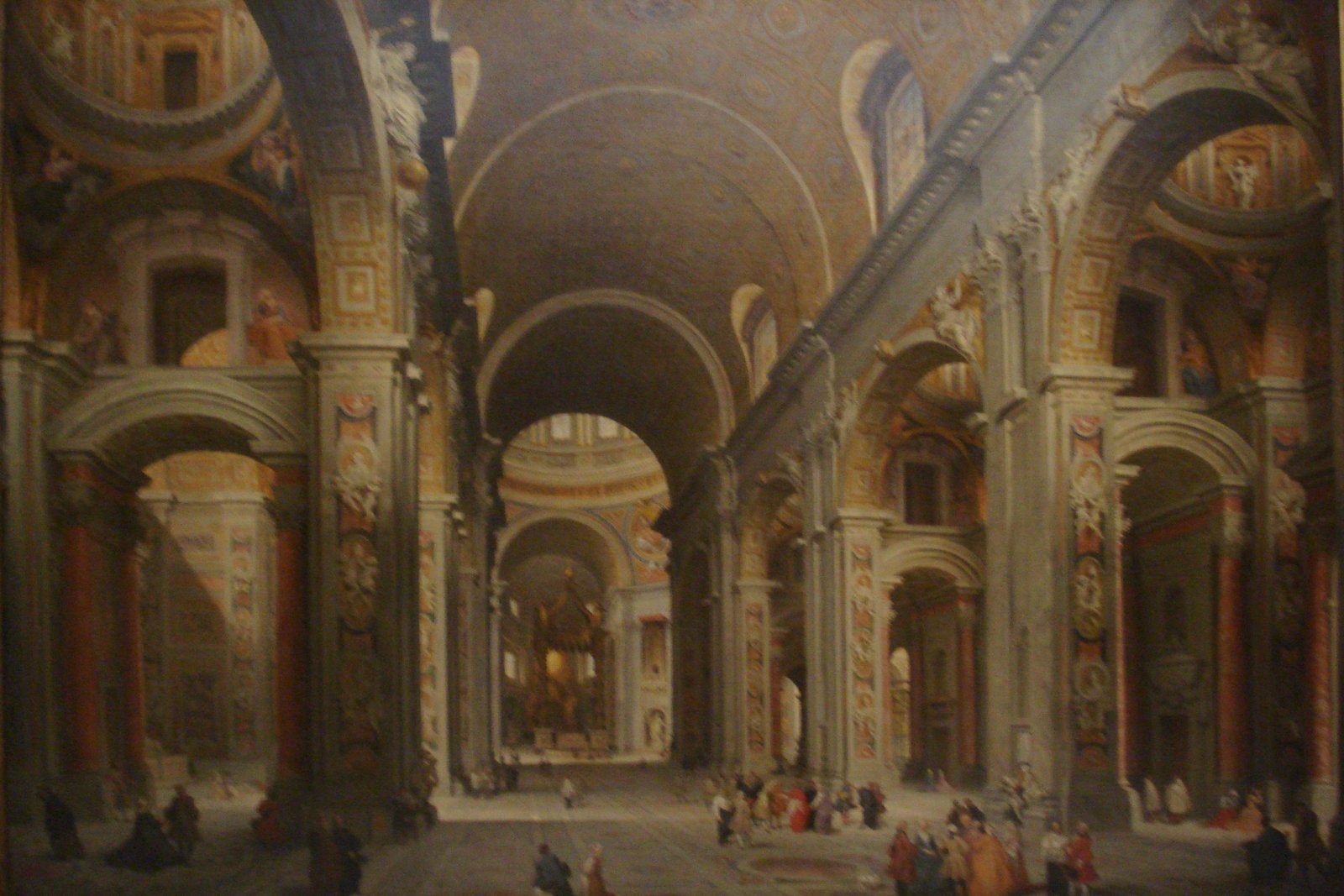
The Dedication of the Basilica of Saint Mary Major

A legend of snow in August
The story that gave the basilica its second name, Our Lady of the Snows, is not found in any contemporary Roman record from the fourth century, when it is said to have taken place. It surfaces centuries later, woven into the church's own tradition, but it has stayed attached to the building for well over a thousand years regardless, told and retold at every August 5 celebration since.
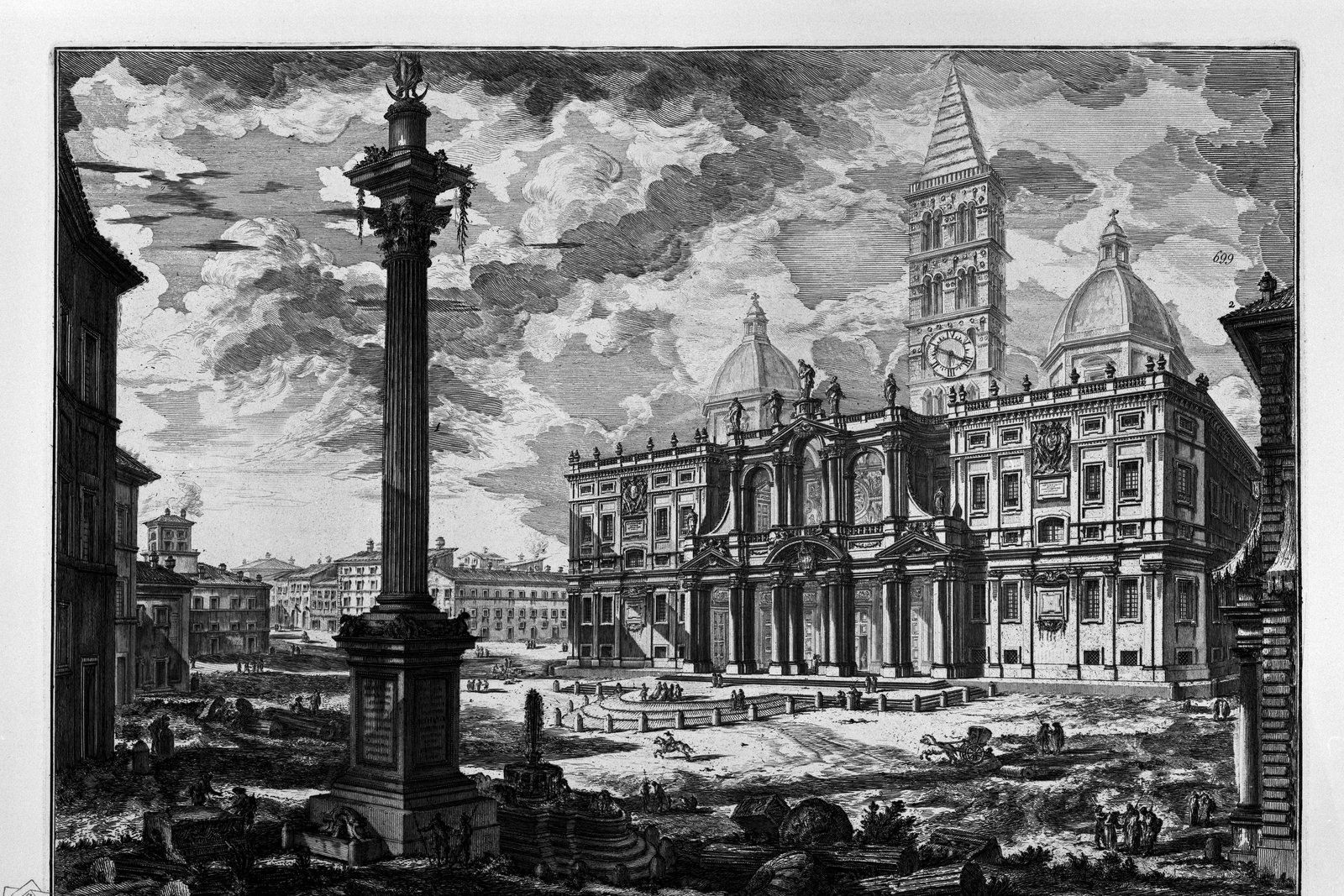
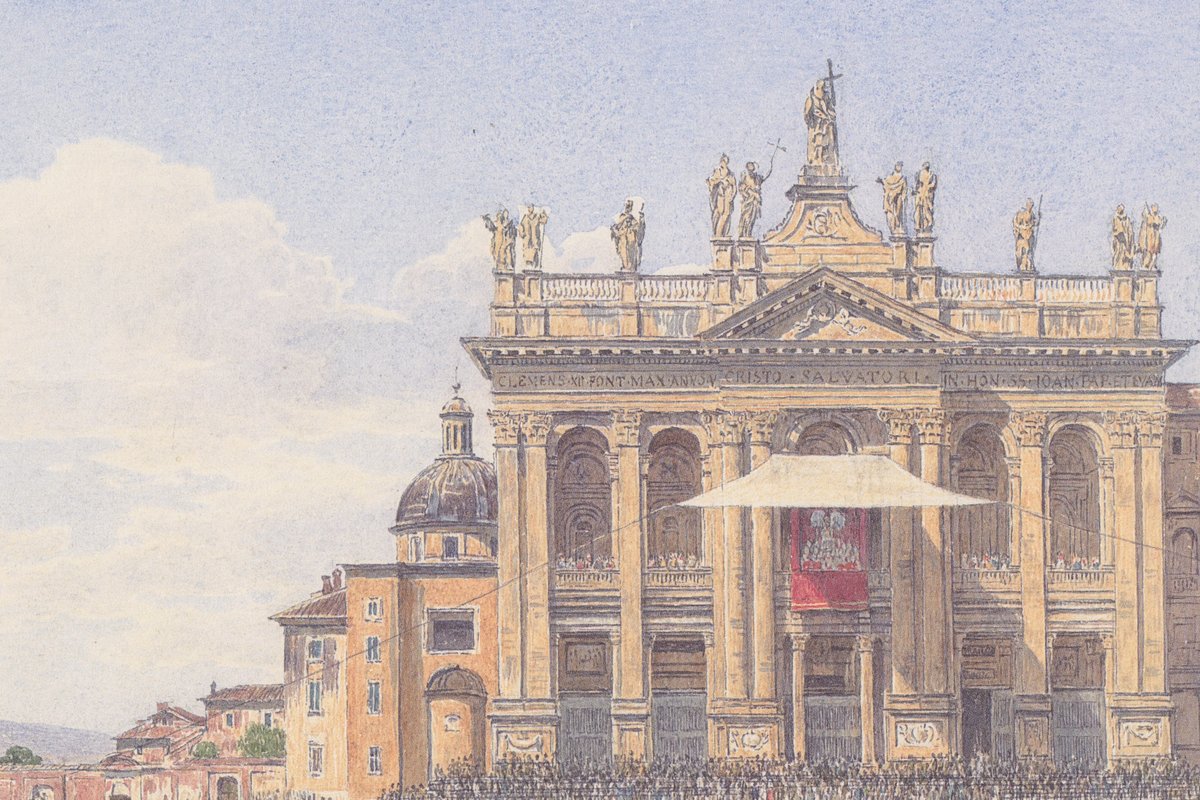
Giovanni Battista Piranesi, engraving of the Basilica of Saint Mary Major, 18th century — public domain.
According to the legend, a wealthy, childless Roman couple, John and his wife, wished to leave their fortune to some pious use in honor of the Virgin Mary. On the night of August 4, Mary is said to have appeared to them both in a dream, telling them to build a church for her on the spot where snow would fall the following morning. That same night, Pope Liberius, who occupied the papal chair from 352 to 366, reportedly received an identical vision. The next day, in the height of the Roman summer, snow fell and settled on the crown of the Esquiline Hill, one of the seven hills of the city, tracing out the exact footprint of the church to be built. Liberius is said to have walked the outline himself with a hoe, marking the boundary of the new building in the snow.
Whatever its origins, the story explains why the church has long carried the title Our Lady of the Snows, and why a ceremony reenacting the miracle, with white flower petals released from the coffered ceiling above the high altar, is still performed at the basilica every August 5.
From Liberius to Sixtus III
The historical foundation of the basilica is somewhat more solidly documented, if less picturesque, than the snow legend. A church known as the Liberian Basilica did exist on the Esquiline by the mid-fourth century, associated with Pope Liberius's name, though its precise scale and appearance are not well recorded. The building that survives today in its essential form, however, dates to a later and theologically decisive moment: the papacy of Sixtus III, from 432 to 440.
Sixtus III's basilica rose in the years immediately following the Council of Ephesus in 431, at which the Church formally affirmed that Mary should be honored with the title Theotokos, Mother of God, against a rival view that would have limited her to the more modest title of Mother of Christ. The dispute was not a minor academic quarrel. It touched directly on how the Church understood the union of divine and human natures in Christ himself, and Ephesus settled it decisively in Mary's favor. Sixtus III's new basilica on the Esquiline, raised almost immediately afterward and adorned with mosaics depicting Old Testament scenes alongside a triumphal arch celebrating the events of Christ's infancy, stands as one of the earliest and grandest architectural responses to that council's teaching. It is, in effect, a building-sized declaration of the Church's Marian doctrine, built at the very moment that doctrine had just been defined.
What the basilica holds
Saint Mary Major's fifth-century mosaics are among the oldest surviving devotional artworks of their kind anywhere in the Christian world, predating the great mosaic cycles of Ravenna and surviving multiple renovations across the centuries largely intact. The triumphal arch mosaics, depicting the Annunciation, the Adoration of the Magi, and other infancy narratives, are especially prized by historians of early Christian art for the way they render Mary in imperial dress, seated and enthroned, a visual argument for her exalted status delivered in the language of Roman iconography familiar to a fifth-century audience.
Beneath the basilica's high altar sits a reliquary traditionally said to contain fragments of wood from the manger of Bethlehem, known as the Crib of the Nativity. The relic's authenticity, like many relics of its era, cannot be established with historical certainty, and the Church has never required belief in any particular relic's genuineness as a matter of doctrine. It has nonetheless drawn pilgrims to the basilica for well over a thousand years, reinforcing the church's long-standing association with the events of Christ's birth alongside its Marian dedication.
The basilica also holds a Byzantine icon of the Virgin and Child known as Salus Populi Romani, "Health of the Roman People," an image of considerable antiquity that has been carried in procession through Rome during times of plague, war, and other public crisis since at least the Middle Ages. Popes have continued that tradition into the modern era, visiting the icon before and after international travels.
A church of successive popes
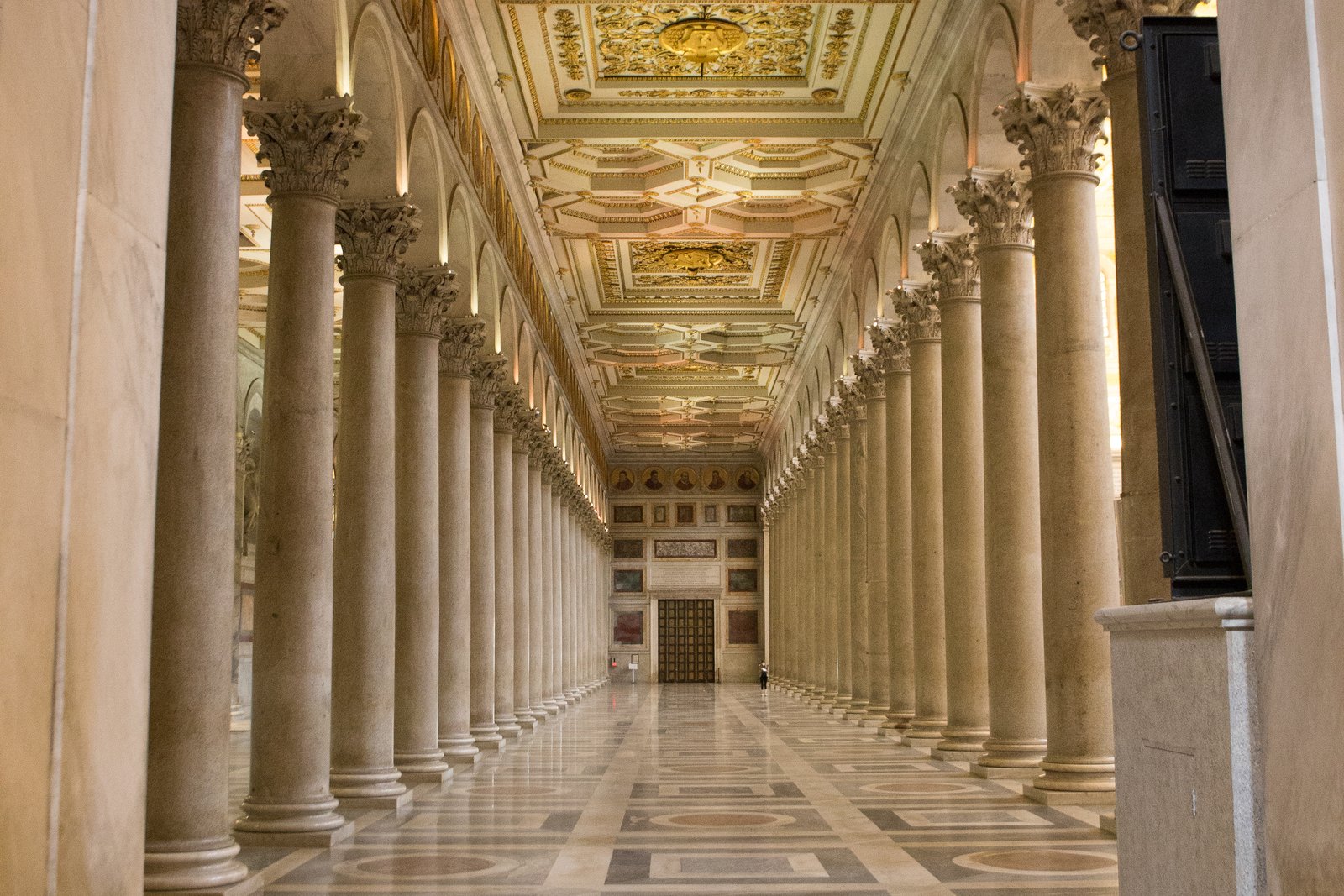
Unlike many Roman churches, which were rebuilt so thoroughly over the centuries that little of their original fabric survives, Saint Mary Major has kept its essential fifth-century basilica plan remarkably intact beneath later additions. Renaissance and Baroque popes added chapels, a coffered gilt ceiling said to have been gilded with some of the first gold brought back from the Americas, and an imposing facade, but the ancient nave, its columns, and its original mosaic cycle remain visible to visitors much as they would have appeared to a fifth-century Roman.
Several popes have chosen to be buried at Saint Mary Major rather than at Saint Peter's, a reflection of the basilica's particular standing among Rome's Marian churches across many centuries of papal devotion. The feast of its dedication, kept on August 5 across the universal calendar of the Roman Rite, remains one of the relatively small number of building-dedication feasts observed church-wide, a mark of how significant this particular basilica has been considered within the wider life of the Catholic Church.
Trivia
What is the legend behind the Basilica of Saint Mary Major?
When was the Basilica of Saint Mary Major built?
What relic is kept at Saint Mary Major?
Is Saint Mary Major one of the four papal basilicas of Rome?
When is the Dedication of the Basilica of Saint Mary Major celebrated?
Related Reading