Eucharistic Adoration Explained — Sitting Before the Blessed Sacrament

Prayer that doesn't require the liturgy to be running
Most Catholic prayer happens without any special vessel, any candlelit chapel, any ritual at all — a rosary in a car, a quick prayer before a meal. Eucharistic Adoration is different in one specific way: it's built entirely around a physical object the Church holds to be, quite literally, Christ himself. To understand adoration, it helps to start with the belief underneath it, because without that belief the practice looks strange, even superstitious. With it, the logic becomes almost inevitable.
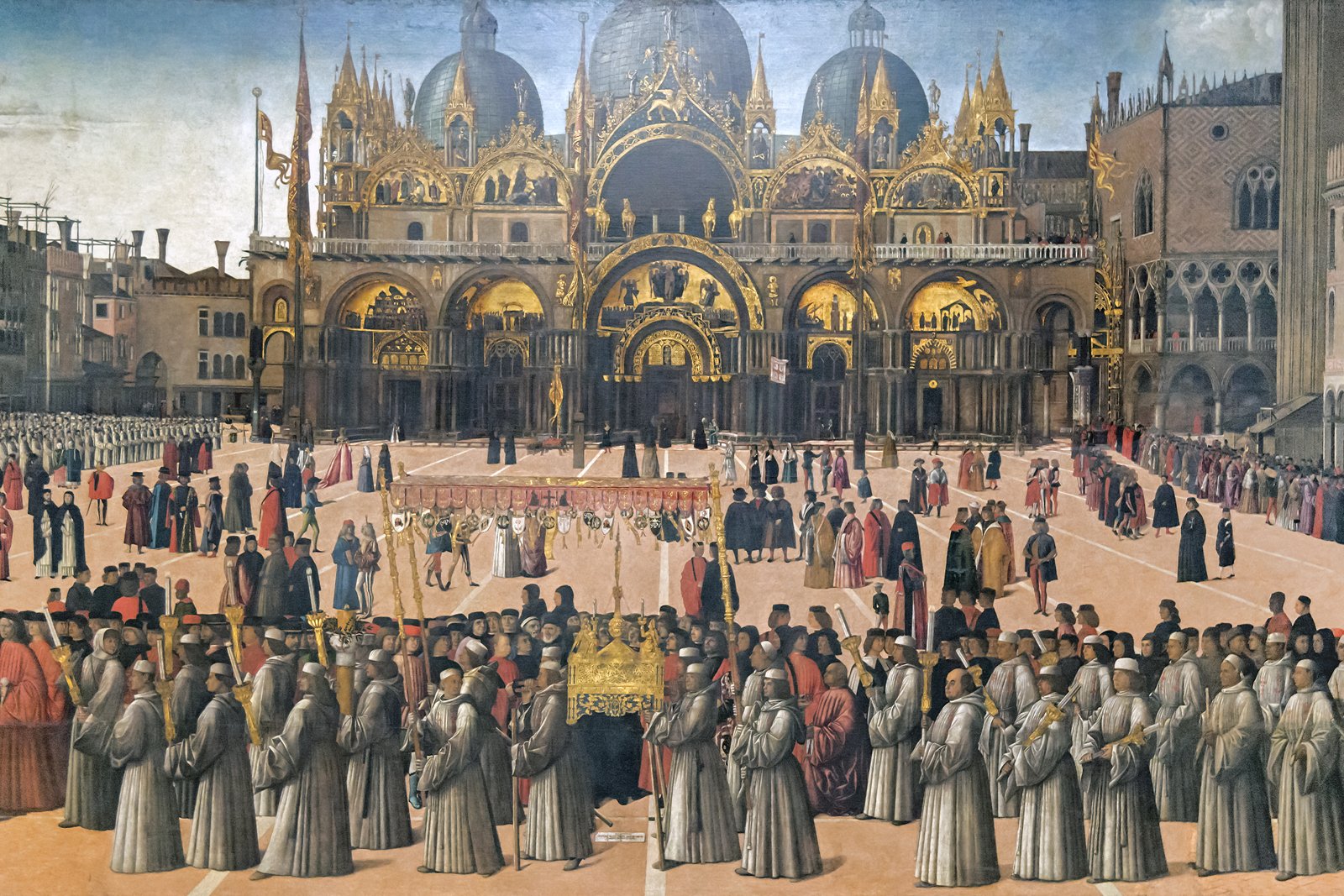
Gentile Bellini, Procession in Piazza San Marco, 1496, Gallerie dell'Accademia, Venice — public domain.
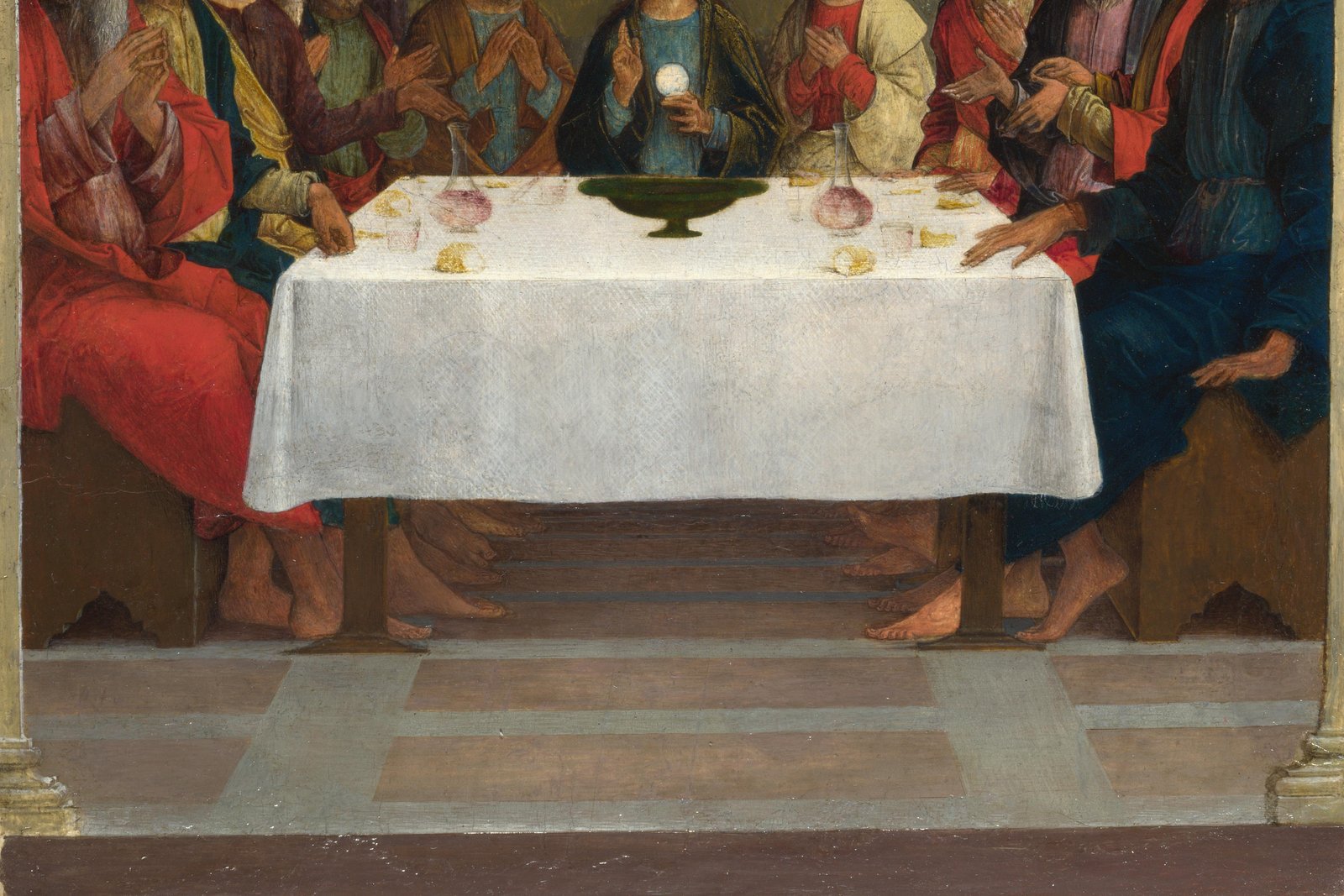
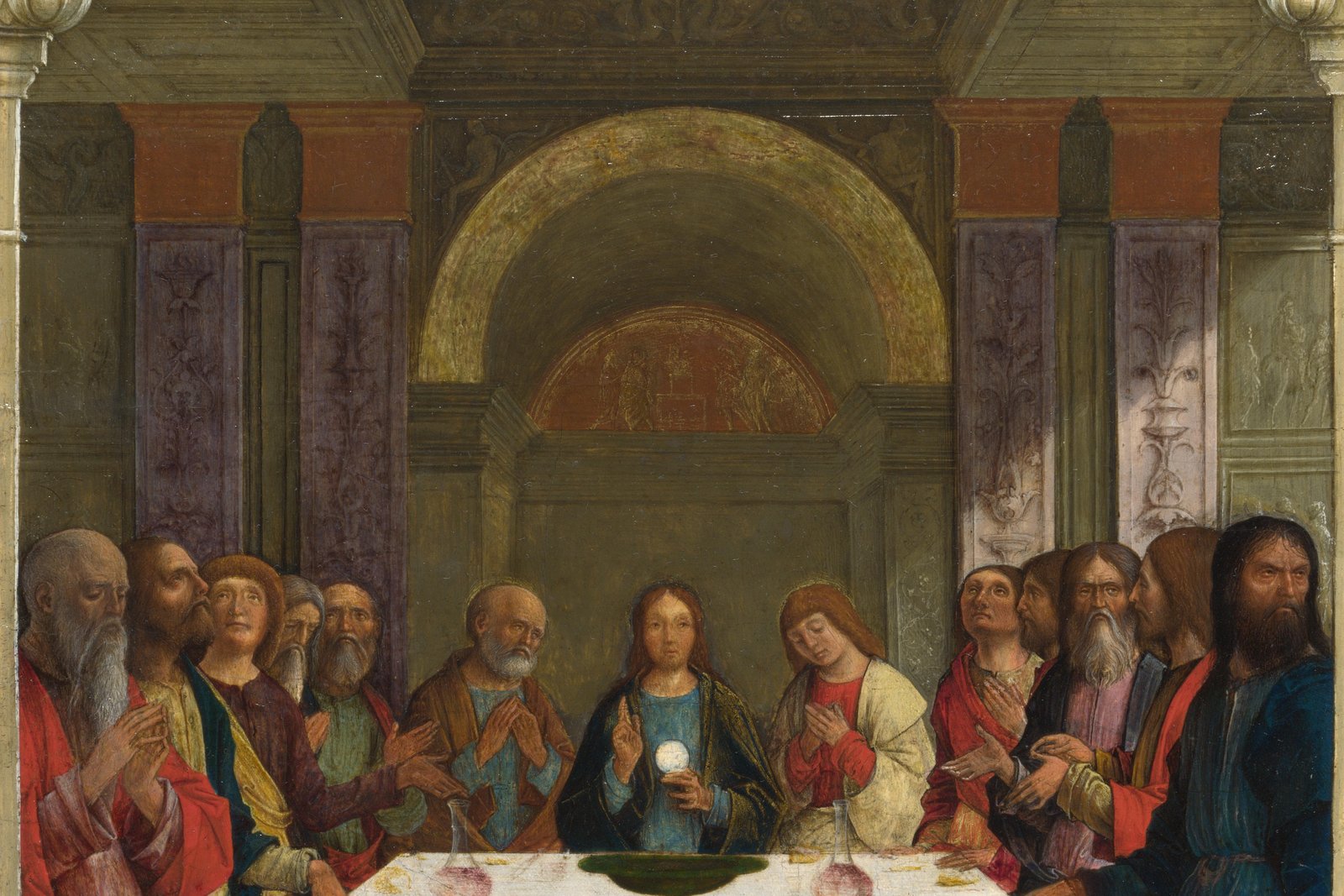
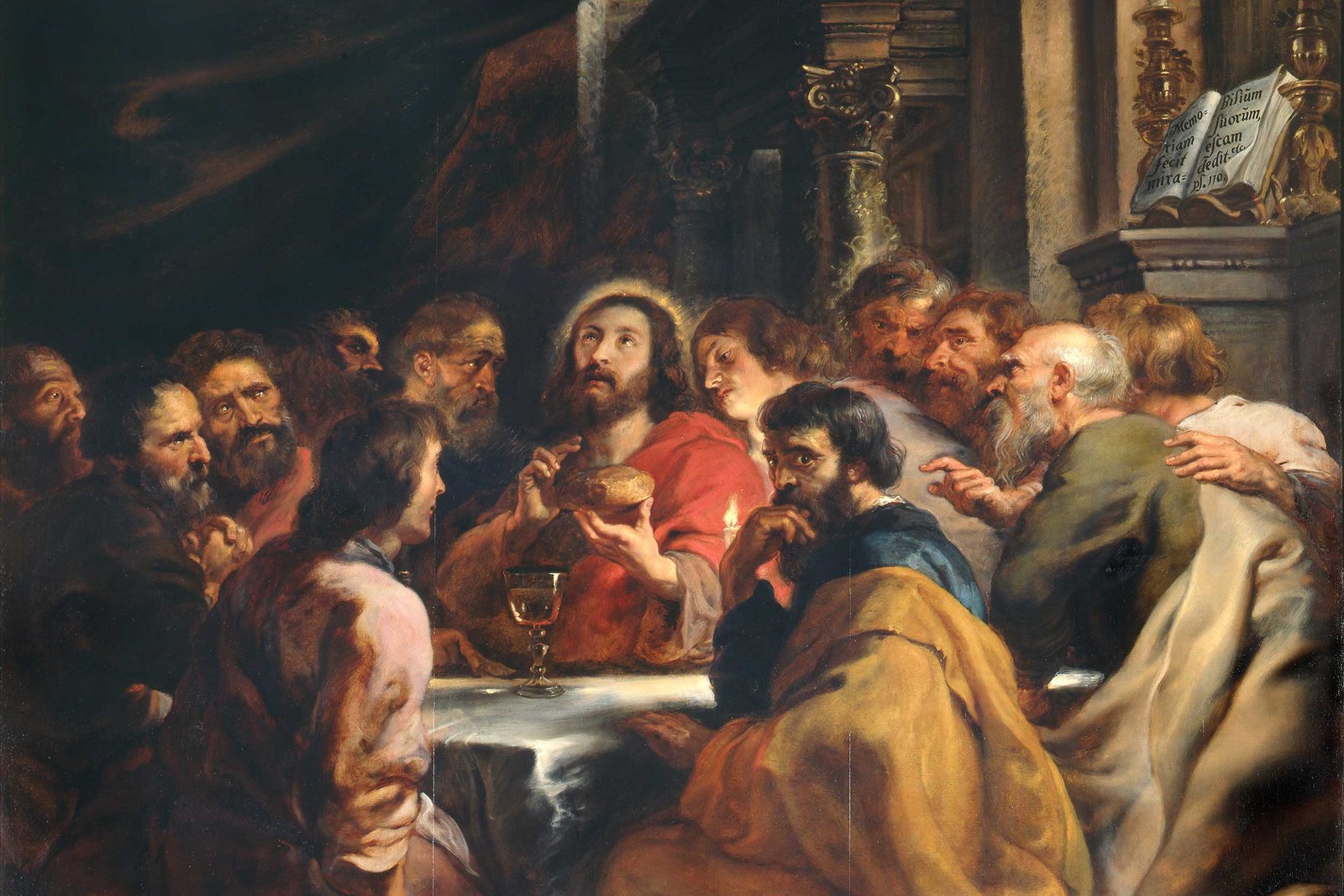
The Church teaches that at the moment of consecration during Mass, the bread and wine become — not symbolically, but really — the body and blood of Christ, a change it calls transubstantiation (CCC 1376). And crucially for adoration, this presence doesn't expire when Mass ends: "the Eucharistic presence of Christ begins at the moment of the consecration and endures as long as the Eucharistic species subsist" (CCC 1377). If that's true, then a consecrated host sitting in a tabernacle on a Tuesday afternoon isn't a leftover from Sunday's Mass. It's Christ, present, whether or not anyone happens to be in the room. For more on the theology of the Mass itself and the real presence at its center, see Why Go to Mass.
From reserved sacrament to public devotion
The earliest reason for keeping consecrated hosts outside of Mass was practical, not devotional: the Church needed a way to bring Communion to the sick and those unable to attend Mass, which meant reserving some of the consecrated bread in a tabernacle (CCC 1379). Over time, as belief in the real presence deepened in the life of the Church, that practical arrangement grew into something more — a recognition that if Christ was truly present in that reserved sacrament, silence and adoration before it made sense in their own right, not just as a holding pattern before delivery to someone unable to attend Mass.
That shift produced the practice as it's known today: exposition, where the host is placed in a monstrance for a period of public veneration, and reservation, where it simply remains in the tabernacle, available for quieter, unscheduled visits by anyone who walks in.
The monstrance and what it's for
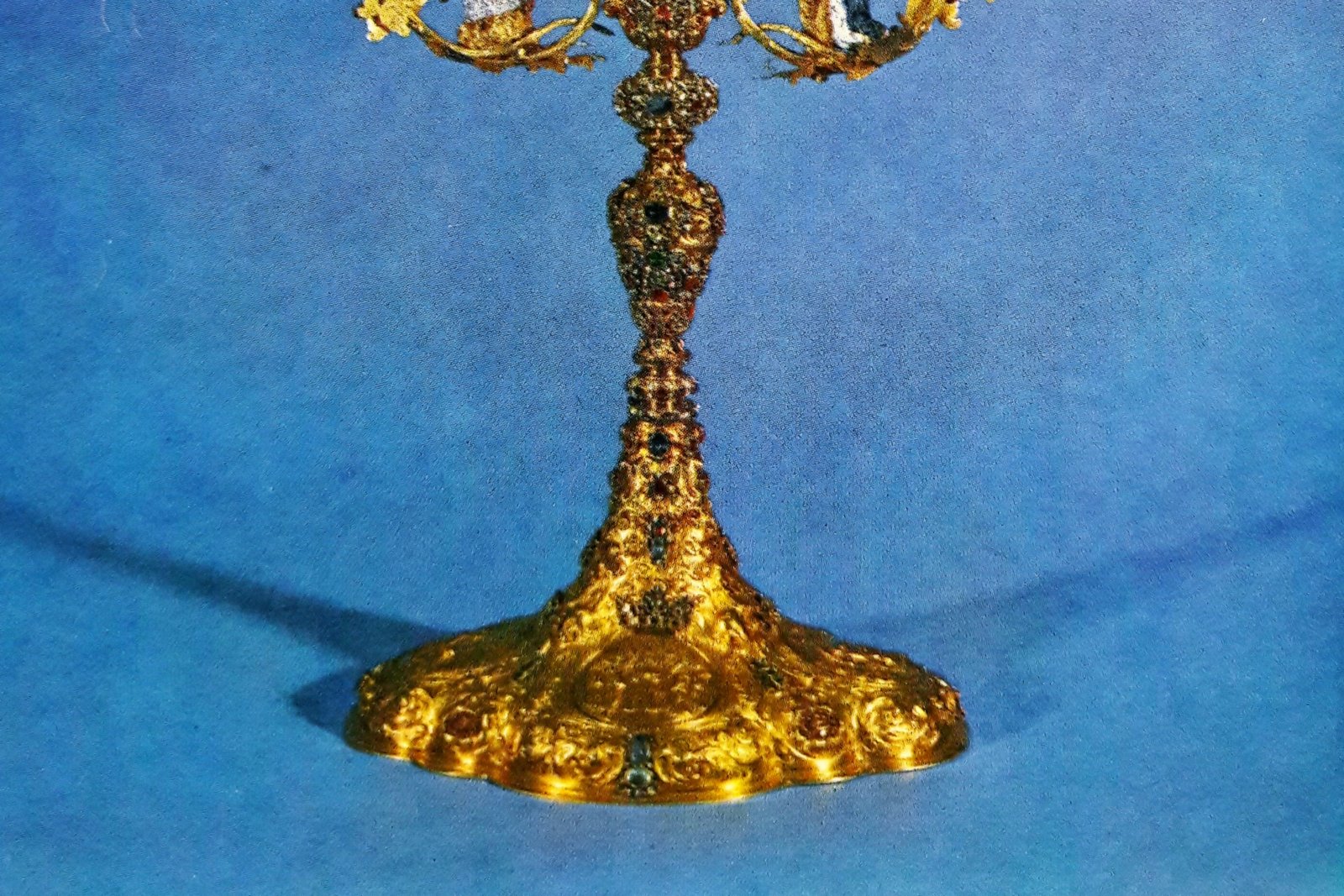
A monstrance is the ornate vessel — typically gold or gold-plated, often built around a sunburst design radiating outward from a central glass window — used to hold and display the host during exposition. Its purpose is entirely functional despite the elaborate design: the host needs to be visible from across a church so a full congregation, not just those near the altar, can see and pray before it directly. Some parishes keep a host exposed continuously in a dedicated Adoration chapel, staffed in shifts around the clock; others hold exposition for a set period — an hour, an afternoon, a full day — before returning the host to the tabernacle.
The holy hour and its roots in Gethsemane
The most common structured form of Adoration is the "holy hour," a period — traditionally about sixty minutes — set aside for prayer before the Blessed Sacrament. The name and the practice both trace back to a specific moment in the Gospels: the night before his Passion, Christ asked his disciples to stay awake and pray with him in the garden of Gethsemane, and found them asleep instead, asking, "So you could not keep watch with me for one hour?" (NABRE, Matthew 26:40). Keeping a holy hour is understood, in Catholic devotional tradition, as a way of finally answering that question in the affirmative — staying awake, attentive, present, in a way the apostles that night were not.
Devotion to the holy hour spread widely in the nineteenth and twentieth centuries, associated with figures like Saint Peter Julian Eymard, who founded a religious congregation dedicated specifically to Eucharistic adoration, and later promoted vigorously by figures such as Archbishop Fulton Sheen, who kept a daily holy hour for decades and credited it as central to his own priestly life.
What people actually do during Adoration
There's no fixed script. Some people pray the rosary in front of the exposed host; others read Scripture, sit in complete silence, or simply stay present without any particular words at all. What unites the practice isn't a specific prayer form but the posture underneath it — attentiveness to a presence the Church holds to be real, not merely symbolic or commemorative. The Catechism's language leans toward contemplation over activity: "Let us not refuse the time to go to meet him in adoration, in contemplation full of faith" (CCC 1380), treating the hour less as a task to complete and more as time given, deliberately, to simply being present.
An old instinct, still practiced
Eucharistic Adoration can look, from the outside, like one of the more unusual practices in Catholic life — kneeling before bread. But it flows directly from the same doctrine that shapes the Mass itself, just extended past the boundary of the liturgy. If the Church's central claim about the Eucharist is true, then a quiet chapel with one person kneeling in front of a monstrance on an ordinary Tuesday isn't really ordinary at all. It's the same reality Catholics profess at every Mass, held open a little longer, with nothing else scheduled to interrupt it.
Trivia
What is Eucharistic Adoration, exactly?
What is a monstrance, and why is the host displayed in one?
What is a 'holy hour,' and where does the name come from?
Do you have to be Catholic to attend Eucharistic Adoration?
What's the difference between Eucharistic Adoration and simply attending Mass?
Related Reading