What Is Eucharistic Exposition and Benediction

Worship that continues after Mass ends
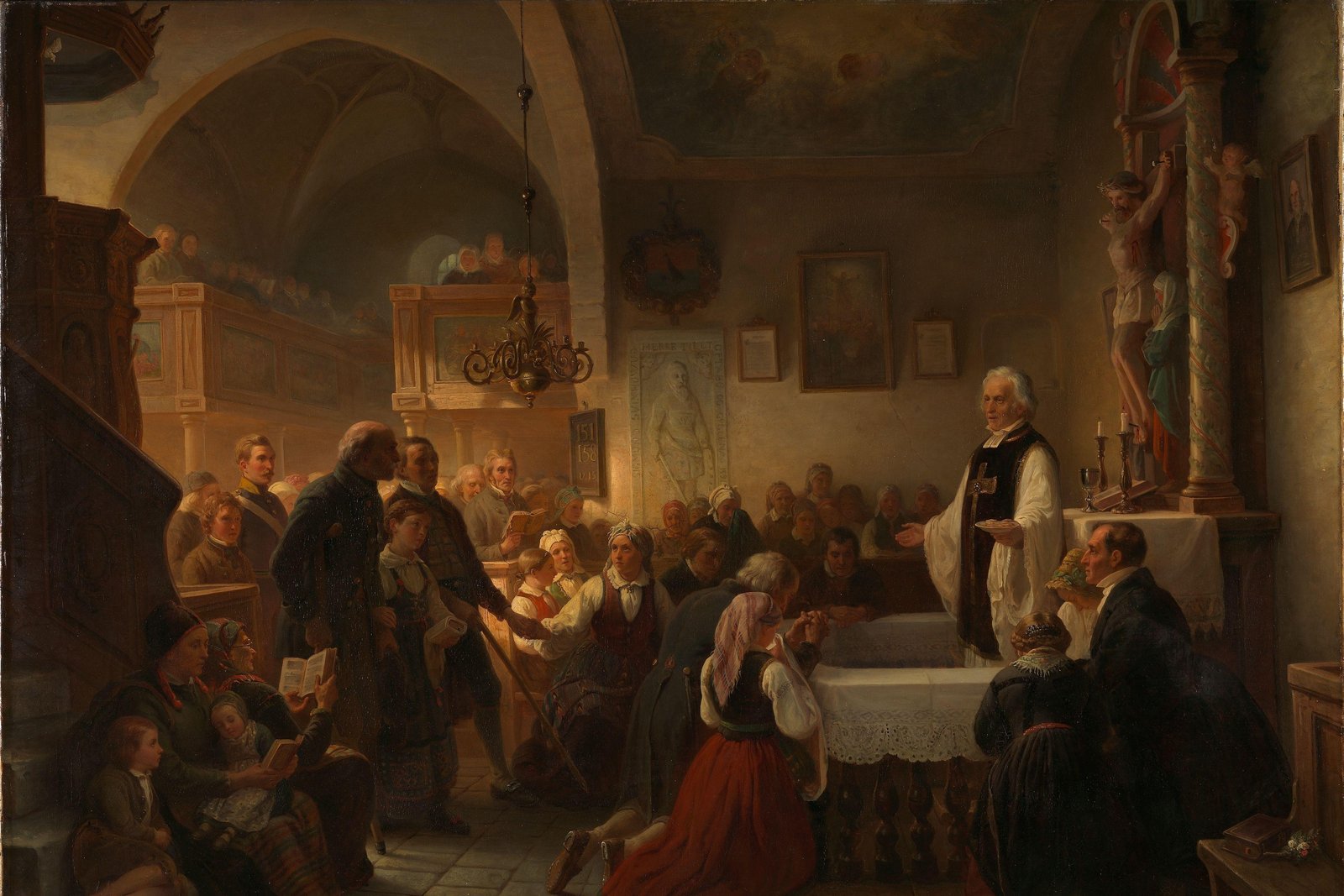
Catholic teaching holds that Christ becomes truly present under the appearance of bread and wine at Mass through the consecration, a doctrine called transubstantiation — and that this presence does not end the moment Mass concludes. The Catechism states plainly that "the Catholic Church has always offered and still offers to the sacrament of the Eucharist... the cult of adoration, not only during Mass, but also outside of it" (CCC 1378). Eucharistic adoration as a broader devotion covers all of that worship offered outside Mass; exposition and Benediction are the two specific liturgical actions that structure how it happens.
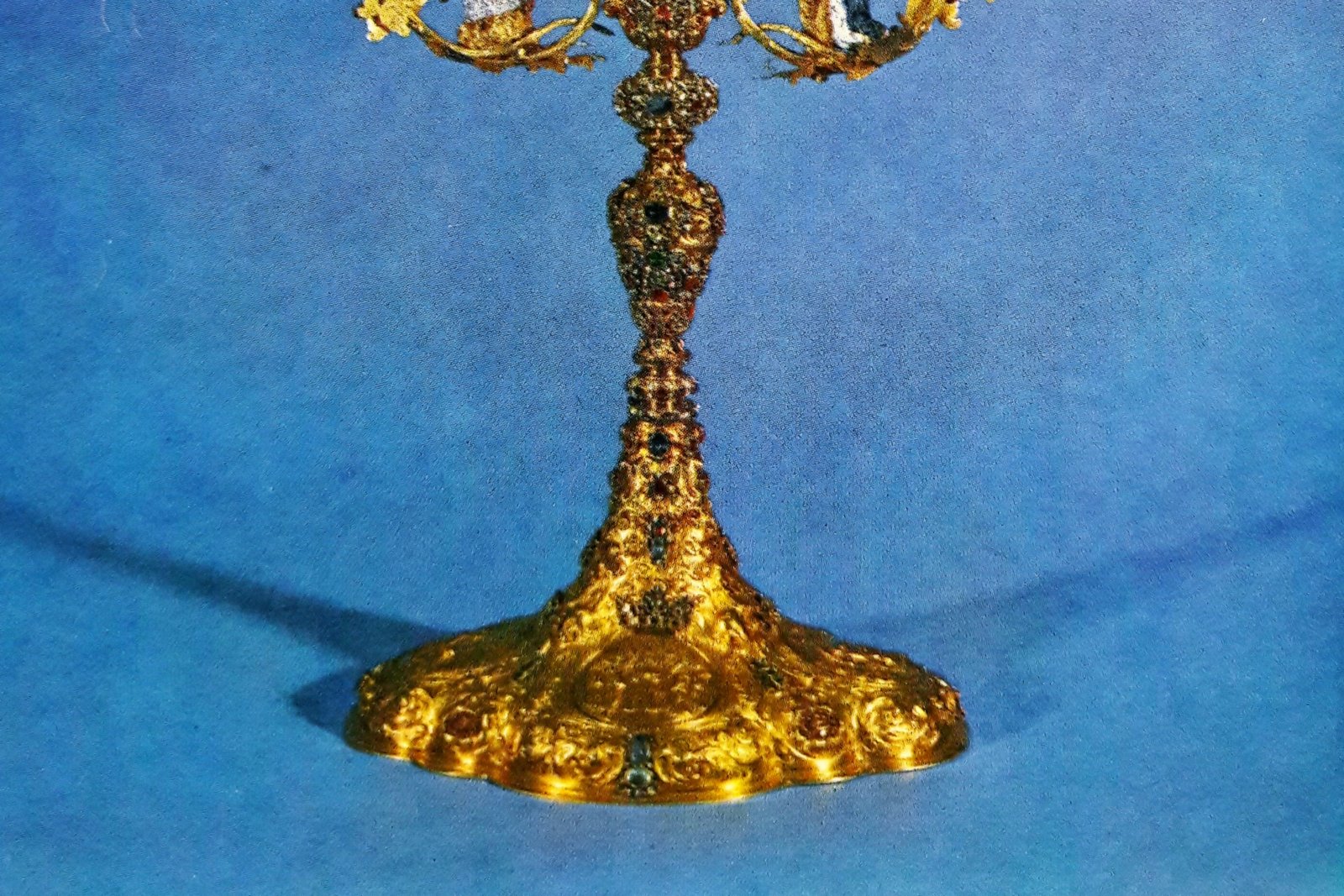
Augustyn Kordecki's monstrance, Baroque, Warsaw, c. 1665-1675 — public domain.
Exposition: displaying the host
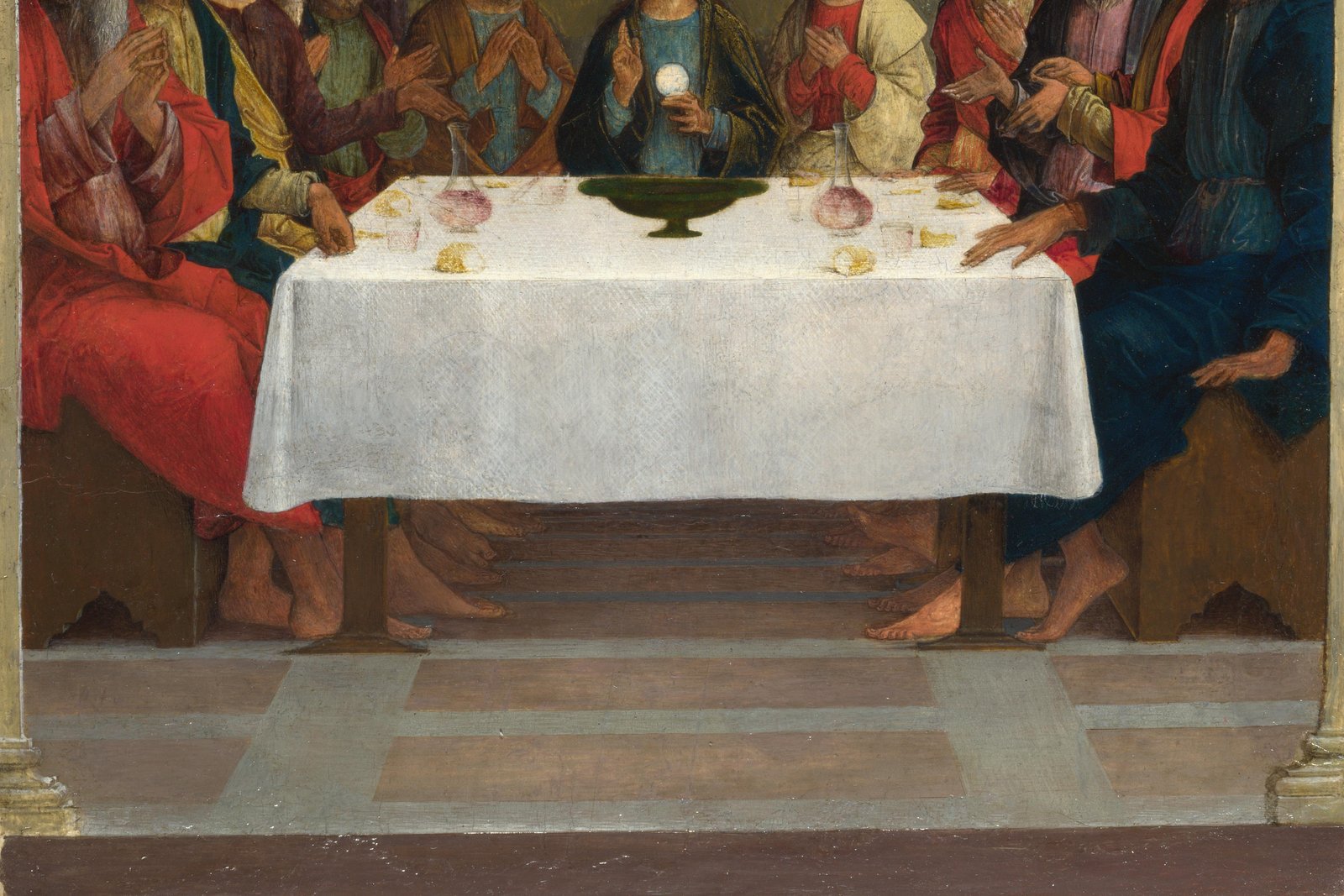
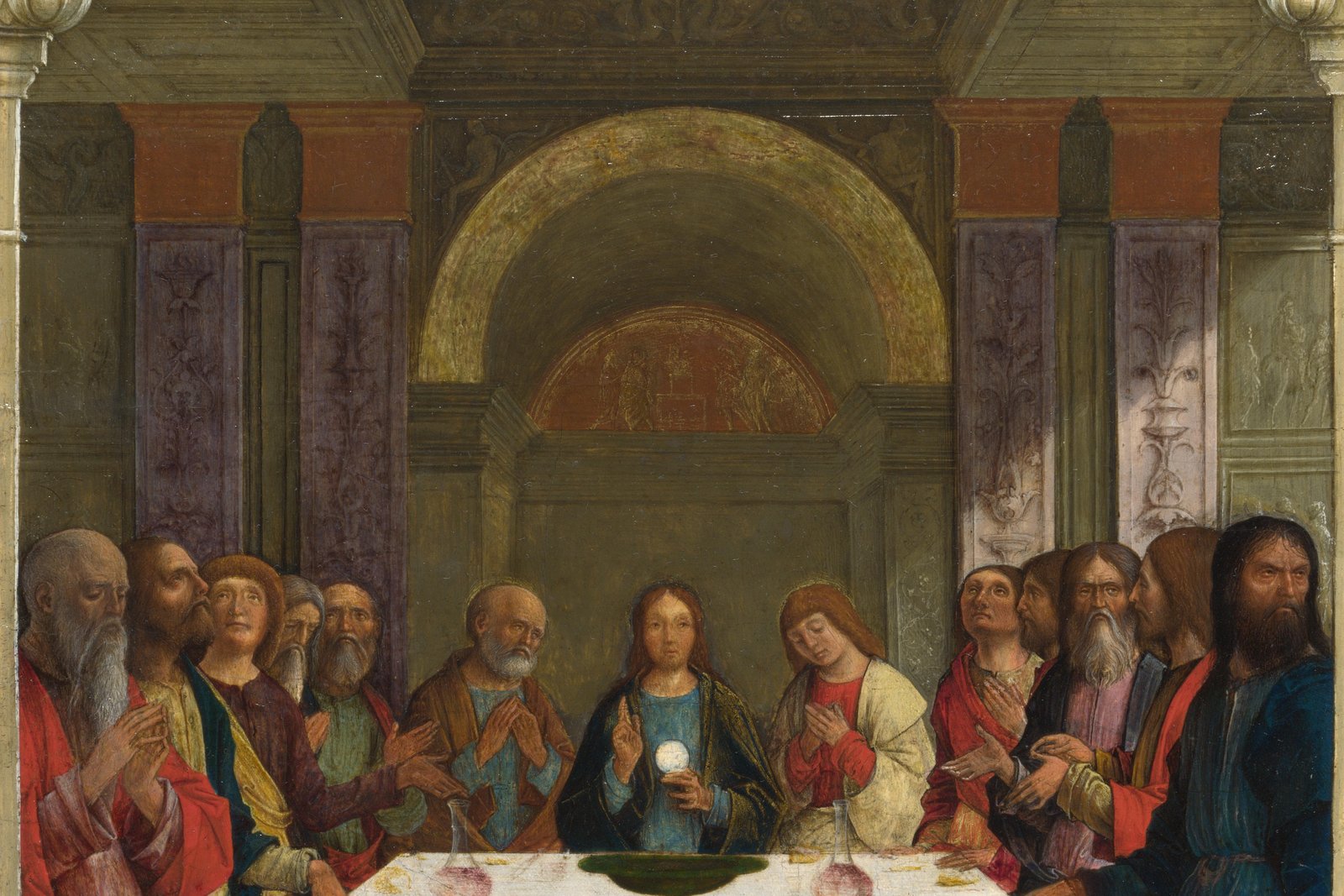
Exposition is the formal act of placing a consecrated host where the faithful can see and pray before it directly, most commonly in a monstrance — a vessel, typically gold or gold-plated, built around a glass or crystal window at its center that holds the host securely in place while keeping it fully visible. The word "monstrance" comes from the Latin monstrare, "to show," which describes its entire function precisely: not to enclose the host away from view, the way a tabernacle does the rest of the time, but to display it openly for a period of dedicated prayer.
A priest or deacon formally exposes the host at the start of a period of adoration, typically placing the monstrance on the altar, sometimes within a raised structure called a throne, and the period of exposition can last anywhere from a brief holy hour to, in parishes with the resources to sustain it, continuous perpetual adoration, with volunteers signed up to ensure someone is always present in prayer whenever the host is exposed.
What happens during a holy hour
There's no single required format for prayer during exposition — some parishes hold structured holy hours with readings, hymns, and periods of guided reflection; others simply offer silent, unstructured time for personal prayer before the exposed host. Common devotional additions include praying the Rosary, the Chaplet of Divine Mercy, or reciting traditional Eucharistic hymns such as O Salutaris Hostia and Tantum Ergo, both excerpted from longer Latin hymns written by Saint Thomas Aquinas in the 13th century for the feast of Corpus Christi.
Benediction: the silent blessing
Benediction is the formal rite that concludes a period of exposition. Before lifting the monstrance, the priest or deacon puts on a humeral veil — a wide, often ornately decorated cloth wrapped around the shoulders and covering the hands — a specific gesture of reverence signifying that he is not acting in his own name or by his own authority in what follows. He then lifts the monstrance and traces the sign of the cross over the congregation in complete silence.
This silence is deliberate and theologically significant: the blessing given at Benediction is understood not as coming from the minister personally, the way a priest's ordinary blessing does, but as coming directly from Christ, sacramentally present in the Eucharist itself. The minister is simply the instrument through which that blessing is extended — which is exactly what the veiled hands are meant to signify.
A devotion with deep medieval roots
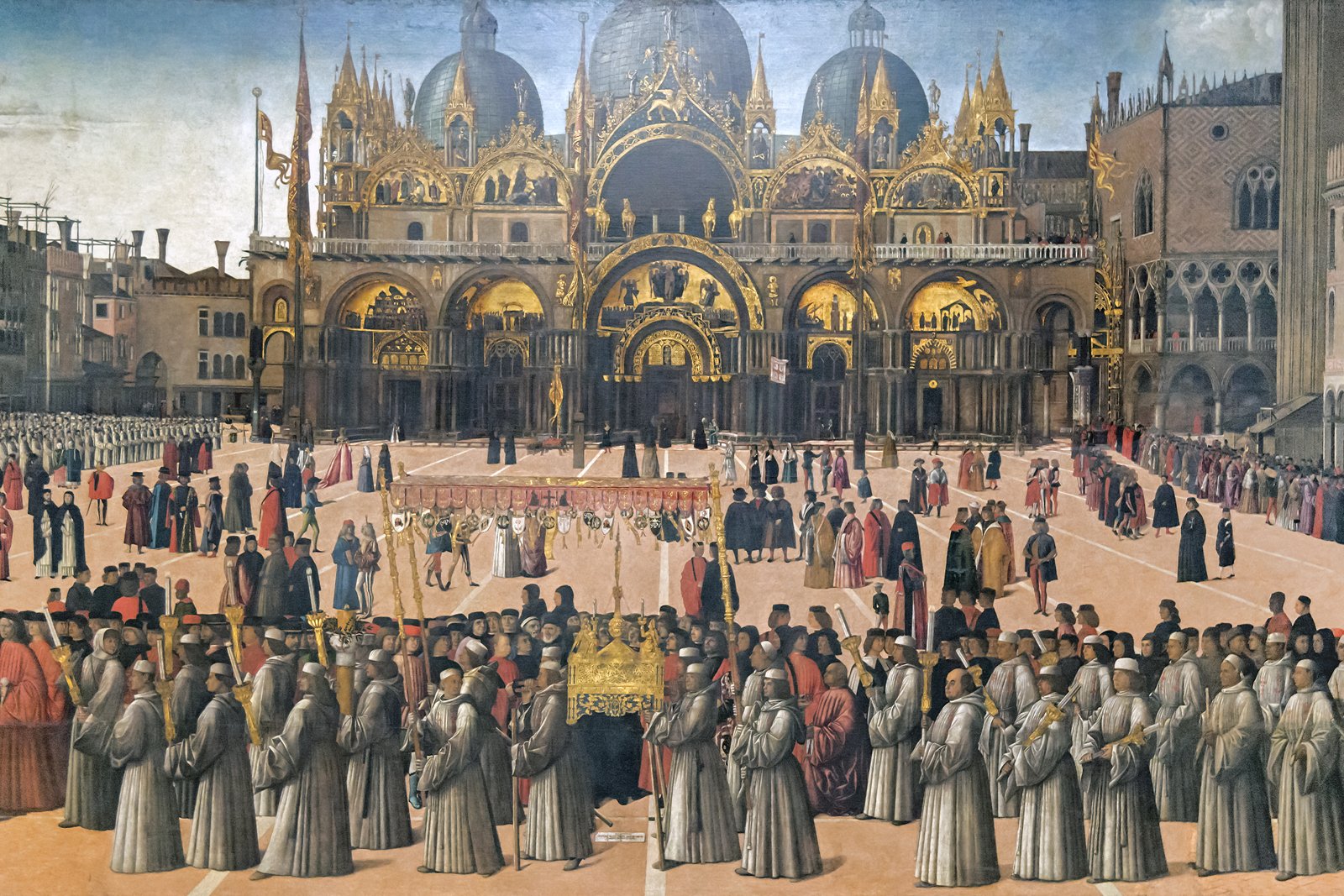
Formal Eucharistic exposition and Benediction as a structured devotion developed significantly during the medieval period, closely tied to the growth of the feast of Corpus Christi, established in 1264 by Pope Urban IV specifically to celebrate belief in Christ's real presence in the Eucharist. Processions carrying the consecrated host through town streets on Corpus Christi, still practiced in many Catholic communities today, share the same underlying theological logic as exposition in a church: making Christ's Eucharistic presence visible and available for public veneration, not confined only to the moment of Mass itself.
From private visits to solemn public rites
Exposition itself comes in different degrees of solemnity, and the distinction shapes what a visitor actually sees. Private exposition — sometimes called exposition in a ciborium or a simpler ostensorium, depending on the vessel used — is a lower-key form used for brief periods of adoration, sometimes without the full ceremony of incense and processional candles. Solemn exposition, by contrast, is reserved for major occasions, such as the feast of Corpus Christi or the Forty Hours Devotion (a tradition, formalized in the 16th century and still practiced in many parishes, of continuous exposition across forty hours meant to recall the time Christ's body lay in the tomb), and calls for the full monstrance display, sacred vestments, and often a procession carrying the host through the church or, on Corpus Christi, through the surrounding streets. Both forms rest on the identical theology of Christ's real presence; the difference lies entirely in the scale and ceremony surrounding it, not in what is actually happening at the altar.
Reverence carried into ordinary parish life
Today, exposition and Benediction remain a regular part of parish devotional life in many Catholic communities, whether through scheduled monthly holy hours, First Friday devotions, or full-time perpetual adoration chapels that some parishes maintain with round-the-clock volunteer coverage. For many Catholics, the appeal lies precisely in its contrast with the more structured rhythm of the Mass — an open, largely silent stretch of time meant simply for sitting, kneeling, or praying in the visible presence of the Eucharist, closed each time by that same wordless blessing.
Trivia
What is the difference between Eucharistic exposition and Eucharistic adoration?
What is a monstrance, and why is the host displayed inside it?
What happens during Benediction specifically?
Why does the priest wear a veil over his hands during Benediction?
Can any Catholic attend Eucharistic exposition, or is it only for clergy and religious?
Related Reading