How to Go to Confession: A Practical Step-by-Step Guide

What Confession actually is
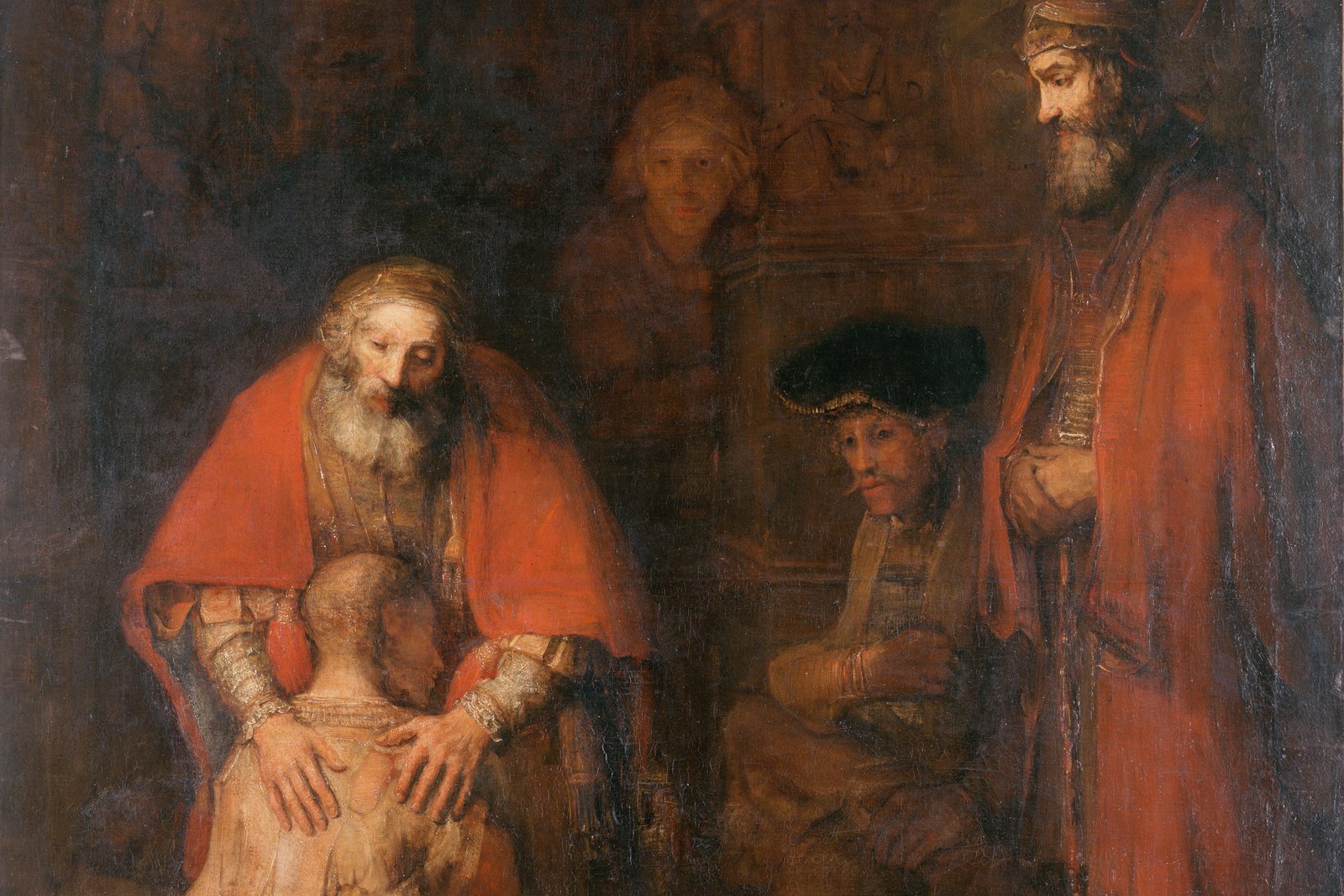
The Catechism describes the Sacrament of Penance as the way Christ gave the Church to reconcile sinners after Baptism — not a courtroom, and not a performance of guilt, but what it calls a return, a homecoming to a Father who has been waiting (CCC 1422-1424, drawing on the parable of the Prodigal Son). Catholics also call it Reconciliation, and both names point at the same reality: something broken between a person and God, and between that person and the Church, being set right again through a real, sacramental encounter rather than a private feeling of being forgiven.
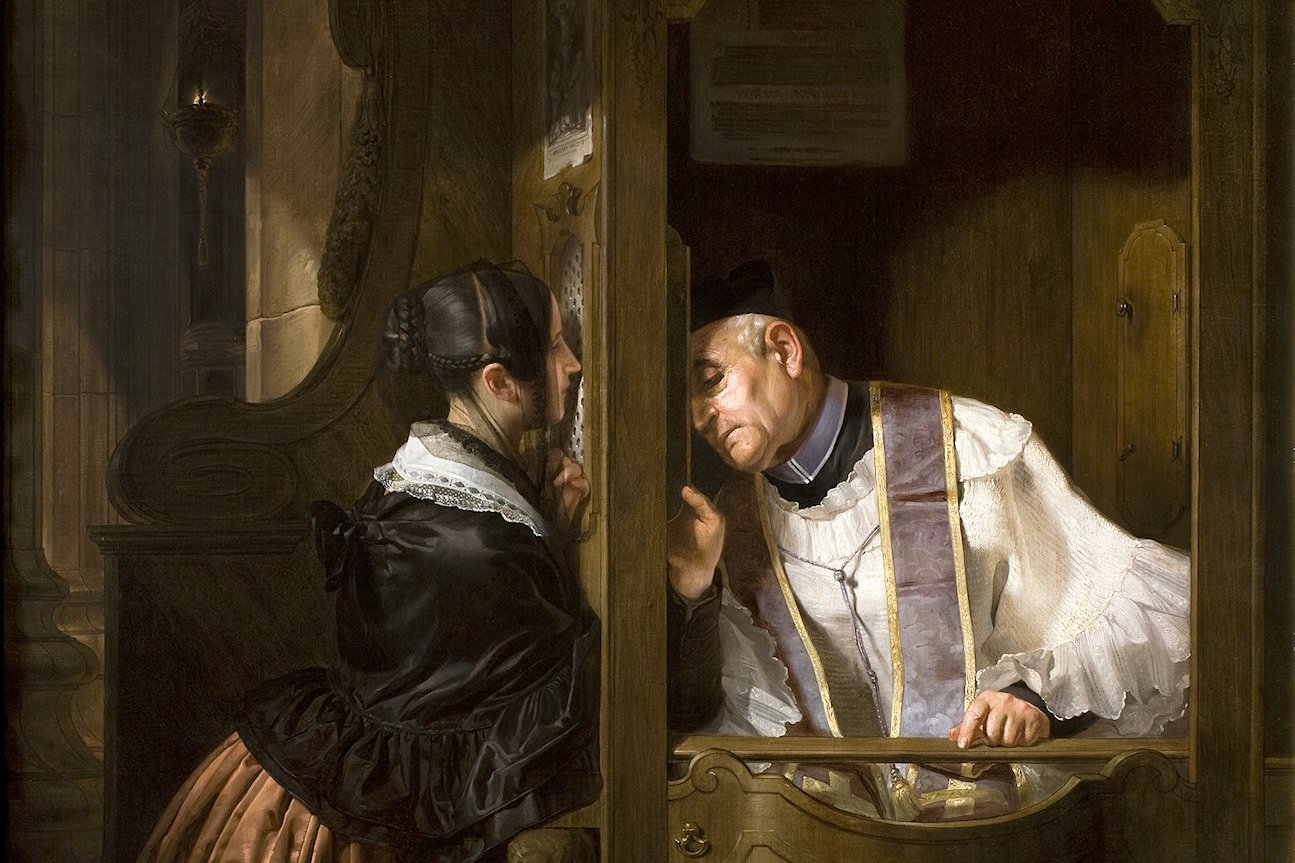
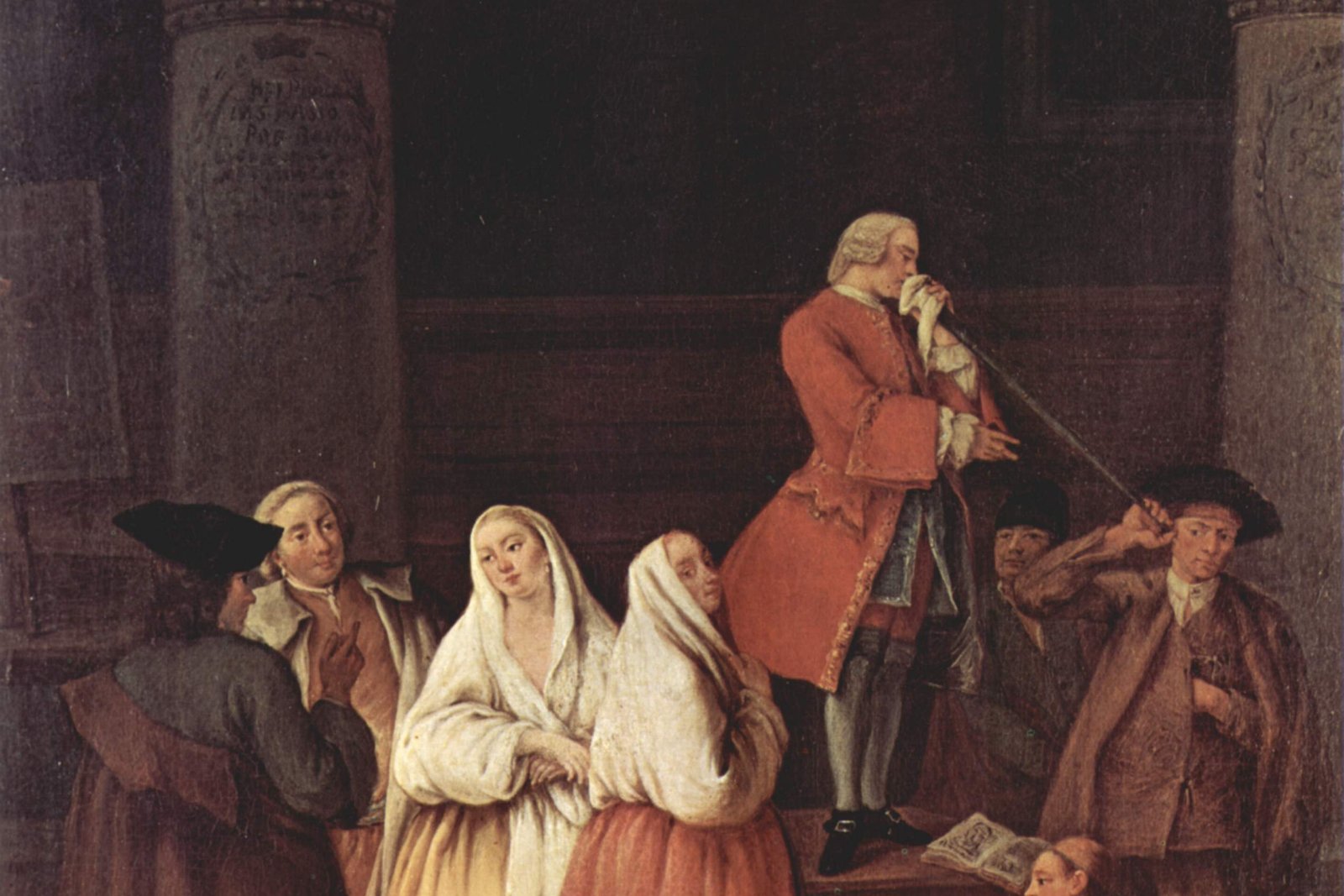
Painting of a penitent at the confessional — public domain.
That framing matters because so much of the anxiety around Confession comes from imagining it as an interrogation. It isn't. The priest is there as a minister of mercy, bound by one of the strictest confidentiality obligations in the entire Church — the seal of confession, which forbids him from ever revealing anything said there, to anyone, under any circumstance, without exception.
Step one: examination of conscience
Before ever walking into the confessional, take some quiet time — ten minutes is enough — to honestly review your actions, thoughts, and omissions since your last Confession. Many parishes and prayer books offer a printed examination of conscience structured around the Ten Commandments or the seven deadly sins as a starting checklist; using one isn't required, but it helps surface things a purely free-form review might skip past. The goal isn't a flawless inventory — it's honesty, not completeness down to the last detail.
Step two: entering and beginning
Confession can typically be made face-to-face or behind a screen, whichever a person prefers where the parish offers both; neither option changes the sacrament itself. The traditional opening is: "Bless me, Father, for I have sinned. It has been [however long] since my last confession." If it's been years, or the opening line is simply forgotten, saying so plainly — "I don't remember how this starts" — is common enough that no priest will be caught off guard by it.
Step three: confessing
From there, name the sins as clearly and specifically as you reasonably can, without turning it into a long narrative of everyone else involved. "I lost my temper with my spouse several times this month" says what's needed; the surrounding argument's details usually don't. The priest may ask a clarifying question or two, and may offer brief guidance or encouragement — this part of the conversation is meant to be pastoral, not adversarial.
Step four: the Act of Contrition
Near the end, the penitent prays an Act of Contrition, expressing sorrow for sin and the intention to avoid it going forward. A traditional English version runs: "O my God, I am heartily sorry for having offended Thee, and I detest all my sins, because I dread the loss of heaven and the pains of hell, but most of all because they offend Thee, my God, who art all good and deserving of all my love. I firmly resolve, with the help of Thy grace, to sin no more, and to avoid the near occasions of sin." Several other traditional and contemporary versions exist, and most confessionals keep a printed card with the words on hand — there is no single mandatory wording, and expressing the same sorrow in your own words is entirely valid if the formal text isn't at hand.
Step five: absolution
The priest then pronounces absolution, the sacramental words through which the Church teaches that sins are truly forgiven. The Catechism describes this forgiveness as a real reconciliation with God accomplished through the sacrament, not merely a symbolic gesture (CCC 1449, 1468) — the moment the entire process has been building toward.
Step six: penance
Before leaving, the priest assigns a penance — often a specific prayer, but sometimes an act of charity or reparation suited to the situation. This isn't a punishment measured against the sin's severity; the Catechism describes penance as a way of beginning to repair the harm caused by sin and of practicing conversion going forward (CCC 1459-1460). Completing it afterward, whenever convenient, closes out the sacrament.
For someone who hasn't been in years
If it's been a long time, say so at the start — "It has been [X years] since my last confession" is a completely ordinary sentence in a confessional, not an admission of some special failure. Priests hear it constantly and will typically walk a returning penitent through each step patiently, prompting as needed rather than expecting a flawless, textbook-perfect delivery.
The Church's actual minimum requirement is modest: confession of grave (mortal) sin at least once a year, and specifically before receiving Communion while conscious of unconfessed mortal sin (CCC 1457). Beyond that floor, frequent confession — even monthly — is recommended as spiritually beneficial for continuing to grow, not because venial sin alone requires it (CCC 1458). Nobody is expected to arrive with a perfect list or a polished delivery. The sacrament exists precisely for people who are, by definition, not perfect — and the discomfort of walking in tends to fade quickly against the relief of walking back out.
Trivia
What do I actually say when I go into the confessional?
How often does the Catholic Church require Confession?
Is everything I say in Confession kept completely secret?
What is the Act of Contrition and do I have to memorize it exactly?
What happens if I forget to confess a sin?
Related Reading