Why Do Catholics Confess Their Sins to a Priest?

The scene the practice traces back to
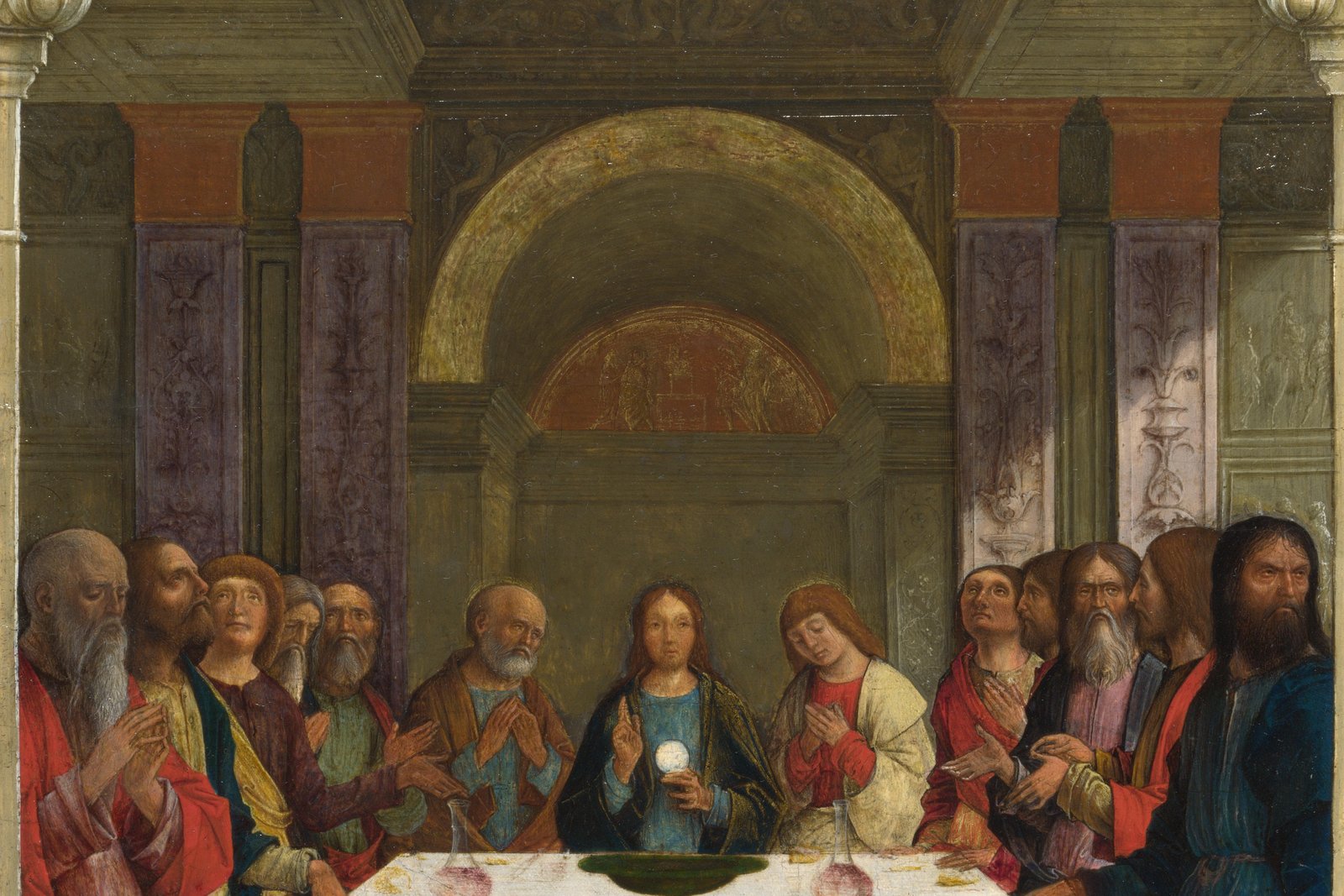
On the evening of the resurrection, according to John's Gospel, Jesus appeared to his apostles behind locked doors, said "Peace be to you," and then did something specific and startling: "And when he had said this, he breathed on them and said to them, “Receive the holy Spirit. Whose sins you forgive are forgiven them, and whose sins you retain are retained." (Douay-Rheims, John 20:22-23). Catholic teaching reads this moment as the direct institution of a real authority — not a metaphor about general kindness or encouragement, but a specific commission to forgive or withhold forgiveness of sins, given to the apostles as a group and, by extension, to their successors in ordained ministry.
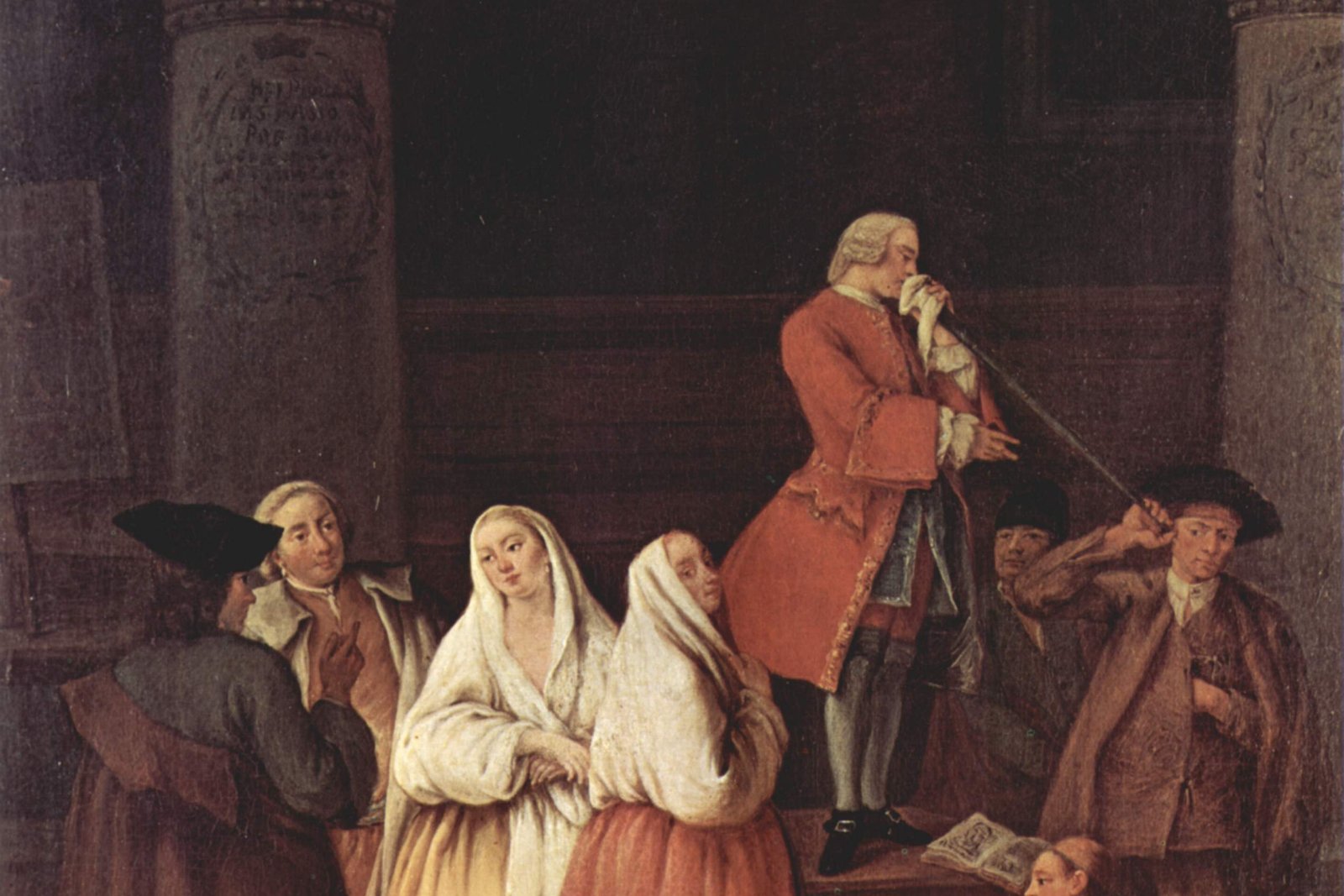
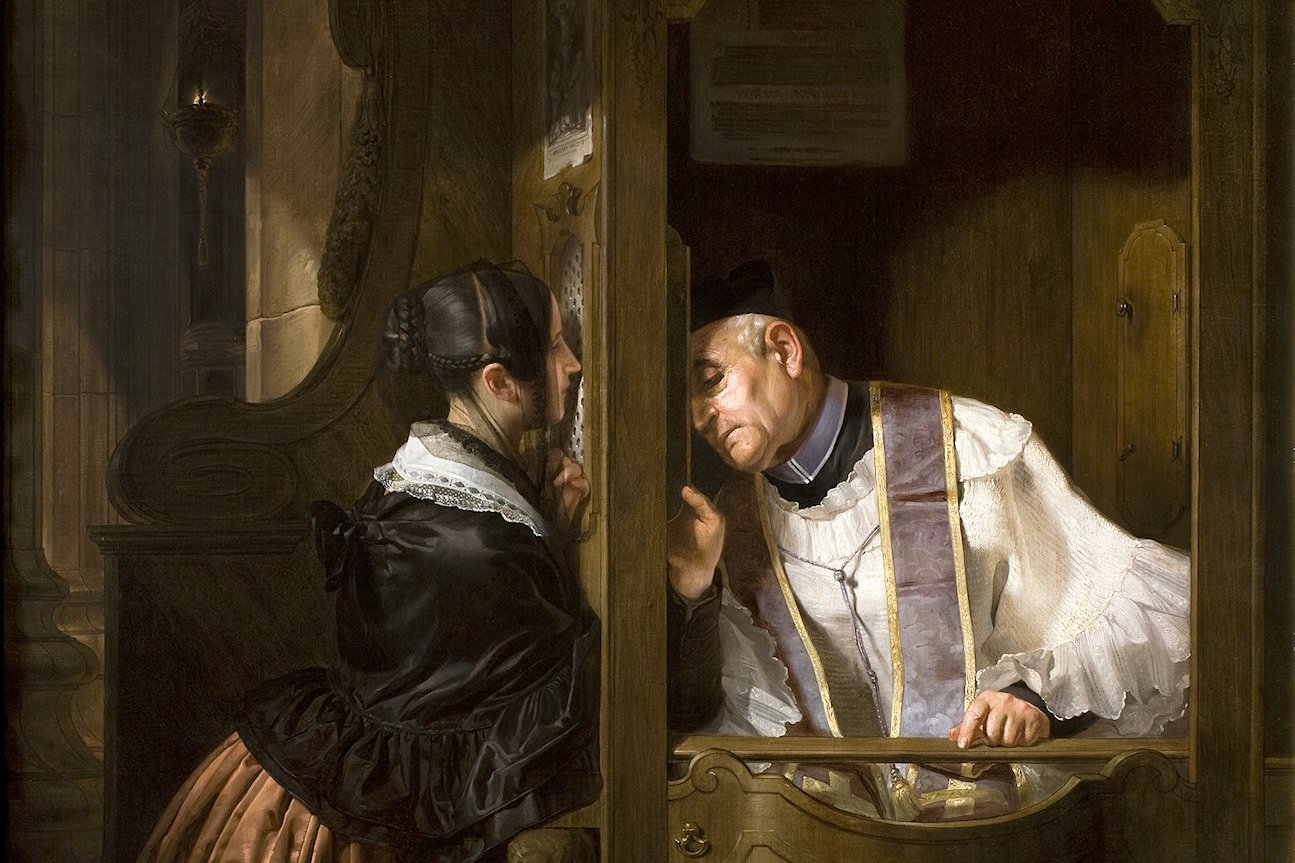
Pietro Longhi, The Confession, c. 1750 — public domain.
That's the entire theological foundation for confessing to a priest rather than exclusively in private prayer: if Christ genuinely handed the apostles a concrete authority to forgive sins in his name, then the Church holds that the ordinary way to receive that forgiveness is through the ministers who carry that authority forward — priests, ordained through the sacrament of Holy Orders as the apostles' successors. For the practical mechanics of what actually happens in the confessional, see How to Go to Confession, which walks through each step.
"Only God forgives sin" — so what is the priest doing?
It's worth stating plainly, because it's often assumed otherwise: the Catholic Church does not teach that priests forgive sins by their own personal power. The Catechism is direct about this: "Only God forgives sin" (CCC 1441). What the priest does, according to Catholic theology, is act in persona Christi — literally "in the person of Christ" — exercising, as a minister and instrument, the authority Christ himself instituted and continues to exercise through the sacrament. The priest isn't a substitute for God in the confessional; he's understood as the visible channel Christ chose for an invisible reality, the same way water poured at baptism is the visible sign of an invisible spiritual rebirth.
This matters because it reframes the whole objection about "going through" a human being. Catholics aren't taught that a priest's personal holiness, wisdom, or moral standing has anything to do with the validity of the absolution given — a struggling, imperfect priest confers the same sacramental forgiveness as a saintly one, because the effectiveness rests on Christ's institution, not the minister's character.
Why a visible, spoken act instead of a private feeling
Sin, in Catholic theology, isn't understood as merely a private matter between an individual and God. The Catechism describes it as also damaging communion with the Church — the wider body of believers a person belongs to (CCC 1440). Because of that double effect, reconciliation is understood to need a double restoration: with God, and with the community of faith. A private internal feeling of sorrow, however sincere, doesn't visibly and concretely accomplish that second restoration the way a real sacramental act, involving another person acting on the Church's behalf, does.
There's also a psychological and spiritual honesty to speaking sin aloud that many who practice regular Confession describe as genuinely different from private reflection. Naming a specific failure to another human being, out loud, tends to resist the mind's natural tendency to soften, rationalize, or vaguely gesture at wrongdoing rather than name it precisely — which is part of why the Church asks penitents to confess sins "according to kind and number" as best they can recall, rather than in generalities (CCC 1456).
The seal that makes it possible
None of this would be spiritually workable without an absolute guarantee of confidentiality, and the Church treats that guarantee with extraordinary seriousness. Canon law and the Catechism both describe the "seal of confession" as binding every priest to "absolute secrecy" about anything learned in the confessional, a secret that "admits of no exceptions" — the priest cannot reveal it to protect his own reputation, cannot use it in any other context, and cannot be compelled by any civil authority to break it (CCC 1467). Historically, priests have gone to prison and even been martyred rather than violate the seal, which is part of why Catholics can approach Confession with total candor about even their most serious failings.
A different reading than "going around" God
Framed this way, confessing to a priest isn't an alternative route to God that bypasses him, or a human intermediary inserted where none belongs. It's presented, within Catholic theology, as the specific means Christ himself established — spoken aloud, witnessed, and sealed by an authority he conferred on the apostles that first Easter evening. Continuing to confess privately to God in ordinary prayer remains entirely normal alongside sacramental Confession; the two aren't in competition. What Confession to a priest adds, in Catholic belief, is the concrete, audible, and communal dimension of a forgiveness the Church holds to be real and effective — not a substitute for reaching God, but what it considers the very way Christ chose to be reached.
Trivia
Can't Catholics just confess their sins directly to God?
Where does the Bible say priests can forgive sins?
Does the priest forgive sins with his own power?
Is everything said in Confession kept absolutely secret?
Why not just feel sorry privately instead of confessing out loud?
Related Reading