Mortal Sin vs. Venial Sin: What's the Difference?

A distinction about weight, not just wrongdoing
Every moral tradition recognizes that some wrongs are worse than others — stealing a pen is not the same as stealing a car, and Catholic teaching builds an entire structure of consequence on top of that basic intuition. The Church doesn't teach that some sins simply don't matter. It teaches that sins differ in how deeply they damage a person's relationship with God, and that this depth of damage is precisely what separates the "mortal" (from the Latin mors, death) from the "venial" (from venia, pardon or forgiveness).
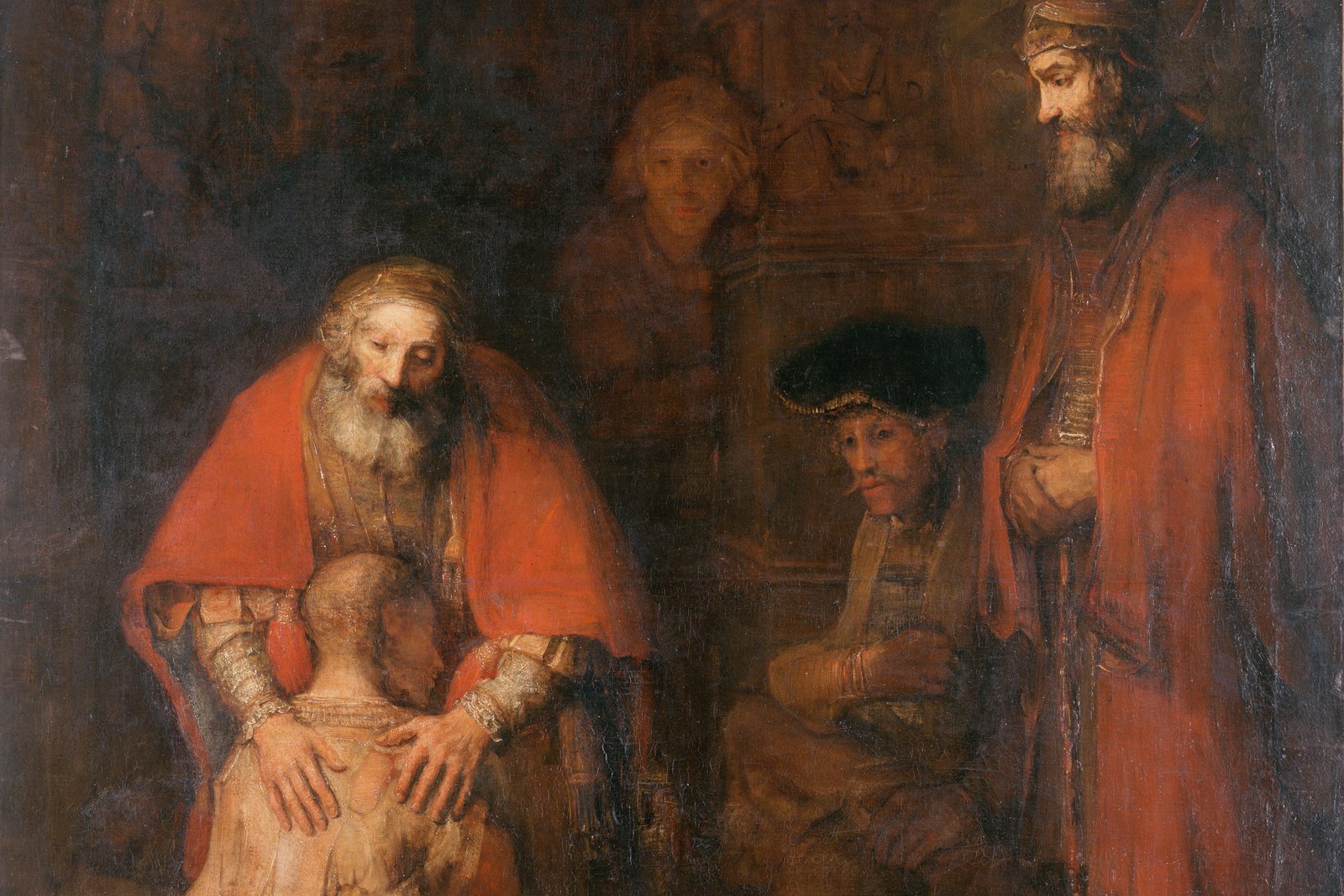
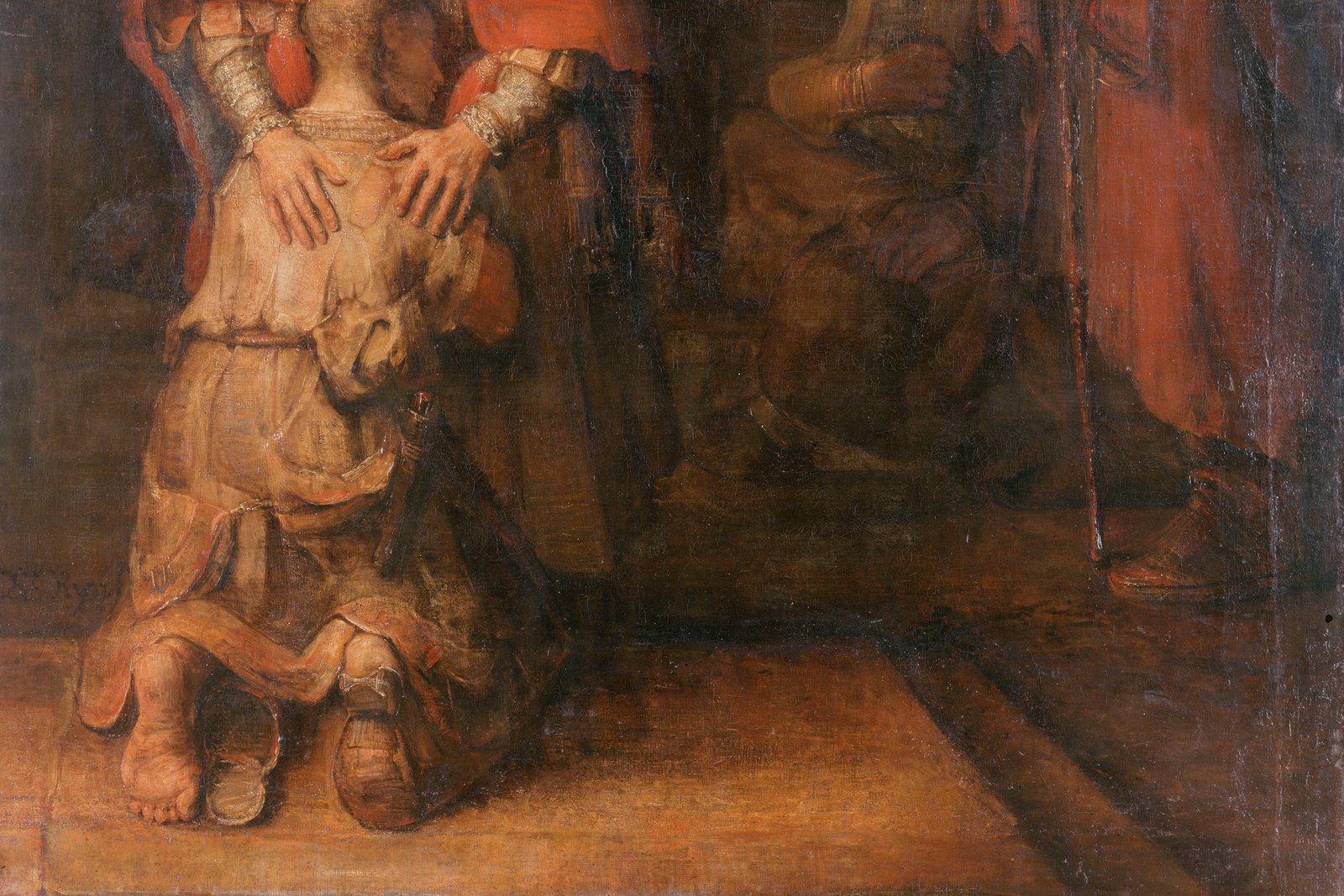
Rembrandt van Rijn, The Return of the Prodigal Son, c. 1668, State Hermitage Museum, St. Petersburg — public domain.
The image the Catechism uses is instructive: venial sin is described as wounding the soul's friendship with God without destroying it, the way an argument might strain a friendship without ending it. Mortal sin, on the other hand, is described as severing that friendship altogether — a rupture serious enough that, left unaddressed, it forfeits the state of grace entirely (Catechism, 1855).
The three-part test
What makes a sin mortal isn't a fixed list somewhere in the Catechism — it's a test with three conditions, all of which have to be true at once (Catechism, 1857):
Grave matter. The act itself has to be objectively serious. The Church has traditionally used the Ten Commandments as a starting reference point for what counts as grave matter — actions like murder, adultery, or grave theft — though the tradition recognizes gravity exists on a spectrum even within categories (stealing a small amount is not equivalent to stealing a fortune, for instance).
Full knowledge. The person has to actually understand, at the time of the act, that what they're doing is seriously wrong. Genuine ignorance of an act's gravity — not a convenient excuse invented after the fact, but real ignorance — reduces or removes this condition.
Full consent. The act has to be freely and deliberately chosen, not the result of overwhelming external pressure, fear, habit that has significantly eroded free will, or a compromised state that genuinely limits a person's capacity to choose.
If even one of these three conditions is absent, the sin remains venial, however serious the act might look from the outside. This is why the Church has always resisted turning the mortal/venial line into a simple checklist of specific acts — the same external action can, in different circumstances, fall on either side of the line, because knowledge and consent are internal realities the Church leaves, ultimately, to God's judgment and to the honest examination of the person's own conscience.
Why the distinction isn't just theological hairsplitting
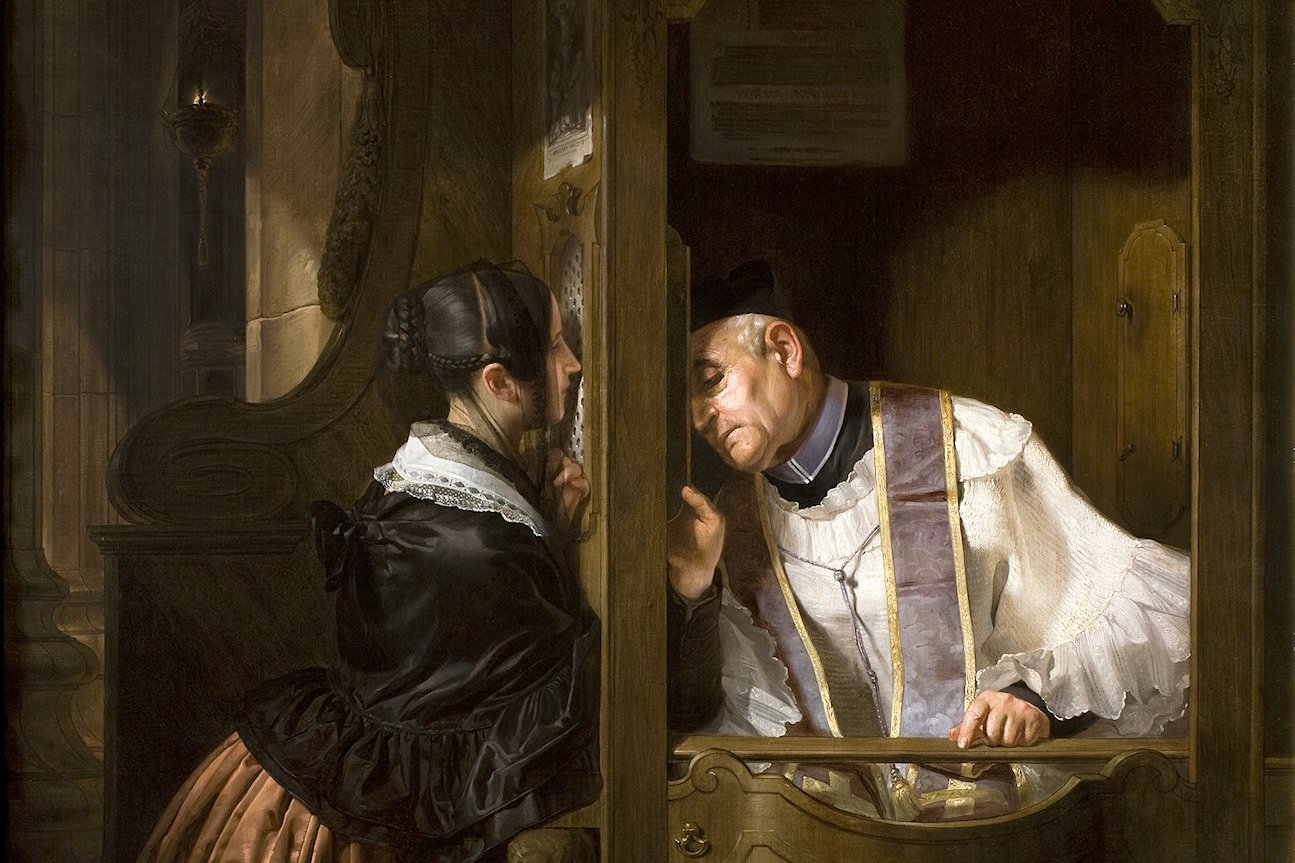
This isn't an abstract classification exercise — it shapes real practice. A person conscious of unconfessed mortal sin is asked to refrain from receiving Communion until going to confession, precisely because Communion is understood as a sign and deepening of a friendship with God that mortal sin has broken. Venial sin doesn't carry that same restriction, though the Church still encourages confessing it regularly as an ordinary part of spiritual growth, not a crisis measure.
The distinction also protects against two opposite errors. One is treating every fault as catastrophic — a kind of scrupulosity that turns minor failings into occasions of despair. The other is treating nothing as serious — a flattening that makes murder and mild irritability morally equivalent, which the Catholic tradition has never accepted. The mortal/venial framework exists precisely to hold both realities at once: sin is real and matters, and not all sin carries the same weight.
A biblical root, not a later invention
The Church didn't invent this two-tier structure out of nowhere; theologians have long pointed to 1 John 5:16-17, which draws a line between "sin that leads to death" and "sin that does not lead to death," as an early scriptural seed for the distinction. The precise theological vocabulary of "mortal" and "venial" developed over centuries, especially through the work of figures like St. Augustine and later St. Thomas Aquinas, but the underlying instinct — that some sins sever and some sins merely wound — traces back to the earliest Christian reflection on 1 John's language.
Living with the distinction
Understanding where a given fault falls isn't always simple, and the Church doesn't ask individuals to play judge over their own soul with clinical precision. What it does ask is honest self-examination: was this something seriously wrong, did I know that, and did I really choose it freely? That's the same three-part test the Church itself uses, turned inward — a framework meant less for scorekeeping and more for the ongoing, lifelong work of growing in relationship with God, one honest reckoning at a time. It's the same logic behind the Ten Commandments themselves being read today not as an arbitrary rulebook, but as a map of what actually damages that relationship most.
Trivia
What is the actual difference between a mortal sin and a venial sin?
What three conditions must be present for a sin to be mortal?
Does every serious sin automatically count as mortal?
Do Catholics need to confess venial sins in confession?
Where does this distinction come from in Scripture?
Related Reading