Raising Children in the Catholic Faith: Principles and Practical Tips

The dog-at-heaven question
There's no seminar that prepares a parent for the exact moment a small child asks whether the family dog goes to heaven, or why God let grandma die, or whether the kid down the street who isn't Catholic is "going to be okay." What the Catholic tradition offers isn't a script for those moments — it's a framework for who's actually responsible for them, and it names the parents, not the parish religious ed program, not the Catholic school, not even the parish priest.
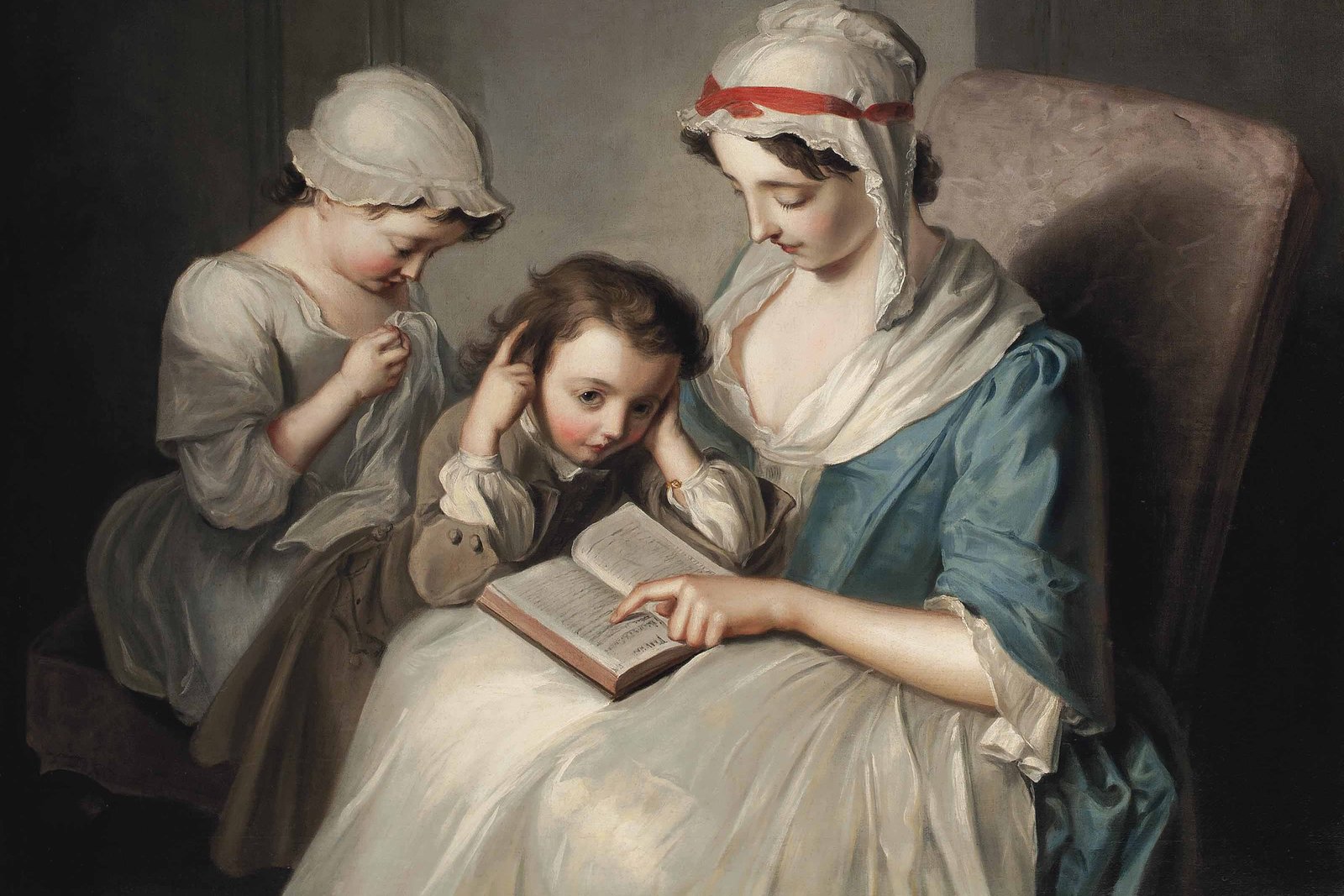
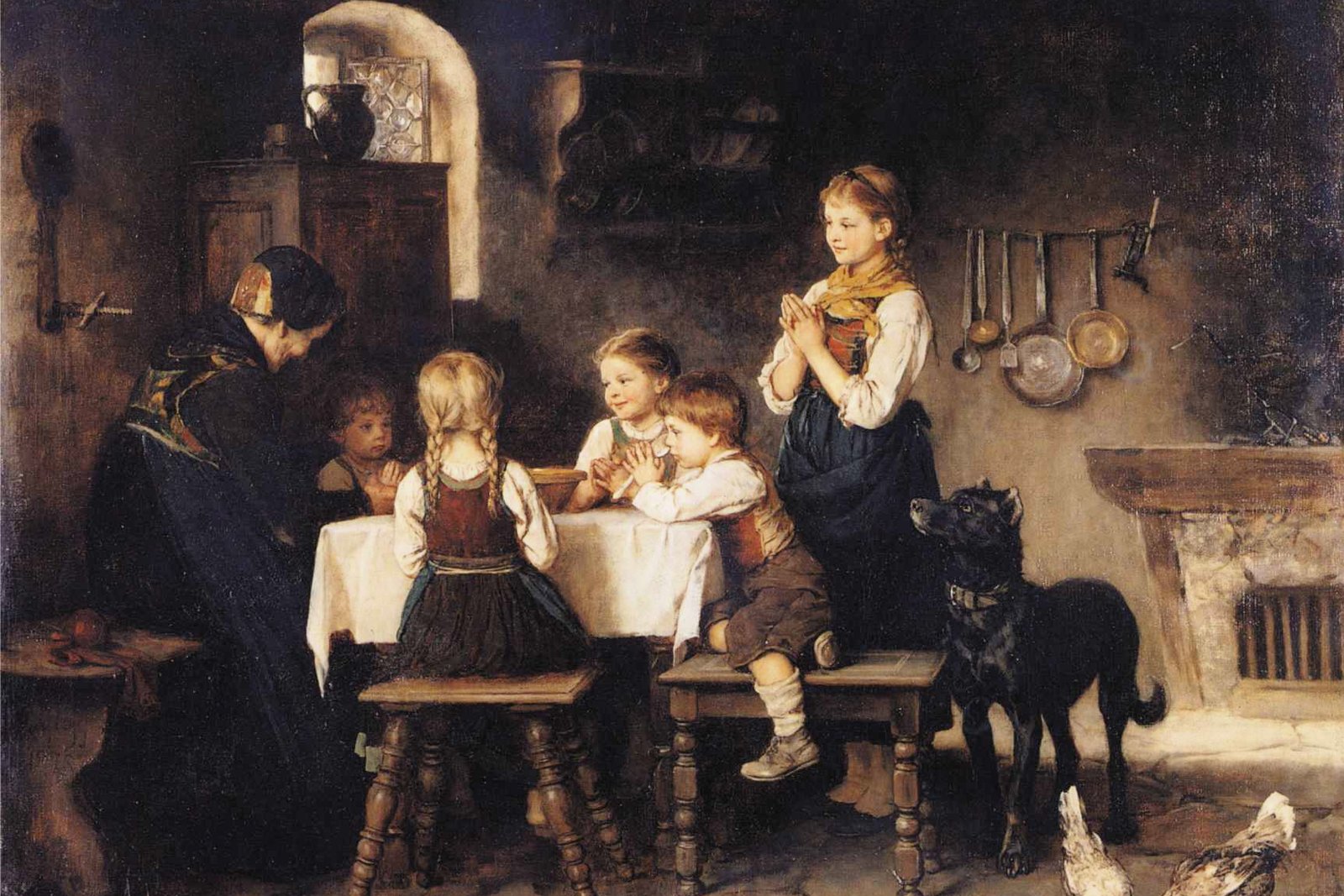
Philippe Mercier, The Bible Lesson (L'Instruction Maternelle), 18th century — public domain.
Parents as the first and foremost educators
The Catechism states plainly that parents are "the first heralds of the faith" for their children, with a right and duty that is "original and irreplaceable" (CCC 2225), language drawn directly from Pope John Paul II's apostolic exhortation Familiaris Consortio (no. 36). That word "irreplaceable" is doing real work — the Church isn't saying parents should be the main teachers if convenient; it's saying no institution, however good, can substitute for what happens (or doesn't happen) in ordinary family life. A child who attends excellent Catholic school religion classes but sees faith treated as irrelevant at home absorbs the second lesson more than the first.
The family as domestic church
The Church has a specific term for this: the family as the "domestic church" (CCC 1655-1666). It's not a metaphor stretched thin — the Catechism means it fairly literally, describing the family as the place where children receive their first proclamation of the faith and learn, through the rhythms of ordinary life, what prayer, forgiveness, and self-giving love actually look like practiced daily rather than talked about abstractly. A home where grace is said before meals, where a parent apologizes to a child after losing their temper, and where someone is missed and prayed for after a death is functioning as a domestic church whether anyone in it uses that phrase or not.
What this looks like day to day
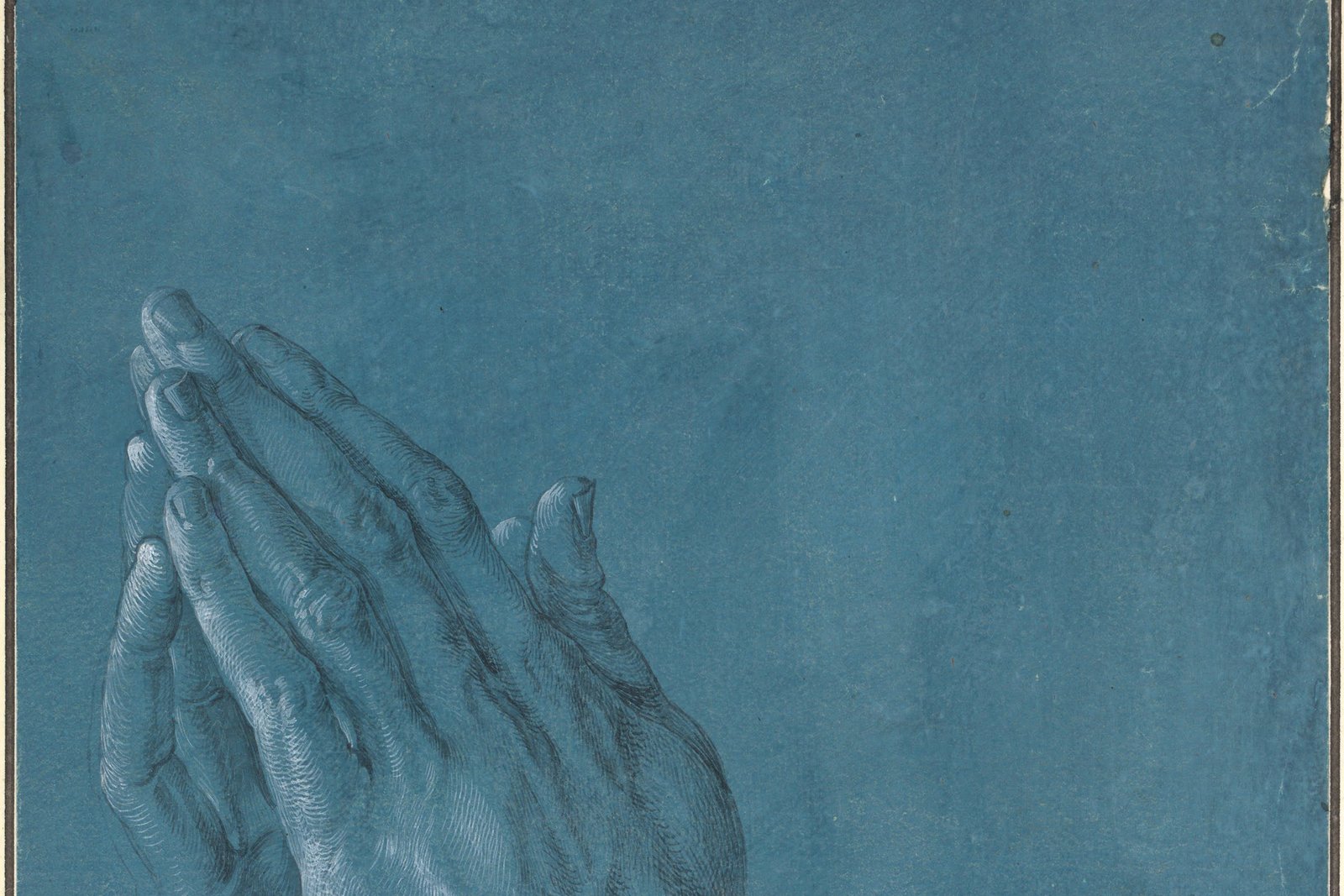
Prayer as a fixed rhythm, not a special event. Short, consistent prayer — grace before meals, a brief bedtime prayer, making the Sign of the Cross together — does more over years than occasional elaborate devotions. Children absorb what's routine far more than what's rare.
Narrating faith instead of just displaying it. Explaining briefly why a particular saint's feast is being marked, why the family goes to Mass even on a tiring Sunday, or why a certain choice was made "because of what we believe" turns faith from background scenery into something explicitly connected to daily decisions.
Age-appropriate sacramental preparation, taken seriously. Parishes handle the formal catechesis for First Reconciliation, First Communion, and Confirmation, but a parent's own engagement — reviewing material together, talking about what the sacrament means rather than treating it as a milestone to check off — shapes whether a child experiences these as genuine encounters or as social occasions with a religious backdrop.
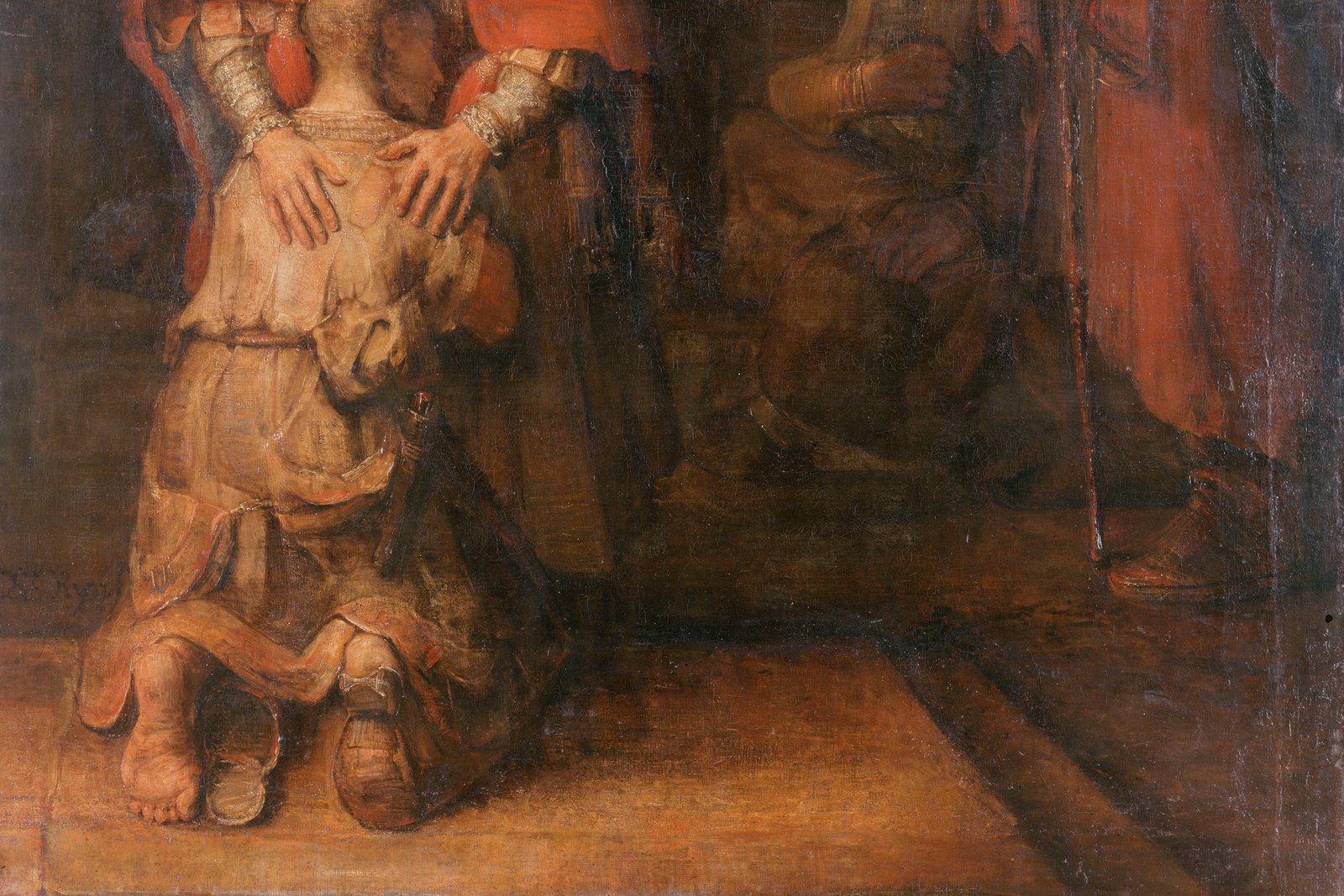
Modeling repentance, not just requiring it. A parent who visibly goes to Confession themselves, and who says "I was wrong, I'm sorry" to their own child when it's warranted, teaches more about mercy and conversion than any lecture on the sacrament could.
Letting real questions be real. When a child brings home a hard question — about suffering, about other religions, about something upsetting they heard — the instinct to supply an instant, tidy answer is understandable but often less useful than taking the question seriously, admitting uncertainty where it's honest, and looking for the answer together. Catholic teaching doesn't require parents to be walking encyclopedias of doctrine; it asks for an environment where faith can withstand real scrutiny.
When it doesn't go the way a parent hoped
Adolescence, in particular, is a common season for questioning or stepping back from practice, and it isn't automatically evidence that something went wrong at home. What tends to matter most in the long run, pastorally speaking, isn't whether a teenager never wavers, but whether the relationship stays warm enough that the door back in stays open. Turning Mass attendance into the family's central battleground can do more lasting damage to a young person's relationship with the Church than the missed Sundays themselves. Patience, continued quiet example, and keeping communication open tend to serve a family better over a decade than any single confrontation.
Formation doesn't require perfect parents
It's worth saying plainly: none of this depends on parents having their own faith life fully sorted out. Families where a parent came back to practicing Catholicism after years away, where one spouse isn't Catholic, or where household routines are messy and inconsistent still raise children who go on to have real, lasting faith lives. What tends to matter more than polish is honesty — a home where a parent's own imperfect, ongoing effort to grow in faith is visible to their children, rather than a performance of having arrived somewhere the parent hasn't actually arrived. A child who sees a parent still trying, still praying, still occasionally failing and starting again, learns something truer about what Catholic life actually is than a child raised in a household presenting an unbroken facade.
Raising children in the faith isn't a program with a finish line. It's closer to what the Church calls it — a small church operating inside a household, imperfect by nature, formed one ordinary dinner-table question at a time.
Trivia
Why does the Catholic Church say parents, not the parish, are the primary educators of their children in faith?
At what age should a Catholic child start receiving formal religious instruction?
What is meant by calling the family the 'domestic church'?
How should Catholic parents answer a child's hard question about faith when they don't know the answer?
Is it normal for a Catholic teenager to question or pull away from the faith?
Related Reading