Lent Explained: Forty Days of Fasting, Prayer, and Preparation

Forty days, and a reason for the number
Every Lent starts the same way: a Wednesday, a smudge of ash, and a sentence that doesn't flatter anyone — "Remember that you are dust, and to dust you shall return." From that unglamorous beginning, the Church counts out forty days toward Easter. The number isn't arbitrary. It's borrowed straight from a story in the desert.
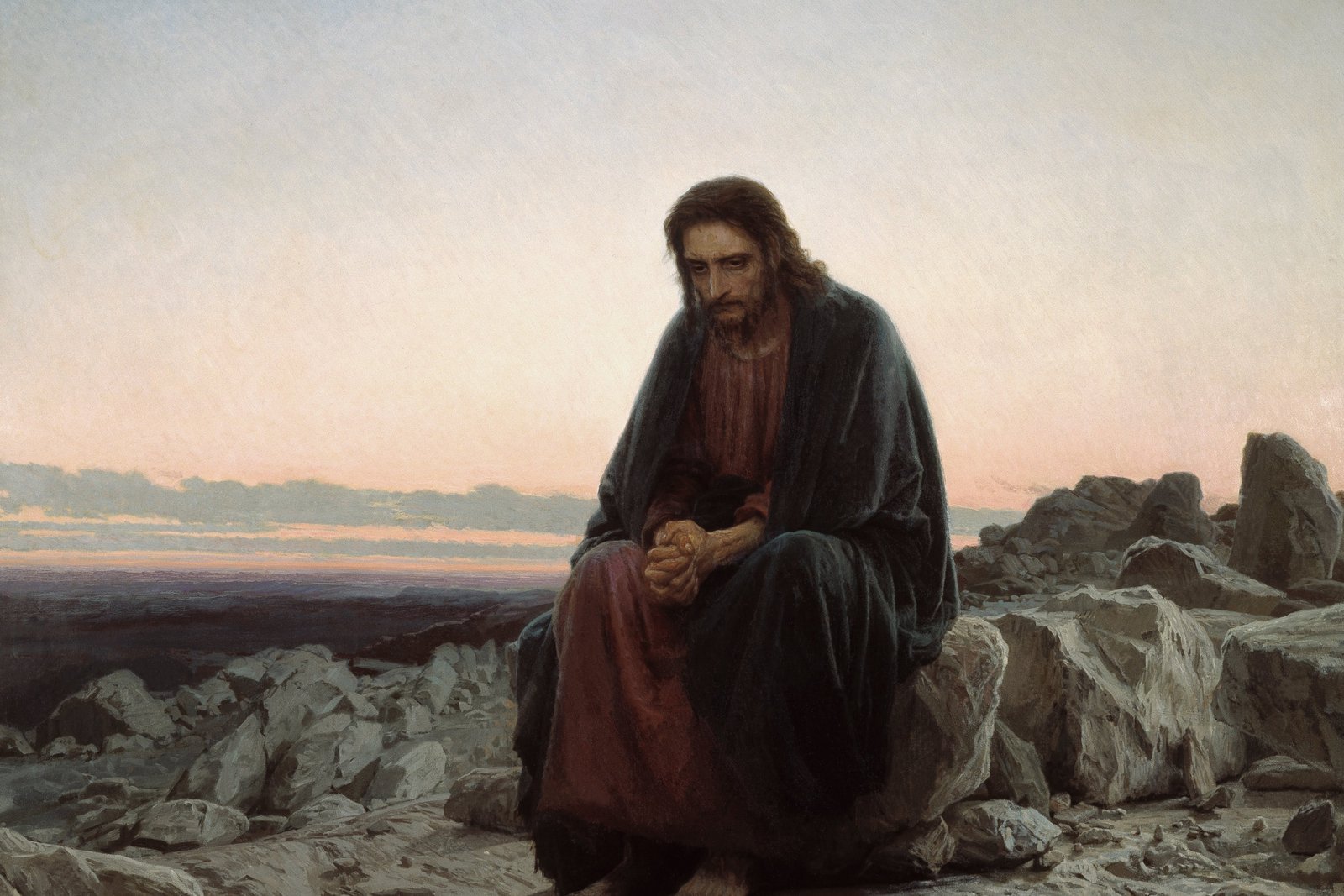
Ivan Kramskoi, Christ in the Wilderness (1872), Tretyakov Gallery. Public domain, via Wikimedia Commons.
Before Jesus began his public ministry, the Gospel of Matthew tells us, "he fasted for forty days and forty nights, and afterwards he was hungry" (NABRE, Matthew 4:2). Only after that fast did the tempter arrive, testing him with hunger, power, and pride. The Church has always read that desert as a template. If Christ prepared for his mission by stripping everything down to hunger and prayer, Lent invites believers to walk a smaller version of the same road before the greatest feast of the year. The full account of that testing is explored in The Temptation in the Desert.
Forty also echoes further back than the Gospels. Noah's flood lasted forty days and nights. Israel wandered the wilderness for forty years. Moses fasted forty days on the mountain before receiving the commandments. In Scripture, forty is less a precise measurement than a signal: something is being formed, tested, or purified before it's ready for what comes next.
Where Lent falls on the calendar
Lent begins on Ash Wednesday, which falls forty-six days before Easter Sunday. The Church's current calendar counts Lent proper as running through Holy Thursday, when the Mass of the Lord's Supper in the evening opens the Easter Triduum — the three days of the Passion, death, and Resurrection covered in Holy Week, Explained. Because the six Sundays that fall within this stretch are not counted as penitential days (each Sunday is treated liturgically as a small Easter, a day of celebration even within a penitential season), the actual number of fasting days works out to forty.
Since Easter's date shifts each year, Lent moves with it, arriving anywhere from early February to mid-March.
Ash Wednesday: a mark, not a sacrament
Ash Wednesday is not a holy day of obligation, yet it remains one of the most widely attended days on the Catholic calendar — a fact that says something about how deeply the ritual resonates even with people who rarely enter a church otherwise. The ashes, typically made by burning the blessed palms from the previous year's Palm Sunday, are traced on the forehead in the shape of a cross. The minister says one of two things: "Remember that you are dust, and to dust you shall return," or "Repent, and believe in the Gospel." Both versions do the same work — they interrupt. They put mortality and conversion in front of you before the season even properly starts.
The rules: fasting and abstinence
Lenten discipline in the Latin Church centers on two specific practices, distinct from the personal sacrifices people commonly choose to add on top of them.
Fasting applies to Ash Wednesday and Good Friday and binds Catholics who are 18 to 59 years old. On a fast day, one full meal is permitted, along with two smaller meals that together do not add up to a full meal, and no eating between meals.
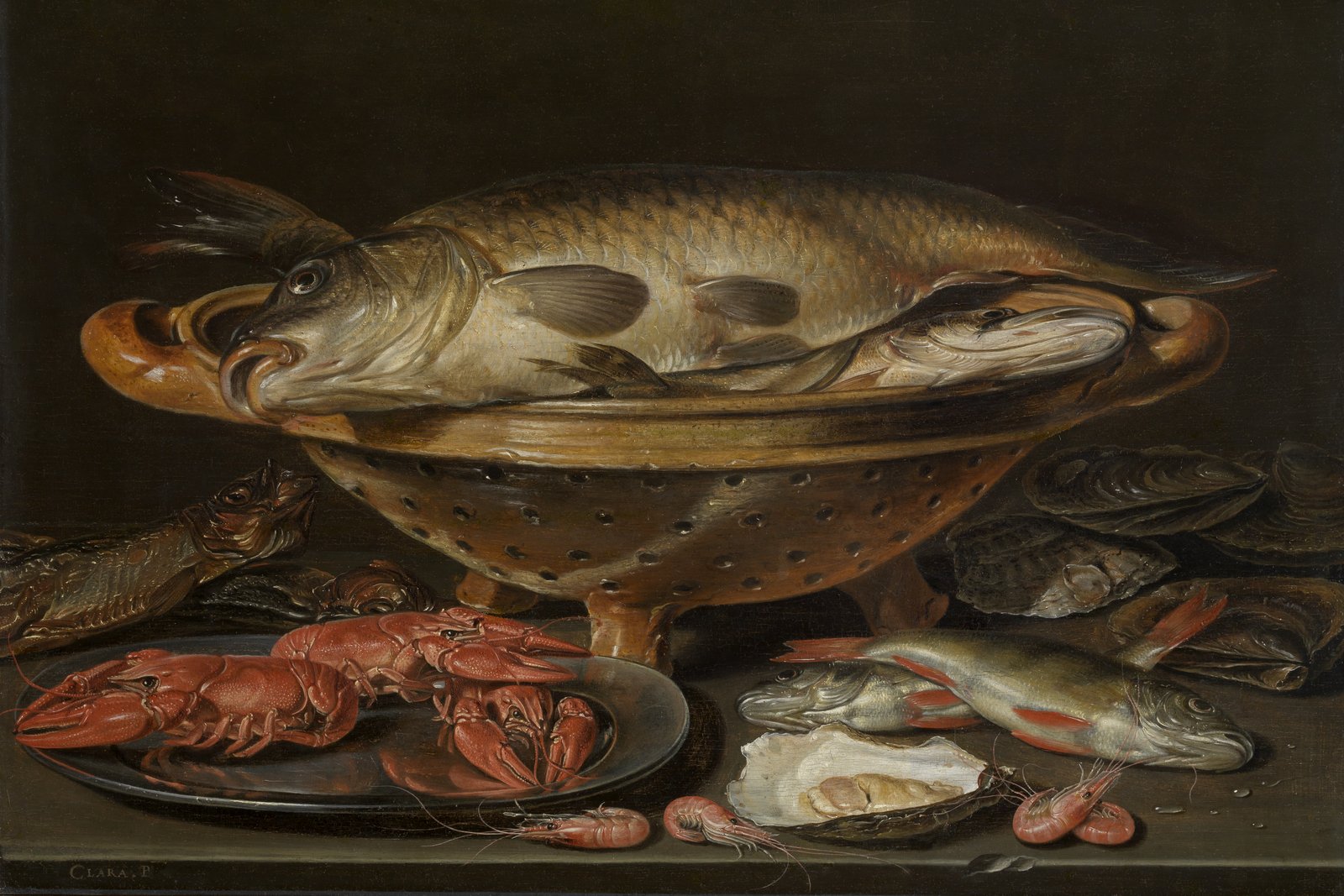
Abstinence from meat applies to Ash Wednesday, Good Friday, and every Friday of Lent, and binds Catholics 14 and older. Fish is permitted; the historical logic ties back to meat once being considered a food of celebration, unsuited to a season of restraint.
These are the universal minimums; national bishops' conferences can adjust some particulars, so local parish bulletins are the most reliable source for exact regional norms.
Beyond giving something up
Popular culture has reduced Lent to a single question — "what are you giving up?" — but the Church has always framed the season around three practices working together: prayer, fasting, and almsgiving. Fasting alone, without prayer, risks becoming just a diet. The three are meant to reinforce each other: fasting creates space, prayer fills that space with attention to God, and almsgiving redirects whatever the fast has freed up — money, time, comfort — toward someone in need.
The point, in other words, isn't self-denial for its own sake. It's clearing enough room that something else can grow. The Catechism describes the interior conversion at Lent's heart as "a radical reorientation of our whole life" (CCC 1431) — not a diet plan, but a turning.
What it's all preparing you for
It's tempting to treat Lent as an obstacle course standing between now and Easter chocolate. But the season's own logic runs the other direction: the fast doesn't delay the feast, it makes the feast legible. A joy you haven't prepared for slides past you. A joy you've hungered for — literally, in Lent's case — lands differently.
That's the quiet argument underneath forty days of ash, restraint, and desert imagery: emptiness isn't the goal. It's the shape a life takes right before it's ready to be filled. Lent asks you to sit in that shape for a while, on the way to a Sunday that changes everything.
Trivia
Why does Lent last 40 days?
When does Lent begin and end?
What are the rules for fasting and abstinence during Lent?
What are the ashes on Ash Wednesday for?
What is the purpose of Lent beyond giving something up?
You May Also Like
Related Reading