The Catholic Calendar — How to Follow the Feasts and Saints All Year

A calendar with a different starting line
The first surprise, for anyone used to thinking of the year as running January to December, is that the Church's liturgical year doesn't start there at all. It begins with the First Sunday of Advent, usually landing in late November, and runs through to the Solemnity of Christ the King roughly a year later — a full cycle built not around the civil calendar but around the unfolding story of Christ's life, death, and resurrection. The General Norms for the Liturgical Year, the Church's own governing document on the subject, describes the year as structured so that "the whole mystery of Christ" is unfolded from the Incarnation through the Ascension, Pentecost, and the expectation of Christ's return — an arc, not a static list of holidays.
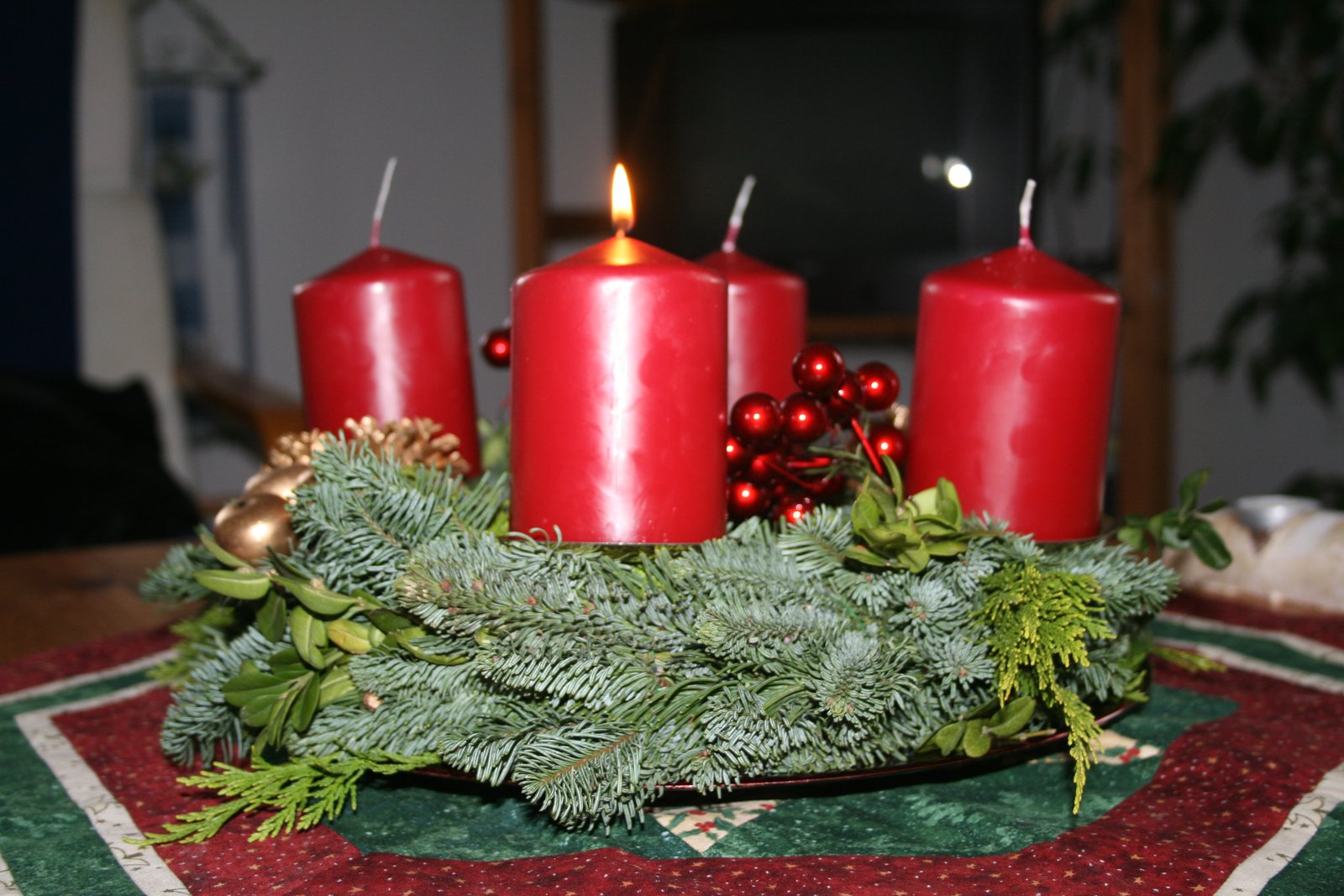
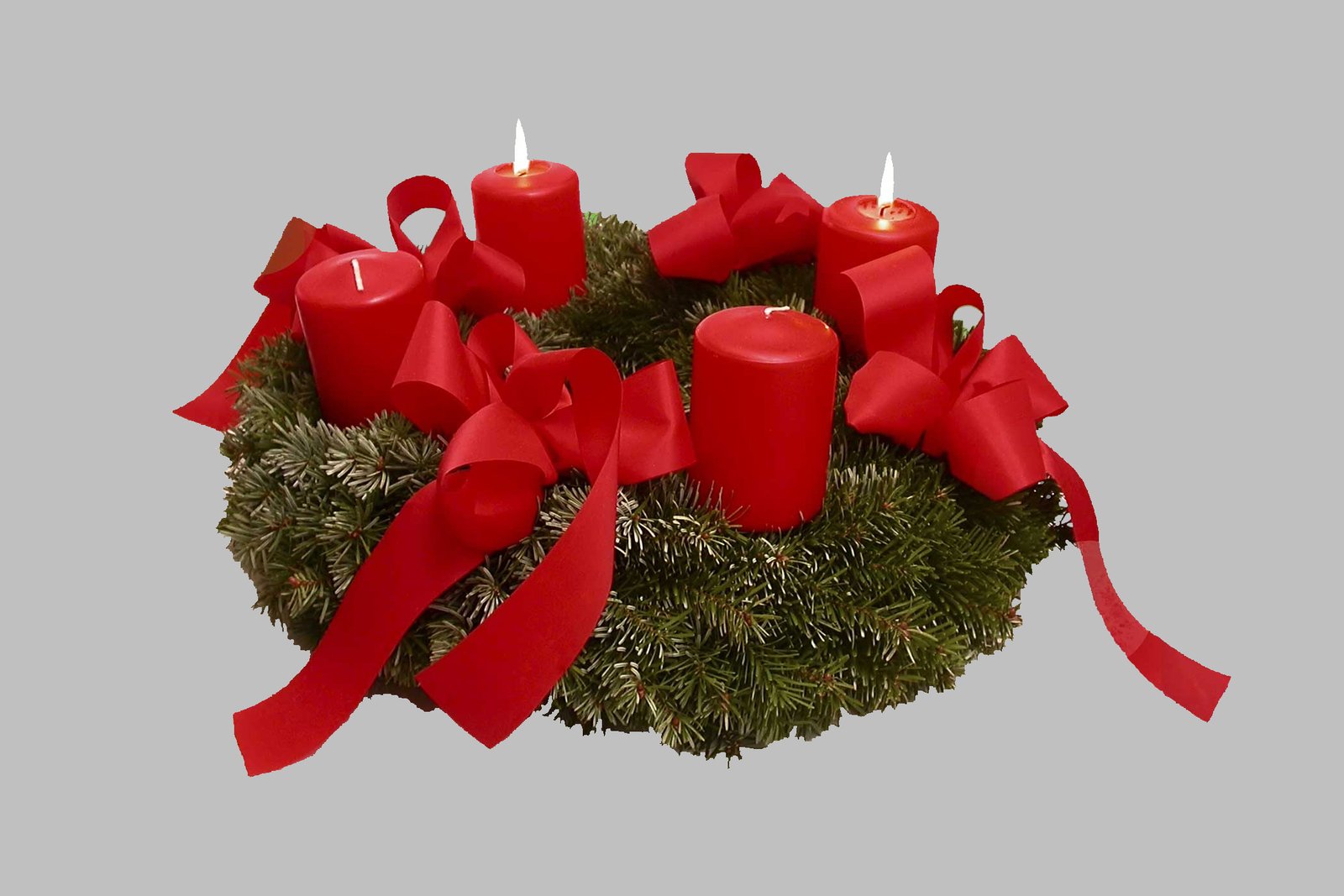
Photo of an Advent wreath — public domain.
The seasons, in order
Advent opens the cycle, four Sundays of preparation before Christmas, shifting in tone from watchful anticipation of Christ's final coming toward the specific events leading up to Bethlehem as December 25 approaches.
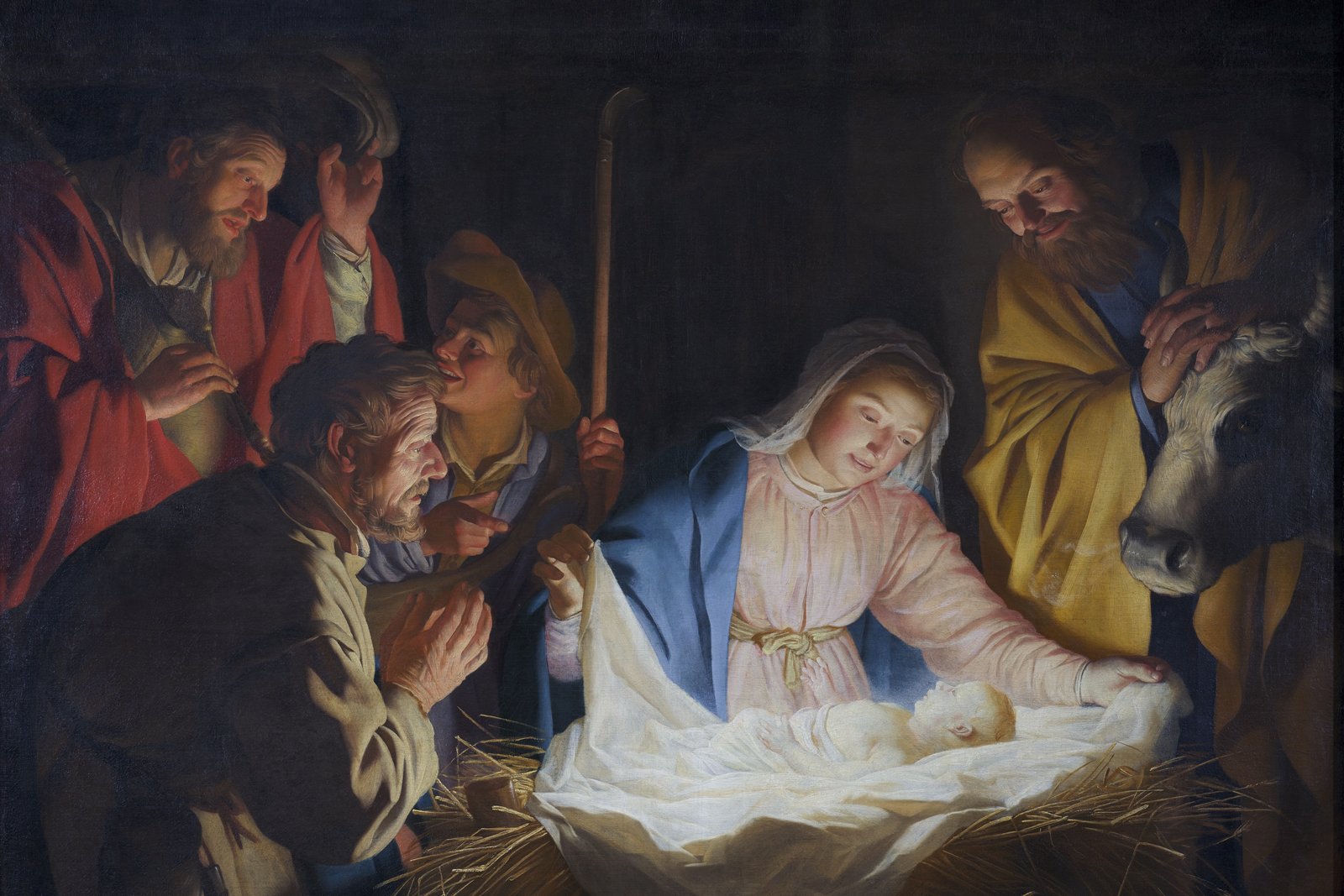
Christmas follows, and it's a full season rather than a single day — running from December 25 through the Baptism of the Lord, usually the Sunday after Epiphany, and including the Solemnity of Mary, Mother of God on January 1 and the Epiphany on January 6 (or the nearest Sunday, depending on national calendar).
Ordinary Time, the first of its two blocks, picks up after the Christmas season ends and runs until Ash Wednesday. The name confuses people regularly — "ordinary" here doesn't mean unremarkable, it comes from "ordinal," describing weeks that are simply counted in sequence (Second Sunday in Ordinary Time, Third, and onward) rather than carrying one of the more thematically intense identities of the other seasons.
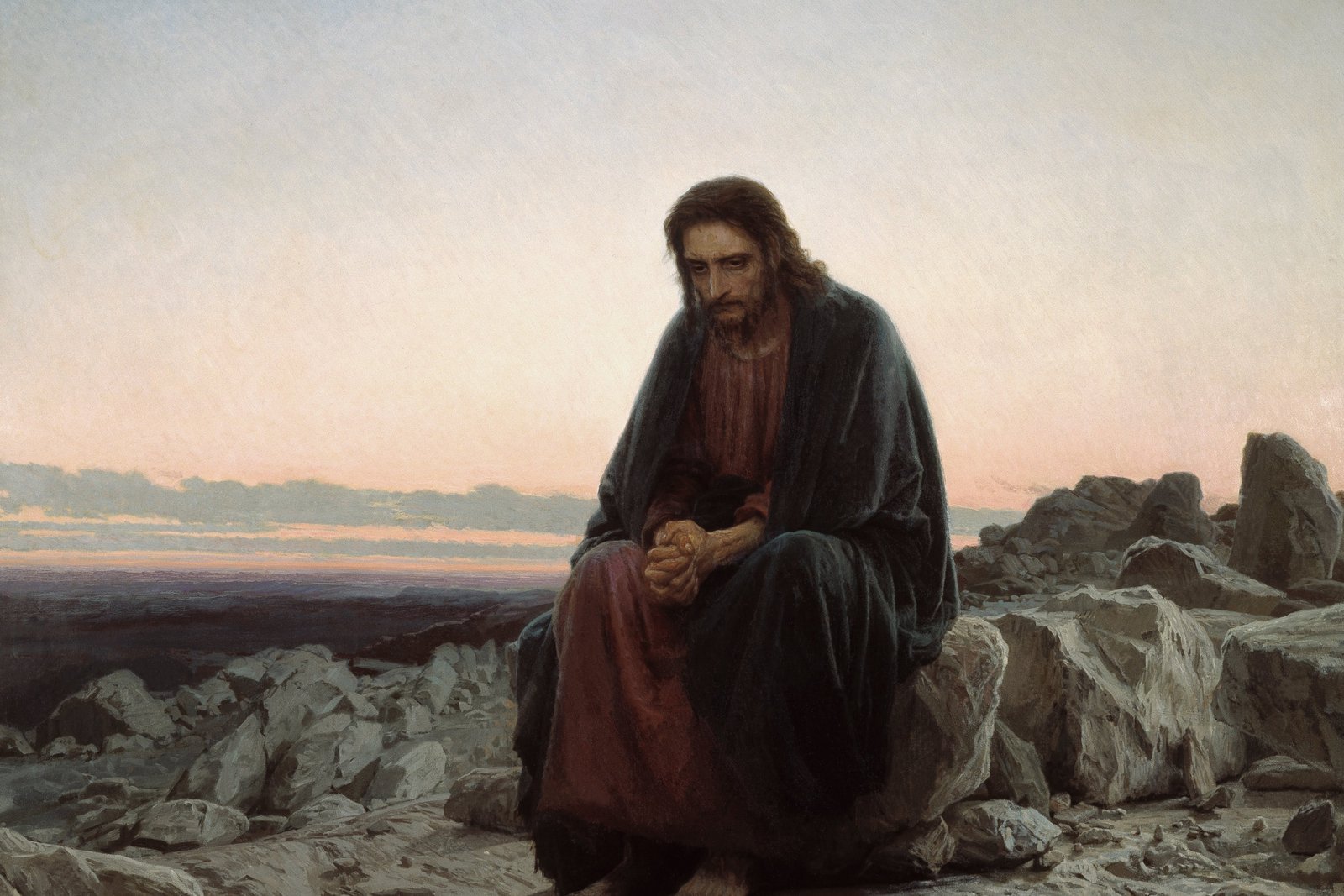
Lent begins on Ash Wednesday and runs forty days (not counting Sundays) to the beginning of the Triduum, a penitential season of prayer, fasting, and almsgiving oriented toward Easter, echoing Christ's forty days in the desert.
The Easter season, including the Triduum (Holy Thursday through Easter Sunday) and the fifty days following, from Easter Sunday through Pentecost, is the single longest continuous celebration on the calendar — longer, notably, than the Christmas season, which is a useful corrective for anyone assuming Christmas outranks Easter in the Church's own reckoning. It doesn't; Easter is the older and higher-ranked feast.
Ordinary Time resumes after Pentecost for its second and much longer block, continuing until the year closes with the Solemnity of Christ the King on the final Sunday before Advent begins again.
What the colors are actually signaling
Liturgical colors aren't decorative preference; they're a coded visual summary of what season or feast is being observed, and learning to read them turns any Mass into a quick lesson in where the year currently stands. Violet (sometimes called purple) marks Advent and Lent, seasons of preparation and penance. White or gold marks Christmas, Easter, feasts of Christ, Mary, and most saints who were not martyrs — essentially the color of joy and glory. Red appears on Palm Sunday, Good Friday, Pentecost, and the feasts of martyrs and apostles, symbolizing both the Holy Spirit's fire and blood shed for the faith. Green, the color seen most often across the year simply because it covers both blocks of Ordinary Time, signals ongoing growth in the Christian life outside the more intensely themed seasons. A fifth color, rose, makes a brief, optional appearance exactly twice a year — the Third Sunday of Advent (Gaudete Sunday) and the Fourth Sunday of Lent (Laetare Sunday) — marking a note of anticipatory joy partway through an otherwise penitential stretch.
The sanctoral cycle running underneath
Layered on top of these seasons is the sanctoral cycle — the year-long assignment of individual saints to specific dates, largely independent of season, so that a Lenten weekday might still carry a saint's optional memorial even while the broader liturgical mood stays penitential. Solemnities and feasts of major rank take precedence over these memorials when they land on the same date; most days, though, carry a saint whose life offers a smaller, specific point of reflection alongside whatever the season itself is emphasizing.
Using the calendar day by day, not just on the big feasts
Most Catholics engage with the liturgical year only at its loudest points — Christmas, Ash Wednesday, Easter — and miss the quieter structure running underneath the rest of the year. Following it more closely doesn't require special training. A parish bulletin lists the week's readings and any notable feast; the USCCB publishes the full daily calendar online; and this site's own liturgical calendar tool shows the saint or celebration, the assigned readings, and the liturgical color for any given date, letting you look up today, or any day, in a few seconds rather than consulting a missal.
What that kind of daily attention adds up to, over a year, isn't trivia. It's a working sense of where the Church currently stands in its own long-running telling of the story of salvation — penitential or joyful, waiting or celebrating — a rhythm that's been running, largely unchanged in its basic shape, for the better part of two thousand years.
Trivia
What are the six seasons of the Catholic liturgical year?
What do the different liturgical colors mean?
Does the liturgical year start on January 1?
What is Ordinary Time, and why is it called that?
How can I actually follow the liturgical calendar day by day?
Related Reading