What Is RCIA? The Path Adults Take Into the Catholic Church

A process, not a class
RCIA is sometimes described, inaccurately, as a Catholic version of a religion class — a set number of weeks covering Catholic doctrine before a test at the end. That framing misses what the Church actually built. RCIA is formally a rite, a structured liturgical and spiritual journey, not primarily an academic course. Catechesis — instruction in Catholic teaching — is a genuine and necessary part of it, but it's embedded within a larger process of ongoing conversion, prayer, and gradual integration into a parish community, marked at several points by real liturgical rites celebrated in front of the whole congregation, not just private study sessions in a classroom.
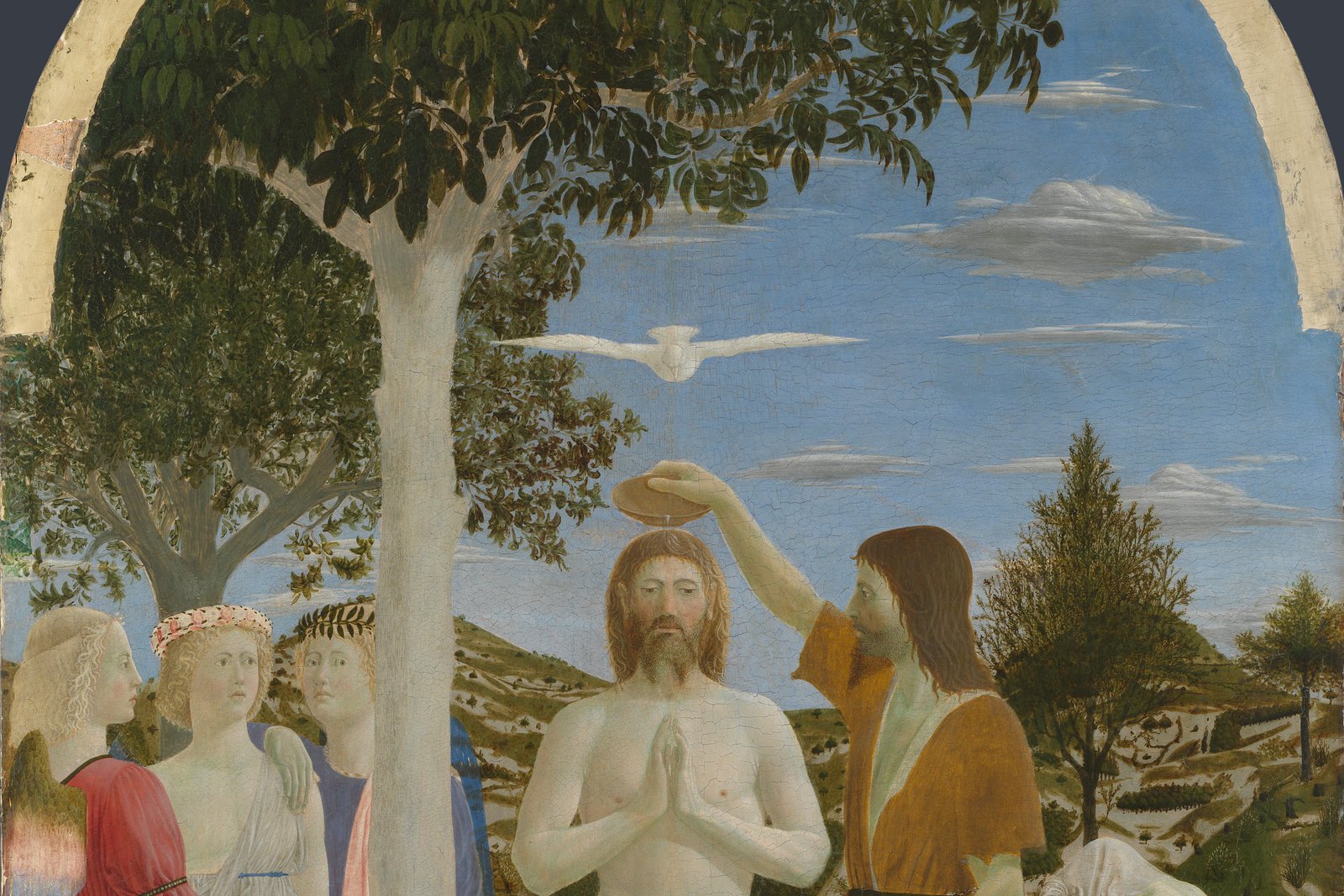
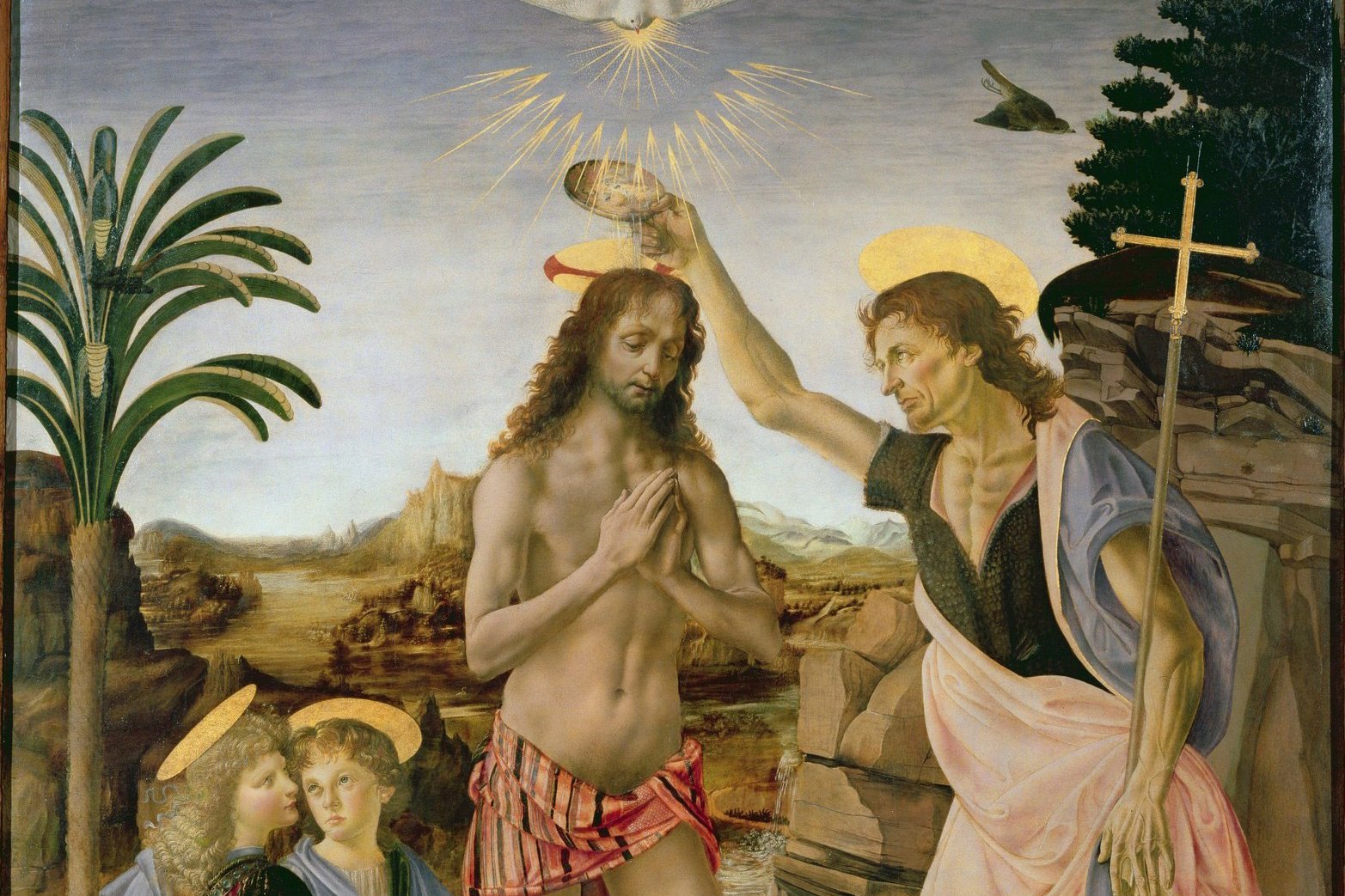
Piero della Francesca, The Baptism of Christ, c. 1450, National Gallery, London — public domain.
The Church renamed the process the Order of Christian Initiation of Adults (OCIA) in a 2021 update to the official English translation of the underlying Latin rite, largely to better reflect that it is an ordered liturgical process rather than a single ceremony. Many parishes and dioceses have adopted the new name; many Catholics, including plenty of clergy, still call it RCIA out of long habit, and both terms describe the exact same process.
Who actually goes through it
Three distinct groups of people find their way into RCIA/OCIA, and the process adapts somewhat depending on which group a person belongs to:
- Catechumens — adults who have never been baptized in any Christian tradition at all. These are the people who will be baptized for the first time, most often at the Easter Vigil.
- Candidates baptized in another Christian tradition — adults who received a valid Trinitarian baptism in a Protestant, Anglican, or Orthodox community and now wish to enter full communion with the Catholic Church. Because the Church recognizes their existing baptism as valid, they are not baptized again; they typically make a profession of faith and are confirmed instead.
- Uncatechized Catholics — adults who were baptized Catholic as infants but, for whatever reason, never received Confirmation or First Communion, and are now completing the sacraments of initiation they began as children.
The four stages of the journey
The Church structures the process into four distinct periods, each marked by its own liturgical rite:
Period of Inquiry. An informal, low-pressure stage where someone considering Catholicism can ask questions, attend introductory sessions, and explore without making any commitment yet. This stage ends when a person decides to formally begin the process.
The Catechumenate. For the unbaptized, this longer formation period officially opens with the Rite of Acceptance, a public liturgy in which a person formally asks to become part of the catechumenate and is marked with the sign of the cross as a sign of belonging to Christ. This stage, which can last many months, blends ongoing catechesis in Catholic teaching, Scripture, prayer, and morality with real participation in parish life.
Purification and Enlightenment. This intense, shorter period typically coincides with Lent, the season immediately before Easter. It opens with the Rite of Election, usually celebrated by the bishop, in which catechumens are formally recognized as "the elect" — chosen for initiation at the coming Easter Vigil — and closes with the Easter Vigil itself, where the elect are baptized, confirmed, and receive their First Communion in a single, unified celebration.
Mystagogy. The final period, extending through the weeks of the Easter season after initiation, focuses on continued reflection on the sacraments the newly initiated have just received and their ongoing integration into full parish life — a recognition that becoming Catholic is a beginning, not a finish line.
Why the Easter Vigil specifically
The timing isn't incidental. The Easter Vigil, celebrated after nightfall on Holy Saturday, is the Church's oldest and most significant liturgical celebration of the year, marking Christ's resurrection from the dead. Baptism has been theologically understood since the earliest centuries of Christianity as dying and rising with Christ — Saint Paul writes to the Romans that those baptized are "baptized into his death" so that, "just as Christ was raised from the dead... we too might live in newness of life" (Romans 6:3-4). Initiating new Catholics at the exact liturgy that celebrates the Resurrection makes that theological connection as vivid and immediate as the calendar allows, which is why the Easter Vigil has been the Church's preferred moment for full Christian initiation since the earliest centuries of the faith.
A journey with real weight
What makes RCIA distinctive, compared to how some people expect religious conversion to work, is its pace and its public, communal character. It resists rushing people through sacraments quickly, and it deliberately involves the wider parish community — sponsors, godparents, and the congregation itself — at every major step, not just the individual and a priest working alone. That structure reflects a basic Catholic conviction: becoming a Christian isn't simply a private decision made once, but an entry into a specific, living community — one that begins accompanying a person well before the baptismal water touches them, and keeps accompanying them well after.
Trivia
What does RCIA stand for?
Who is RCIA (OCIA) for?
How long does the RCIA process take?
What are the main stages of RCIA?
Do people baptized in another Christian denomination have to be baptized again to become Catholic?
You May Also Like
Related Reading