Amiens Cathedral: France's Largest Gothic Church

Built fast, and built enormous
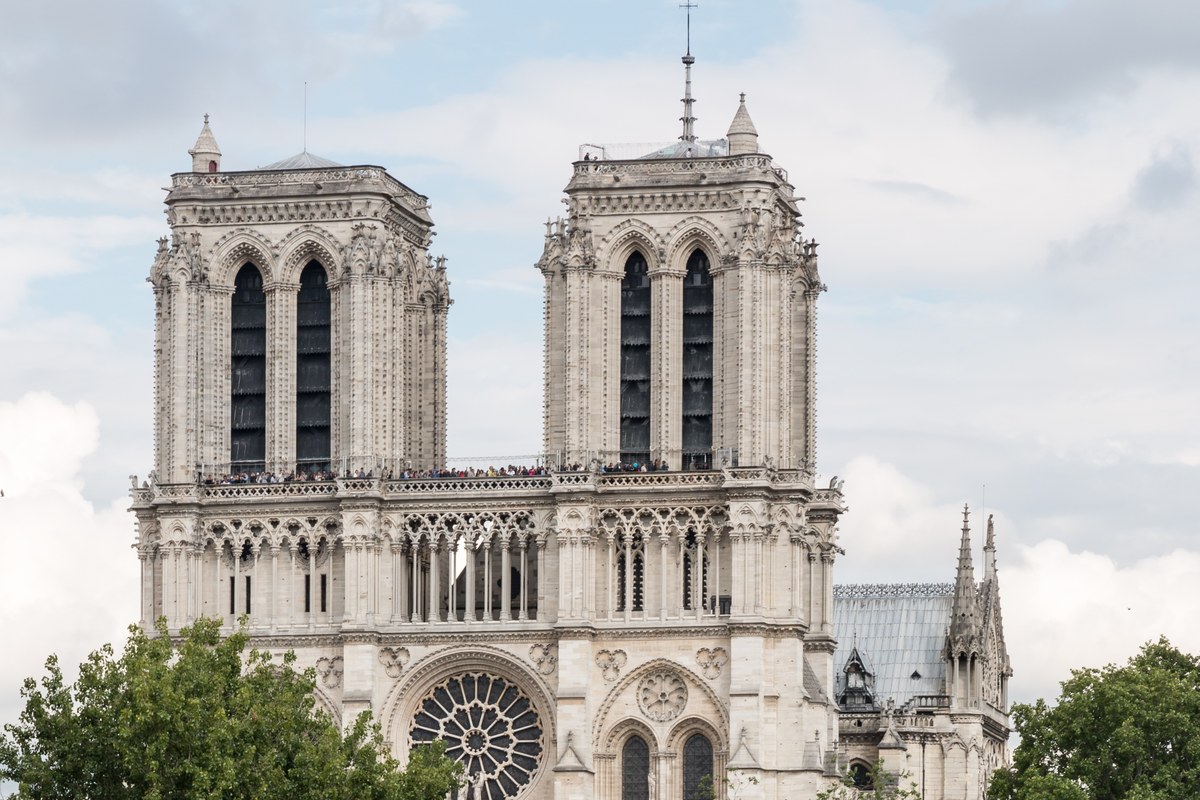
Amiens Cathedral's defining characteristic is scale achieved in a hurry. Where many Gothic cathedrals took two or three centuries to complete, the main structure at Amiens rose in roughly fifty years, from 1220 to 1270, and the result is the largest Gothic cathedral in France by interior volume — spacious enough that the entire interior of Notre-Dame de Paris could reportedly fit inside it. The nave vaults reach approximately 138 feet, among the tallest in French Gothic architecture, and the sheer unbroken verticality of the interior, achieved through slender clustered piers and expansive window tracery, made Amiens an influential model that later French and even German Gothic builders studied and imitated.
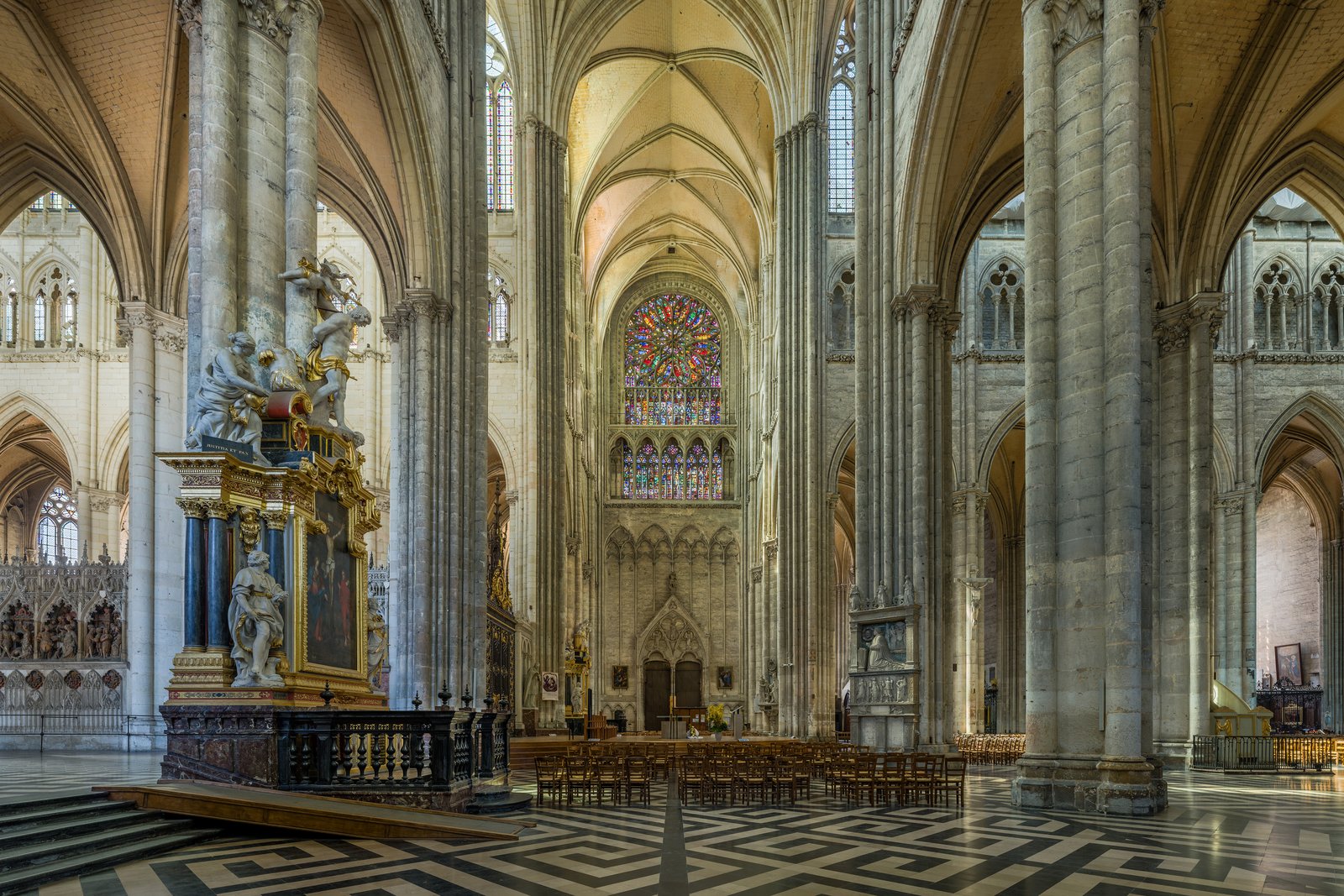
Photograph by Diliff, Amiens Cathedral Transept Crossing, Picardy, France — CC BY-SA 3.0, Wikimedia Commons.
Construction moved through three master masons across the 13th century: Robert de Luzarches laid out the cathedral's ambitious original plan and oversaw the nave, Thomas de Cormont continued the work into the choir, and his son Renaud de Cormont completed the upper stories and towers. Their three names, along with the name of the bishop who commissioned the project, Évrard de Fouilloy, are preserved in a black-and-white stone labyrinth set into the cathedral's nave floor — an unusually direct record of medieval builders claiming authorship of their work, at a time when most Gothic architects went entirely unnamed.
A relic that funded a cathedral
The specific spark for Amiens' rapid, well-financed building campaign traces to 1206, when a local crusader named Wallon de Sarton returned from the sack of Constantinople during the Fourth Crusade carrying an extraordinary relic: what was presented as a fragment of the skull of Saint John the Baptist, specifically the front portion of the head, including part of the face. The relic arrived at a moment when Constantinople's vast accumulated treasury of Byzantine relics was being dispersed across Western Europe by returning crusaders, many of them genuine, some of contested origin — Amiens' bishop received the relic with considerable ceremony, and pilgrim traffic to venerate it grew quickly enough to help finance the massive new cathedral begun a little over a decade later.
The relic remains enshrined at Amiens today, housed in an elaborate reliquary within the cathedral, and it continues to draw pilgrims and visitors interested in one of the more prominent surviving relics associated with the New Testament's most significant forerunner figure. Whether the relic is authentic in an exact historical sense is, like most medieval relics, not something that can be verified with certainty — the cathedral presents it within the frame of received tradition rather than dogmatic certainty, a distinction the Catholic Church itself generally maintains regarding relics of this kind.
A cathedral rediscovered in color
For most of its history since the Reformation and the neglect of subsequent centuries, Amiens Cathedral's exterior sculpture has appeared as bare gray stone, and most visitors assumed that was its original state. Late 20th- and early 21st-century conservation work, using ultraviolet and raking-light photographic analysis, overturned that assumption: traces of the original medieval paint scheme survive in microscopic quantities across the west front's sculpted figures, revealing that the facade was once vividly painted in reds, blues, greens, and gold leaf. Researchers used these traces to digitally reconstruct the original color scheme, which is now projected onto the actual facade in a summer evening sound-and-light show, giving visitors a striking sense of how radically different — and how much more vibrant — Gothic cathedrals looked to medieval eyes than the weathered stone most people picture today.
Survival through two world wars
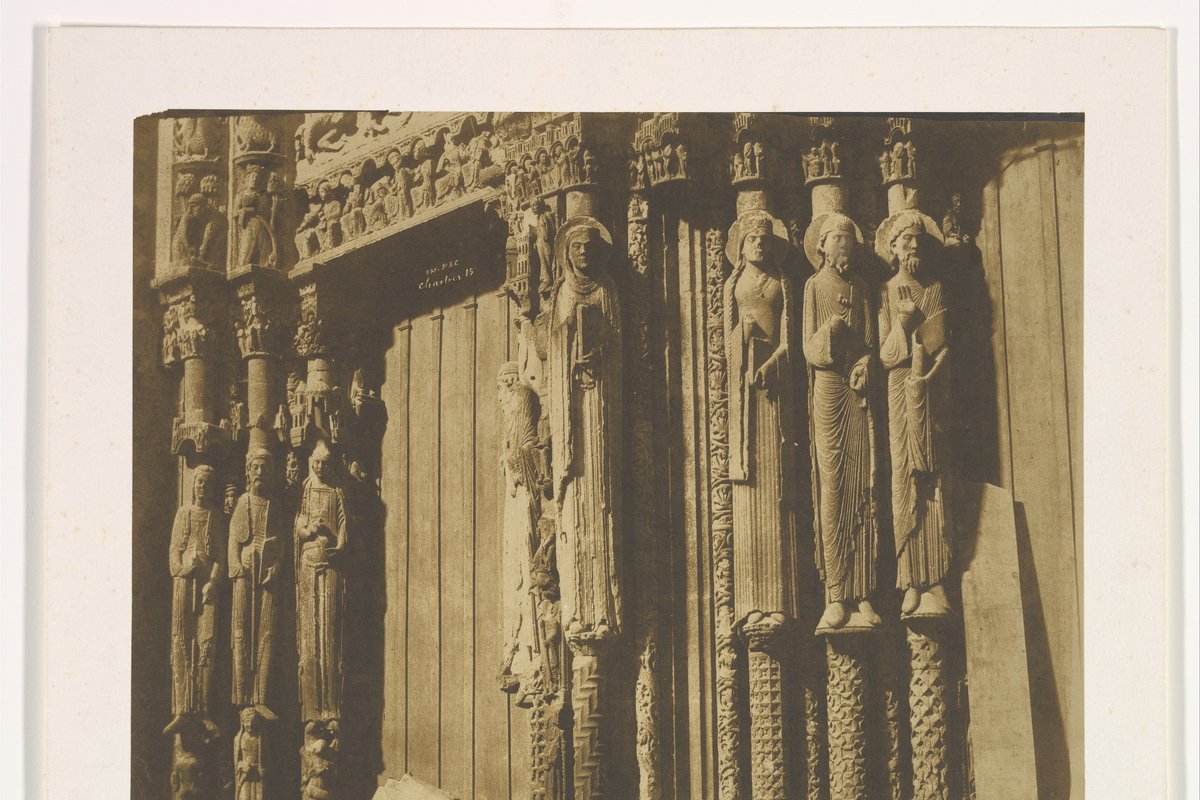
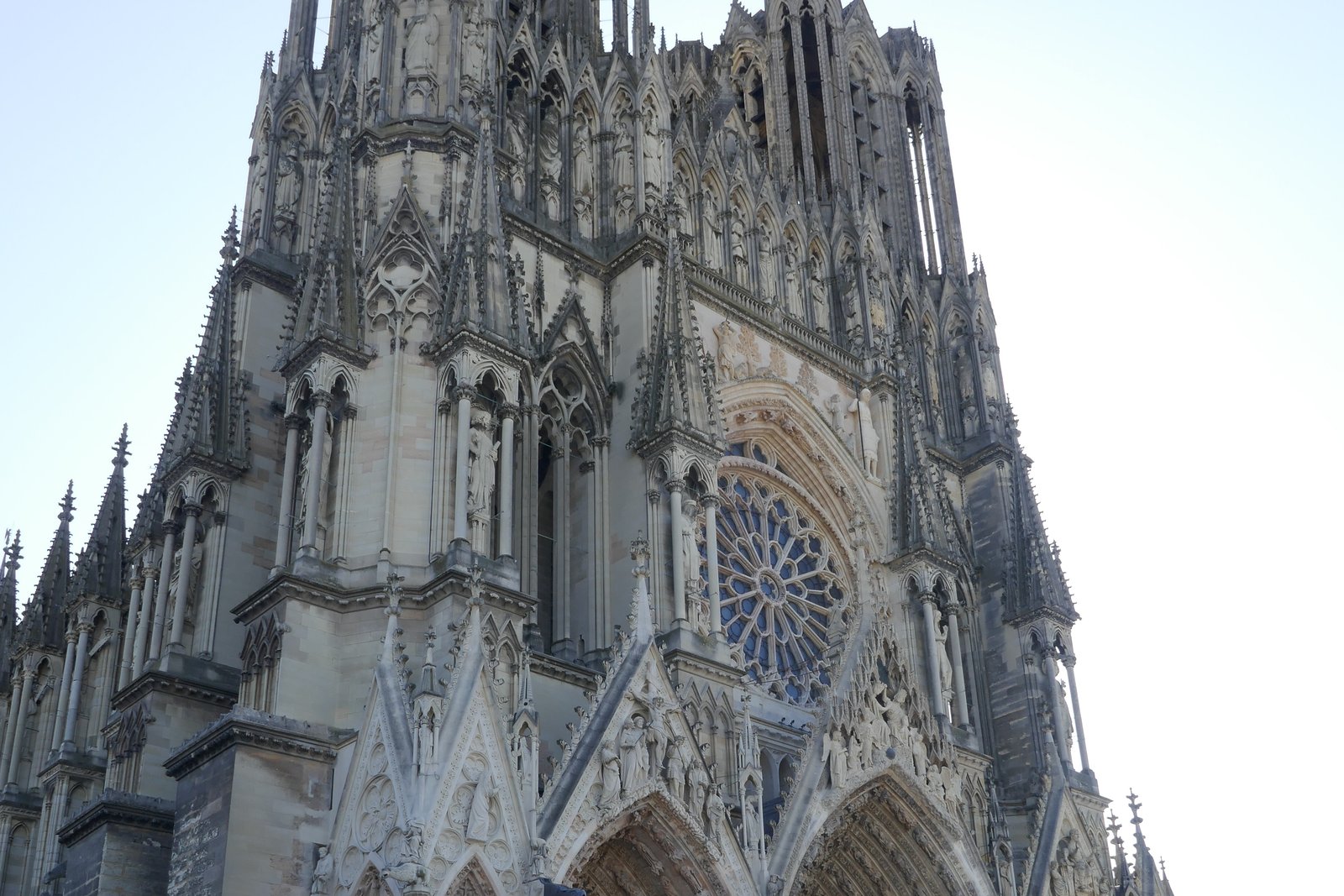
Amiens' location in the Somme region of northern France placed it directly in the path of some of the 20th century's most devastating warfare. During the First World War, the front lines came close enough to the city that the cathedral's stained glass was removed for safekeeping and its most vulnerable sculptures were protected with sandbags, precautions that proved well-founded as fighting damaged much of the surrounding city. The cathedral came through both world wars with comparatively minor structural damage, an outcome that owed as much to fortune as to protective measures, given the scale of destruction visited on other landmarks in the region. Today Amiens Cathedral is recognized as a UNESCO World Heritage Site, celebrated alongside other masterworks of French Gothic architecture such as Chartres Cathedral and Reims Cathedral as one of the defining achievements of the style, and it remains an active cathedral of the Catholic Diocese of Amiens.
Its sheer interior volume remains genuinely startling in person: the nave rises higher than any other completed Gothic cathedral in France, and the building could reportedly enclose the entirety of Notre-Dame de Paris within its footprint with room to spare. That scale, combined with the survival of so much of its original thirteenth-century sculpture along the west front, is part of why architectural historians have long treated Amiens as something close to the fullest, most complete expression of French High Gothic design at the height of its ambition.
Trivia
Why is Amiens Cathedral considered the largest Gothic cathedral in France?
What relic is Amiens Cathedral famous for holding?
Who designed and built Amiens Cathedral?
Did Amiens Cathedral survive the World Wars intact?
What is unique about Amiens Cathedral's original medieval color scheme?
You May Also Like

Related Reading