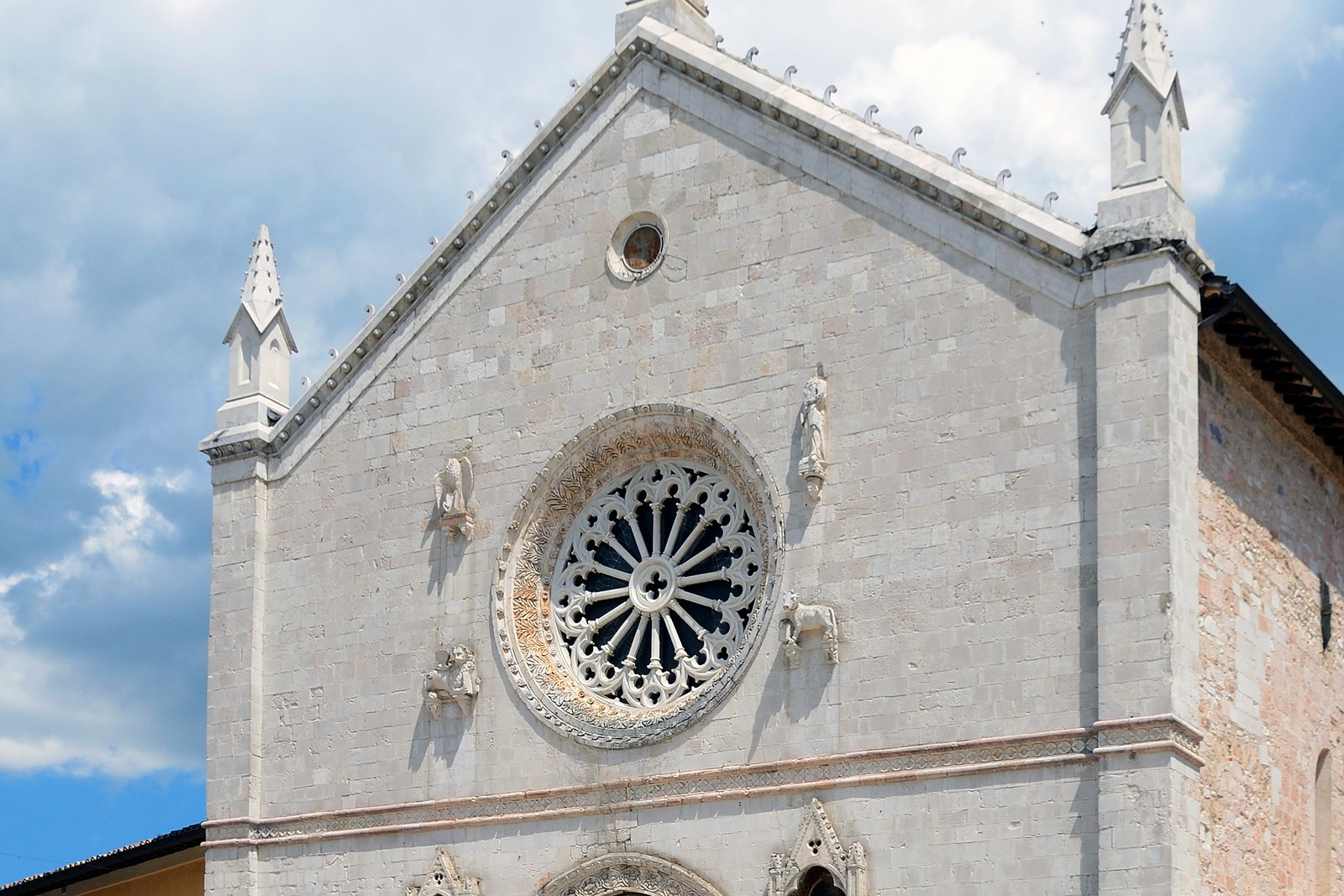
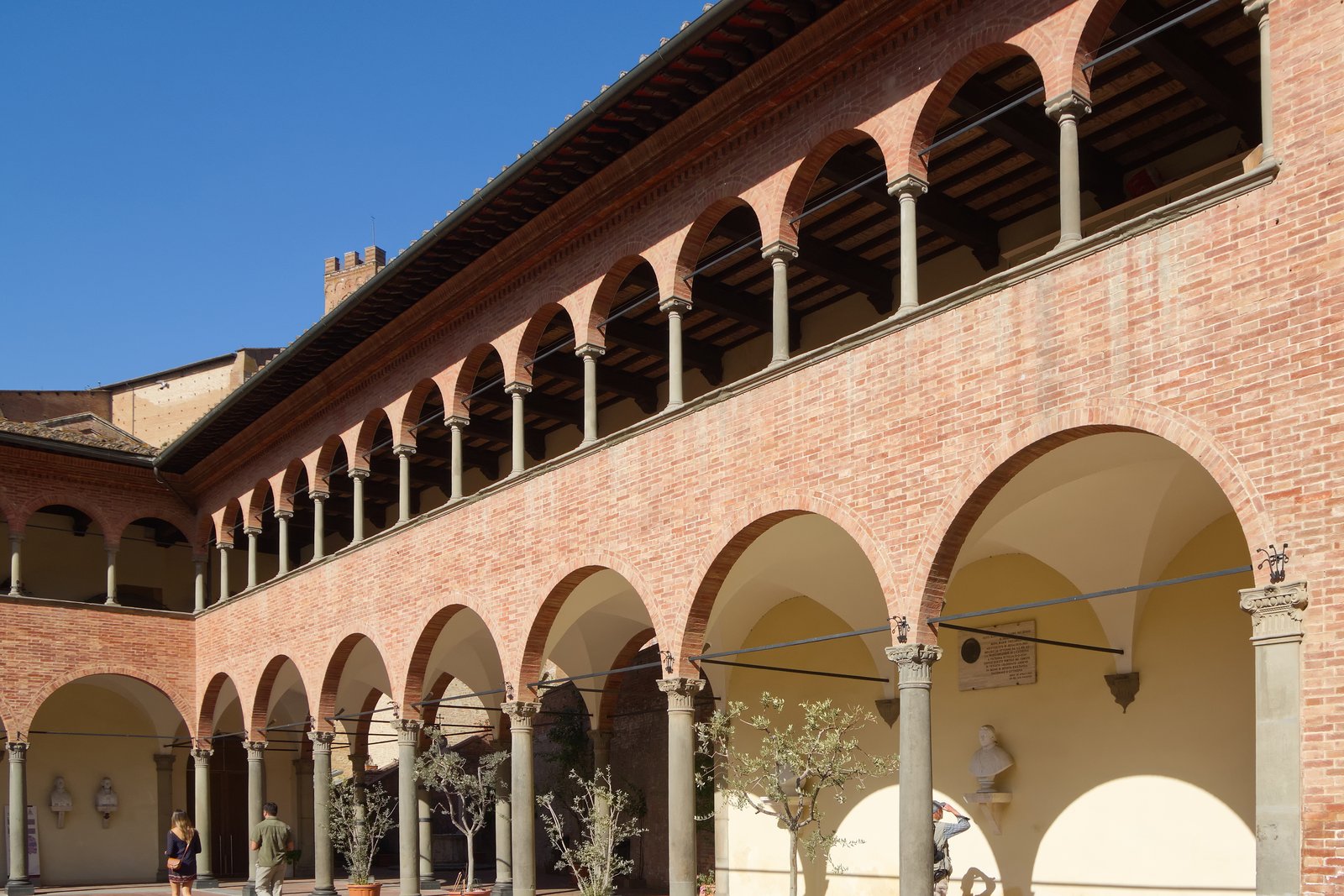
The Basilica of Saint Dominic, Bologna

A death in the city he chose for study
Dominic de Guzmán spent the final years of his life traveling constantly across Italy and southern France, organizing the young religious order he had founded to combat heresy through preaching grounded in serious theological study — a mission that led him, repeatedly, back to Bologna. The city was home to one of medieval Europe's oldest and most prestigious universities, and Dominic recognized early that his new Order of Preachers needed a foothold there if it was going to produce the educated, effective preachers his vision required. Read the full story of his life and the order he founded in our article on Saint Dominic de Guzmán.
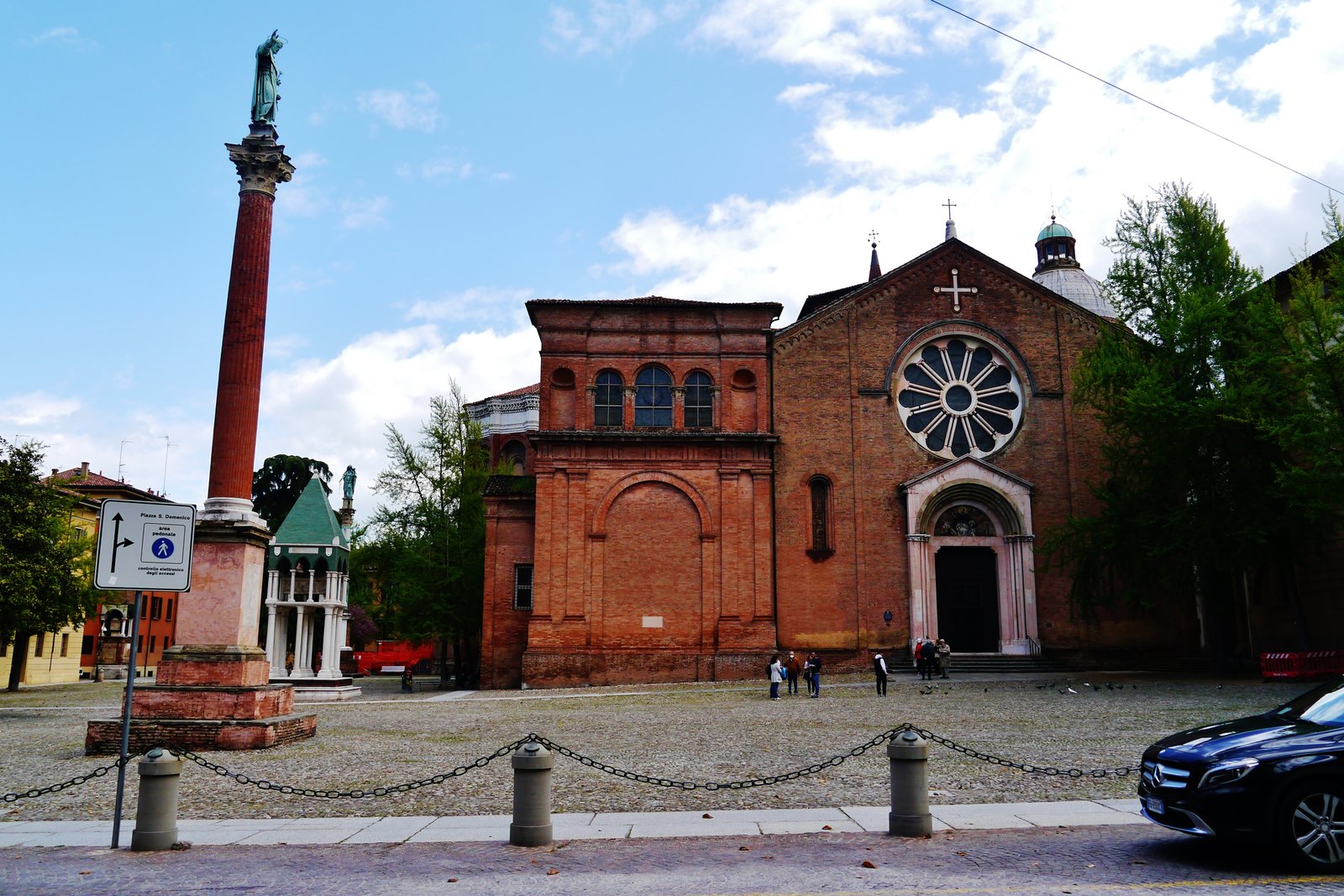
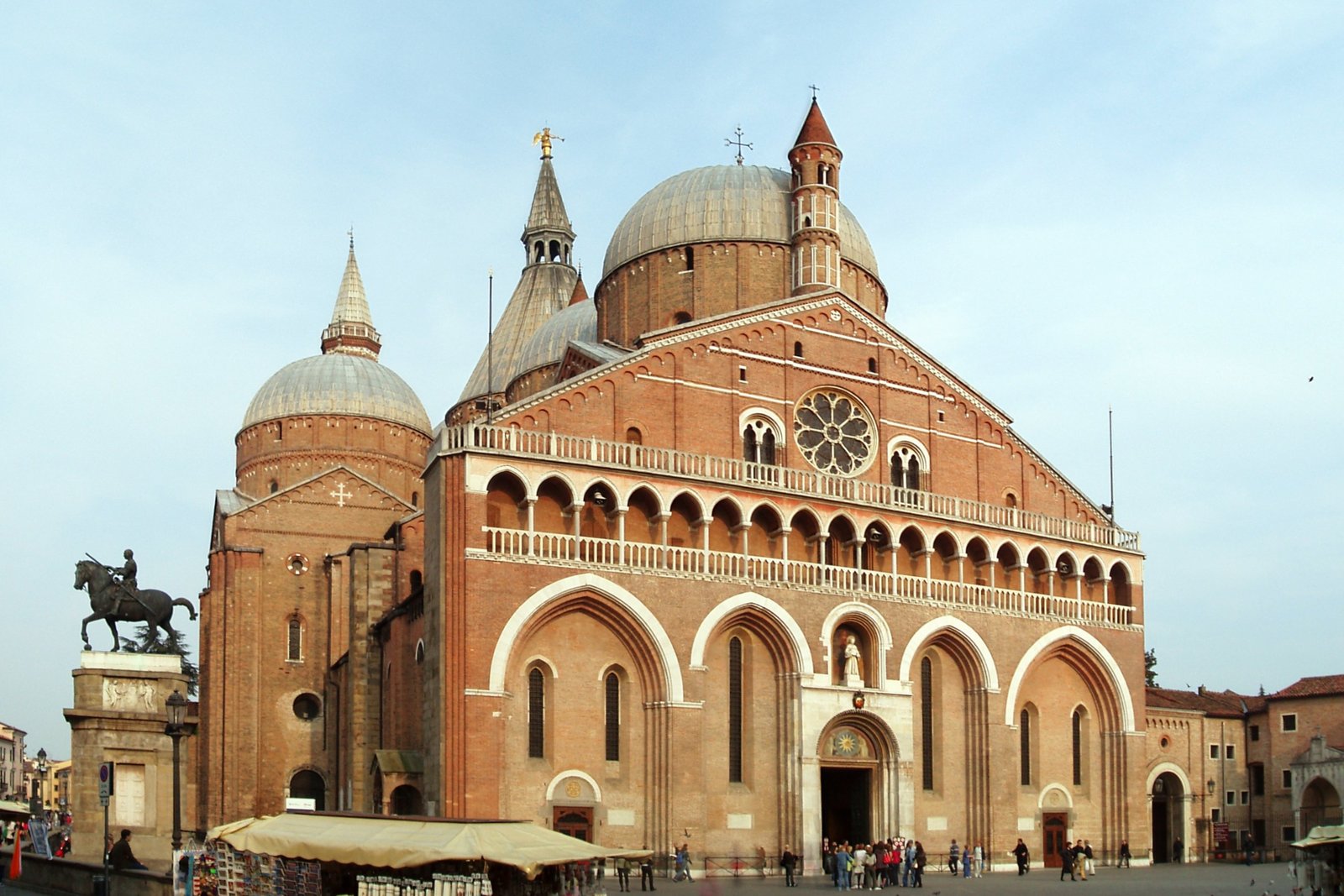
Photograph by Zairon, Bologna Basilica patriarcale di San Domenico, 2019 — CC BY-SA 4.0, Wikimedia Commons.
By 1218, Dominican friars had established a priory in Bologna, and Dominic himself spent extended periods there in his last years, drawn by both the university connection and the practical work of overseeing his rapidly expanding order. He died in the city on August 6, 1221, at around fifty years old, worn down by a life of relentless travel, fasting, and preaching. He was buried at the priory church, a modest structure that would soon be entirely rebuilt to accommodate his growing cult and the order's own expanding needs.
Building a shrine worthy of the founder
Dominic was canonized in 1234, just thirteen years after his death, and construction of a grander basilica to house his remains proceeded through the thirteenth century, with major work completed by the 1270s. The building followed the restrained brick Gothic style typical of medieval Bologna, where local building traditions favored brick over the stone more common elsewhere in Italy — a practical choice given the region's geology, but one that gave the city's churches, including this one, a distinctive warm, understated exterior quite different from the marble facades of Tuscany or the Veneto.
The centerpiece of the basilica, from its earliest rebuilding onward, was always the tomb itself — known as the Arca di San Domenico. Its construction and decoration unfolded across more than two centuries and involved some of the most significant sculptors in Italian art history. The Pisan sculptor Nicola Pisano, one of the founding figures of Renaissance-anticipating naturalism in Italian sculpture, worked on the tomb's reliefs in the 1260s. The base and structure were further developed in the following century, and in the 1470s and 1480s the Bolognese sculptor Niccolò dell'Arca — who took his professional name directly from this commission — added an elaborate lid with figures. The final and most famous addition came around 1494, when a nineteen-year-old Michelangelo Buonarroti, recently arrived in Bologna and not yet the famous artist he would become, carved a small kneeling angel holding a candlestick and a diminutive statue of Saint Petronius, Bologna's patron saint, for the tomb.
A center of Dominican intellectual life
The basilica's connection to Bologna's university culture shaped the wider Dominican tradition of scholarship that would go on to produce some of the Church's most significant theologians. Thomas Aquinas, arguably the most influential Dominican thinker in the order's history, studied and taught within the network of Dominican houses and universities that Bologna's priory helped anchor, part of a broader intellectual culture the order cultivated specifically because Dominic had insisted, from the order's founding, that effective preaching required rigorous theological formation rather than untrained zeal.
Over the centuries, the basilica accumulated further art and decoration befitting its status as one of the Dominican Order's most important sites, including chapels added by wealthy Bolognese families and a substantial collection of relics and reliquaries connected to Dominic and other early Dominican saints. The complex also historically housed the offices connected to the order's broader administrative and educational work in the city, reinforcing the basilica's dual identity as both shrine and intellectual hub.
Bologna's basilica today
The Basilica of San Domenico remains an active Dominican priory and parish church at the heart of Bologna, staffed by friars belonging to the same order Dominic founded eight centuries ago. Pilgrims and visitors can view the Arca di San Domenico directly, along with the wider collection of medieval and Renaissance art the church has accumulated, including choir stalls, chapel frescoes, and further tomb monuments to notable Bolognese figures buried within its walls over the centuries.
The basilica also continues to draw art historians specifically for the Michelangelo attribution — one of the artist's earliest documented works and a rare opportunity to see sculpture from before his famous Roman and Florentine commissions, created while he was still a teenager finding his way as an artist in a city defined, in no small part, by the tomb he was helping to complete. Nearly eight hundred years after Dominic's death, the basilica remains what it was built to be: a resting place for the founder of an order whose intellectual and spiritual influence long outgrew the modest priory where it began.
Trivia
Why is Saint Dominic buried in Bologna rather than Spain, where he was born?
Who carved the tomb of Saint Dominic?
What is the significance of the Basilica of Saint Dominic to the Dominican Order?
Is the basilica still an active church today?
Related Reading