Saint Francis Xavier's Body at the Basilica of Bom Jesus, Goa

A body that had to travel before it could rest
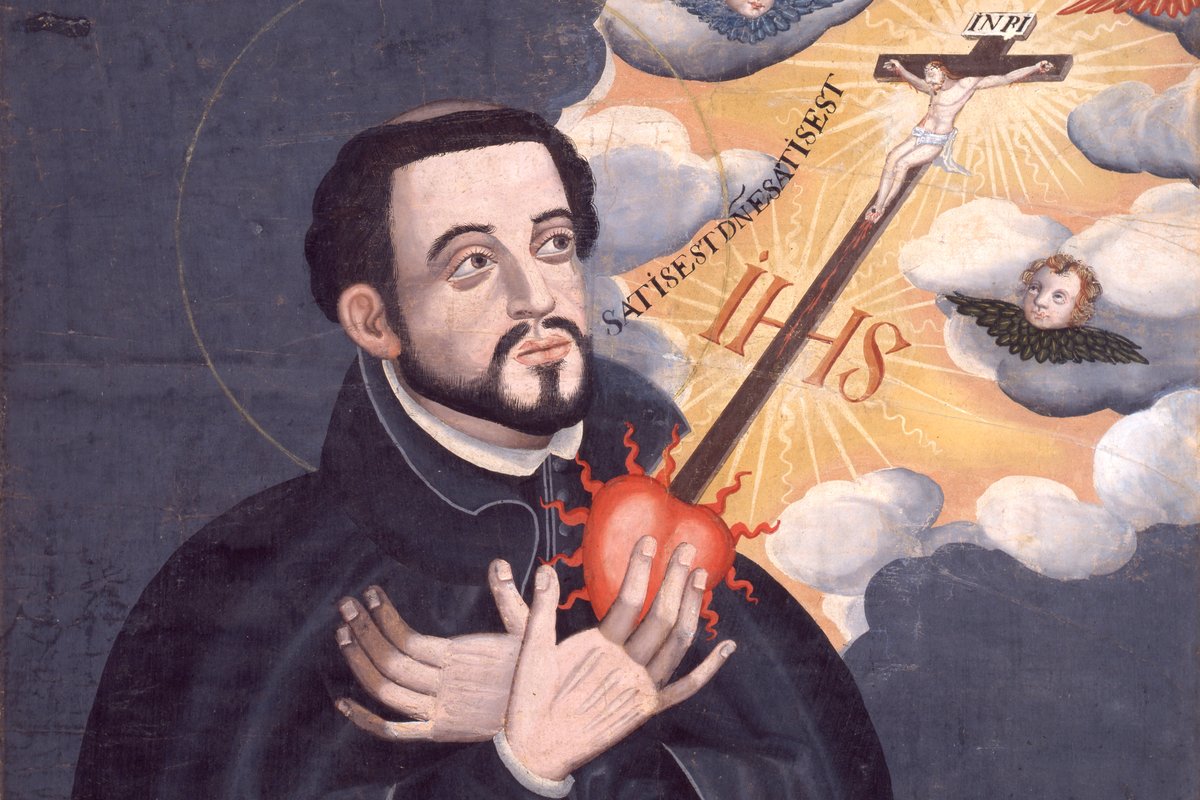
Francis Xavier — the Basque-Navarrese Jesuit who spent the last decade of his life evangelizing across Portuguese India, the Malay Archipelago, and Japan, a career told in full in this blog's biography of the saint — died on December 3, 1552, on Shangchuan (Sancian) Island, just off the coast of mainland China, while waiting for a way into a country then closed to foreigners. He never set foot on the mainland he had sailed there to reach. What makes Shangchuan Island matter to the story of his relics is a very practical, unromantic decision made at his burial: his companions packed his body in quicklime, a caustic substance normally used to speed decomposition, specifically so that his bones could later be separated from the flesh and carried back to Goa, the center of the Portuguese missionary world in Asia, where he had asked to be buried.
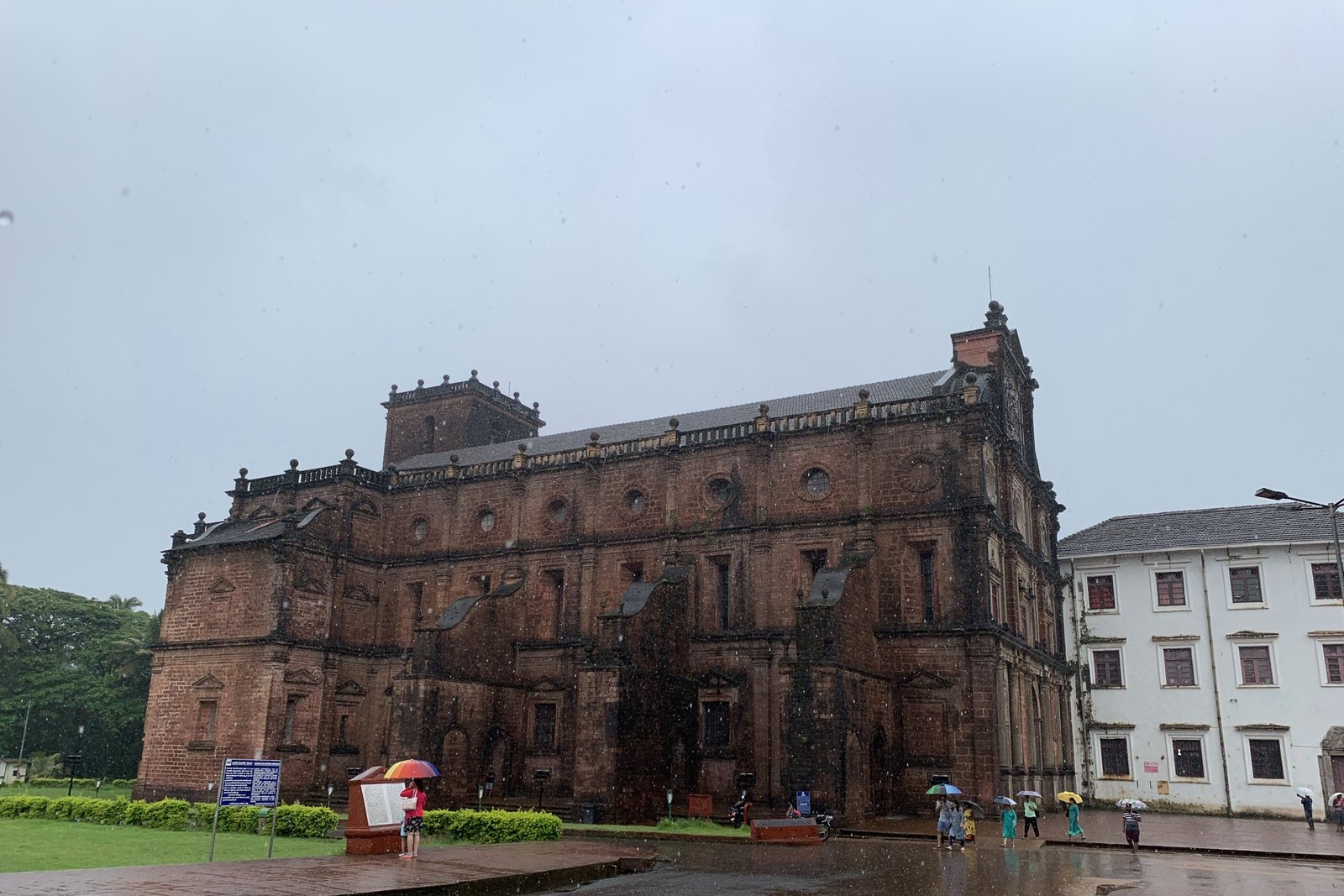
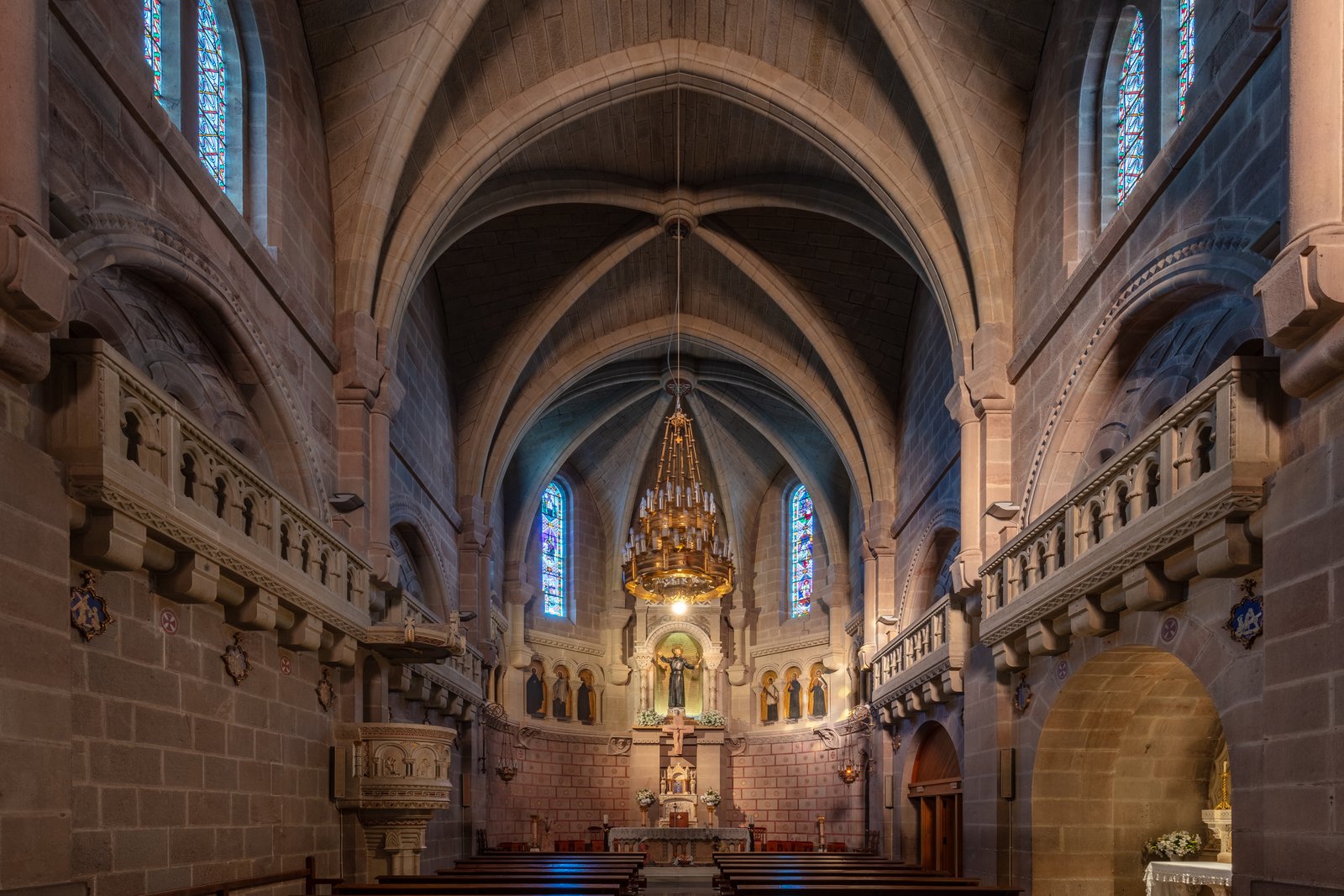
Photograph by Slyronit, Basilica of Bom Jesus, Goa — CC BY-SA 4.0, via Wikimedia Commons.
The plan to use quicklime for faster decomposition is exactly what makes the next part of the story worth taking seriously rather than dismissing as legend. According to the earliest Jesuit accounts, when the grave was opened on February 17, 1553 — roughly two and a half months after burial, and specifically to check whether the bones were ready to be moved — the body was found essentially intact, not reduced to bone at all. The same thing happened a second time: the body was carried by ship to Portuguese Malacca, buried there without a coffin, and when it was exhumed again on the night of August 15, 1553, it was reportedly still fresh, along with the priestly vestments it had been buried in. Two separate burials, two separate exhumations, both producing the same unexpected result, is a genuinely unusual historical record — not a single retold anecdote that could have drifted in the telling.
Arrival in Goa and the first public exposition
The body left Malacca and reached Goa in March 1554, and it was there, within weeks of arrival, that the first public exposition took place — the body laid out in an open coffin so the faithful of the city could venerate it before it was permanently enshrined. It's this exposition, not some later ceremony, that produced the incident this article's title is really about.
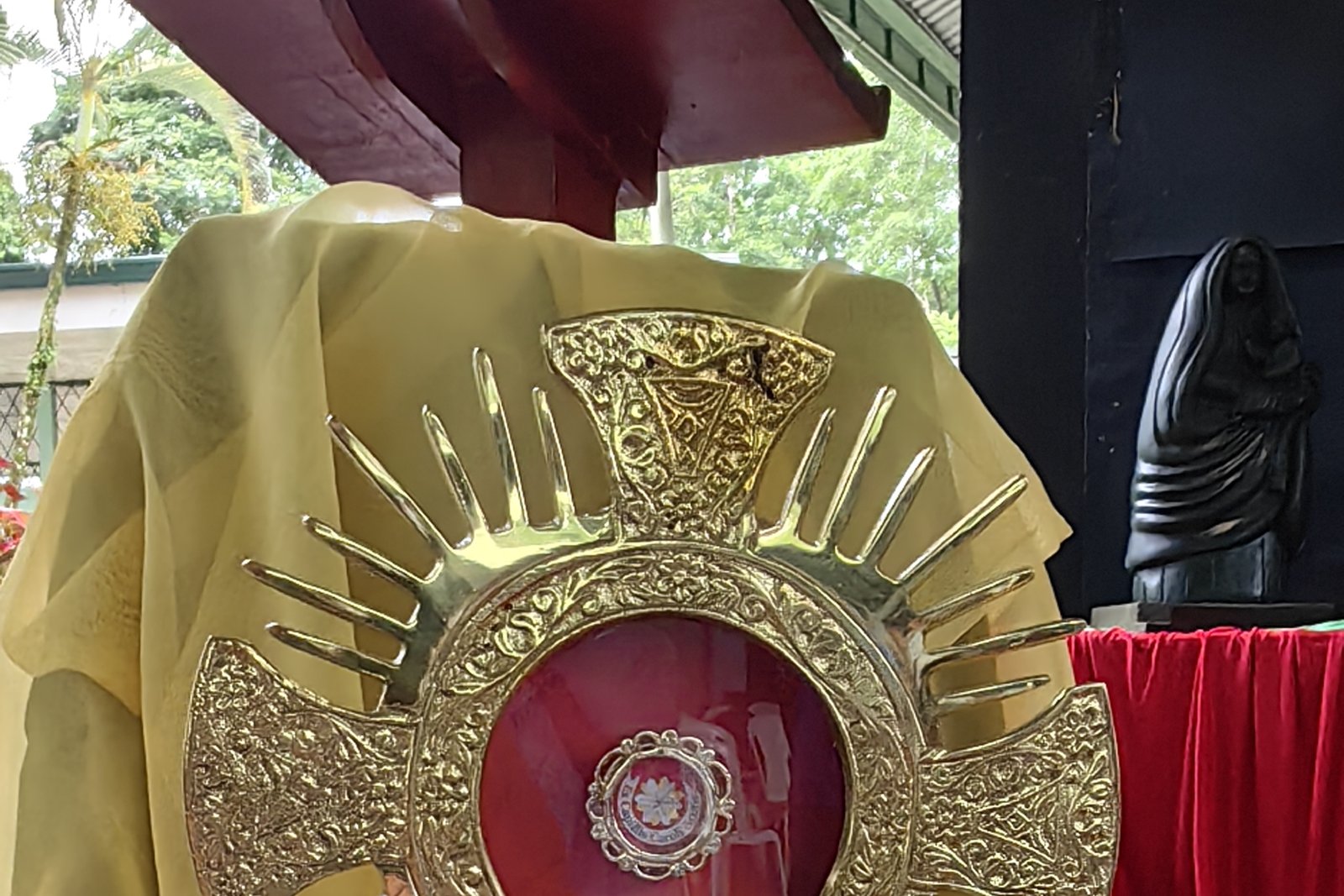
According to accounts recorded by Jesuit chroniclers and repeated in Goan historical sources since, a Portuguese noblewoman named Dona Isabel de Carom (the name also appears transliterated as Isabel de Caron in some later retellings) was determined to come away from the exposition with a physical relic of her own. She reportedly bit off a small toe from the saint's right foot with her teeth — an act the tradition describes as drawing blood even from remains that had already been dead and embalmed for well over a year, with the woman said to have left a trail of blood behind her as she carried the toe home. The toe eventually returned to Church hands and is kept today in a separate reliquary at the Basilica of Bom Jesus, displayed near the main casket rather than hidden away as an embarrassment. It's a story this blog treats as a documented piece of Goan religious history — recorded by contemporaries, not invented centuries later — while still flagging it plainly as a tradition passed down through chroniclers' accounts, not something independently verified by modern forensic examination.
From several churches to the silver casket at Bom Jesus
The body didn't go straight into the shrine pilgrims visit today. Between its arrival in 1554 and 1624, it was kept and moved among several churches in Goa while the Jesuits built and completed the Basilica of Bom Jesus specifically to house it permanently. The casket itself, the ornate silver reliquary visible above the high altar today, wasn't commissioned until decades later — it was crafted in 1637 by the Florentine sculptor Giovanni Battista Foggini, a gift from Cosimo III de' Medici, Grand Duke of Tuscany, and it's this casket, not the original coffin, that holds the body now.
The Basilica of Bom Jesus is itself a significant building apart from the relic inside it — a baroque church completed in 1605, one of the oldest churches in Goa still standing largely in its original form, and part of the cluster of structures in Old Goa recognized as a UNESCO World Heritage Site since 1986. Readers interested in the building's own architectural and historical standing, separate from the relic question, will find it covered in this blog's broader coverage of Goa's churches.
What later examinations actually found
The 1553 exhumations are the striking, well-documented part of the story. What's less often repeated is that the record doesn't describe an unchanging, perfectly preserved body across the following four and a half centuries. Successive examinations over the seventeenth, eighteenth, and nineteenth centuries recorded a body that had continued to change — showing genuine, ongoing deterioration rather than the kind of static, miracle-frozen state that popular retellings sometimes imply. By the time of the body's modern expositions, descriptions from pilgrims and clergy alike note visibly mummified, blackened remains rather than lifelike flesh.
That distinction matters for the same reason it matters in other sacred-relics coverage on this blog, such as the preserved body of Saint Bernadette Soubirous: a genuinely unusual initial preservation, recorded by contemporaries close to the event, is a real and interesting historical fact in its own right. It doesn't require inflating into a claim of uninterrupted, centuries-long incorruption to remain remarkable. The Catholic Church itself has never required or declared physical preservation a condition of sainthood — Francis Xavier's own canonization in 1622 rested on his life, his missionary labor, and miracles attributed to his intercession investigated through the normal canonical process, not on a forensic claim about the state of his remains. The Church's broader teaching on relics (see the Catechism of the Catholic Church, nos. 957, 1674, and 2300) frames their veneration around the communion of saints and respect for the dead, not around any guarantee of non-decay.
The decennial exposition today
The tradition that began with that first 1554 exposition in Goa continues in a far more organized form now. Roughly every ten years, the Basilica of Bom Jesus holds a Solemn Exposition: the silver casket is lowered from its high perch above the altar, opened, and the body made visible to the public for veneration over a period of several weeks. The most recent, the eighteenth exposition in the modern series, ran from November 2024 into January 2025 and drew several million pilgrims from across India and abroad; the exposition before it, in 2014, drew an estimated 5.5 million visitors to Old Goa. Between expositions, the casket remains closed and the body is not generally visible, which is part of why the decennial events draw such enormous crowds — for most pilgrims, it's a once-in-a-decade opportunity rather than a routine visit.
What draws so many people to Bom Jesus, across four and a half centuries now, isn't really a claim that time has stood still inside that silver casket. It's closer to what this blog has found true of other relics covered here: a documented, physical point of contact with a specific life the Church recognizes as holy — a life that, in Xavier's case, was spent almost entirely in motion, crossing more of Asia on foot and by ship than nearly any other European of his century. The body that finally came to rest in Goa took its own long, strange journey to get there, and the record of that journey, read honestly, needs no exaggeration to hold a reader's attention.
Trivia
Where is Saint Francis Xavier's body kept today?
Is it true a woman bit off one of Saint Francis Xavier's toes?
Was Francis Xavier's body really found undecayed after burial?
How often can pilgrims see Saint Francis Xavier's body?
Is there a Saints Home product connected to Saint Francis Xavier?
Related Reading