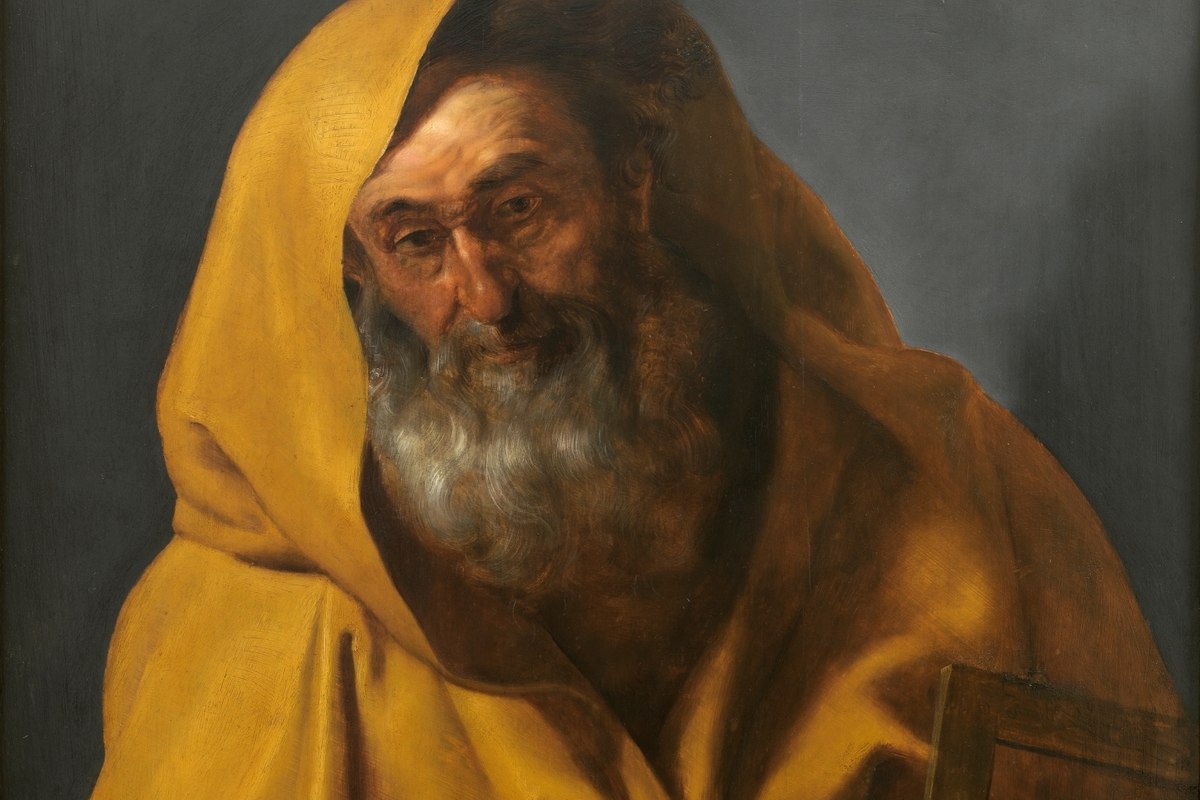
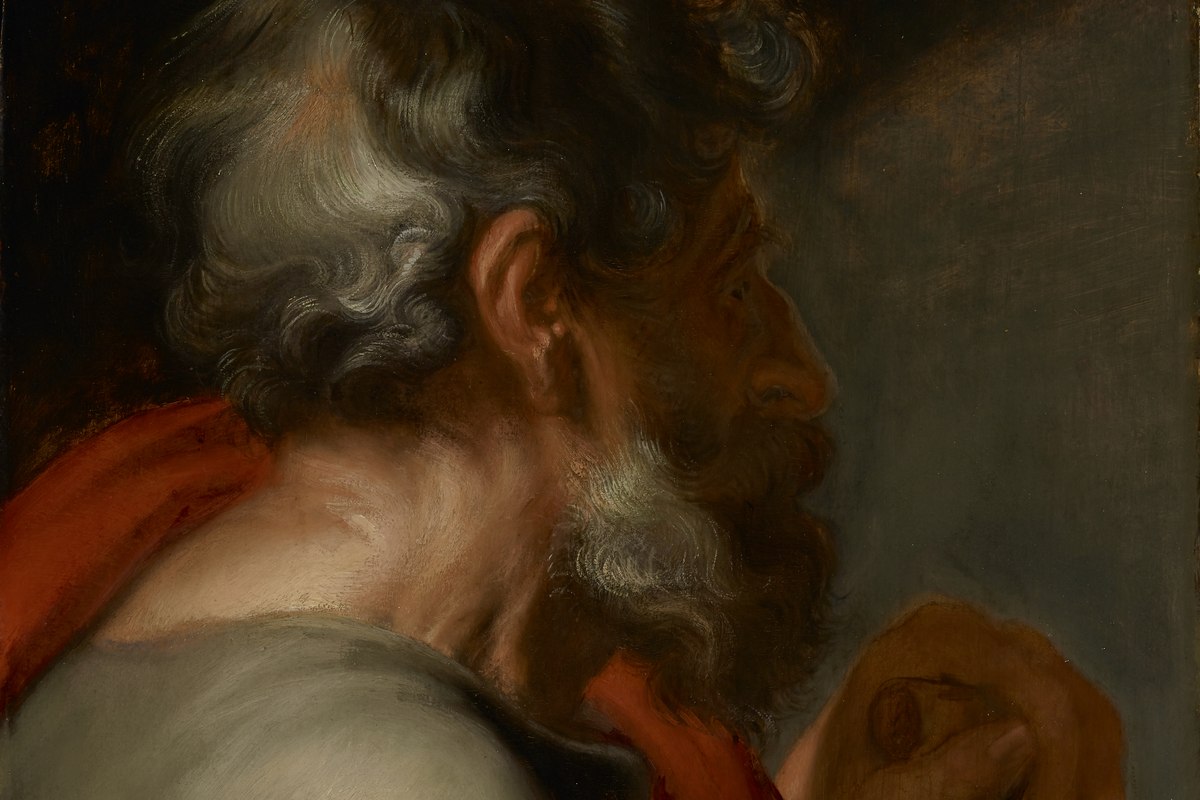
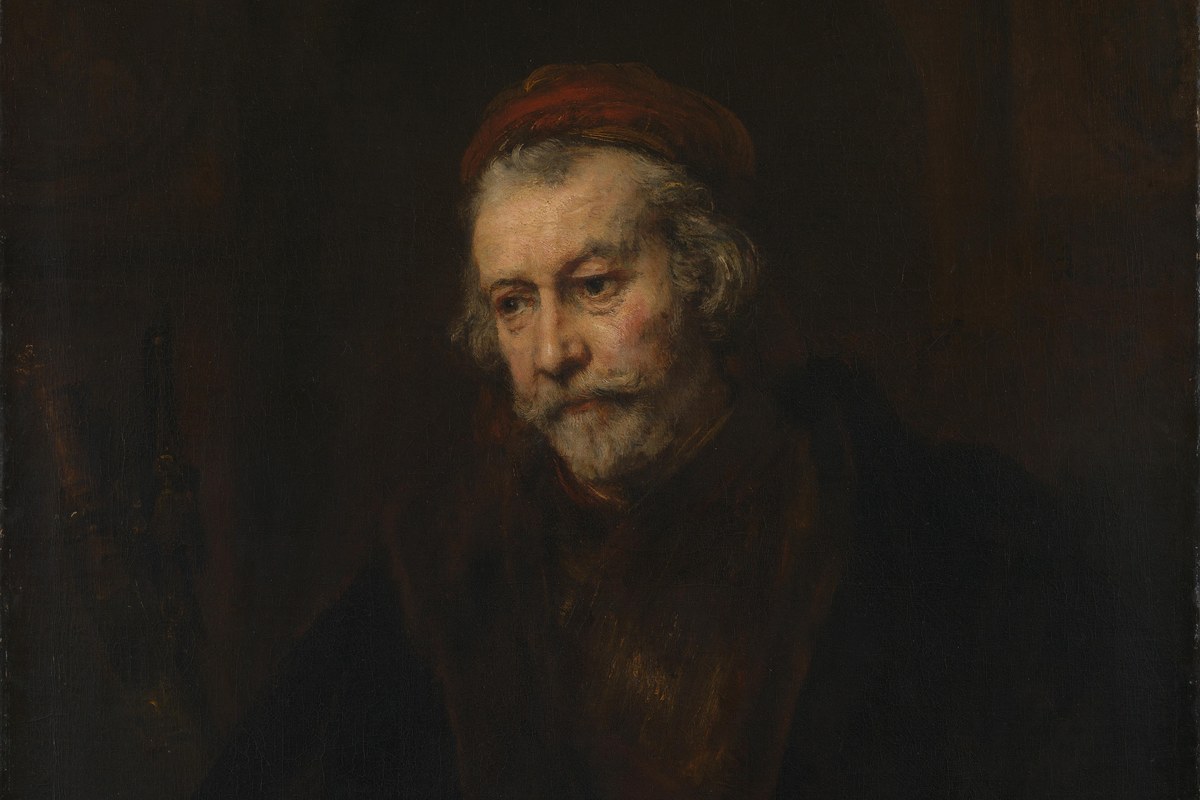
Saint Bartholomew the Apostle

A name, and a question of identity
Bartholomew appears in the lists of the twelve apostles given in the Gospels of Matthew, Mark, and Luke, always paired closely with Philip, but none of these three Gospels tells any story about him directly — he is simply named. "Bartholomew" itself is a patronymic rather than a personal name, meaning "son of Tolmai" in Aramaic, which is part of why most scholars believe he also carried a separate given name of his own, and identify him with Nathanael, the man whose personal encounter with Jesus is recounted only in John's Gospel. John never uses the name Bartholomew at all, and the Synoptic Gospels never mention Nathanael — a pattern of near-total overlap that has led the Church, since ancient times, to treat the two names as belonging to the same apostle.
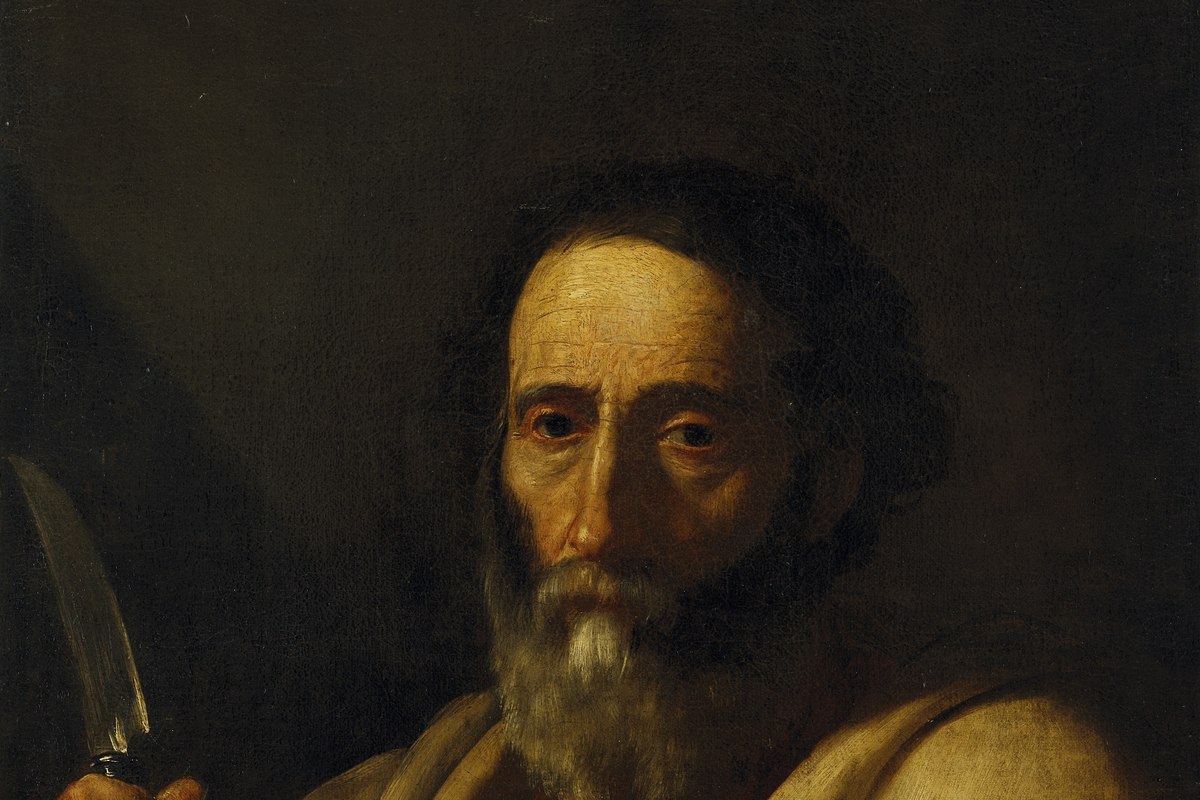
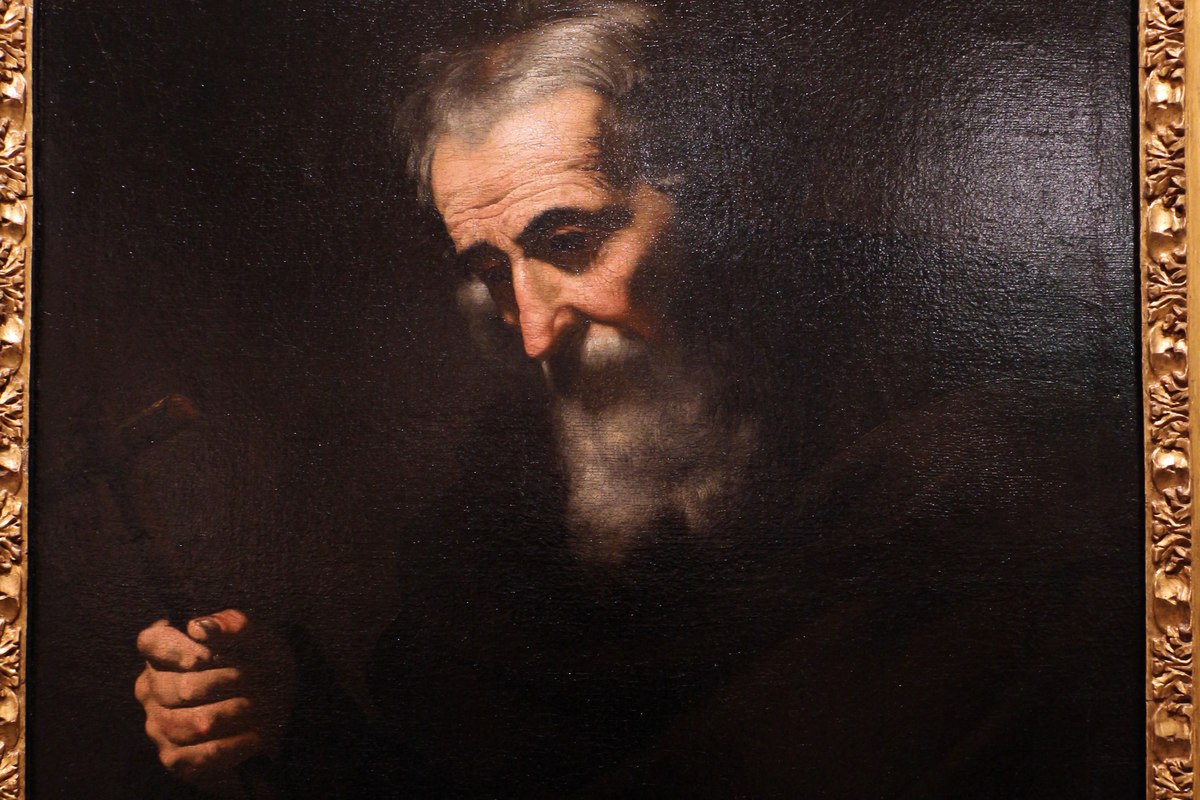
Jusepe de Ribera, "Saint Bartholomew," c. 1630 — public domain.
Known before he was met
Bartholomew is introduced to Jesus by his friend Philip, who finds him and insists he come see the man he believes is the Messiah foretold in the Law and the Prophets. Nathanael is skeptical at first, reportedly asking whether anything good could come out of Nazareth, a small and unremarkable town. But Jesus's first words to him arrive before any real introduction has taken place: "Here is a true Israelite. There is no duplicity in him." (John 1:47, RSV-CE). It's an odd thing to say to a total stranger, specific enough that it immediately demands an explanation.
A skeptic's honest question, answered directly
Bartholomew doesn't simply accept the compliment. He asks the obvious question: "How do you know me?" (John 1:48, RSV-CE). Jesus's answer is even stranger than the original remark: "Before Philip called you, I saw you under the fig tree." (John 1:48, RSV-CE) — a claim to knowledge Jesus had no ordinary way of possessing. Whatever exactly Bartholomew had been doing under that tree, whether praying, studying the Torah, or simply resting in its shade, the specificity is what seems to break through his skepticism entirely.
A confession as sudden as the compliment
Bartholomew's response matches the intensity of what triggered it: "Rabbi, you are the Son of God! You are the King of Israel!" (John 1:49, RSV-CE) — one of the most direct declarations of Jesus's identity offered by anyone in the Gospels, arriving within moments of their first real exchange, well before Peter's own famous confession later in the Gospel accounts. There's no gradual build of trust recorded here, no extended period of doubt. A single, oddly specific remark seems to have been enough, and Jesus responds by telling him he will see even greater things still — heaven opened, and angels ascending and descending upon the Son of Man.
A brutal end, remembered in vivid detail
Of Bartholomew's later life, only fragments survive — missionary journeys traditionally placed in India, Mesopotamia, and especially Armenia, where he is said to have converted a king and his household after healing the king's afflicted daughter, and where he is honored as a founding figure of the Armenian Apostolic Church alongside the apostle Thaddaeus. His death is remembered far more vividly than his ministry: tradition holds he was flayed alive and beheaded on the order of the Armenian king Astyages, reportedly continuing to preach even as the torture was inflicted. That grim detail is exactly why later artists, including the somber Ribera portrait above and Michelangelo's famous depiction of him in the Sistine Chapel's Last Judgment (where he holds his own flayed skin, said to bear a subtle self-portrait of the artist), so often depict him holding the knife associated with his own martyrdom — a stark, permanent reminder of what his conviction ultimately cost him, echoed in the equally dramatic martyrdom traditions surrounding fellow apostles like Saint Jude Thaddaeus, who by tradition was killed on the same missionary field in Armenia.
Patron of a difficult trade
Bartholomew's patronage of tanners and leatherworkers is one of the more direct examples in Christian tradition of a saint's patronage growing straight out of the manner of his death: tanning, the process of turning animal hides into leather, involved cutting and stripping skin in ways medieval craftsmen saw as visually and symbolically close to the flaying tradition held he suffered. Guilds of tanners, butchers, and leatherworkers across medieval Europe adopted him as their patron and often funded elaborate chapels or altarpieces in his honor, some of which survive today as significant works of religious art. His feast day, August 24, was historically a notable date on the medieval calendar of fairs and markets in parts of England and continental Europe, since trade fairs were frequently timed around saints' feast days as natural gathering points for buying, selling, and settling accounts before the changing seasons — a practical, everyday legacy quietly layered on top of the far more dramatic story of his martyrdom.
Trivia
Is Bartholomew the same person as Nathanael in John's Gospel?
What did Jesus say about him before they had even met?
How did Bartholomew respond to Jesus?
How did Bartholomew die?
What is Saint Bartholomew the patron saint of, and when is his feast day?
Related Reading