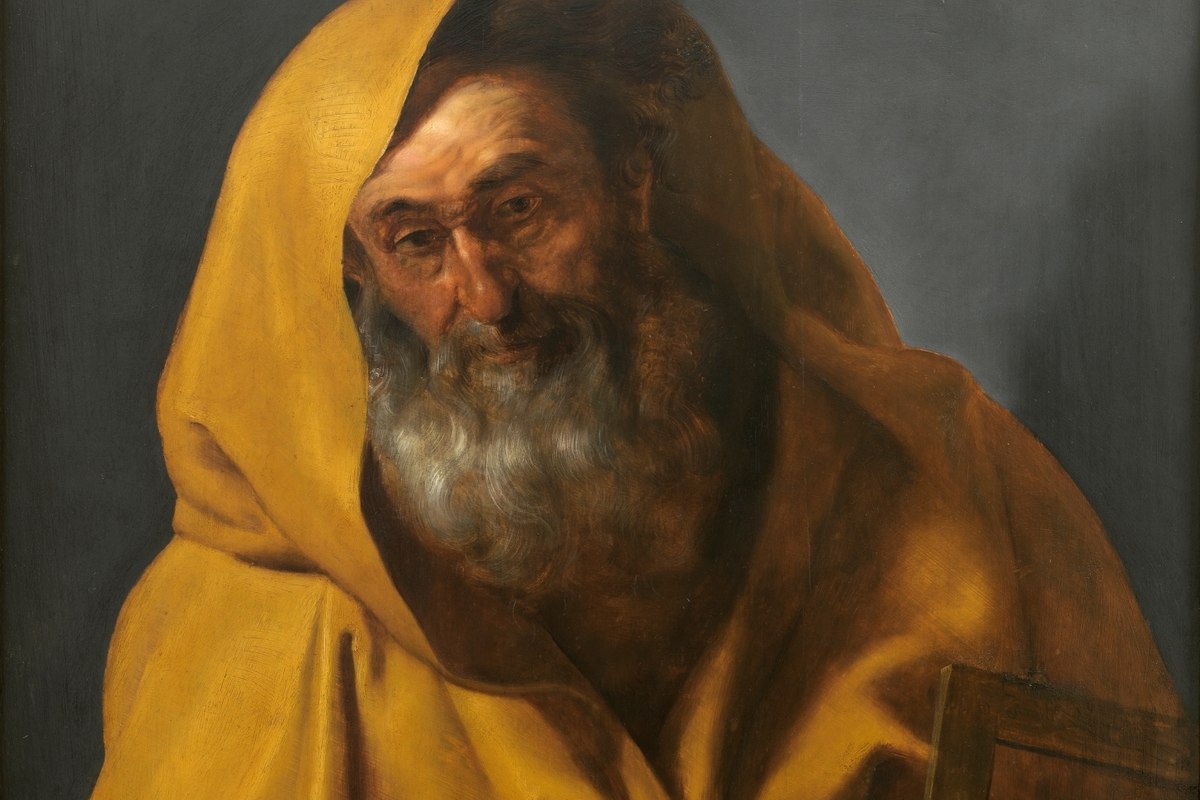
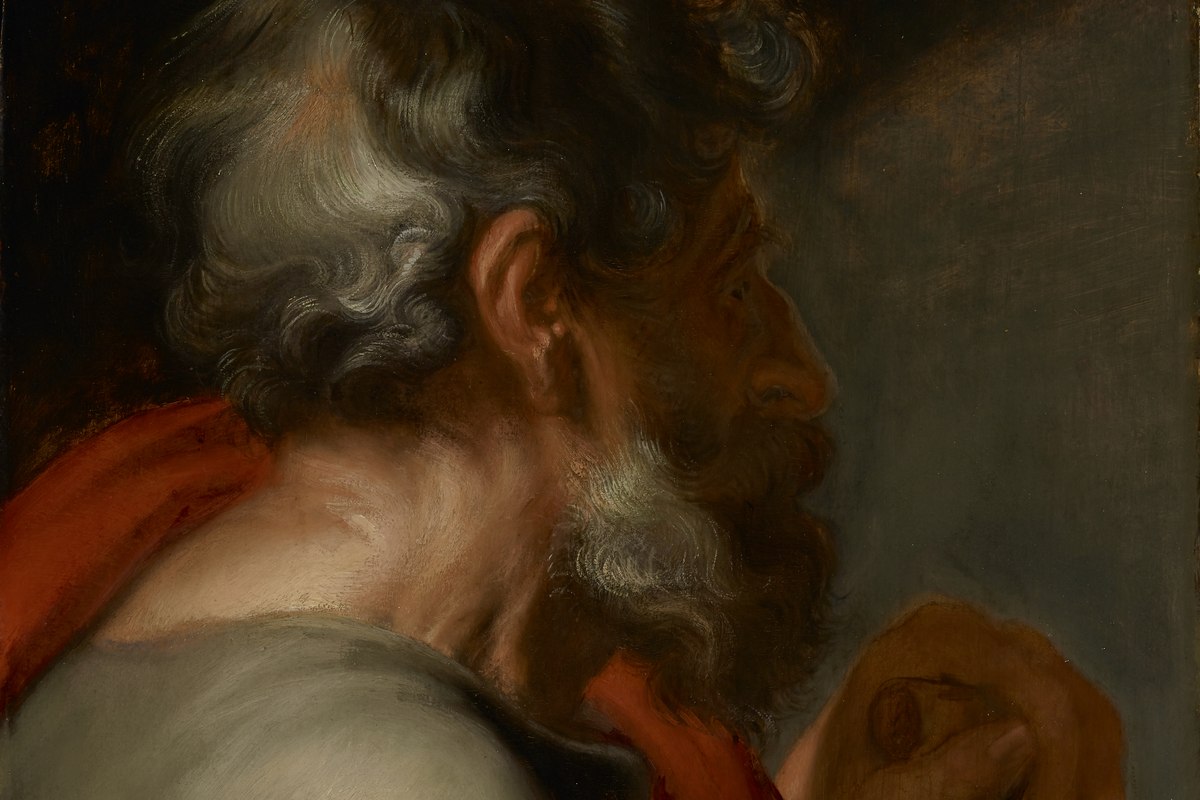
Saint Philip the Apostle

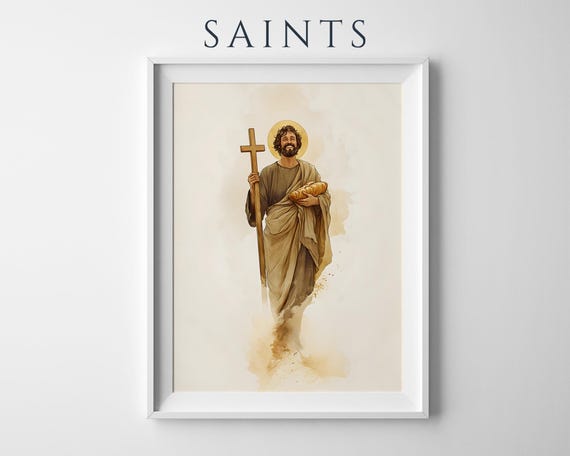
An apostle from a Greek-speaking town
Philip is one of the first men Jesus calls, appearing early in John's Gospel alongside Andrew and Peter, all three from the fishing town of Bethsaida on the Sea of Galilee. It's Philip himself who does the recruiting of Nathanael, another future apostle, telling him plainly that they had "We have found the one about whom Moses wrote in the law, and also the prophets, Jesus, son of Joseph, from Nazareth." (John 1:45, RSV-CE). When Nathanael responds skeptically — "Can anything good come out of Nazareth?" — Philip doesn't argue theology with him. He simply says "Come and see," a phrase that has since become something of a motto for evangelization itself: not persuasion by argument, but an invitation to look for oneself. Bethsaida's location, on the edge of largely Greek-speaking territory, may also explain why it's Philip — bearing a Greek name himself — whom the Greek pilgrims later seek out at the Temple.
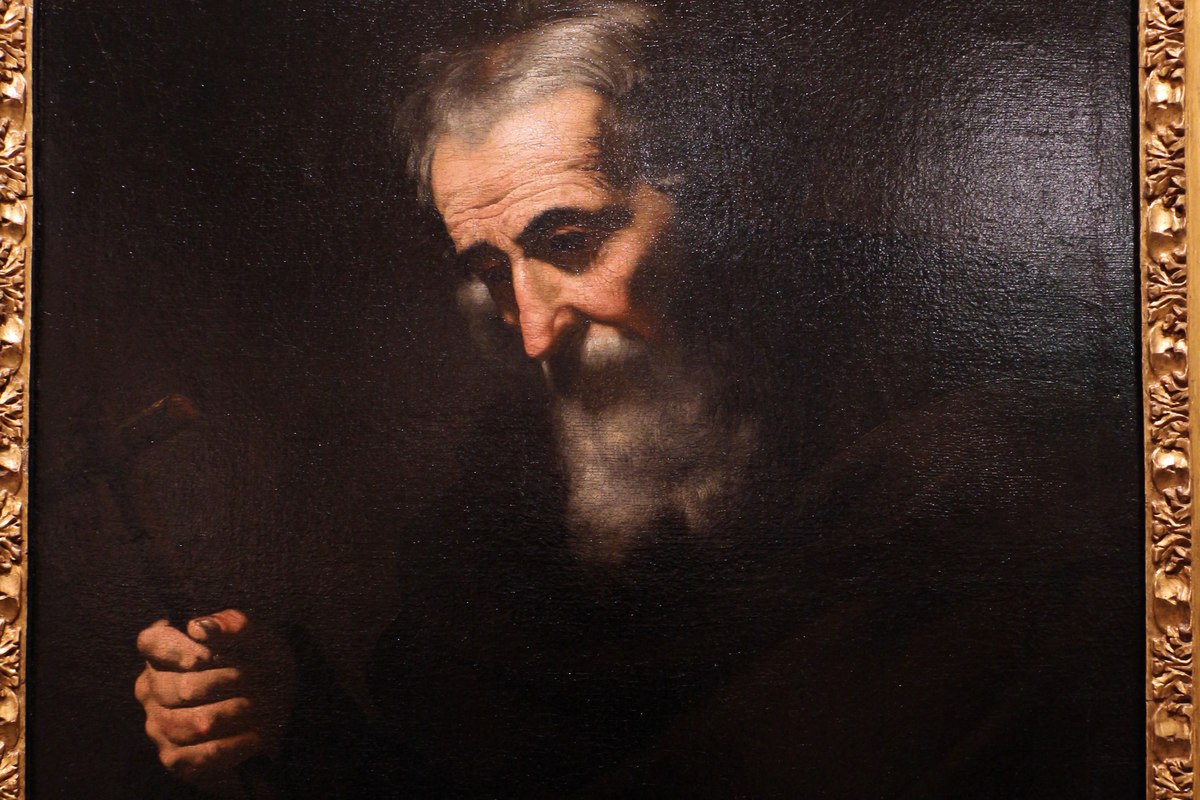
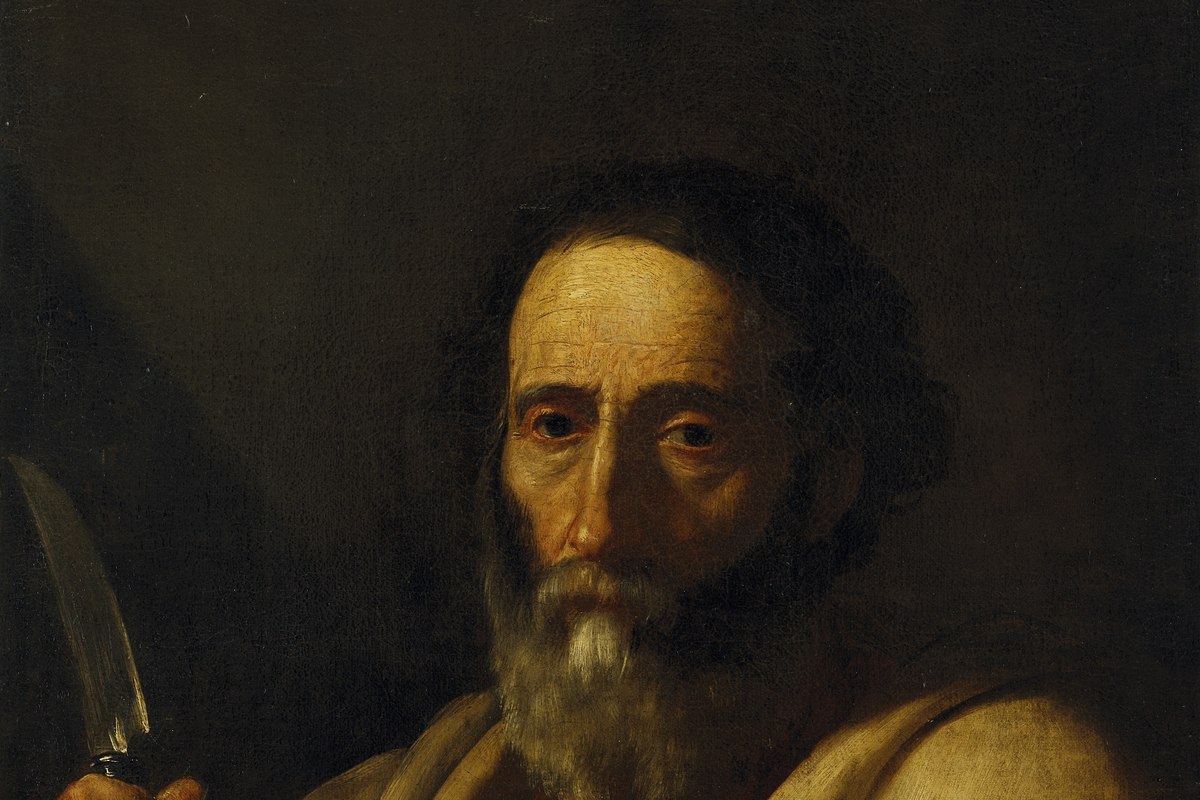
Jusepe de Ribera, "Saint Philip," c. 1618 — public domain.
The apostle tested over the loaves
Philip's most memorable moment before the Last Supper comes during the feeding of the five thousand, when Jesus turns to him first with a question about how to feed the enormous crowd gathered before them — a test, John's Gospel notes, since Jesus already knew what he intended to do. Philip's practical response, calculating the impossible cost of enough bread, sets up the miracle that follows. That association with bread would later become his standard identifying symbol in medieval Christian art, much as loaves and fishes recall the feeding of the five thousand itself whenever they appear in a painting or a stained-glass window.
A question that reveals how much he still didn't understand
Philip's most striking moment, though, comes much later, at the Last Supper, after years spent following Jesus. Amid Jesus's long farewell discourse, Philip interrupts with a request: "Master, show us the Father, and that will be enough for us." (John 14:8, RSV-CE). Jesus's answer carries an unmistakable note of surprise: "Jesus said to him, “Have I been with you for so long a time and you still do not know me, Philip? Whoever has seen me has seen the Father. How can you say, ‘Show us the Father’?" (John 14:9, RSV-CE). The exchange is oddly reassuring precisely because of how human it is — proof that even one of the twelve, after years of direct proximity to Jesus, could still be searching for something he'd already been shown.
A bridge between Jesus and those seeking him
On another occasion, it's Philip that a group of Greeks approach when they want to see Jesus, and Philip who brings the request to Andrew before the two of them together carry it to Jesus. It's a small detail, but a consistent one — across multiple Gospel scenes, Philip repeatedly appears in the role of intermediary, someone people go through when they want access to Jesus rather than a central figure of the story himself.
Confused with another Philip
Later Christian tradition sometimes blurred Philip the Apostle together with Philip the Evangelist, one of the seven deacons chosen in the Acts of the Apostles, who baptized the Ethiopian official on the road to Gaza. The two were distinct men serving different roles in the early Church, but the overlap in name, and the scarcity of hard information about either one after the Gospels end, meant that later legends and even some early martyrologies occasionally folded their stories together. Most modern scholarship treats them as separate figures, with the deacon Philip's ministry unfolding mainly around the coastal cities of Judea while the apostle's took him much farther east.
A martyrdom that echoed his years of quiet service
Tradition holds that Philip's later ministry took him to Hierapolis, where his preaching led to the conversion of the wife of the city's proconsul — a success that provoked the proconsul's fury and led to Philip's arrest. He is said to have been crucified upside down alongside the apostle Bartholomew, continuing to preach even as the execution was carried out. It's a fitting final scene for an apostle whose defining trait, across every Gospel appearance, was less dramatic leadership and more quiet, persistent service to whoever needed to reach Jesus.
Remembered in East and West alike
Philip's feast is kept on May 3 in the current Roman calendar, shared with Saint James the Lesser, though for centuries the Western Church observed it on May 1 before the date shifted to make room for the modern feast of Saint Joseph the Worker. The Eastern Orthodox Church keeps his feast separately, on November 14, and traditionally opens its Nativity fast the following day — meaning Philip's commemoration marks, for millions of Eastern Christians every year, the unofficial beginning of the season of preparation for Christmas. A large basilica built in his honor at Hierapolis, in modern-day Turkey, was rediscovered by archaeologists only in 2011, when excavators uncovered what they believe to be his tomb beneath its ruins — a find that gave fresh physical weight to a tradition that had, until then, survived on written accounts alone.
Trivia
What role does Philip play in the feeding of the five thousand?
What did Philip ask Jesus at the Last Supper?
What other role does Philip play in the Gospels?
How did Philip die?
Related Reading