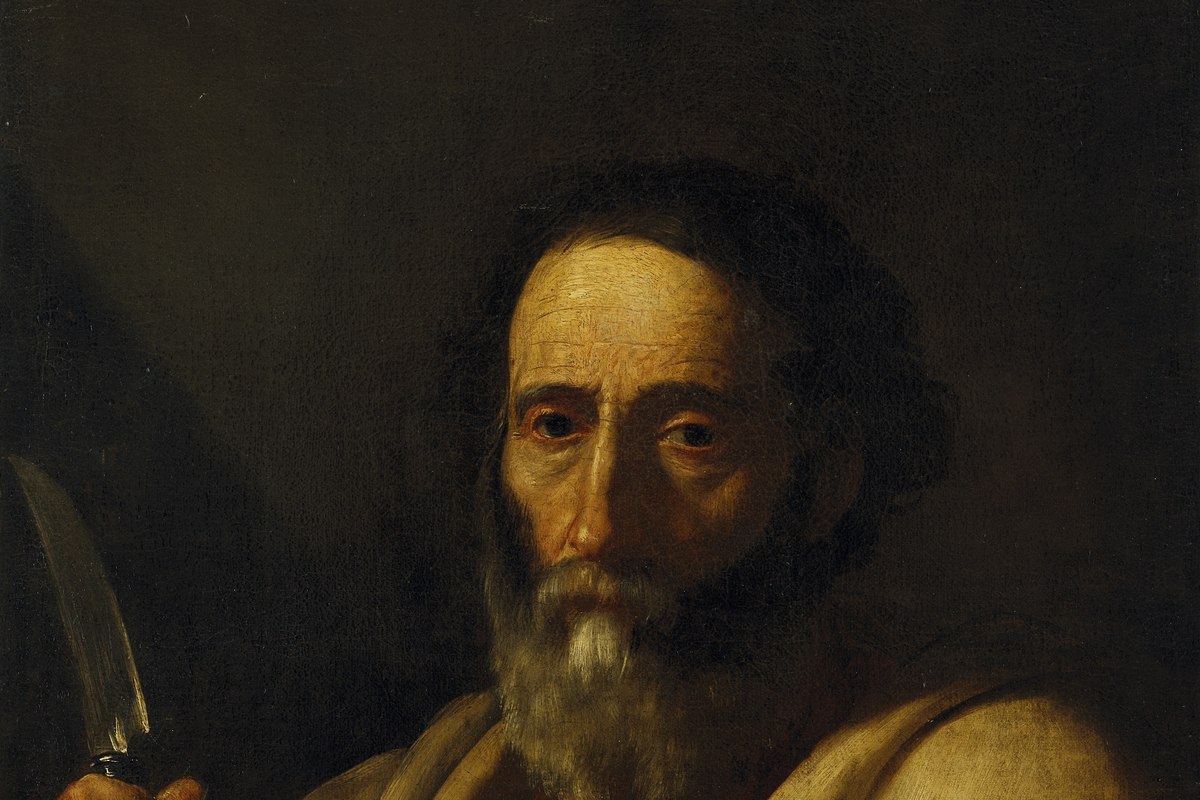
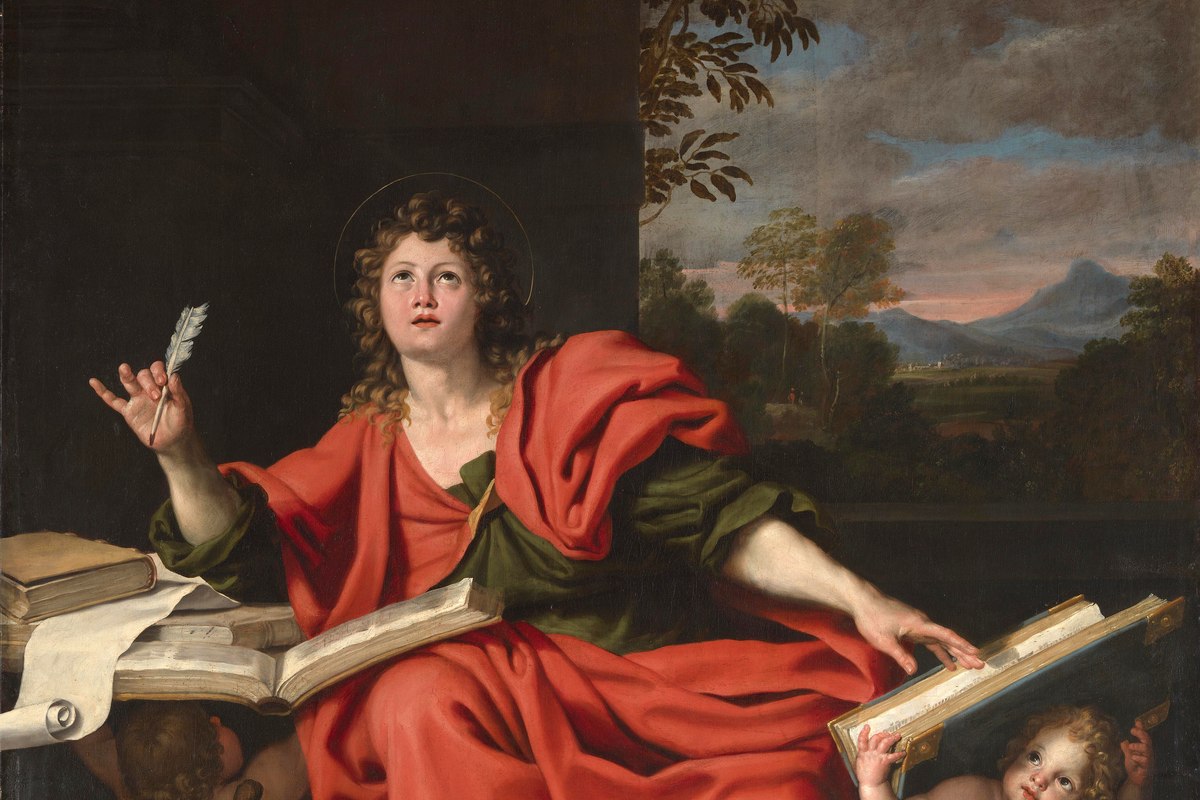
Saint James the Greater

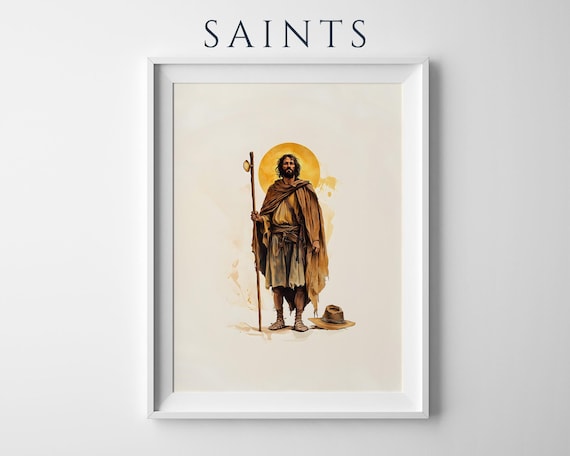
A fisherman with a temper worth naming
James was a fisherman on the Sea of Galilee, the son of Zebedee and brother of the apostle John, called away from the family trade alongside his brother to follow Jesus. What set the two brothers apart, at least in Jesus's own estimation, was temperament: he nicknamed them "Boanerges," or "Sons of Thunder" (Mark 3:17) — a name that has long been read as a comment on their passionate, quick-tempered nature rather than anything gentler.
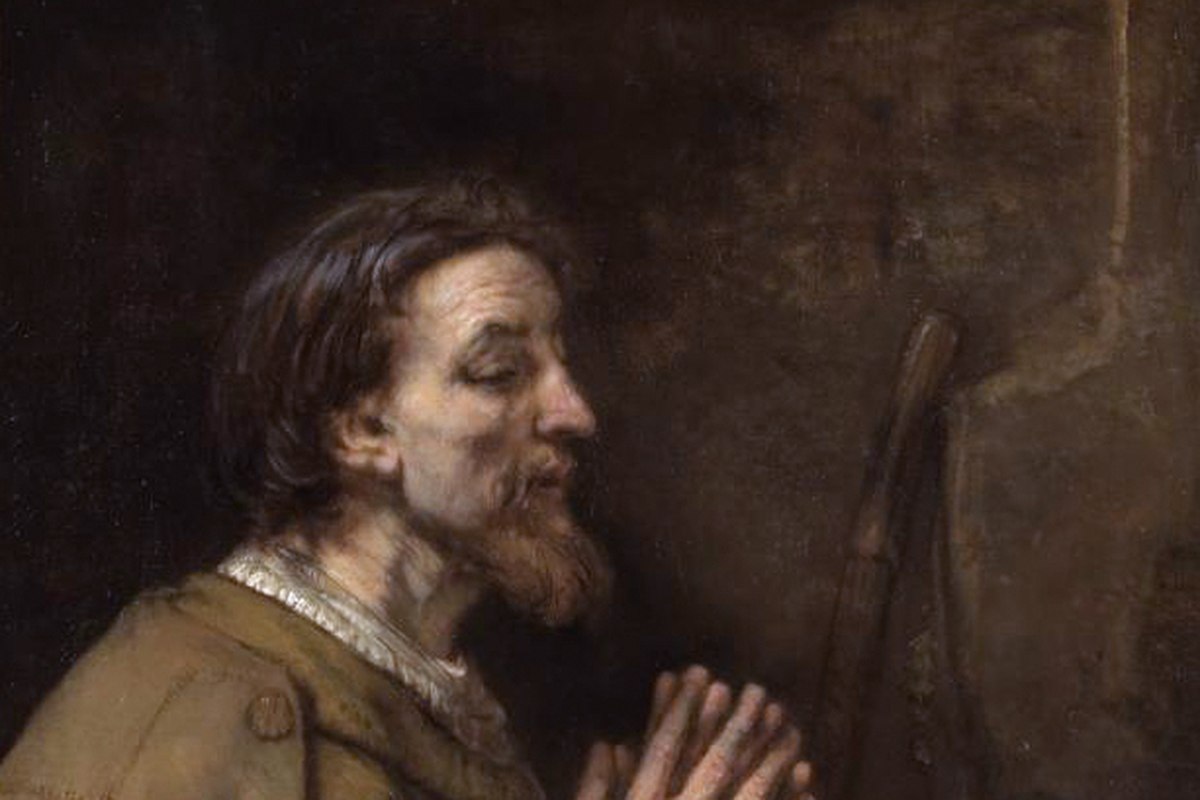
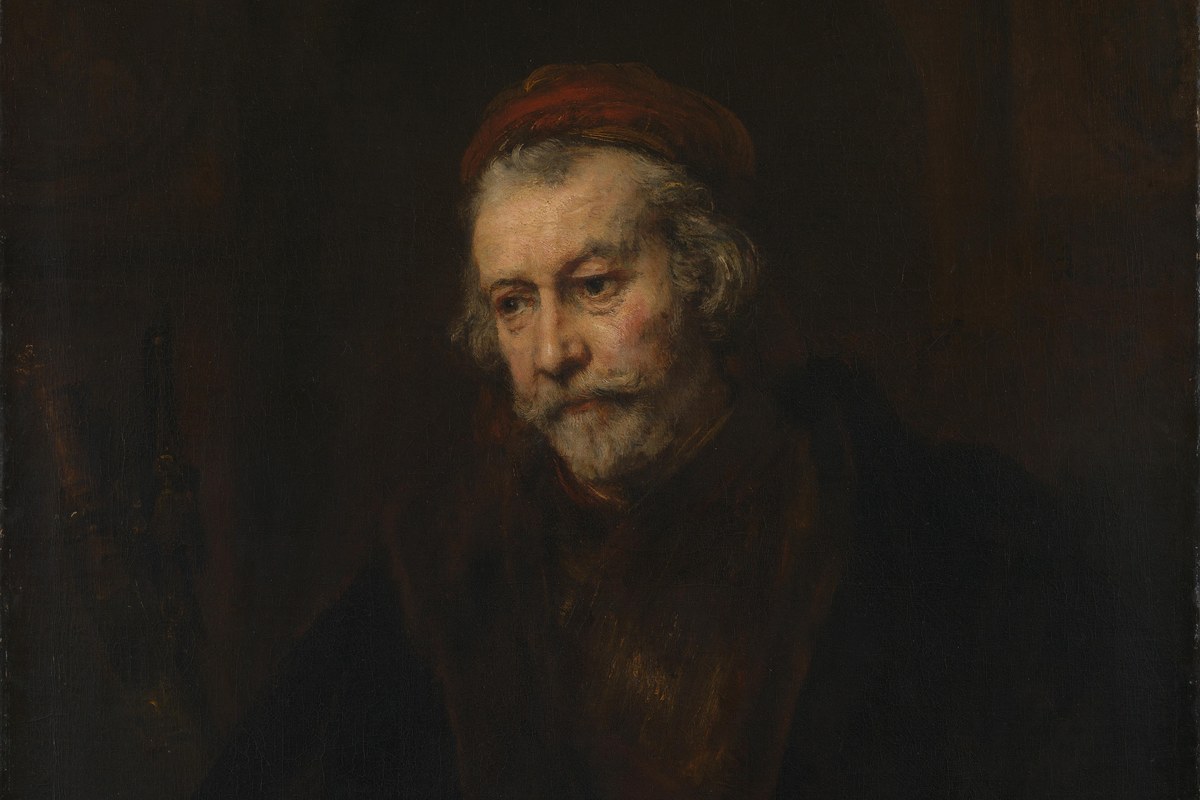
Rembrandt, "Saint James the Greater," 1661 — public domain.
The first apostle to die for his faith
Of the twelve, James holds a grim distinction: he was the first to be martyred. Acts records the event without elaboration: "About that time King Herod laid hands upon some members of the church to harm them. He had James, the brother of John, killed by the sword," (Acts 12:1-2, RSV-CE). It happened around 44 AD — startlingly early, just over a decade after the resurrection, and by direct royal order rather than mob violence or a drawn-out trial.
A body that traveled far after death
What happened next belongs to a much later tradition rather than Scripture itself: James's disciples, it's said, carried his body from Judea to Spain, where it was eventually buried. Centuries afterward, a hermit named Pelayo reported seeing a bright light over a field in Galicia, leading to the discovery of what was believed to be the apostle's tomb — giving the site its name, Compostela, likely derived from the Latin Campus Stellae, "Field of Stars."
From a forgotten field to the Camino
That discovery transformed an obscure corner of northern Spain into Santiago de Compostela, its cathedral now one of the most significant pilgrimage destinations in the Christian world — and James into the patron saint of Spain itself. The scallop shell associated with the Camino de Santiago still marks the route today, carried by pilgrims walking the same paths toward the same shrine, in honor of an apostle whose actual biblical story ends abruptly, decades before any of it existed.
Why the scallop shell?
Long before it became a hiker's souvenir, the scallop shell (concha de vieira in Spanish) was a practical marker: medieval pilgrims who completed the walk to Compostela would pick one up from the Galician coast as proof they had reached the sea at the edge of the known world. Over time it became James's standard attribute in art — he is almost always shown holding a pilgrim's staff, wearing a wide-brimmed hat, and bearing a shell pinned to his cloak, distinguishing him from the other apostles in group paintings where individual faces can be hard to tell apart. A second, more martial image also attaches to him: Santiago Matamoros, "Saint James the Moor-slayer," a mounted warrior-saint invoked during the centuries of the Reconquista. That image belongs entirely to later legend rather than to anything in Scripture or the earliest accounts of his life, and it sits uneasily alongside the fisherman called by the Sea of Galilee — a reminder of how a saint's memory can be reshaped to fit the politics of a much later age.
A witness inside the inner circle
James's importance in the Gospels goes beyond his temperament and his early death. Along with Peter and his own brother John, he formed part of a smaller circle within the twelve who alone were present at several pivotal moments: the Transfiguration on the mountain, the raising of Jairus's daughter, and Jesus's agony in the garden of Gethsemane the night before the crucifixion. That inclusion suggests a closeness to Jesus that the "Sons of Thunder" nickname alone doesn't capture — James was rebuked for his temper (as in the episode where he and John wanted to call down fire on an inhospitable Samaritan village, Luke 9:54) but also trusted with the most intimate moments of Jesus's ministry.
A pilgrimage that outgrew a legend
By the High Middle Ages, the Camino de Santiago had become one of the three great pilgrimages of Latin Christendom, alongside journeys to Rome and Jerusalem. Its network of routes stretched across France and northern Spain, dotted with hospices, bridges, and churches built specifically to serve travelers, and it did more than move pilgrims — it moved Romanesque architecture, relics, and ideas across a continent still recovering from centuries of fragmentation. The tradition of walking to Compostela never fully died out even as Europe modernized, and it saw a dramatic revival in the late twentieth century, when UNESCO recognized the route as a World Heritage site and a new generation of walkers — not all of them religious pilgrims in the medieval sense — rediscovered it. Today hundreds of thousands of people complete some portion of the Camino each year, collecting stamps in a pilgrim's passport and, at journey's end, a compostela certificate at the cathedral believed to hold the apostle's remains. Whether or not the bones beneath the high altar are truly his — a question that belongs to faith and tradition, not verifiable history — the pilgrimage itself has become one of the most tangible ways the memory of a first-century Galilean fisherman continues to shape the lives of people who walk in his name.
Trivia
Why is he called 'James the Greater'?
Why did Jesus nickname James and his brother 'Sons of Thunder'?
How did James die?
What is the connection to Santiago de Compostela?
Related Reading