Saint Luke the Evangelist — Painter

A Gentile physician who joined Paul
Luke was born in Antioch, one of the great cities of the eastern Roman Empire, to a pagan family, and worked as a physician — a Gentile Greek from Syria who never personally met Jesus during his earthly ministry. That fact alone makes Luke unusual among the Gospel writers: unlike Matthew and John, traditionally counted among the Twelve Apostles, Luke had to gather his account secondhand, relying on the testimony of eyewitnesses, a method he describes openly in his Gospel's opening lines, where he says he investigated everything carefully from the beginning in order to write "an orderly account." After hearing Saint Paul speak about Christ, Luke embraced the faith and never left Paul's side again, becoming one of his closest traveling companions on his missionary journeys across Asia Minor and Greece, and following him even to his martyrdom in Rome around 67 AD. The Epistle to the Colossians calls him "the beloved physician," a title that has stayed attached to his name ever since, and reflects how deeply Paul valued his companionship, especially in his final imprisonment.
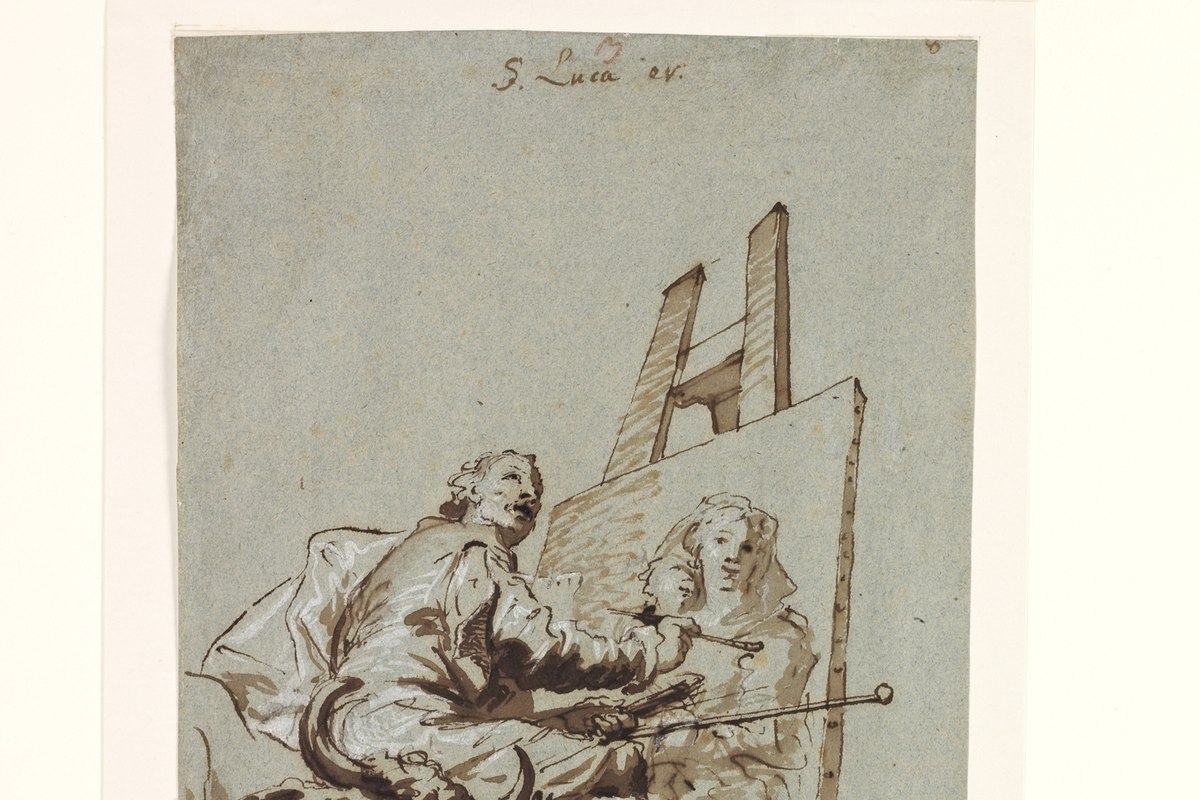
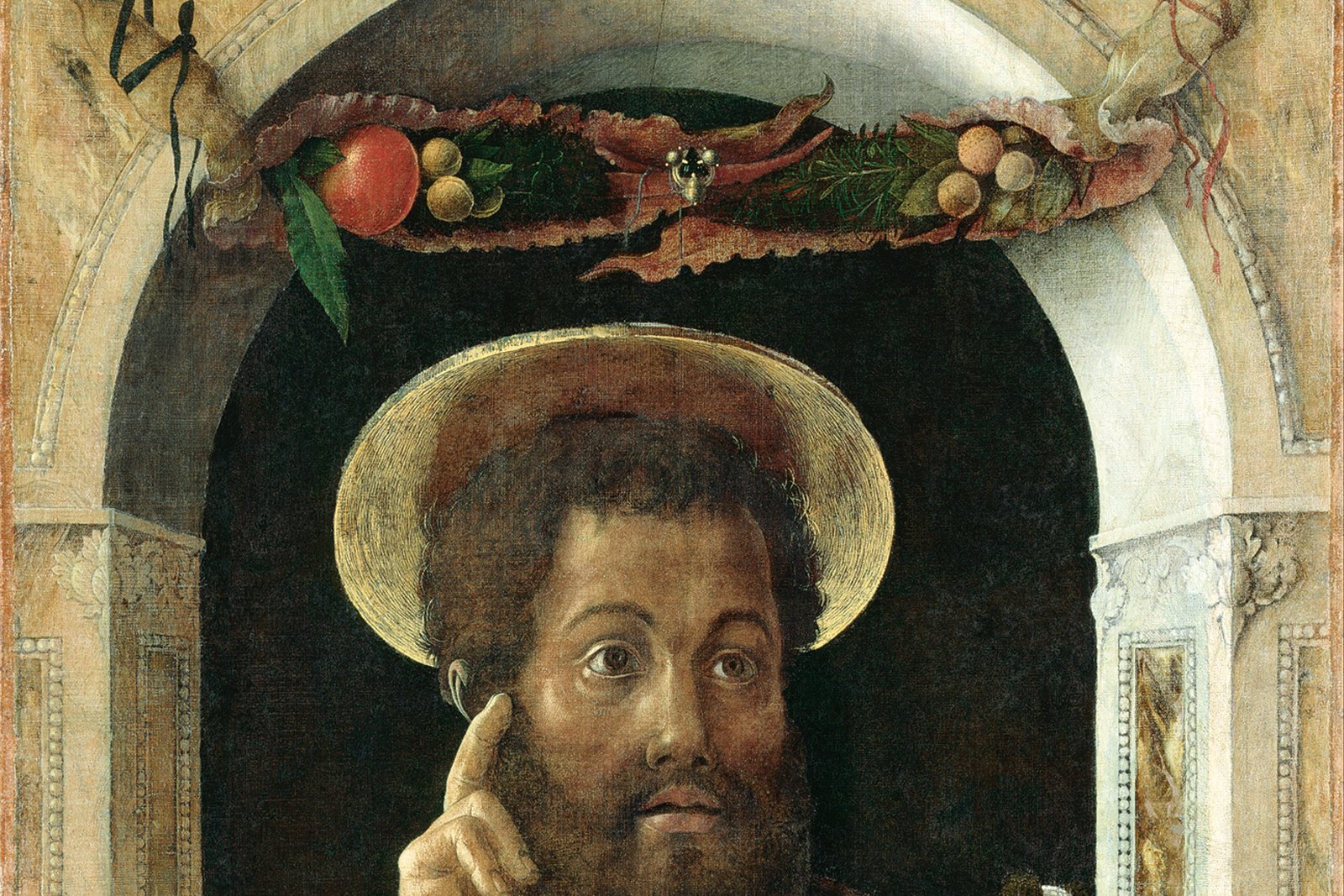
Traditional depiction of Saint Luke the Evangelist, public domain.
The longest Gospel, and the story that follows it
Luke is the author of the Gospel that bears his name — the longest of the four Gospels — and of the Book of Acts, which recounts the earliest years of the Christian community after Jesus's ascension, from Pentecost through Paul's missionary journeys and eventual arrest in Rome. Together, the two works form the largest single contribution to the New Testament by any one author, more than even Paul's own letters combined, written by a man who had to rely entirely on the testimony of others for events he had not personally witnessed. Luke's Gospel is distinctive for its attention to the poor, to women, and to outsiders — it is the only Gospel to include the parable of the Good Samaritan and the story of the Prodigal Son, and it gives far more detail than the other Gospels about the events surrounding Jesus's birth and the role of Mary, which later fed directly into the tradition connecting Luke to her image.
A painter, according to a much later tradition
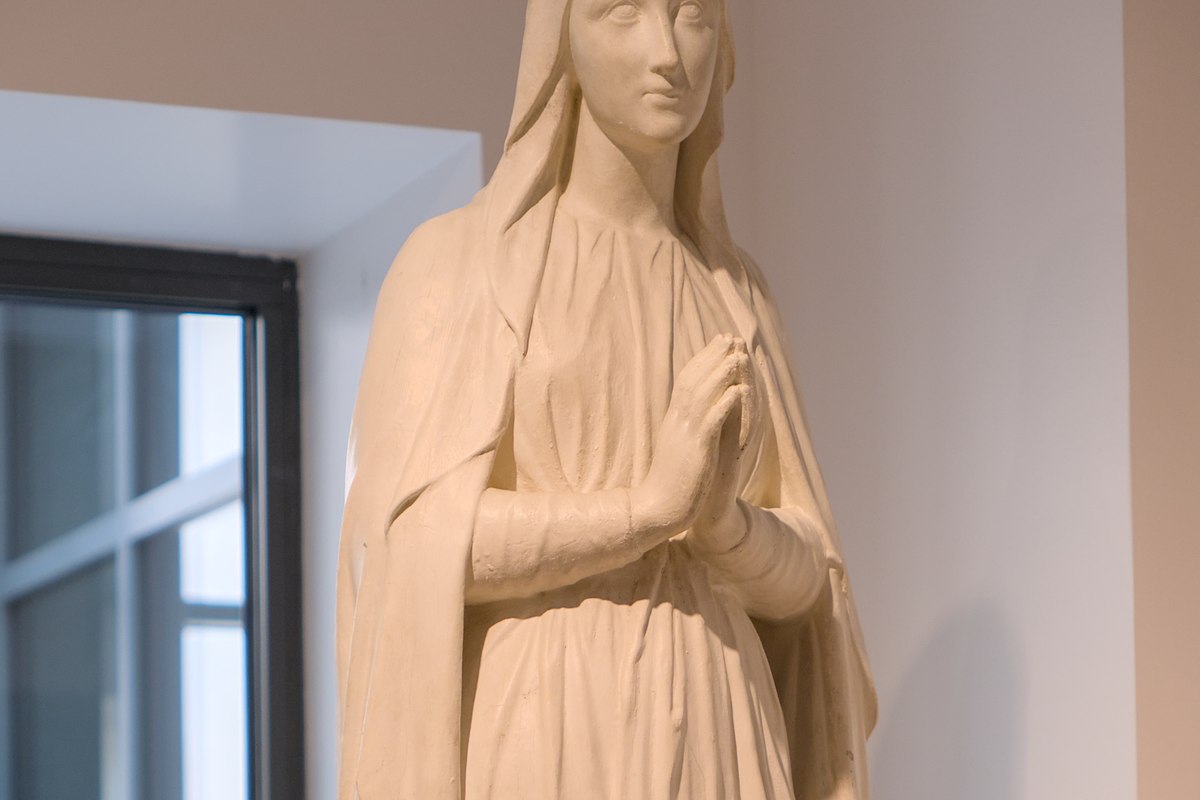
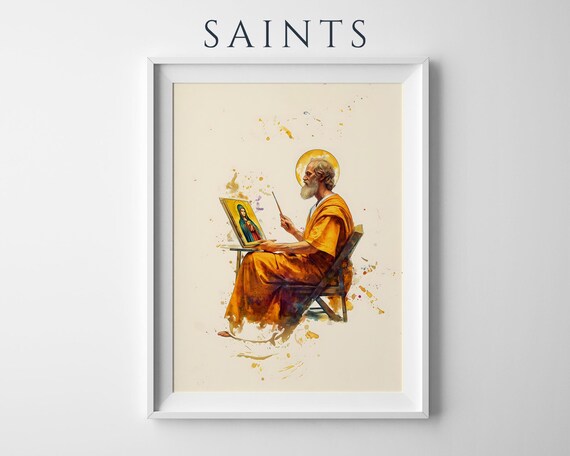
Luke is also venerated today as the patron saint of painters and artists, physicians, surgeons, and several other professions. According to tradition, he was the first person to paint the face of Mary, producing an icon so treasured that copies of it were venerated across the Christian world for centuries — but this artistic reputation was only acknowledged starting in the sixth century, and by some accounts as late as the eighth, well after his own lifetime, and no writing from Luke's own era mentions him as a painter at all. In Eastern Orthodoxy especially, the tradition of Luke as an icon-painter of Mary and Jesus became deeply embedded in devotional art and practice, with numerous icons across Orthodox churches in Russia, Greece, and elsewhere claimed, by local tradition, to be either his original work or a faithful copy of it — claims that reflect the depth of the devotion rather than verified historical fact.
Symbol of the ox, and a legacy carried across centuries
In Christian art, Luke is traditionally represented by the winged ox, one of the four living creatures described in the Book of Revelation and, earlier, in Ezekiel's vision — a symbol tied to the sacrificial, priestly themes that run through his Gospel, in contrast to the symbols traditionally given to the other three evangelists (a man for Matthew, a lion for Mark, and an eagle for John). Tradition holds that Luke died at the age of eighty-four, unmarried and without children, and was buried in Thebes, in Greece. His remains were later moved to Constantinople under the Byzantine emperor Constantius II, and eventually to the Basilica of Santa Giustina in Padua, Italy, where they remain today alongside relics believed to be those of the apostle Matthias. Both the Eastern Orthodox and Roman Catholic churches venerate him with a feast day on October 18, honoring a physician turned historian turned, by later legend, painter — a rare figure remembered as much for the careful, evidence-gathering method behind his writing as for the devotional art that grew up around his name centuries later.
Patron of a profession built on careful observation
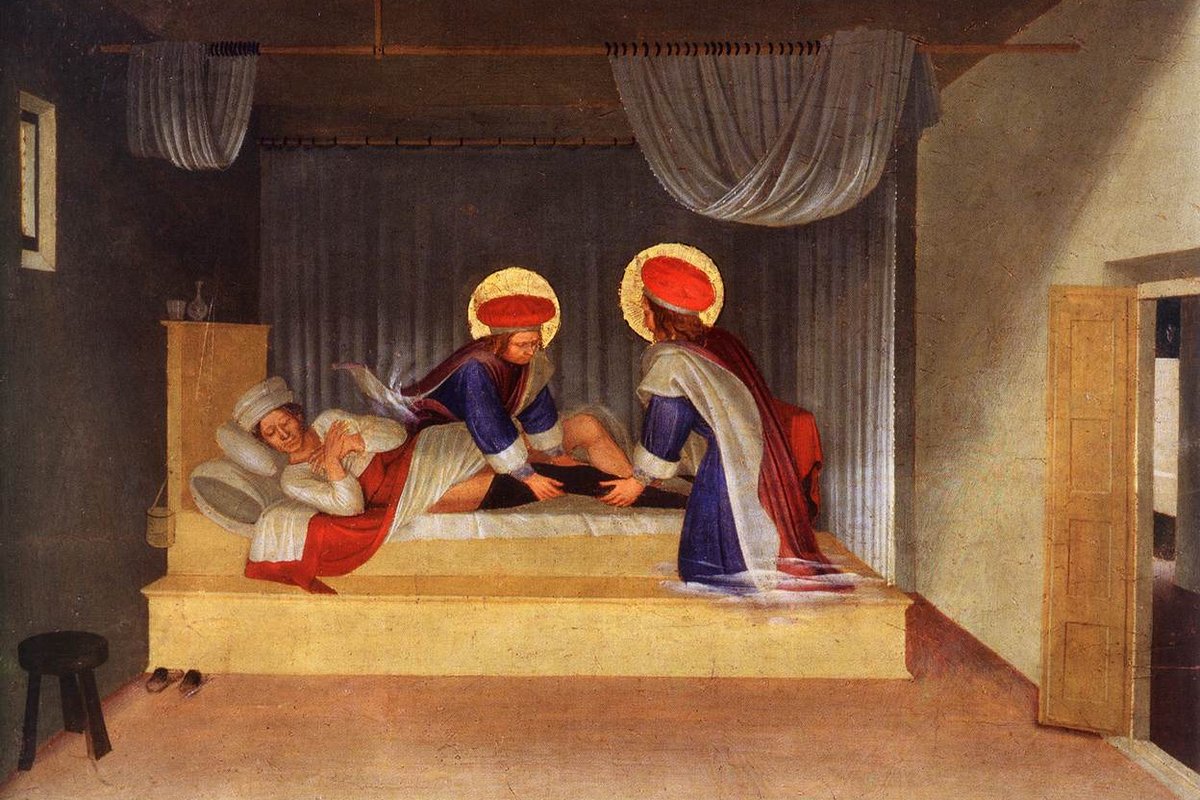
Luke's dual reputation as physician and evangelist has made him a natural patron for medical professionals throughout Church history, and guilds of physicians and surgeons in medieval and Renaissance Europe frequently placed themselves under his protection, often commissioning altarpieces depicting him with his winged ox alongside medical instruments. Academies of painters, too, adopted him widely as patron beginning in the late medieval period; the Accademia di San Luca in Rome, founded in the sixteenth century and still operating today as one of Europe's oldest art academies, takes its name directly from him. This combination of patronages, medicine and art bound together in a single saint, reflects something genuine about Luke's own Gospel: a physician's attentiveness to detail and human suffering paired with what later generations came to see as an almost artistic sensitivity to the people, especially the overlooked and marginalized, whose stories he chose to preserve.
Trivia
Who was Saint Luke the Evangelist?
What is Luke's connection to medicine?
Why is he considered the patron saint of painters?
How and where did he die?
Related Reading