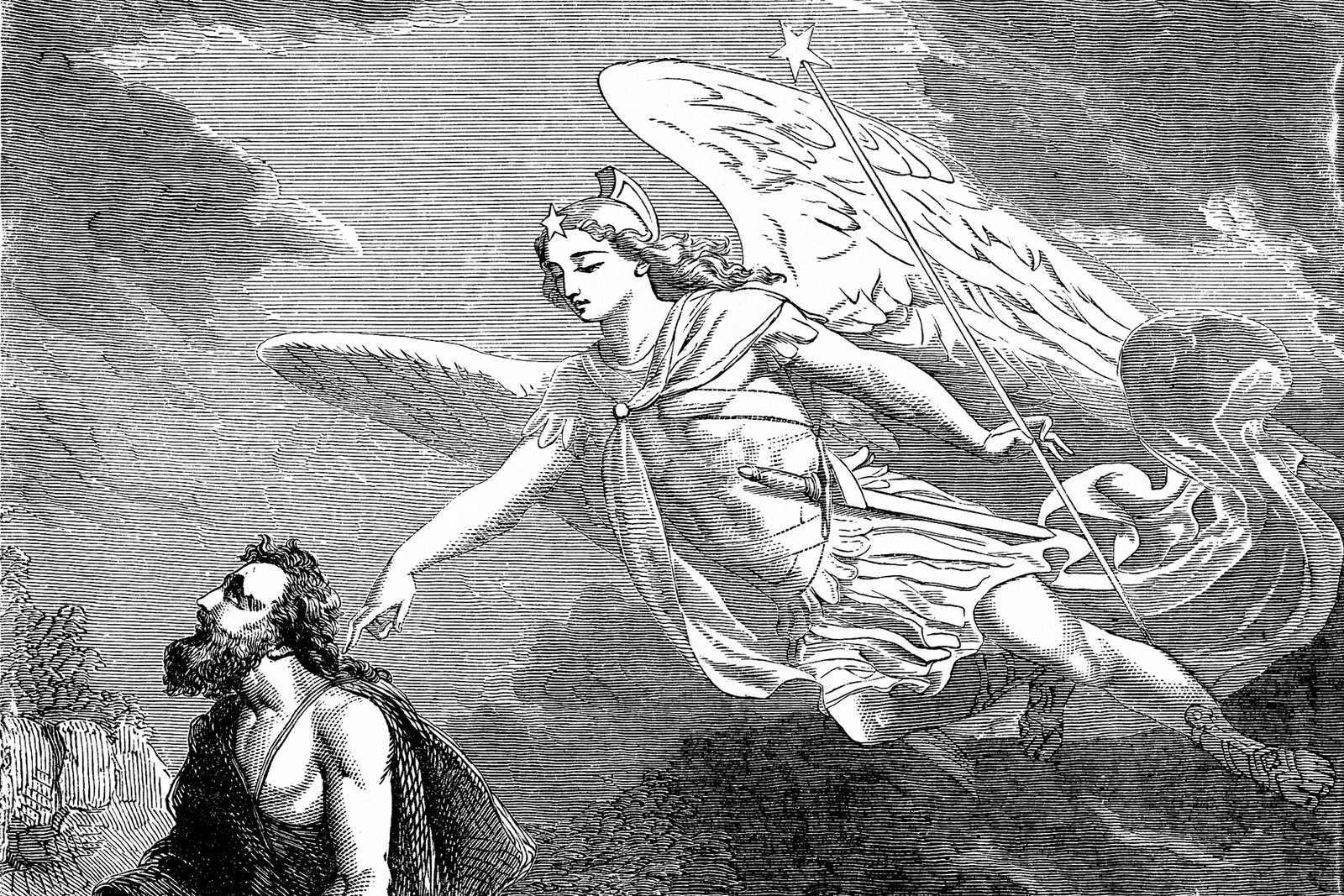
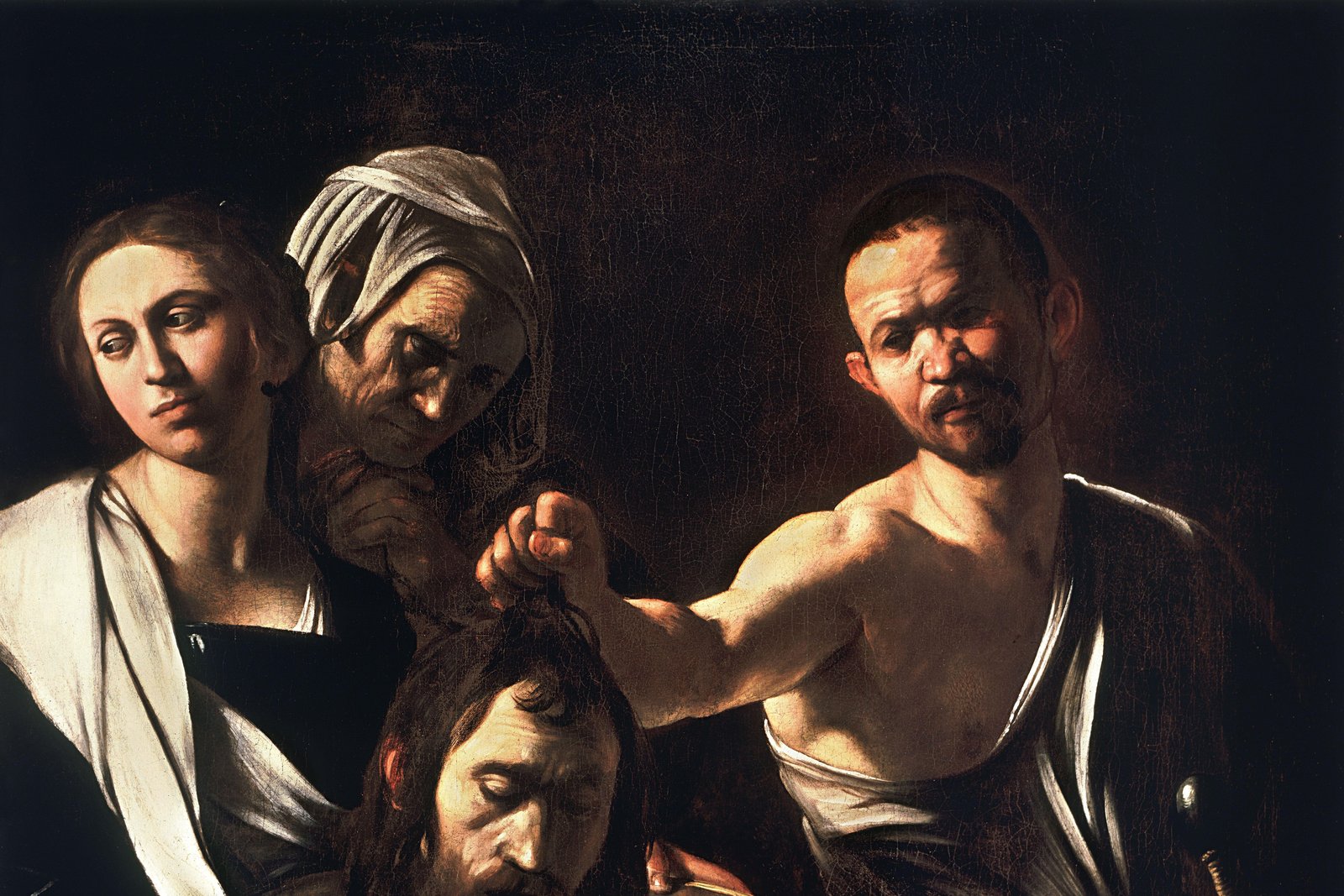
The Angel Appearing to Zechariah


The lot falls to Zechariah
Luke's Gospel opens its account of the Nativity not with Mary but with an older, quieter story: a childless priestly couple, Zechariah and Elizabeth, both "righteous in the eyes of God, observing all the commandments and ordinances of the Lord blamelessly" (Luke 1:6, NABRE), yet without the child either surely longed for, "because Elizabeth was barren and both were advanced in years" (Luke 1:7).
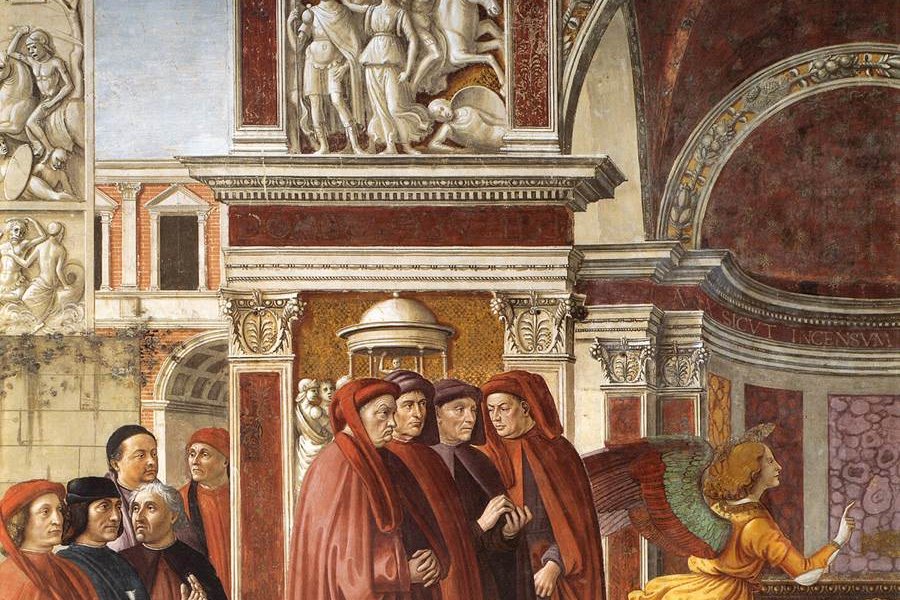
Domenico Ghirlandaio, "Angel Appearing to Zacharias" (detail), Tornabuoni Chapel, Santa Maria Novella, Florence, c. 1486-1490 — public domain.
Zechariah belonged to the priestly division of Abijah, one of the twenty-four rotating groups of priests who took turns serving in the Jerusalem Temple. Within each division's turn of duty, the specific task of entering the sanctuary itself to burn incense before the Lord was assigned by lot among the many priests present — a rare honor a priest might receive only once, if at all, across an entire lifetime of service. On this particular day, the lot falls to Zechariah, and he enters the sanctuary alone while "the whole assembly of the people was praying outside" (Luke 1:10).
"Do not be afraid, Zechariah"
Inside, standing at the right of the altar of incense, Zechariah sees something that terrifies him: "the angel of the Lord appeared to him... Zechariah was troubled by what he saw, and fear came upon him" (Luke 1:11-12, NABRE). The angel's first words follow a pattern repeated throughout Scripture whenever a heavenly messenger addresses a frightened human being: "Do not be afraid, Zechariah, because your prayer has been heard. Your wife Elizabeth will bear you a son, and you shall name him John" (Luke 1:13).
What follows is an extraordinary description of the child to come — not simply an heir, but someone with a specific prophetic mission: "he will be great in the sight of the Lord. He will drink neither wine nor strong drink. He will be filled with the holy Spirit even from his mother's womb, and he will turn many of the children of Israel to the Lord their God. He will go before him in the spirit and power of Elijah" (Luke 1:15-17, NABRE). The invocation of Elijah is deliberate and pointed — the prophet Malachi had foretold that Elijah would be sent "before the day of the Lord comes, the great and terrible day" (Malachi 3:23, NABRE), and Luke is signaling from this very first scene that a long-awaited fulfillment is beginning.
A question that costs him his voice
Zechariah's response is not disbelief exactly, but the practical doubt of an old man facing an impossible biological fact: "How shall I know this? For I am an old man, and my wife is advanced in years" (Luke 1:18, NABRE). It's worth noting that this is almost the identical question Abraham once implicitly raised, and one Mary herself will ask in a different form just a few verses later in the same chapter — yet Zechariah's question draws a markedly different response than either of theirs.
The angel first identifies himself, something he had not done before being questioned: "I am Gabriel, who stand before God. I was sent to speak to you and to announce to you this good news" (Luke 1:19, NABRE). Then comes the consequence: "But now you will be speechless and unable to talk until the day these things take place, because you did not believe my words, which will be fulfilled at their proper time" (Luke 1:20). Outside, the waiting crowd grows puzzled at how long he's taking, and when he finally emerges "he was unable to speak to them, and they realized that he had seen a vision in the sanctuary. He was gesturing to them but remained mute" (Luke 1:21-22).
The same Gabriel, six months later
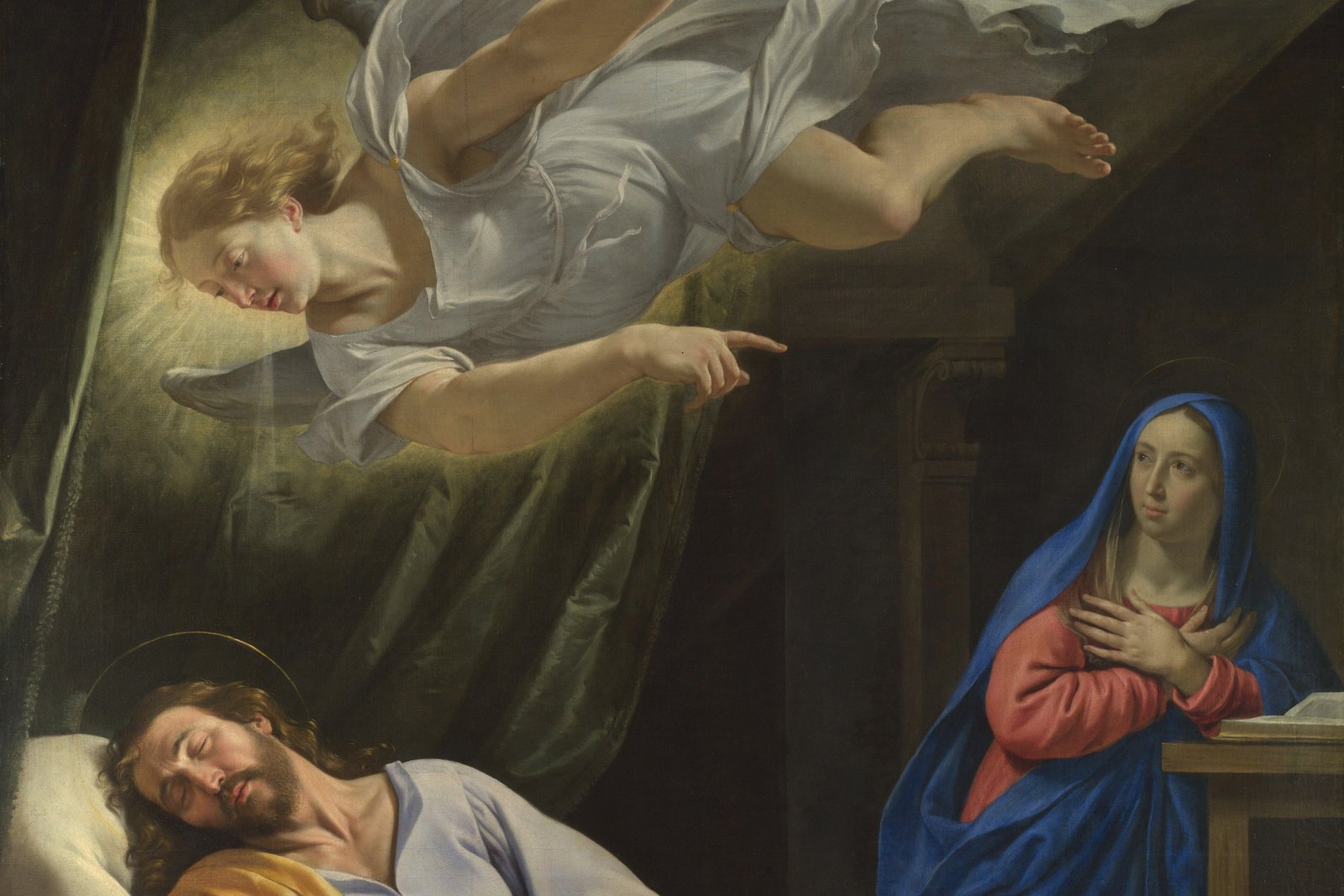
Luke makes a point of connecting this scene to the Annunciation that follows shortly after: "In the sixth month, the angel Gabriel was sent from God to a town of Galilee called Nazareth" (Luke 1:26) — to Mary, Elizabeth's relative. Gabriel's appearance to Zechariah is, in effect, the opening act of a two-part revelation, establishing the herald before introducing the one he is sent to herald. Readers can find the fuller account of that second visit in The Angel of the Annunciation and a broader look at Gabriel's role across Scripture in Saint Gabriel the Archangel.
Silence broken, and a canticle born
Elizabeth conceives, and for the full length of her pregnancy Zechariah remains mute, unable to speak a word — nine months of enforced silence that only ends at his son's circumcision and naming, when the assembled family assumes the boy will be named after his father, and Elizabeth insists instead, "No. He will be called John" (Luke 1:60). Asked to confirm it himself, Zechariah writes on a tablet, "John is his name," and "immediately his mouth was opened, his tongue freed, and he spoke blessing God" (Luke 1:63-64, NABRE).
What he speaks, once his voice returns, is the canticle known as the Benedictus — "Blessed be the Lord, the God of Israel; for he has visited and brought redemption to his people" (Luke 1:68) — a prayer of prophecy over his infant son that the Catholic Church has prayed every morning for centuries as part of the Liturgy of the Hours. The episode that began in fearful silence in an empty sanctuary closes, nine months later, in public praise a whole household can hear.
Trivia
Who was Zechariah, and why was he alone in the sanctuary?
What did the angel promise Zechariah?
Why did the angel strike Zechariah mute?
What name did the angel give for himself?
How did Zechariah's silence finally end?
Related Reading