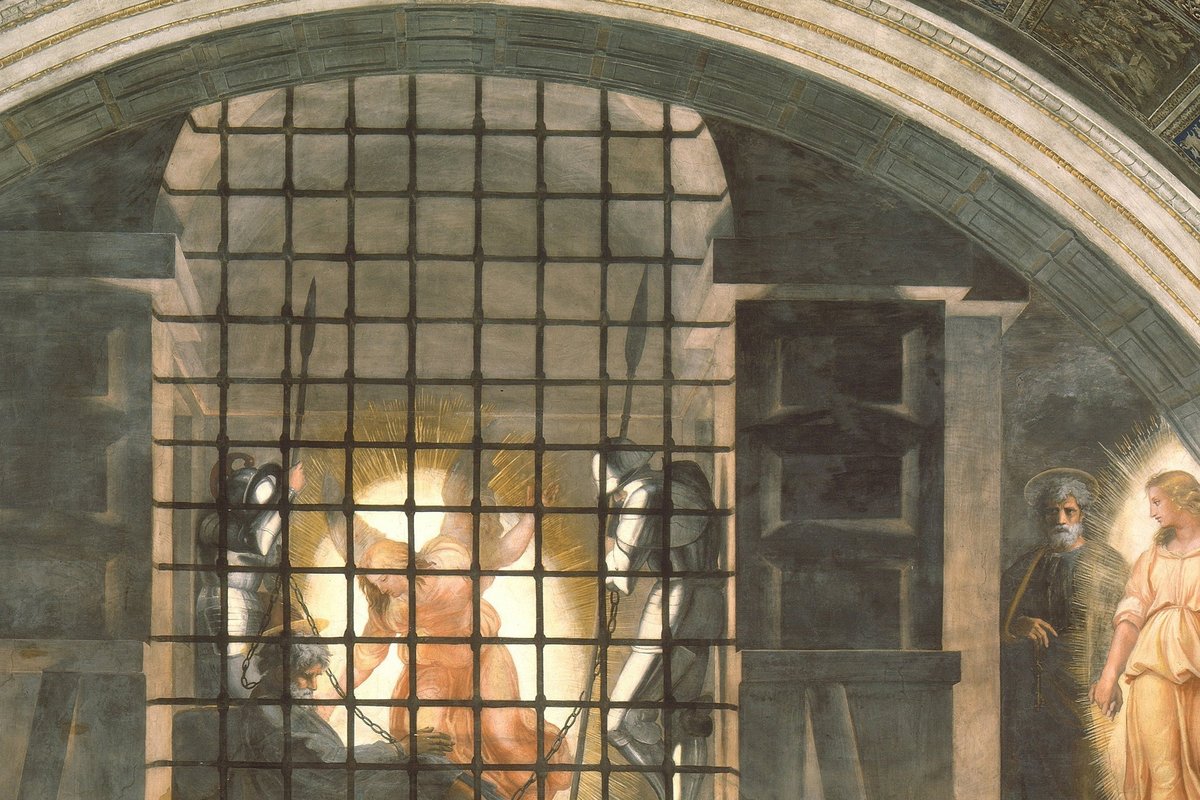
Peter Baptizes Cornelius

A Roman Officer Who Feared God
Acts 10 opens by introducing a man who, on the surface, had no obvious place in the story of the earliest Jewish-Christian church: Cornelius, a centurion — commander of roughly a hundred soldiers — in the Roman army's Italica cohort, stationed at Caesarea Maritima, the administrative capital of Roman Judea. Luke is careful to establish his character before anything else happens: "devout and God-fearing along with his whole household, who used to give alms generously to the Jewish people and pray to God constantly." (Acts 10:2). "God-fearing" was a recognized category in the ancient world for Gentiles who admired and practiced elements of Jewish faith and ethics without undergoing circumcision or full conversion — sympathizers on the edge of the synagogue community, but not members of it.
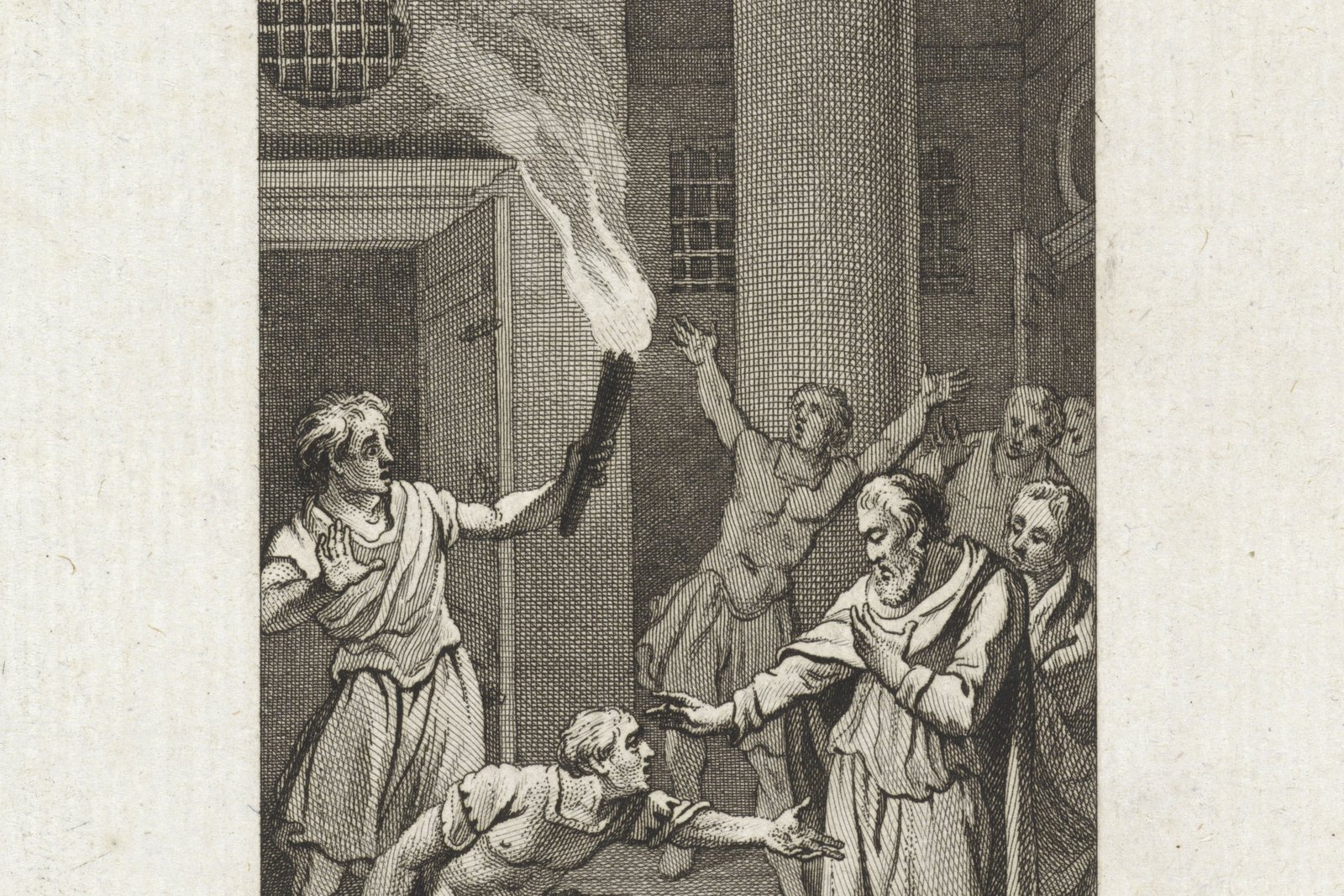
Anonymous 17th-century engraving, Baptism of Cornelius - Wikimedia Commons, public domain
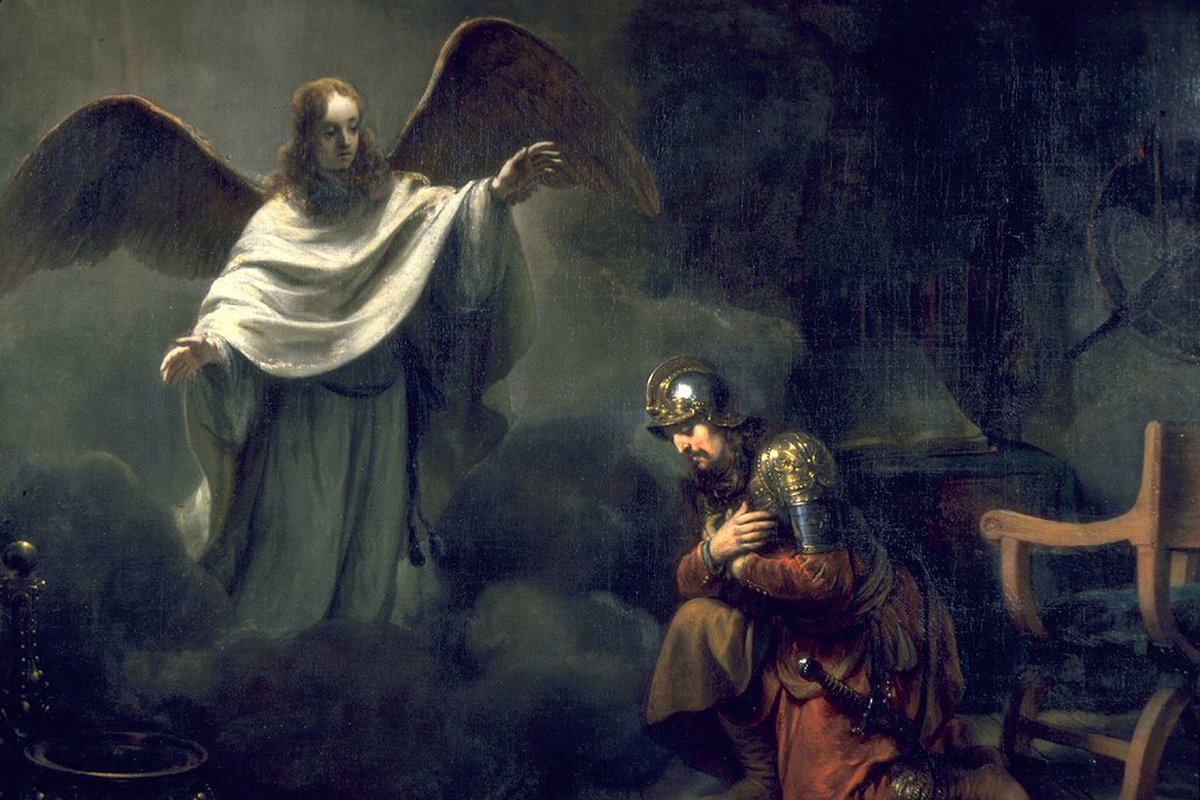
It was to this man, not yet a believer in Jesus in any formal sense, that an angel appeared during prayer one afternoon. The angel's message was specific and practical rather than mystical: "Your prayers and almsgiving have ascended as a memorial offering before God. Now send some men to Joppa and summon one Simon who is called Peter" (10:4-5). Cornelius obeyed without hesitation, sending two household servants and a soldier on the roughly thirty-mile journey to Joppa.
Peter's Rooftop Vision
While those messengers were still traveling, Peter had gone up to the roof of the house where he was staying in Joppa to pray, around midday. He fell into a trance and saw the sky open, with something like a large sheet being lowered by its four corners, filled with "all the earth's four-legged animals and reptiles and the birds of the sky" (10:12) — creatures the Jewish dietary laws in Leviticus classified as unclean and forbidden to eat. A voice instructed him: "Get up, Peter. Slaughter and eat" (10:13).
Peter's refusal is immediate and grounded in a lifetime of religious observance: "Certainly not, sir. For never have I eaten anything profane and unclean" (10:14). The voice's response reframes the entire premise of his objection: "What God has made clean, you are not to call profane" (10:15). This exchange repeated three times before the sheet was drawn back up into the sky, leaving Peter, as Luke puts it plainly, "startled" and unsure "what the vision he had seen meant" (10:17).
Two Visions, One Meaning
The timing in Luke's narrative is deliberate and precise: Cornelius's messengers arrived at the very gate of the house where Peter was staying while he was still puzzling over what the vision could possibly mean. The Holy Spirit told him directly, "three men are looking for you... go with them without hesitation" (10:19-20), and Peter, still not fully understanding the connection, went.
Only in retrospect, once Peter reached Cornelius's house in Caesarea and heard the centurion's own account of the angel's visit, did the meaning of the rooftop vision become clear. It had never really been about food. The unclean animals in the sheet were a picture, a living metaphor, for the Gentile world itself — considered off-limits to observant Jews in much the same way those animals were forbidden as food. God's command not to call clean things profane extended, Peter now understood, well beyond dietary law and into the question of who belonged within the reach of the Gospel.
"God Shows No Partiality"
Peter's opening words at Cornelius's house acknowledge exactly how far outside ordinary practice this visit was: "You know that it is unlawful for a Jewish man to associate with, or visit, a Gentile, but God has shown me that I should not call any person profane or unclean" (10:28). After Cornelius recounted his own vision and explained that his household had gathered specifically to hear whatever message God had sent Peter to deliver, Peter arrived at the conclusion the two visions had been building toward all along: "In truth, I see that God shows no partiality. Rather, in every nation whoever fears him and acts uprightly is acceptable to him" (10:34-35).
He went on to preach the core of the Gospel message — Jesus's ministry, death, and resurrection, and forgiveness of sins available through his name to "everyone who believes in him" (10:43). Before Peter had even finished speaking, "the holy Spirit fell upon all who were listening to the word" (10:44), astonishing the Jewish believers who had accompanied Peter from Joppa, who had not expected "that the gift of the holy Spirit should have been poured out on the Gentiles also" (10:45).
The Question That Answers Itself
Faced with visible, undeniable evidence that God had already given these Gentiles the same Spirit given to Jewish believers at Pentecost, Peter's next move follows almost as a formality: "Can anyone withhold the water for baptizing these people, who have received the holy Spirit even as we have?" (10:47). "He ordered them to be baptized in the name of Jesus Christ" (10:48) — the first recorded baptism of Gentile converts in the New Testament, admitted into the Church without circumcision or prior conversion to Judaism.
The consequences of that afternoon in Caesarea rippled forward for years. When the question of whether Gentile converts needed to be circumcised and keep the full Jewish law came to a head at the Council of Jerusalem in Acts 15, Peter stood and pointed directly back to Cornelius's household as decisive evidence: "God, who knows the heart, bore witness by granting them the holy Spirit just as he did us. He made no distinction between us and them" (15:8-9). What began as two puzzling visions in two different cities became the foundational precedent for the Gospel's spread to the entire Gentile world.
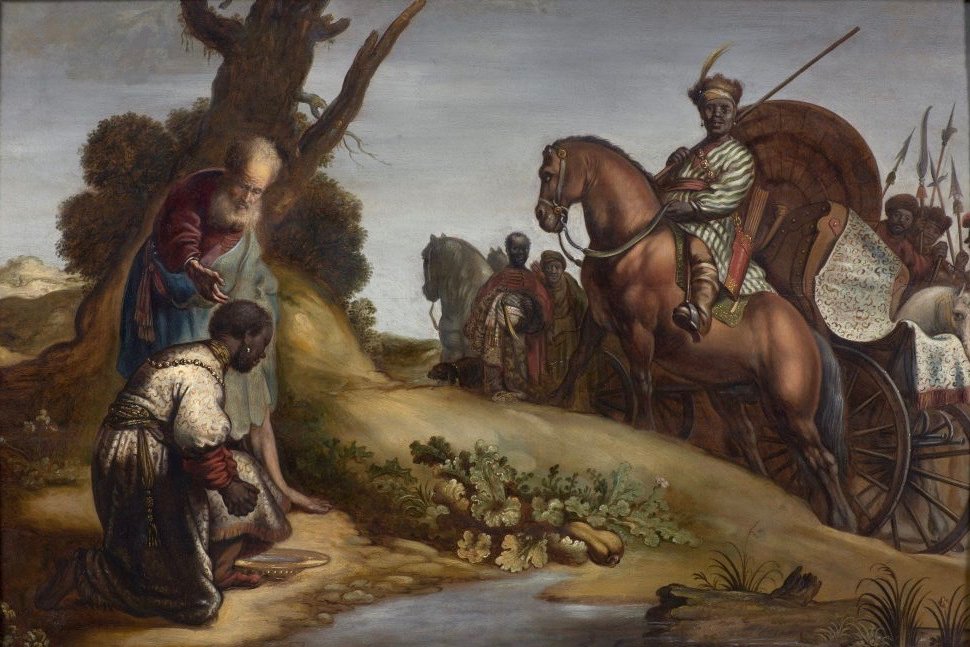
Readers interested in more turning points from the earliest Church may also enjoy Philip and the Ethiopian Eunuch, another early episode of the Gospel crossing an unexpected boundary, and The Conversion of Saint Paul, which shows the apostle who would become the great missionary to the Gentiles receiving his own dramatic call.
Trivia
Who was Cornelius, and where does his story appear in the Bible?
What vision did Cornelius receive?
What was Peter's vision, and how did it connect to Cornelius?
What did Peter say when he arrived at Cornelius's house?
Why is this episode considered such a turning point for the early Church?
Related Reading