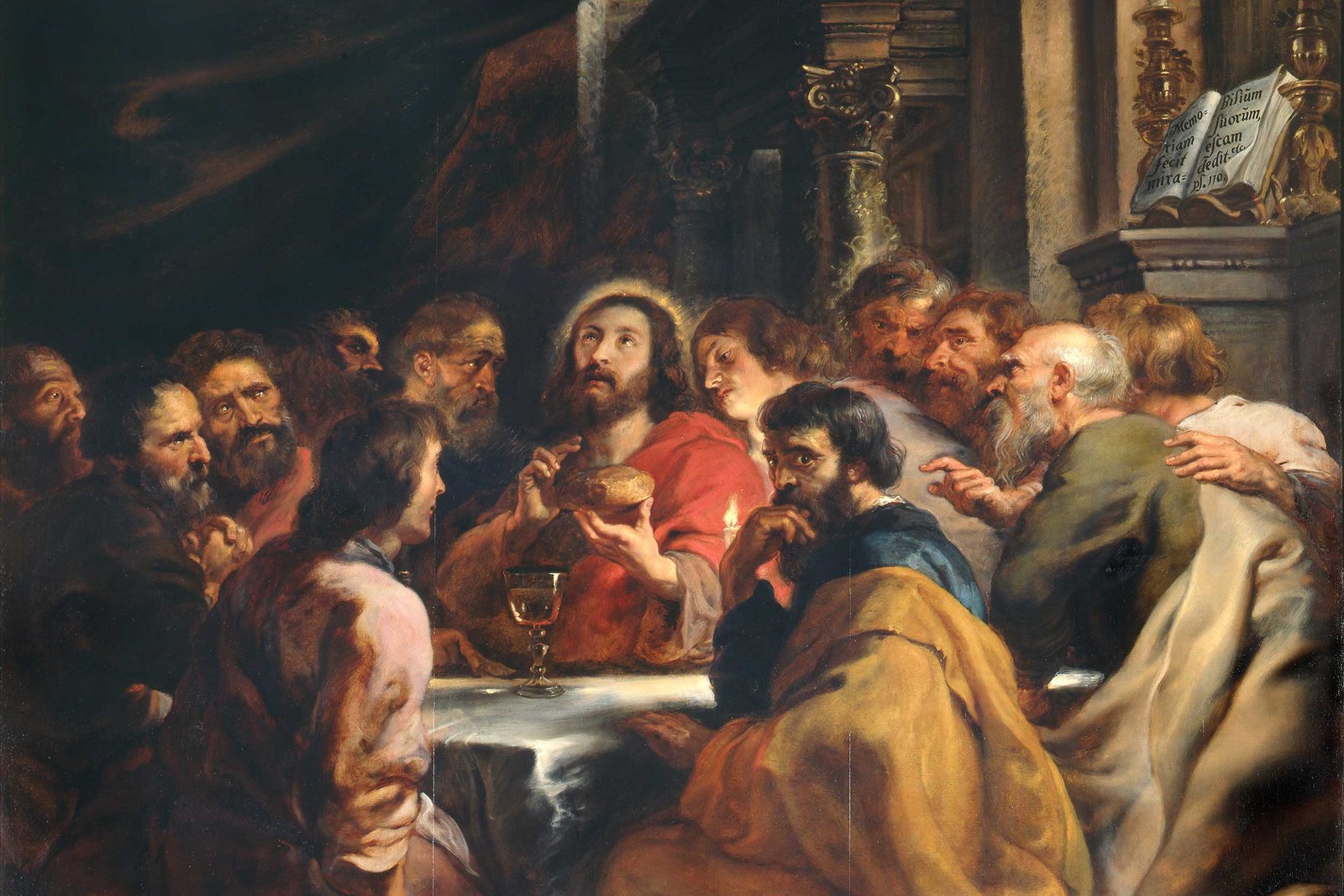
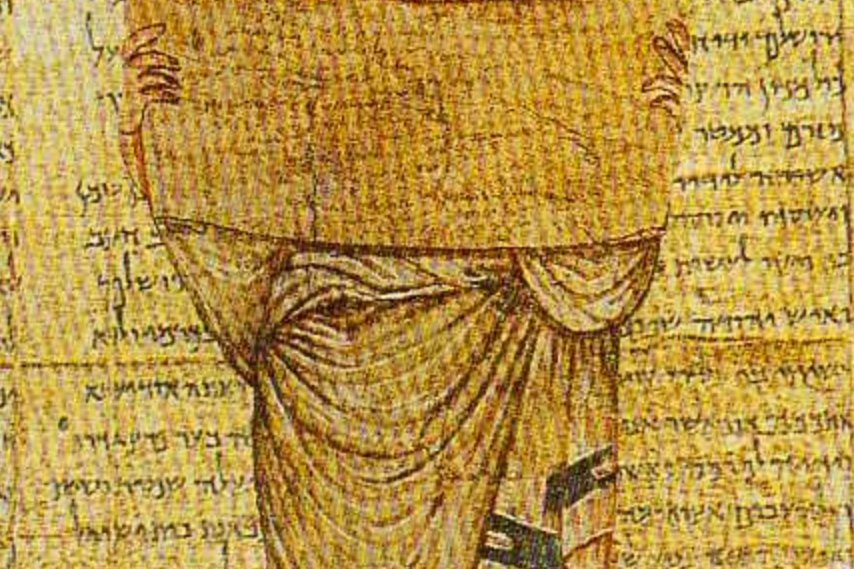
Catholic Vestments Explained: What the Priest Wears at Mass

Clothing that used to be ordinary
Most of the core vestments a Catholic priest wears trace back, somewhat surprisingly, to everyday Roman civilian dress from the first centuries of the Church, not to anything originally designed as specifically religious clothing. As secular fashion in the late Roman world and medieval Europe moved on to different styles, the Church kept using the older garments for liturgical worship specifically because they had already become associated with sacred use — a pattern of "sacred by continuity" that explains why so much of what a priest wears today looks, at first glance, so distinctly non-modern.
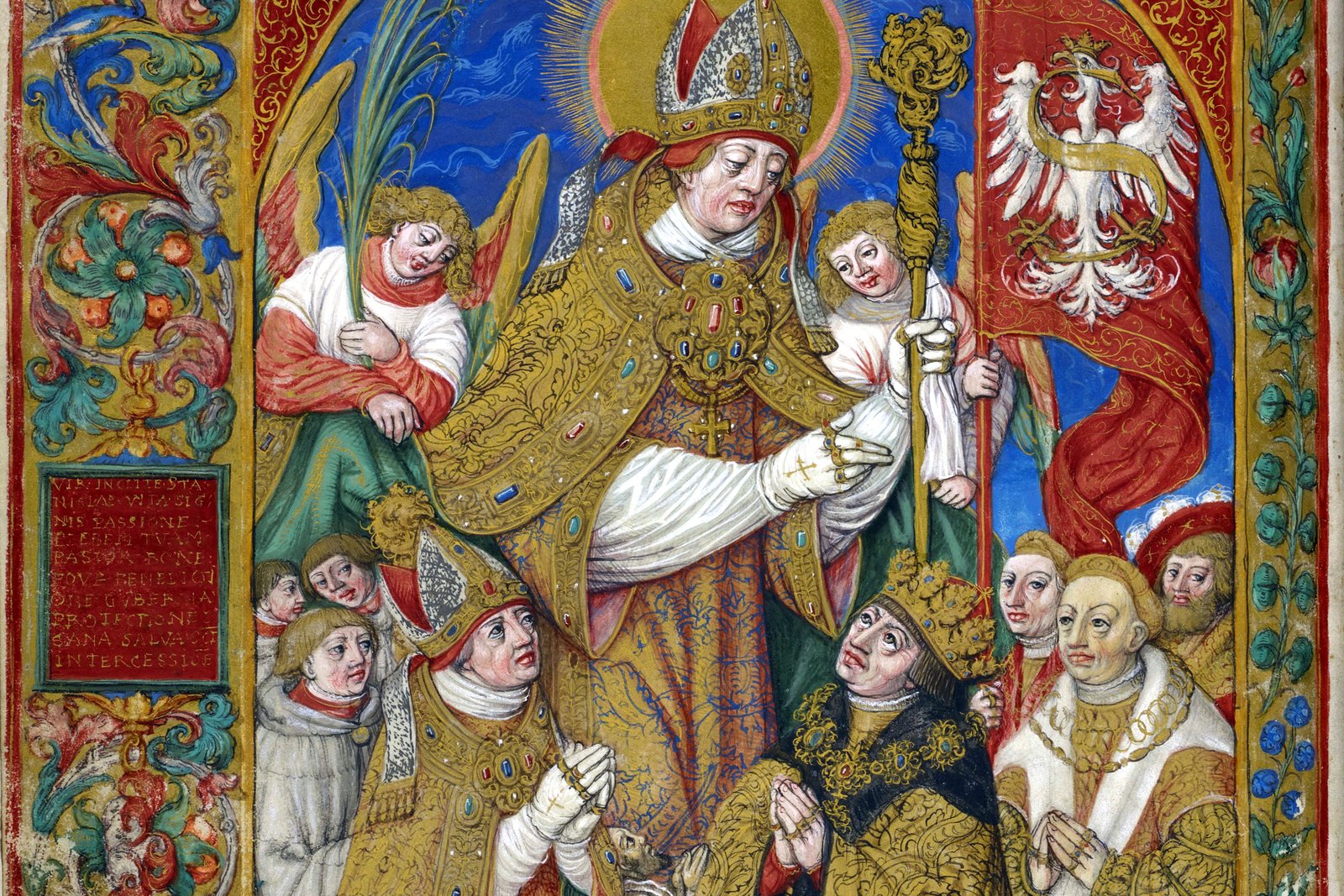
Stanisław Samostrzelnik, Saint Stanislaus, 16th century — public domain.
Vestments aren't simply chosen for visual solemnity, either. Church documents governing the Mass, and centuries of accompanying prayers traditionally recited by a priest while putting each piece on, treat every vestment as carrying real symbolic and spiritual meaning — a priest is, quite literally, praying his way into his vestments before celebrating Mass.
The layers, from innermost to outermost
Amice. A rectangular white cloth, traditionally tied around the neck and shoulders before the alb, originally serving the practical purpose of covering ordinary street clothing at the neckline. The traditional prayer said while putting it on asks God for "the helmet of salvation" — protection against temptation, particularly evil thoughts, appropriate for a garment worn closest to the head and mind.
Alb. A long, white robe reaching to the ankles, worn by the priest (and often by servers and deacons as well) as the primary base layer of Mass vestments. The word comes from the Latin albus, white, and the garment traces directly back to the basic white tunic worn under other clothing throughout the ancient Mediterranean world. Its white color has long been associated in Christian symbolism with purity — the traditional vesting prayer asks to be made "white" and cleansed of sin.
Cincture. A cord, often white but sometimes color-coordinated with the day's liturgical color, tied around the waist over the alb, functioning practically to keep it gathered and secure. Symbolically, it's traditionally associated with chastity and self-control — a "belt" understood in a spiritual as well as a practical sense.
Stole. A long, narrow band of cloth, usually matching the day's liturgical color, worn around the neck and hanging down the front. The stole is the specific sign of ordination — a priest is never without it while performing a liturgical function, including hearing confessions and administering most sacraments, even outside of Mass. Deacons wear the stole draped diagonally across the left shoulder rather than hanging straight down both sides, a visible distinction marking their different order of ordained ministry.
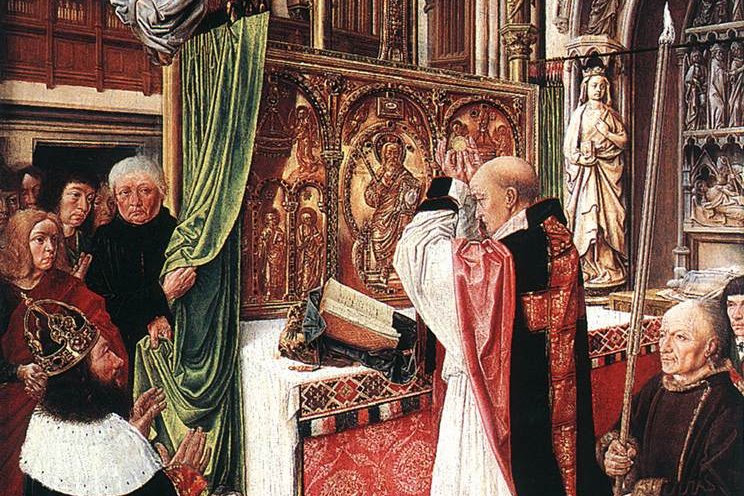
Chasuble. The large, often elaborately decorated outer garment worn over everything else specifically for celebrating Mass, typically the most visually striking vestment in the whole set and the one most people picture when they think of "priest's vestments" at all. Its name comes from the Latin casula, meaning "little house" — an apt description of a garment that, in its earliest circular forms, genuinely enveloped the wearer almost completely.
What the colors mean
The liturgical colors covered elsewhere on this site are expressed primarily through the chasuble and stole, changing to match the Church's liturgical calendar:
- Violet (purple) — Advent and Lent, seasons of penance, preparation, and waiting.
- White or gold — Christmas, Easter, and major feasts of Christ, Mary, and most saints who were not martyrs, expressing joy and glory.
- Green — Ordinary Time, the longest stretch of the liturgical year, representing ongoing spiritual growth outside of the major penitential and festive seasons.
- Red — Pentecost, Palm Sunday, Good Friday, and feasts of martyrs, symbolizing either the Holy Spirit's fire or the blood of martyrdom, depending on the occasion.
- Rose — used only twice a year, on Gaudete Sunday (Advent) and Laetare Sunday (Lent), marking a brief turn toward joy within an otherwise penitential season.
Bishops, deacons, and beyond
Vestments also vary by liturgical rank. A bishop celebrating a solemn Mass adds several items beyond what a priest wears: the mitre, a tall, pointed ceremonial headpiece; the crosier, a staff shaped like a shepherd's crook, symbolizing his pastoral authority over his diocese; and a pectoral cross, worn on a chain over the chest. Deacons wear a dalmatic, a wide-sleeved outer vestment, in place of the priest's chasuble, and their stole crosses diagonally rather than hanging straight down.
Eastern Catholic Churches use a related but visibly distinct set of vestments reflecting their own ancient liturgical heritage, often more elaborate and richly layered than the Roman (Latin) rite's vestments, a visible reminder that "Catholic" has never meant a single uniform liturgical style worldwide.
Not costume, but a kind of prayer
Understanding what each piece of clothing a priest wears actually represents changes how the whole scene reads. What might look, to an unfamiliar eye, like elaborate ceremonial costume is, according to the Church's own understanding, something closer to a series of small prayers made visible — a priest quite literally putting on humility, purity, and his own ordained identity, piece by piece, before stepping out to lead the congregation in the Church's central act of worship.
Trivia
What are the main vestments a Catholic priest wears at Mass?
What do the different vestment colors mean?
What is the difference between a stole and a chasuble?
Do all Catholic clergy wear the same vestments?
Why do vestments trace back to ordinary Roman clothing?
Related Reading