What Is Lectio Continua? Continuous Bible Reading Explained

Reading in order, not reading around
The Latin phrase is simple once it's broken down: lectio means "reading," and continua means "continuous" or "uninterrupted." Put together, lectio continua names the practice of reading a book of Scripture from beginning to end, in the order it was written, rather than selecting isolated verses grouped around a theme, an occasion, or a feast day. If a congregation is hearing Paul's Letter to the Romans read continuously across several weeks, they hear chapter 1, then chapter 2, then chapter 3, in sequence — the way the letter was actually composed and originally received by the church in Rome.
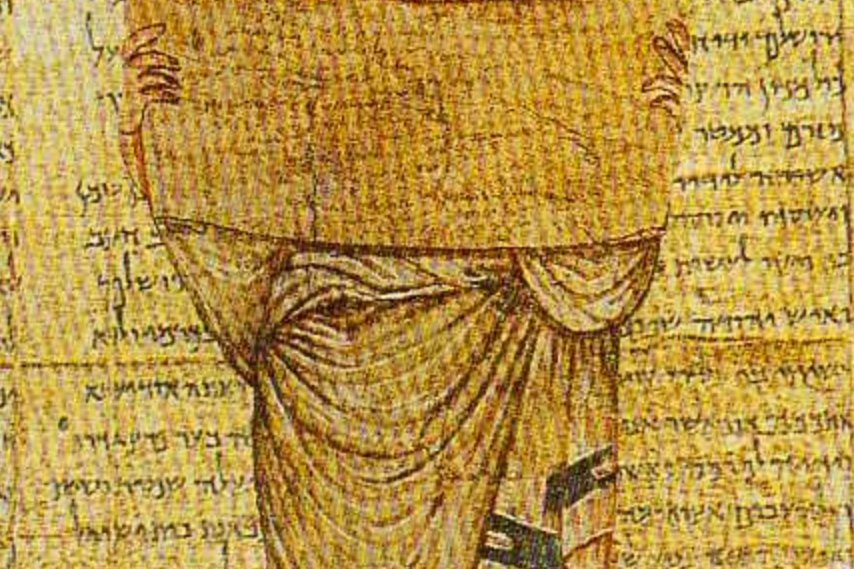
Photo: Aaron Burden / Wikimedia Commons (CC0)
This sounds almost too obvious to need a name, but it stands in real contrast to another common way of organizing Scripture readings: choosing passages topically, to match a particular feast, season, or theological theme, regardless of where they fall in their original books. Both approaches are old, both are legitimate, and the Catholic Church uses both — but for different purposes, at different points in the liturgical calendar.
An ancient inheritance, not a modern invention
This method didn't originate with Christianity. It comes from Jewish synagogue worship, where the Torah was — and still is — read through in an organized annual or triennial cycle, so that a congregation hears the entire Law of Moses read aloud over the course of the cycle rather than only ever hearing favorite excerpts. The Acts of the Apostles takes this practice for granted as already well established by the first century, noting that Moses "For Moses, for generations now, has had those who proclaim him in every town, as he has been read in the synagogues every sabbath." (Acts 15:21).
The Old Testament itself records a striking early example of Scripture being read publicly and continuously: after the Jewish exiles returned from Babylon, the scribe Ezra assembled the people in Jerusalem and, over several hours, "read clearly from the book of the law of God, interpreting it so that all could understand what was read" (Nehemiah 8:8) — a public, sustained, sequential reading rather than a short selected passage. The Gospel of Luke shows Jesus himself participating in the synagogue's established reading practice: he "went according to his custom into the synagogue on the sabbath day," was handed the scroll of Isaiah, "unrolled the scroll and found the passage" appointed for that day, and read it aloud (Luke 4:16-19). The earliest Christian communities, largely made up of Jews and God-fearing Gentiles already familiar with synagogue worship, carried this same instinct — reading Scripture aloud, in order — directly into their own gatherings.
How it works at Mass today
The Catholic liturgical calendar uses lectio continua most clearly at weekday Mass. The first reading, drawn from the Old Testament, the New Testament letters, or Revelation, works through entire books across a two-year cycle (Year I and Year II), largely in the order those books were written, with only minor skips for repetition or unsuitable content in a public liturgical setting. Across two years, a regular weekday Mass-goer hears the overwhelming majority of the non-Gospel New Testament and large stretches of the Old Testament read aloud, sequentially, book after book.
Sunday Mass works on a related but distinct principle. The Gospel reading follows a three-year cycle (Year A, B, and C) built around one Synoptic Gospel per year — Matthew, Mark, and Luke respectively, with the Gospel of John woven in during Lent, Easter, and other key points across all three years. Within each Gospel's year, the readings largely move through that Gospel in order across the Sundays of Ordinary Time, which is itself a form of continuous reading, just spread across a full year rather than a run of consecutive days. The first reading on Sundays, however, breaks from continuous reading entirely — it is chosen thematically, specifically to resonate with that Sunday's Gospel passage, most often drawing a connecting thread from the Old Testament.
Why the Church uses both methods
The two approaches serve different pastoral goals, and the Church's official introduction to the Lectionary for Mass explains the reasoning directly: continuous reading exposes a congregation to the sweep and internal logic of an entire book — its argument, its narrative arc, its author's concerns developing over time — in a way that isolated excerpts never can. A single verse from Romans, read alone, might land very differently than the same verse heard as the conclusion of an argument Paul has been building for several chapters.
Thematic selection, by contrast, lets the liturgy draw explicit connections across the whole of Scripture — showing, for instance, how a Sunday Gospel scene of Christ healing a leper echoes and fulfills an Old Testament passage read moments earlier. Neither approach replaces the other; the Church's liturgical calendar simply uses each where it serves the congregation best, continuous reading through the week and thematic pairing on Sundays and major feasts.
A discipline anyone can take up
Lectio continua isn't only a feature of the Mass — it's also a straightforward, durable habit available to any Catholic reading Scripture privately. Rather than opening a Bible at random, or returning again and again to a handful of familiar, comforting passages, a believer can simply choose a book — the Gospel of Mark is a common and manageable starting point, given its brevity and pace — and read a chapter or a portion of a chapter each day until reaching the end, then move on to the next book.
This is a different exercise from lectio divina, the contemplative method of slowly praying through a single short passage — the two are often confused because they share the word lectio, but one is about which text gets read and in what sequence, while the other is about how a person prays with whatever text is in front of them. In practice, many Catholics combine both: using lectio continua to decide what to read next, and lectio divina to sit prayerfully with what they've just read. Taken together, they represent two of the oldest and simplest tools the Christian tradition offers for actually getting to know Scripture, rather than only ever hearing small pieces of it in passing.
Trivia
What does lectio continua mean?
How is lectio continua different from lectio divina?
Does the Catholic Mass use lectio continua?
Where does the practice of lectio continua come from?
Can lay Catholics practice lectio continua at home?
Related Reading