Christmas Through Catholic Eyes

A countdown that asks for quiet before it gives you noise
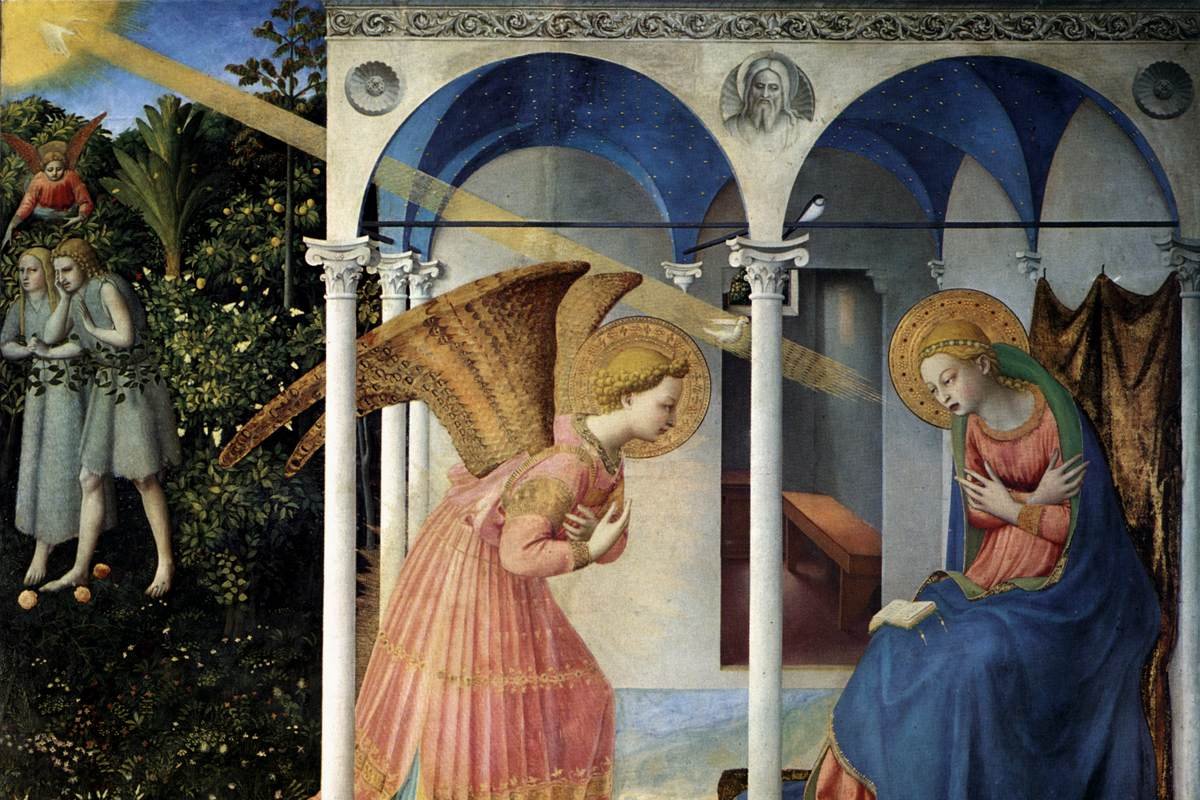
Advent starts on the fourth Sunday before Christmas, and its early readings are not gentle. The Church begins the season with warnings about staying alert and being ready — texts about the end of time, not a baby in a manger — before gradually turning, in its final week, toward the specific events leading up to Bethlehem: the angel's visit to Mary, her journey to see Elizabeth, Joseph's decision to stay. That structure is deliberate. Catholic teaching holds that Advent has a double focus: it prepares the faithful for the annual remembrance of Christ's first coming at his birth, and it points forward to his final coming in glory (CCC 524). The purple vestments, the same color used in Lent, are a visual cue that this is meant as a season of preparation rather than a month-long head start on the party.
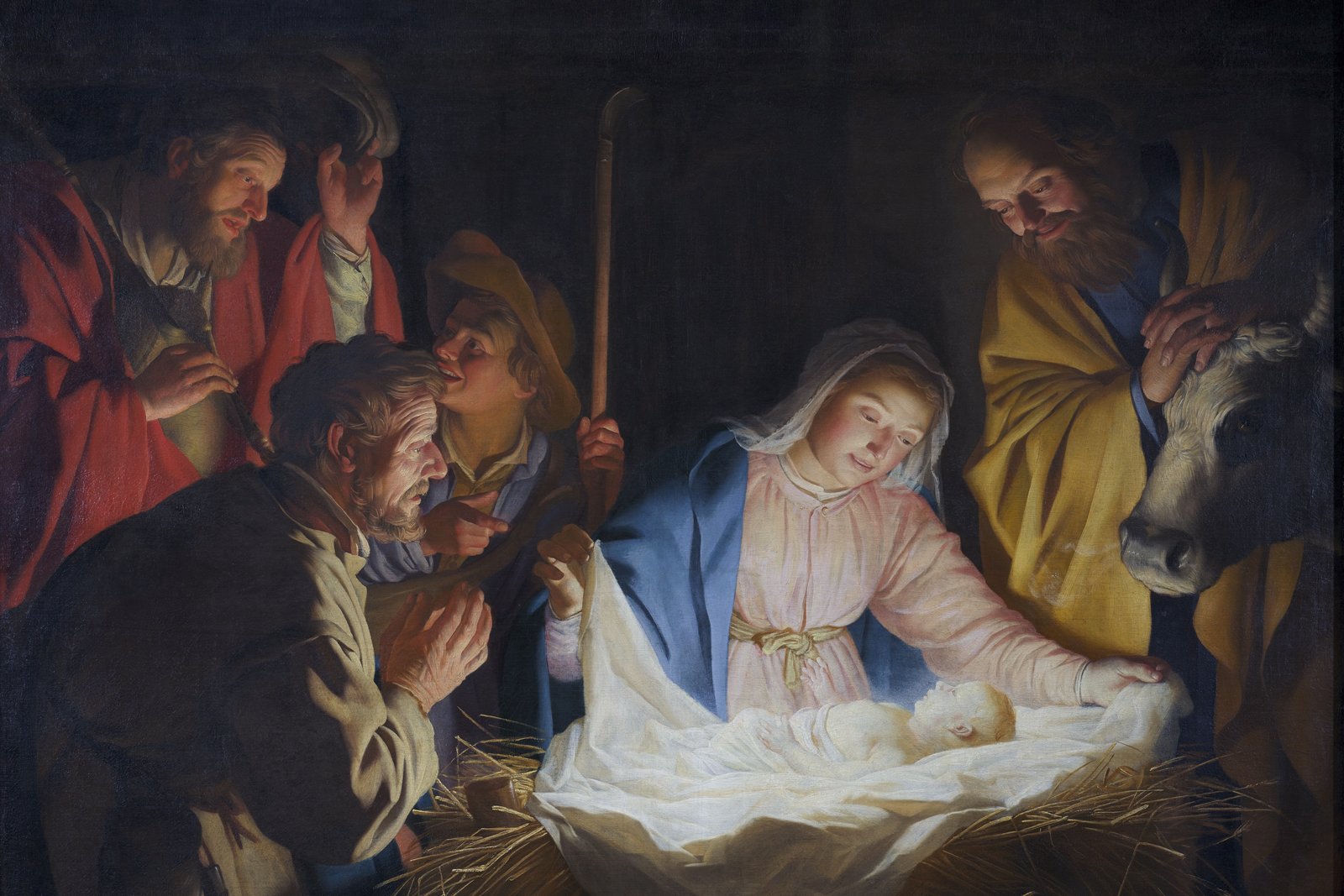
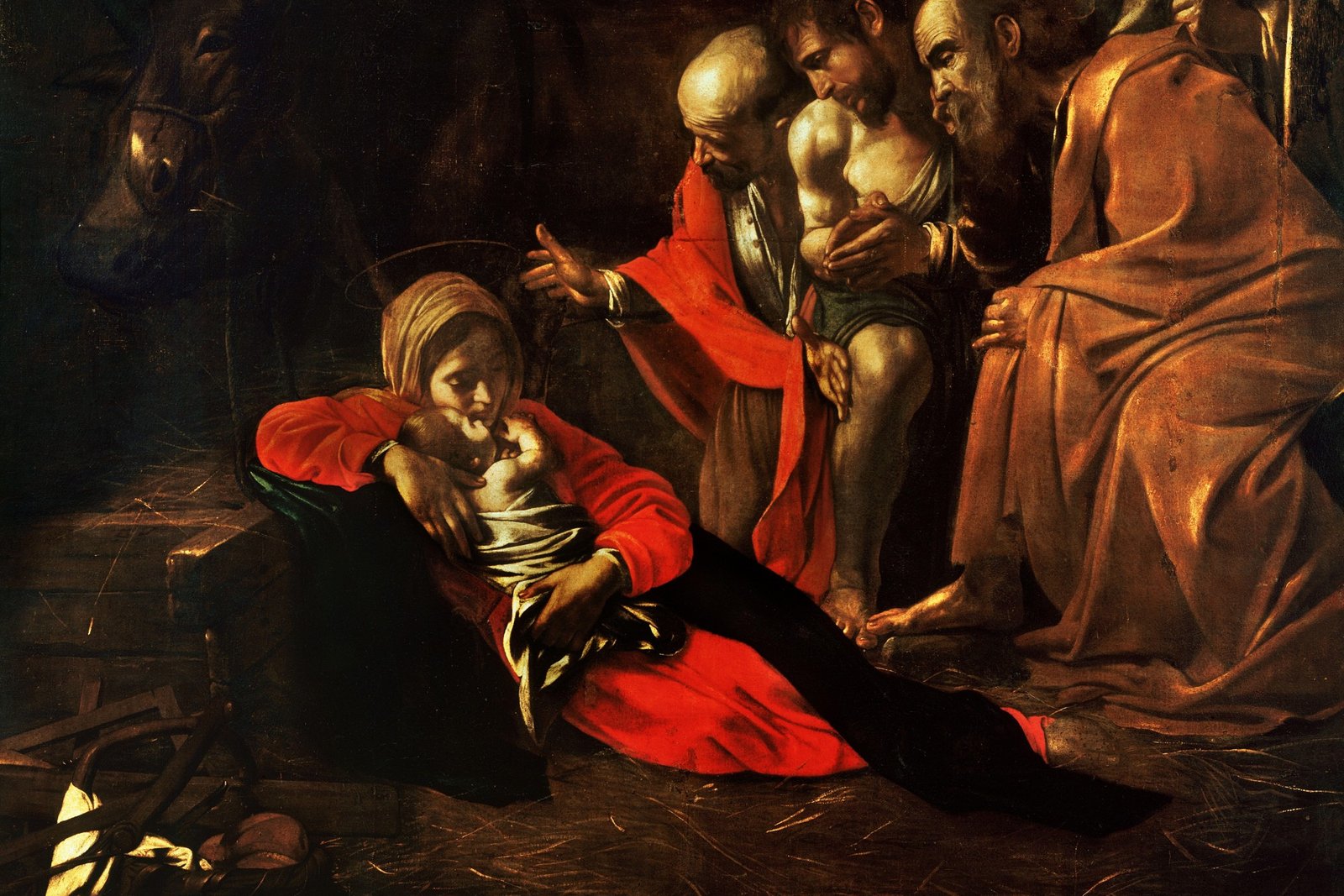
Gerard van Honthorst, Adoration of the Shepherds, 1622 — public domain.
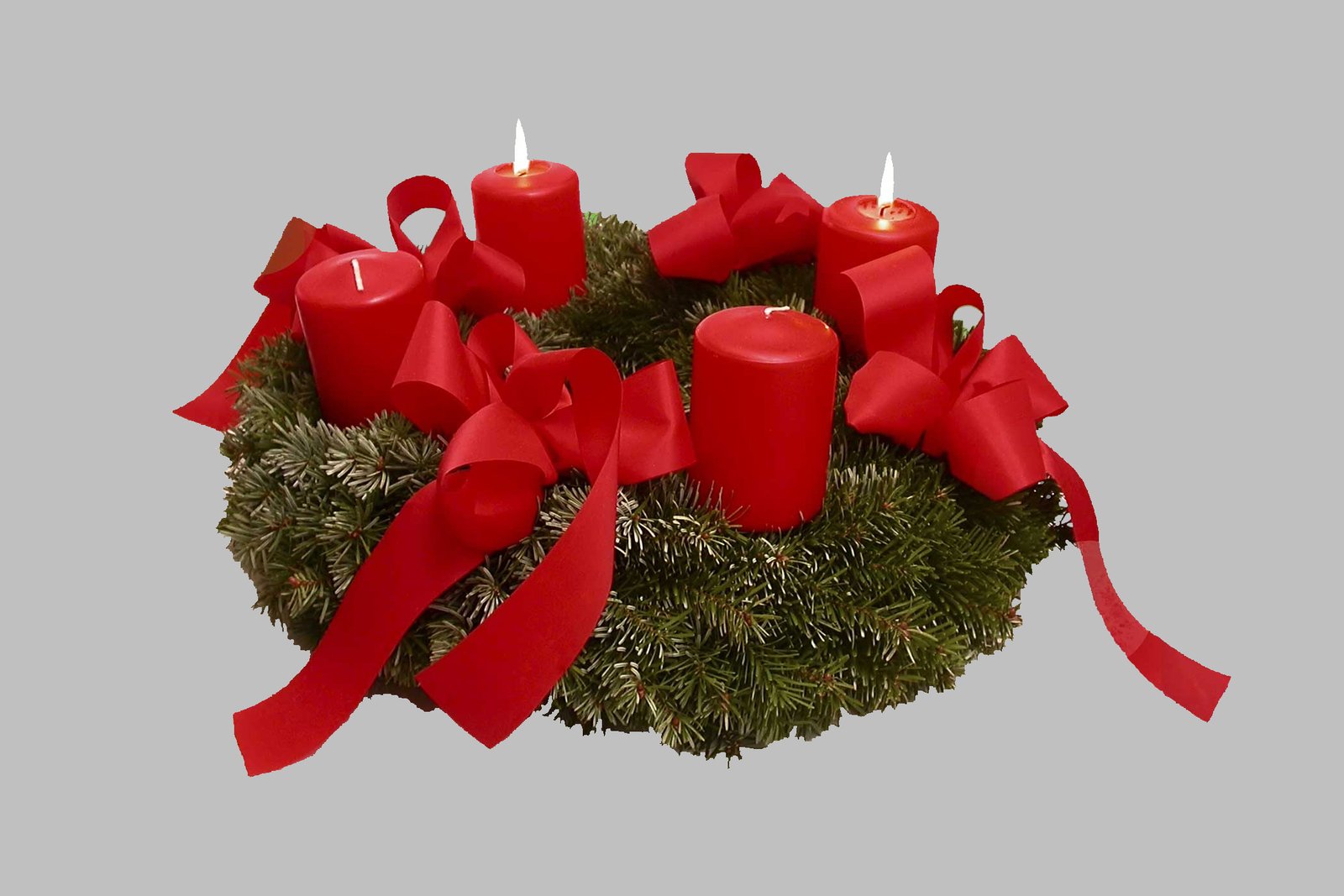
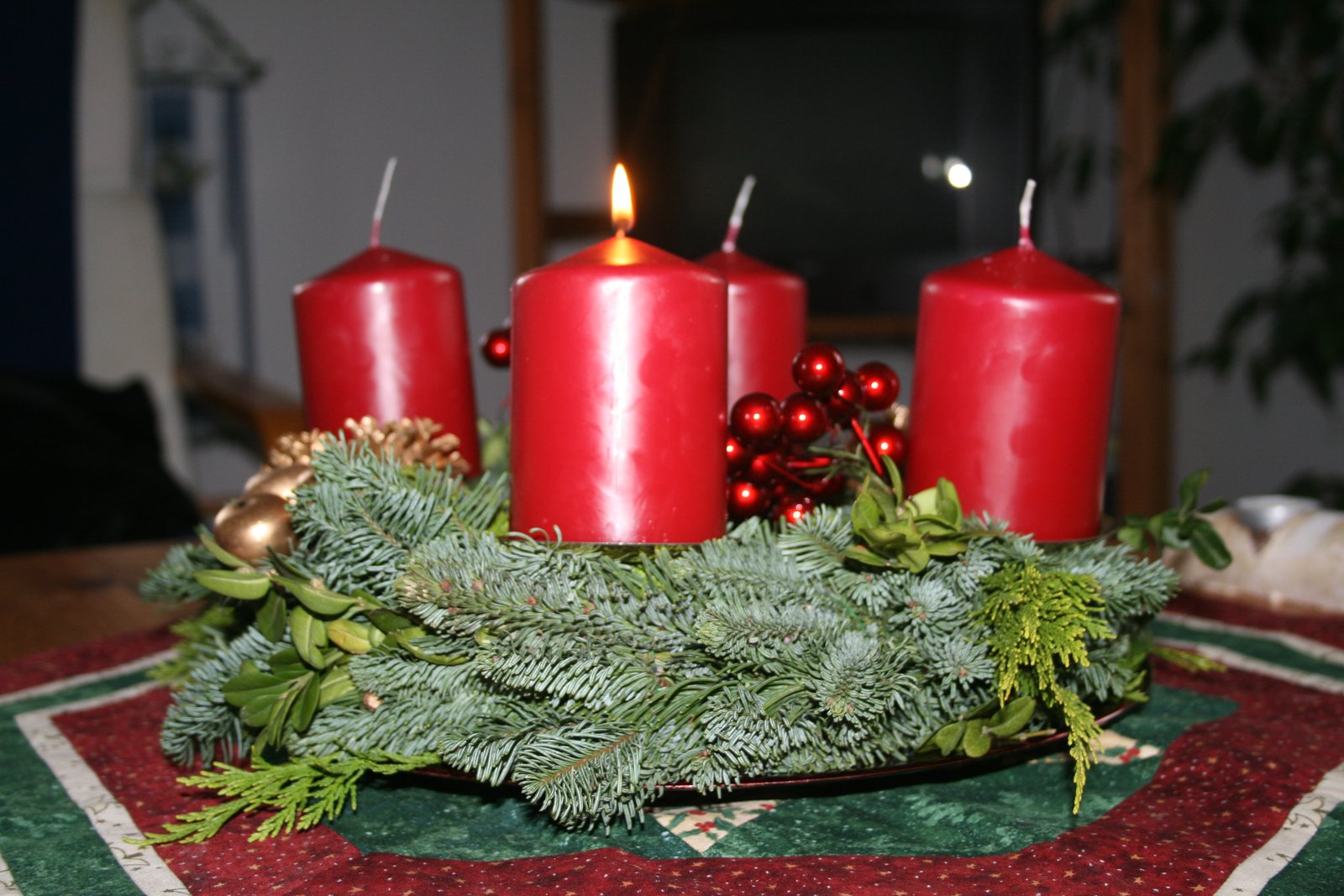
That doesn't make Advent identical to Lent — the Church has consistently kept its penitential character lighter, and popular customs like the Advent wreath, with a new candle lit each week, lean toward anticipation more than austerity. But the basic instinct, that a major feast deserves a runway rather than an ambush, runs through the whole season. Many Catholics use Advent for a specific spiritual practice — more frequent Confession, a daily Scripture reading tied to the O Antiphons in Advent's final week, a family tradition around the wreath — though none of these particular customs are obligatory; the Church leaves the specific shape of Advent observance to personal and family devotion.
Four Masses, one feast, different angles
Christmas is unusual on the liturgical calendar in a very specific way: the Roman Missal provides four separate sets of Mass texts for the same feast — the Vigil Mass on the evening of December 24, Mass During the Night (commonly called Midnight Mass, though parishes now often schedule it earlier in the evening), Mass at Dawn, and Mass During the Day. Each carries its own readings and its own emphasis. The Vigil Mass leans on Christ's ancestry and the long history of promise that precedes his birth; the Mass During the Night gives the familiar Luke narrative of shepherds and angels; the Dawn Mass keeps close to the shepherds arriving at the manger; and the Mass During the Day shifts register entirely, opening with the prologue of John's Gospel — "In the beginning was the Word" — moving from the intimate scene at Bethlehem to the cosmic claim that this same child is the eternal Word through whom all things were made. No other feast on the calendar is given this much liturgical real estate, and it's a fair signal of how central the Church considers the event.
What the feast is actually claiming
Strip away the tinsel and the specific claim underneath Christmas is this: that in the person of Jesus, God took on a genuine, complete human nature, not as an appearance or a temporary disguise, but permanently. The Catechism frames the reason plainly, listing several purposes in close succession — the Word became flesh "to reconcile us sinners with God," "so that thus we might know God's love," "to be our model of holiness," and "to make us 'partakers of the divine nature'" (CCC 457–460). That last phrase, borrowed directly from 2 Peter, is doing a lot of work — the claim isn't only that Christ came to fix something that had gone wrong, but that the Incarnation opens something new for human beings that wasn't available before. Everything else about Christmas — the manger, the shepherds, the star — is staged around that central claim, not a substitute for it.
Where the Nativity scene actually comes from
The crib scene under so many Christmas trees has a more specific and better-documented history than most Christmas customs. In 1223, Francis of Assisi, with permission from Pope Honorius III, arranged a live reenactment of Christ's birth in a cave near the Italian town of Greccio — a manger filled with hay, an ox and a donkey brought in as living props, and a Midnight Mass celebrated in the middle of the scene. Francis wanted the local villagers, many of whom couldn't read the Gospel account for themselves, to encounter the poverty and humility of Christ's birth directly, with their senses rather than only their ears. Thomas of Celano, who wrote Francis's first biography within a few years of his death in 1226, records the Greccio scene in enough detail that historians treat it as reasonably solid, rather than legend accumulated centuries later — one of the more reliably documented origin stories in Catholic devotional history. From Greccio, the custom of building a physical crib scene, gradually with carved or molded figures rather than live animals and actors, spread first through Italy and then across Catholic Europe, eventually becoming the presepio, belén, or crèche tradition familiar today in homes and churches worldwide.
Living the season rather than rushing past it
Understood this way, Christmas resists being flattened into a single morning. Advent asks for a period of attentive waiting; the feast itself is given four distinct Masses rather than one; and the season continues for another week and a half beyond December 25, through the Solemnity of Mary, Mother of God on January 1 and on to the Epiphany. None of that is arbitrary calendar-filling — it's the Church's long-standing instinct that a mystery this large is better lived across a season than consumed in a single day, and it's an instinct available to anyone willing to slow down enough to notice it.
Trivia
Why does Advent exist if Christmas is the celebration?
Is the Christmas Vigil Mass the same as Midnight Mass?
Did Saint Francis of Assisi really invent the Nativity scene?
Why does the Church celebrate Christmas for twelve days instead of one?
What is the theological point of the Nativity, beyond the story itself?
You May Also Like
Related Reading