How to Know Your Vocation: Three Saints Who Actually Discerned One

A method born from boredom, not a vision
Saint Ignatius of Loyola did not set out to become the patron saint of decision-making. A Spanish nobleman and soldier, his career ended in 1521 when a cannonball shattered one leg during the defense of Pamplona. During the long, painful convalescence that followed, with nothing to read but a life of Christ and a book on the saints, he noticed a pattern in his own daydreams: fantasies of returning to military glory felt thrilling in the moment but left him restless and empty afterward, while imagining a life spent in imitation of the saints left a quieter satisfaction that lasted. He came to treat that difference — momentary excitement followed by emptiness, versus a settled, lasting peace — as real evidence about which impulses were leading him somewhere good. That observation grew, over years of further prayer and formation, into what became the Spiritual Exercises, still used today, centuries later, by people well outside the Jesuit order Ignatius eventually founded, to discern vocations of every kind.
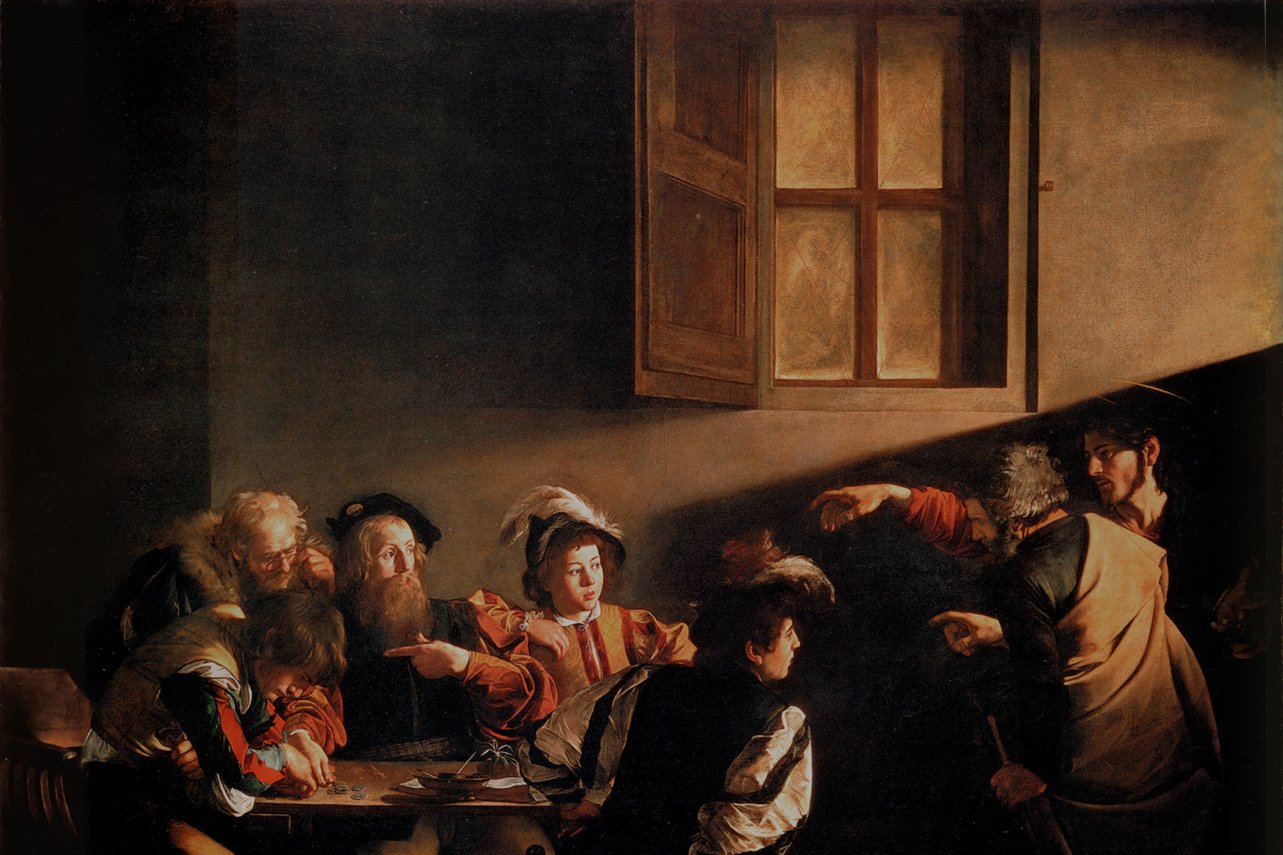
Caravaggio, The Calling of Saint Matthew, 1599-1600, San Luigi dei Francesi, Rome, public domain (Wikimedia Commons).
The Ignatian method rests on paying attention to what he called consolation and desolation — not fleeting moods, but deeper, more lasting movements of the heart toward or away from God — tested over time, examined honestly, and usually discussed with a spiritual director rather than worked out entirely alone. It's a genuinely practical tool, not a mystical shortcut, and it treats vocation as something noticed through sustained attention rather than delivered in a single decisive flash.
Thérèse: choosing when everyone said wait
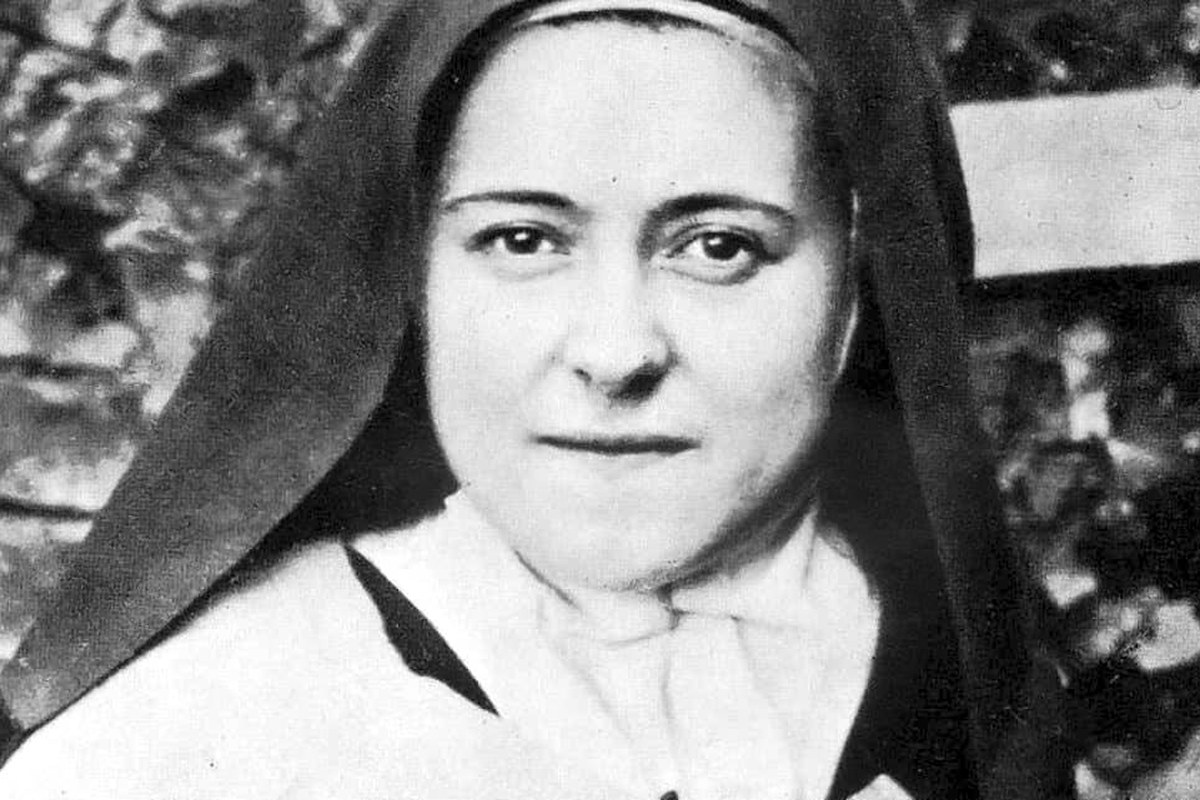
Saint Thérèse of Lisieux discerned her vocation to Carmelite religious life with unusual persistence for someone so young. She felt drawn to enter the convent at Lisieux, where two of her older sisters were already Carmelites, well before the ordinary minimum age allowed it. Rather than simply waiting passively, she pursued the question actively and courageously: she appealed in person to the local bishop, and then, during a pilgrimage to Rome, knelt before Pope Leo XIII himself and asked permission directly, even after being instructed not to speak. She entered Carmel the following year, at fifteen.
What's instructive here isn't precocious certainty so much as persistence paired with real humility about ordinary means — she used the Church's actual structures of authority, asking permission through proper channels rather than assuming her own sense of call was sufficient on its own. Her subsequent life inside the convent, quiet and largely hidden, became the basis for her "Little Way," a spirituality built on small, faithful acts of love rather than dramatic achievement — itself a kind of case study in vocation lived out, day by day, in a religious life that from the outside looked entirely unremarkable.
Damien: a call that grew clearer by showing up
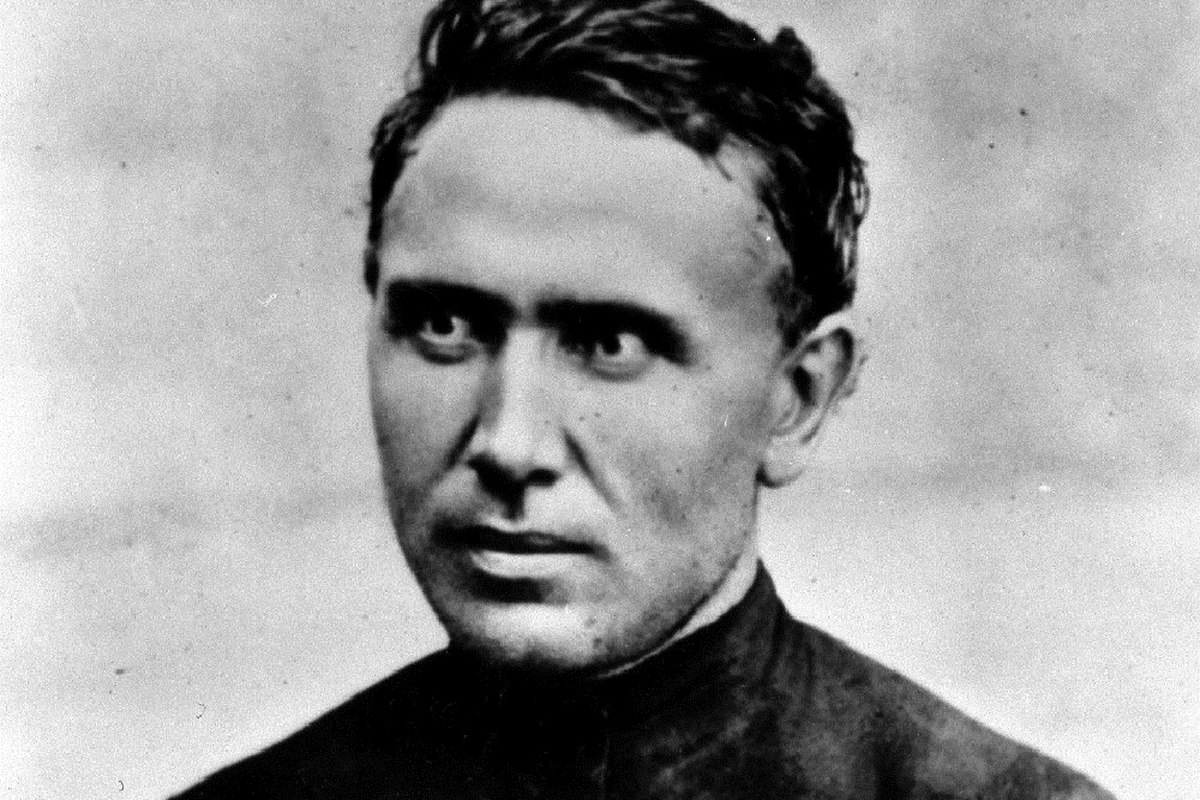
Saint Damien of Molokai discerned his particular missionary calling less through interior reflection than through simply going and seeing. He was not originally assigned to Hawaii at all — he took the place of his own brother, Father Pamphile, who fell ill before departure. Once there, moved by the conditions of people with leprosy whom the Hawaiian government had exiled to the Kalaupapa settlement on Molokai, Damien requested what was initially meant as a temporary assignment, then asked his bishop to let him stay permanently once he had seen the settlement's conditions firsthand — no clean water, no organized burial for the dead, people effectively abandoned. His vocation to that specific, costly ministry wasn't something he arrived at through a private moment of insight; it sharpened through direct exposure to real, concrete need, and he committed himself further only after seeing exactly what the commitment would demand.
That pattern — a general vocation to missionary priesthood becoming a specific, costly calling only through direct encounter with a particular need — is a genuinely different discernment story than Ignatius's interior attentiveness or Thérèse's persistent early petitioning, and it's worth holding all three together. Damien eventually contracted leprosy himself after years of close contact with those he served, and died among them in 1889, having never treated his initial assignment as a fixed, unchangeable destiny rather than a calling that deepened as he lived it out.
What the Church actually teaches about vocation
Catholic teaching situates all of this within a broader framework: the universal call to holiness, addressed to every baptized person regardless of state in life, which the Second Vatican Council and the Catechism describe as addressed "to all the faithful, whatever their condition or state" (CCC 2013). Beneath that universal call sits the question of a particular vocation — marriage, consecrated religious life, ordained ministry, or a dedicated single life — through which a specific person is meant to live out holiness concretely. The Church does not teach that only priests and religious have a "real" vocation; marriage itself is treated as a genuine vocation and calling, not a fallback for those who don't discern something more demanding (CCC 2226-2233 speaks to the vocation lived out within family life specifically).
Discernment as an ongoing practice, not a single verdict
None of the three saints above discerned their vocation in a single instant and then never revisited the question. Ignatius kept refining his own understanding of discernment for decades after his convalescence, teaching it to others as a lifelong practice rather than a one-time diagnostic tool. Thérèse's sense of call deepened considerably over her nine years in Carmel, including through a severe trial of faith near the end of her life that tested, rather than confirmed, her original certainty. Damien's specific calling to Kalaupapa grew clearer only through direct, repeated exposure to the people he would serve. Their example suggests something genuinely useful for anyone wrestling with the question today: vocation is rarely handed over all at once. It's noticed, tested in prayer and honest counsel, and confirmed gradually — often only by the same method Ignatius stumbled onto in a castle bed nearly five centuries ago, watching for which paths leave lasting peace and which leave only passing excitement.
Trivia
What does the Catholic Church mean by 'vocation'?
What is Ignatian discernment, and where does it come from?
Do I need a dramatic experience like a vision or a sudden conversion to know my vocation?
How is discerning a vocation to marriage different from discerning a vocation to religious life?
What if I try to discern my vocation and still feel uncertain?
Related Reading